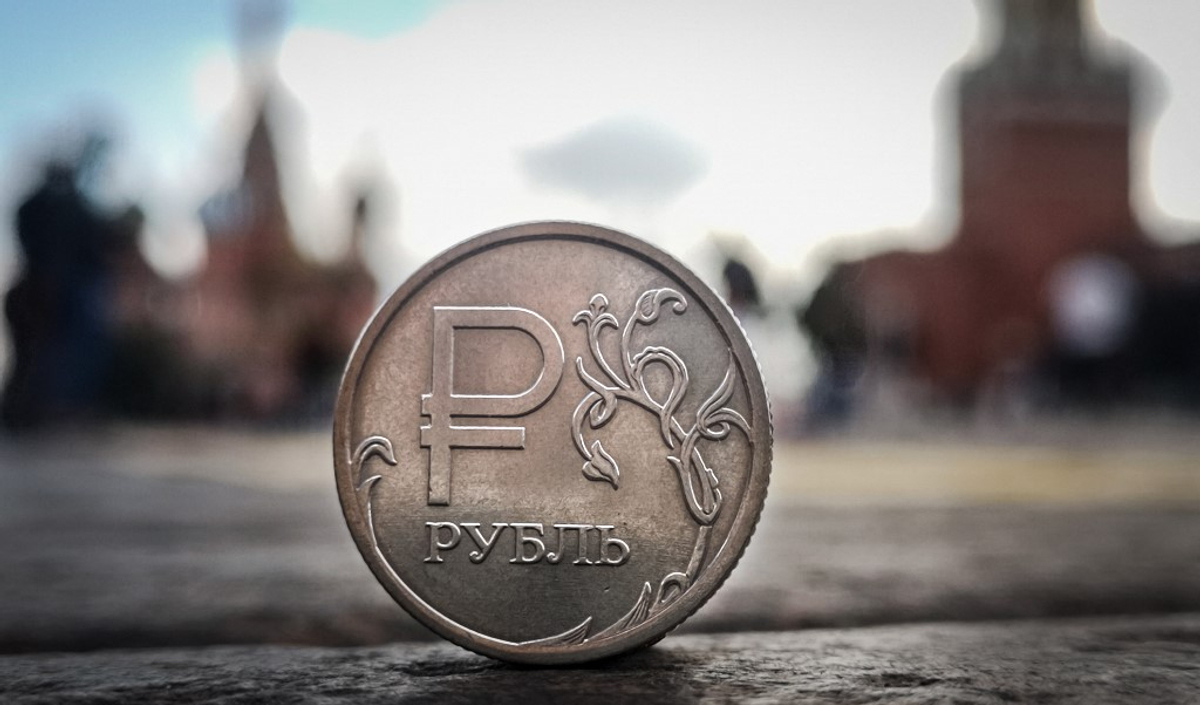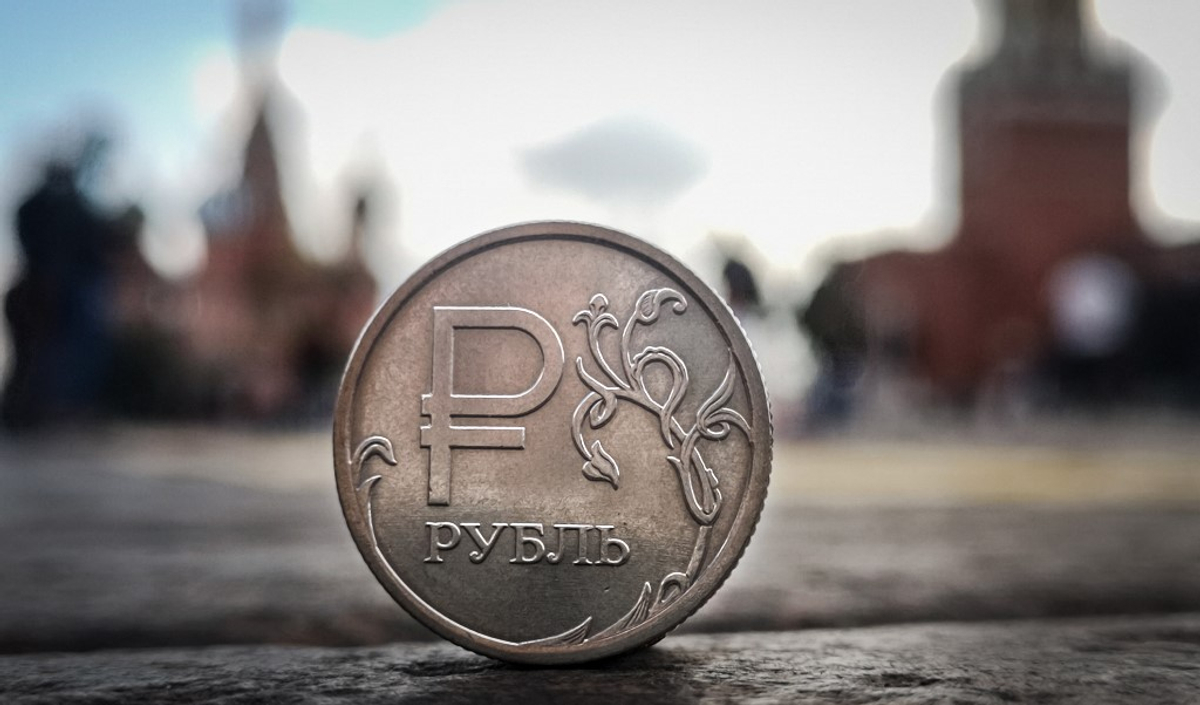
Russia’s economy is stagnating even with substantial benefits from the war in the Middle East – yet no economic analysis can determine the moment when Russia’s resources for war will be exhausted, Ukraine’s central bank, the National Bank of Ukraine (NBU) wrote in its April 2026 Inflation Report. High oil prices add funds for Russia’s war machine, expanding its capacity to finance military expenditures and scaling up the production of strike weapons that target civilians in Ukraine, but it remains the last strain that keeps Russia’s economy from budget collapse, the NBU wrote.JOIN US ON TELEGRAMFollow our coverage of the war on the @Kyivpost_official. In its April 2026 inflation report, the NBU documented how shipping insecurity in the region pushed oil buyers to pay premiums for supplies available immediately and outside conflict zones. Strait of Hormuz disruptions hand Moscow a windfall Recently, US Treasury Secretary Scott Bessent announced another allowance for countries to buy Russian oil that was previously sanctioned, the exemption is intended to help “poor and vulnerable countries” facing supply shortages after access to Gulf oil supplies was disrupted. Due to the threat to shipping security posed by the war in the Middle East, buyers are willing to overpay for oil that can be obtained immediately and from safe regions. Combat operations and shipping threats have disrupted the Strait of Hormuz, a strategic chokepoint through which approximately 25% of global seaborne oil and 20% of liquefied natural gas are transported.
Oil Windfall Is the Only Thing Keeping Russia’s Wartime Economy Afloat, Yet No One Knows When It Ends, NBU Says
Russia profits from Middle East chaos, but oil revenues mask a stagnating economy whose collapse no model can time, Ukraine’s central bank said.
836 words~4 min read