Runaway token costs and agentic sovereignty concerns are driving enterprises back to the desktop
The AI PC is being fundamentally redefined as agentic workloads push the boundaries of what local compute can deliver — and as runaway cloud token costs force enterprises to rethink where inference actually happens.
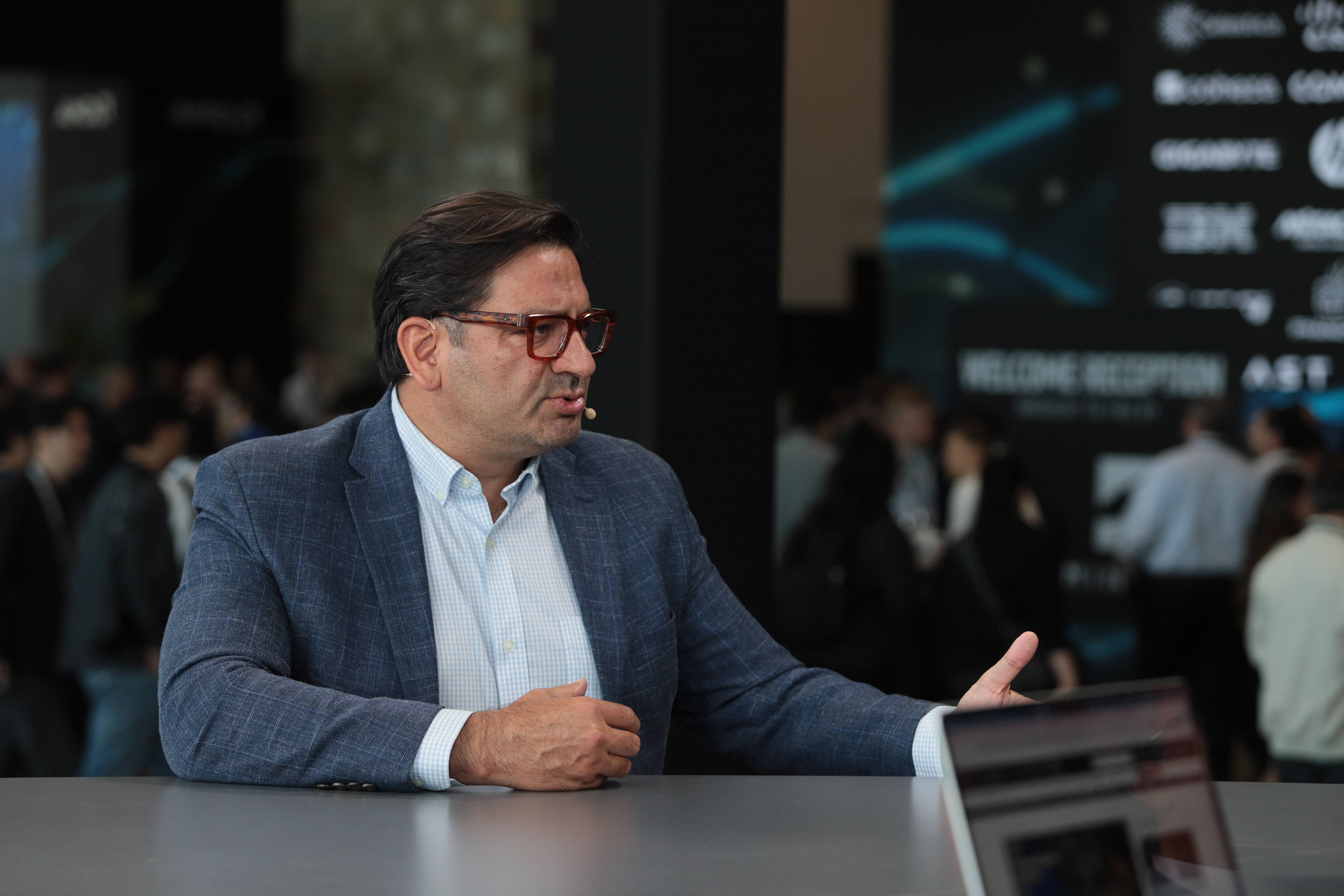
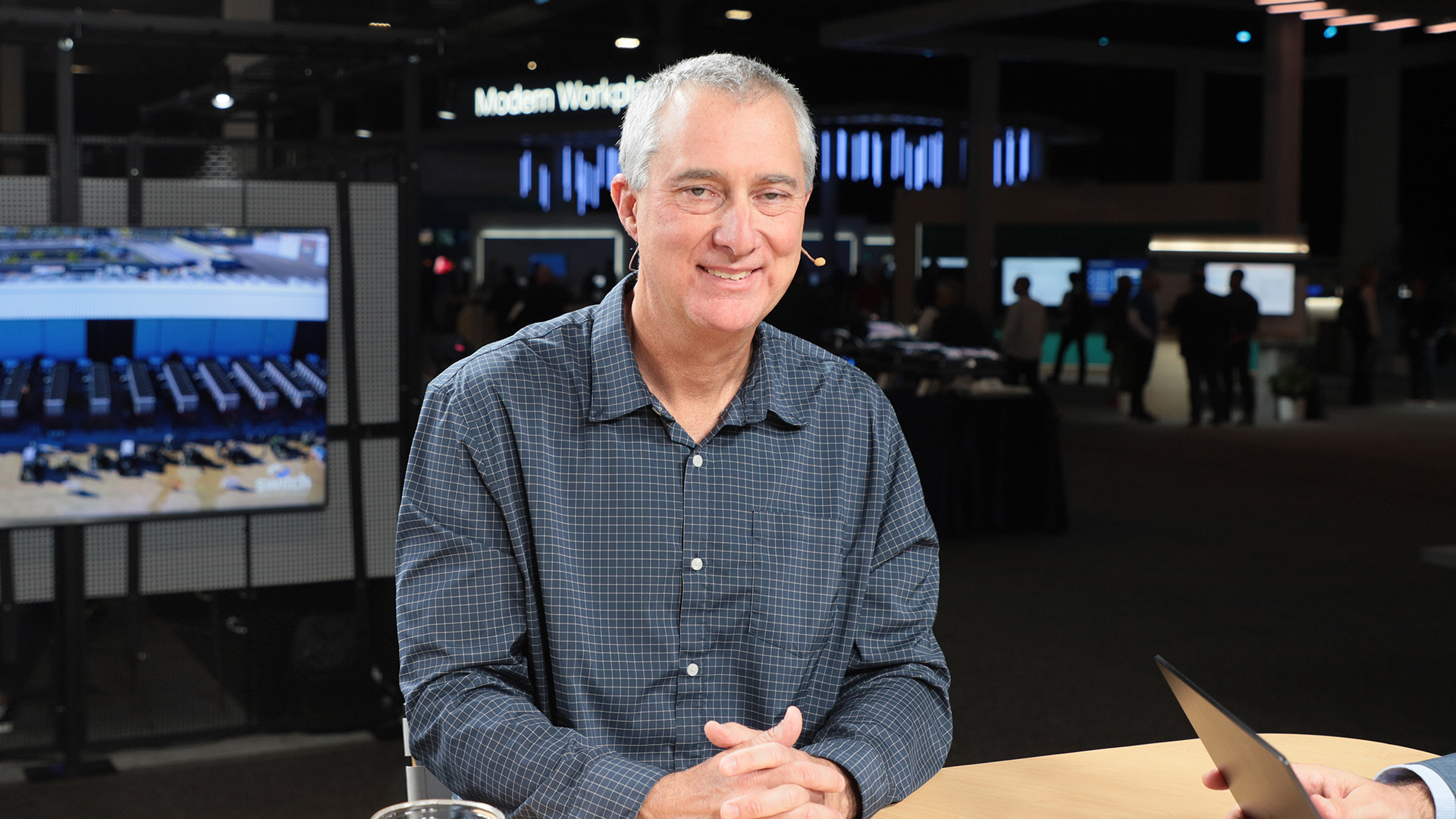
The PC’s resurgence as the ultimate AI endpoint is now in focus — an architectural reality driven by sovereignty concerns, token economics and the composable nature of agentic workflows. But the AI PC of 2026 is not comparable to the machines the industry rushed to market just a few years ago, according to Rob Bruckner (pictured), president of the commercial client solutions group at Dell Technologies Inc.
“The industry went out pretty quickly to try to get out there with a neural processing unit-based architecture,” Bruckner said. “It just didn’t have the power to bring forward a heavier workload that brings more value to the PC. [The] first thing we’re doing is overcoming the starting place of, ‘What is an AI PC?’ into, ‘Is it an AI PC still? What does the terminology mean now?’ It’s something that we have to really face with customers right now — redefine now what the value [AI] brings to the PC.”