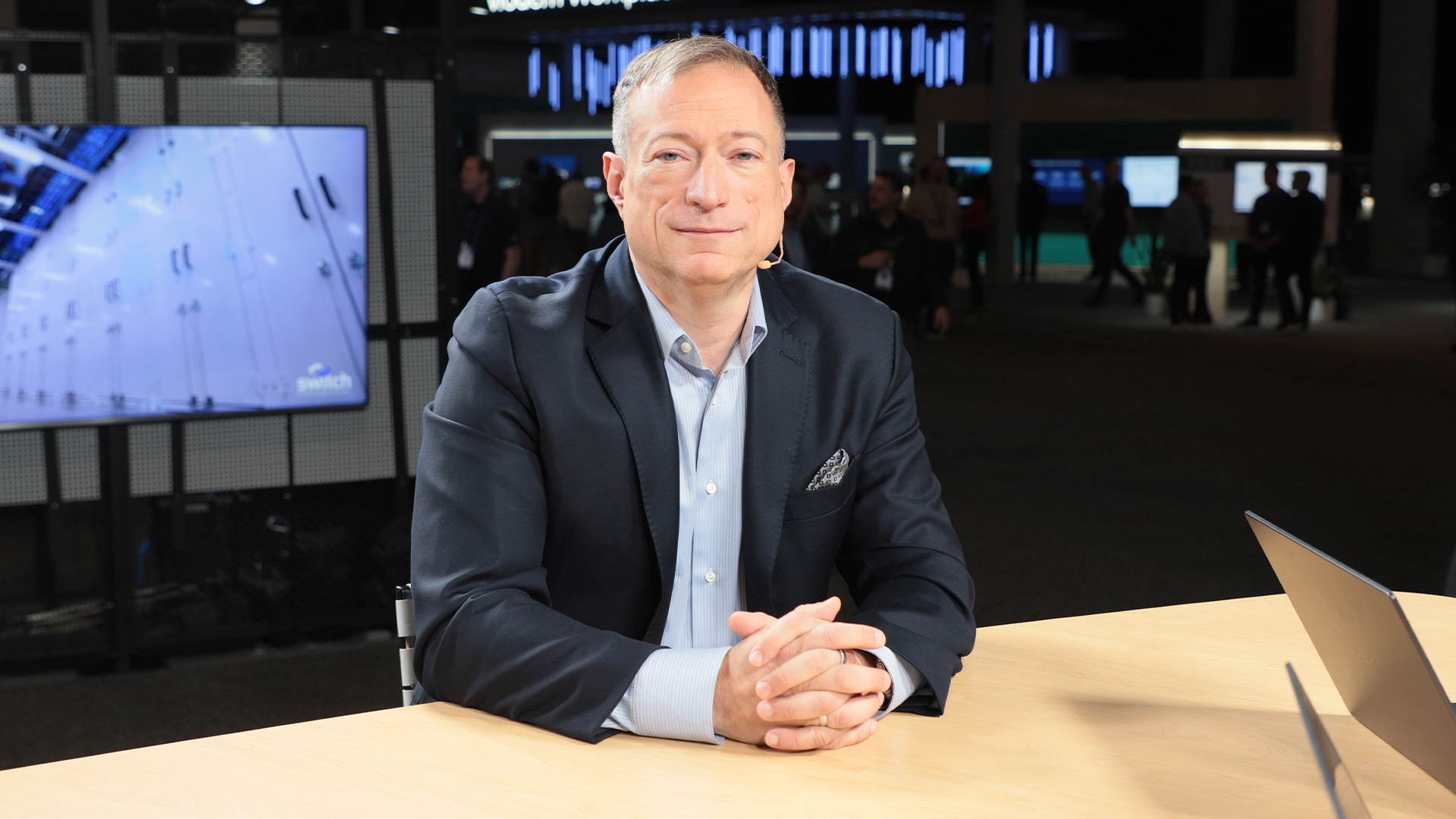
Stop bolting AI onto brownfield and start treating legacy as a feeder, not a foundation, says Dell CTO
Fully autonomous AI has crossed the threshold from concept to commercial reality, forcing enterprises to rethink the very foundation on which they run their businesses.
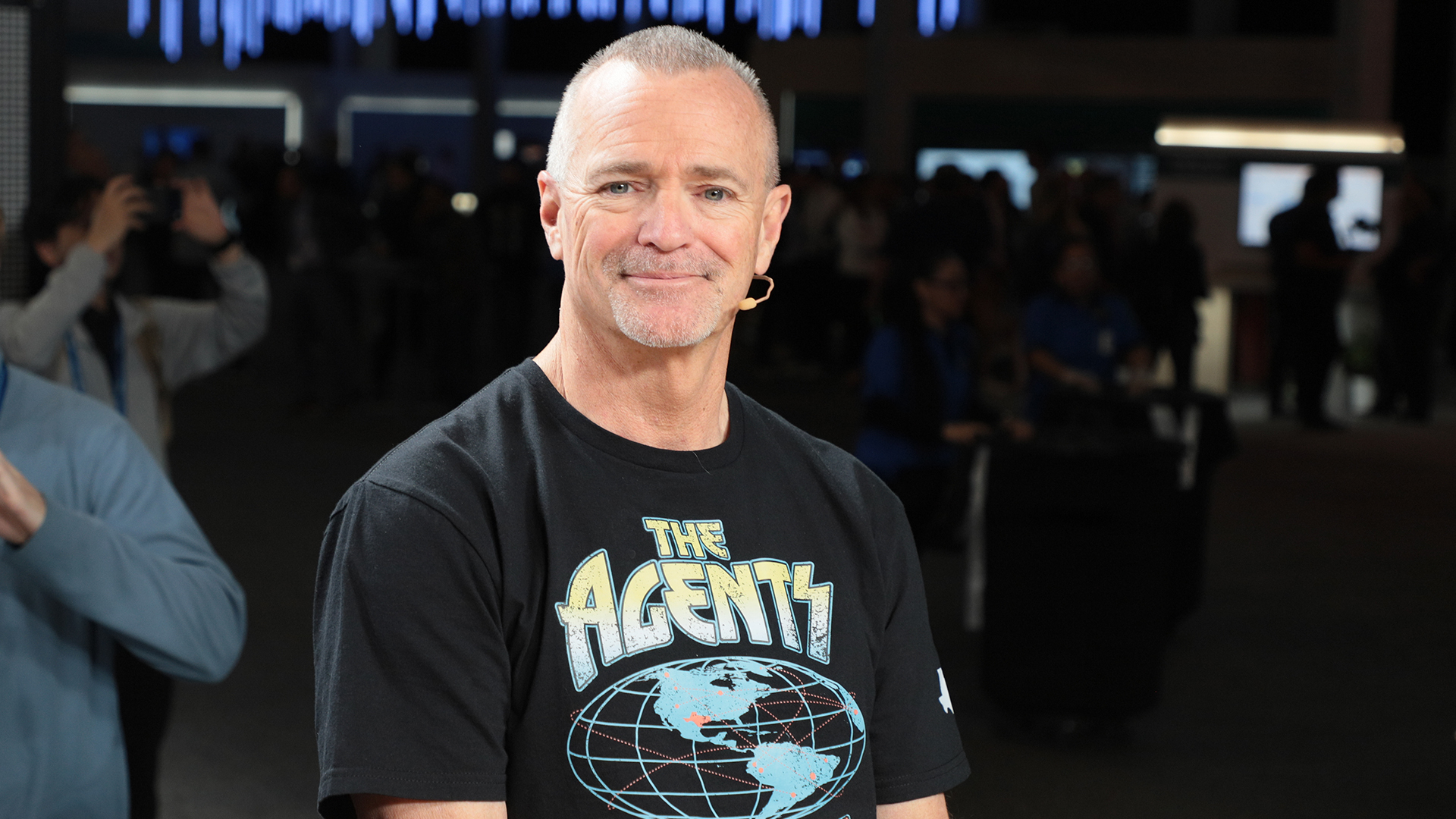
The shift is arriving faster than most organizations anticipated, bringing with it an urgent new set of economic and architectural demands. But the pressure is especially acute for enterprises that still treat legacy infrastructure as the center of their technology universe, according to John Roese (pictured), global chief technology officer and chief AI officer at Dell Technologies Inc. Now, as agentic AI moves from buzzword to board-level priority, the conversation has gone from possibility to implementation — and cost.
“I was introducing people to the word ‘agentic’ about a year ago,” Roese said. “Now we’ve realized that this idea of fully autonomous AI systems — of really shifting work into the machine layer — is now very real. At the same time … the word ‘tokennomics’ is now in our vernacular because we’ve realized that when you put these things into production at scale, the cost of different patterns of what you deploy are incredibly variable. Having a smart, intelligent way to use your hybrid infrastructure, to put the right workload in the right place to use the right model, is actually not just a nice-to-have — it’s required.”