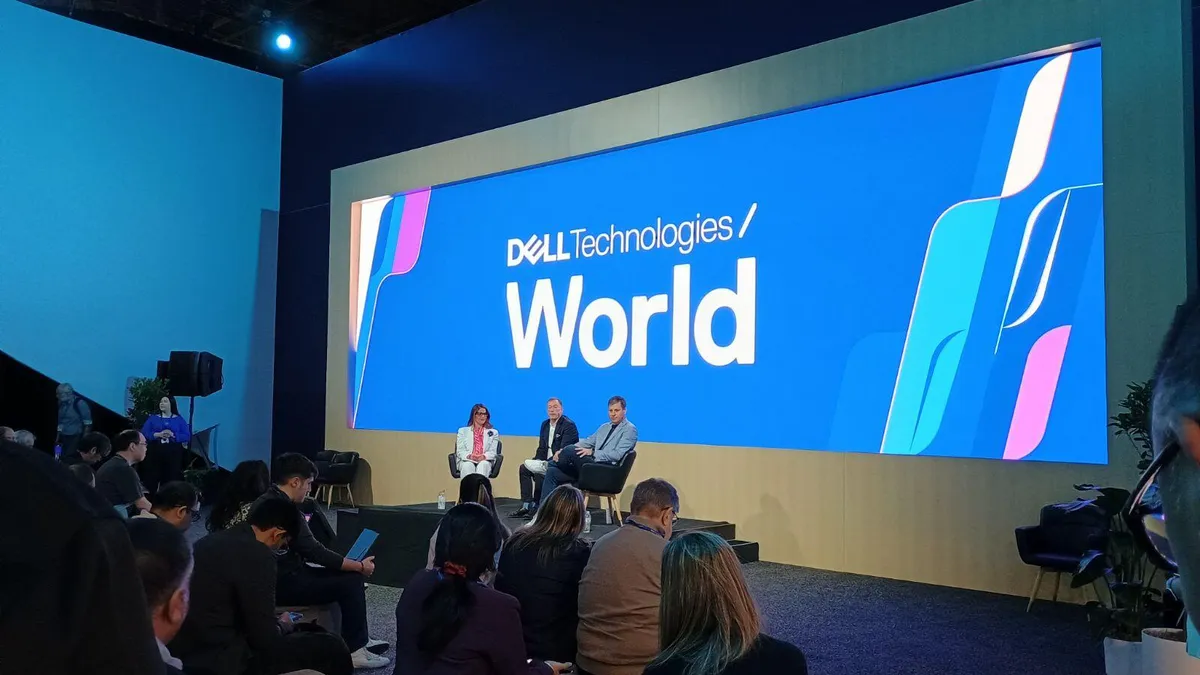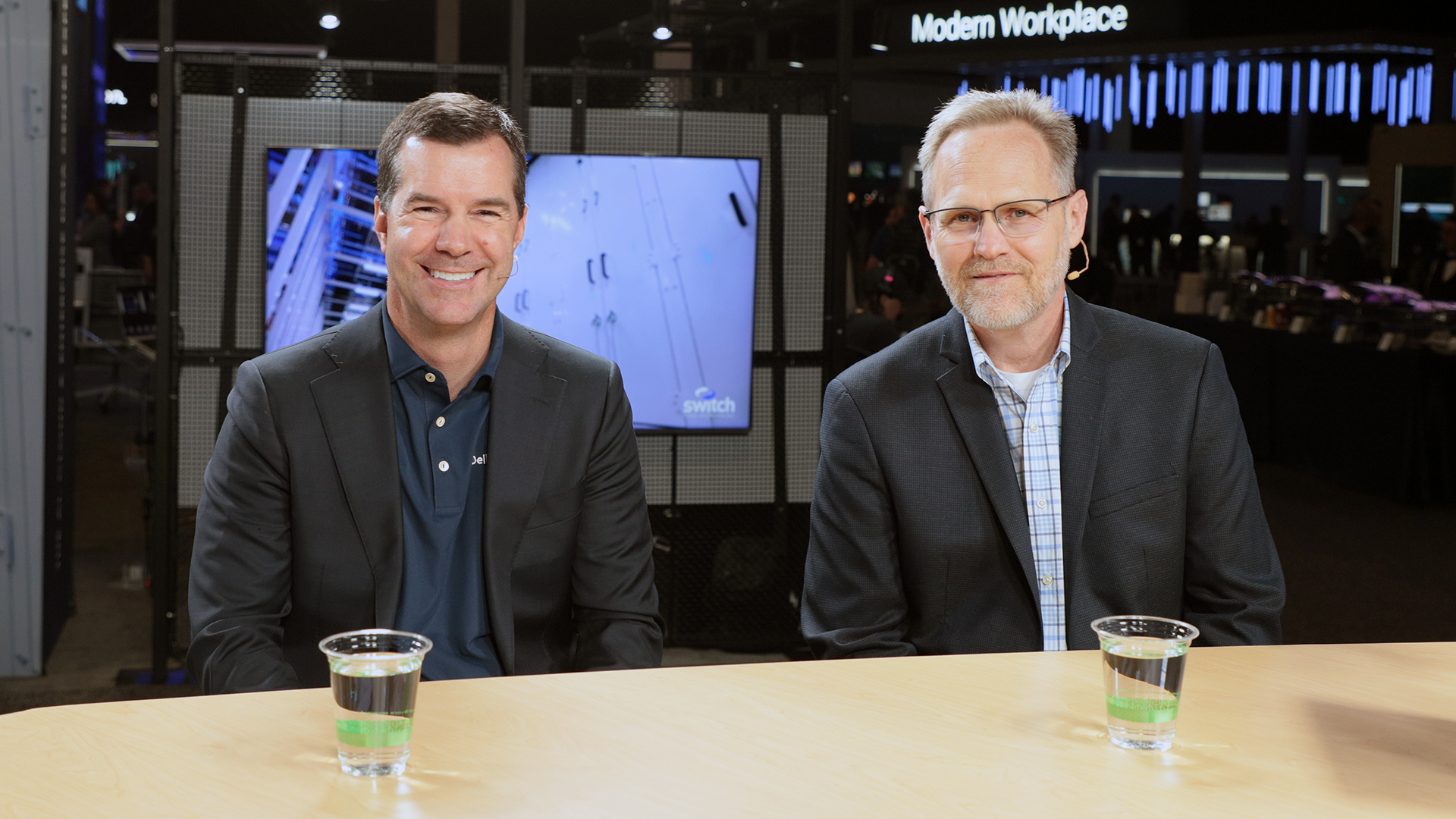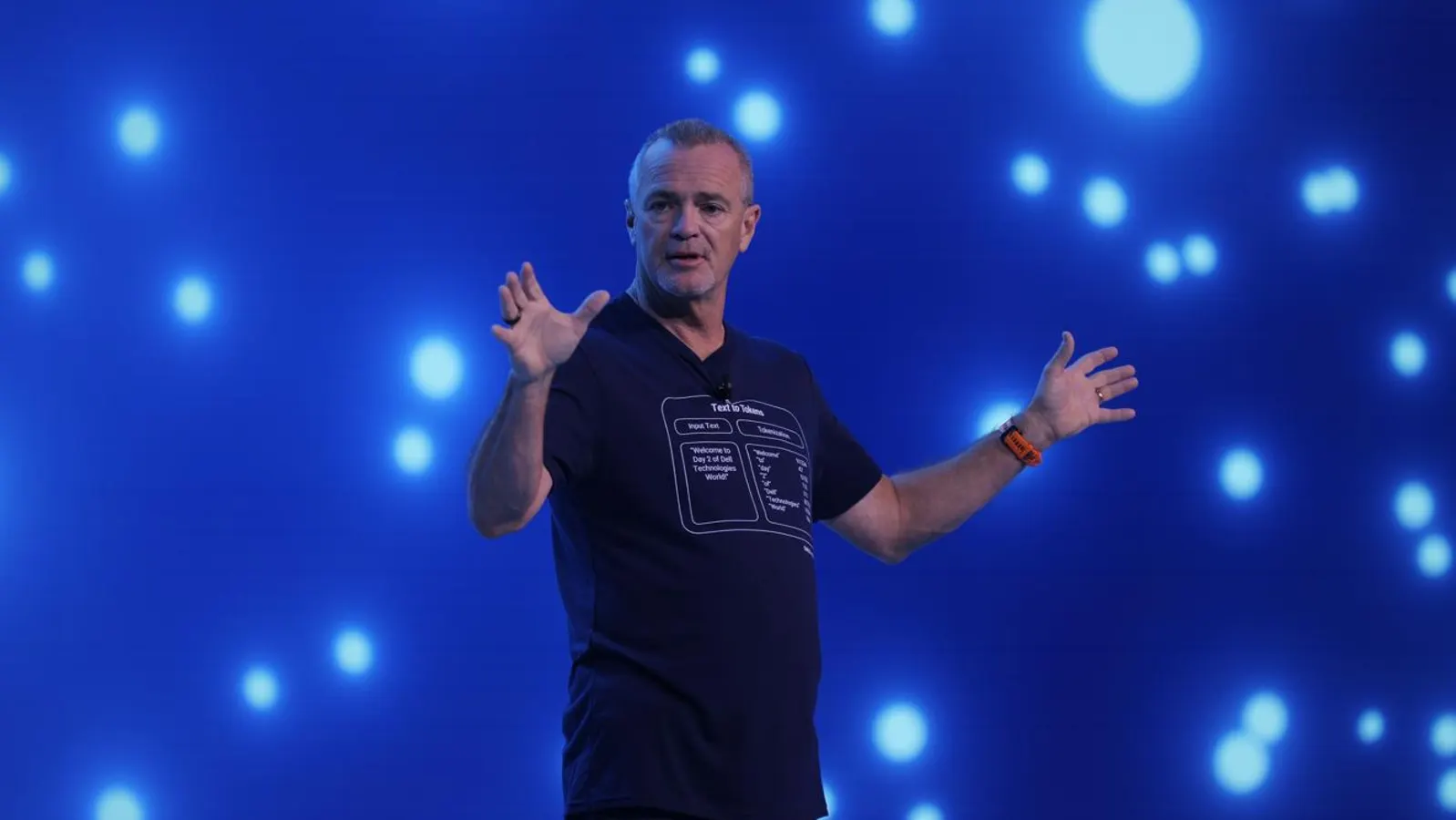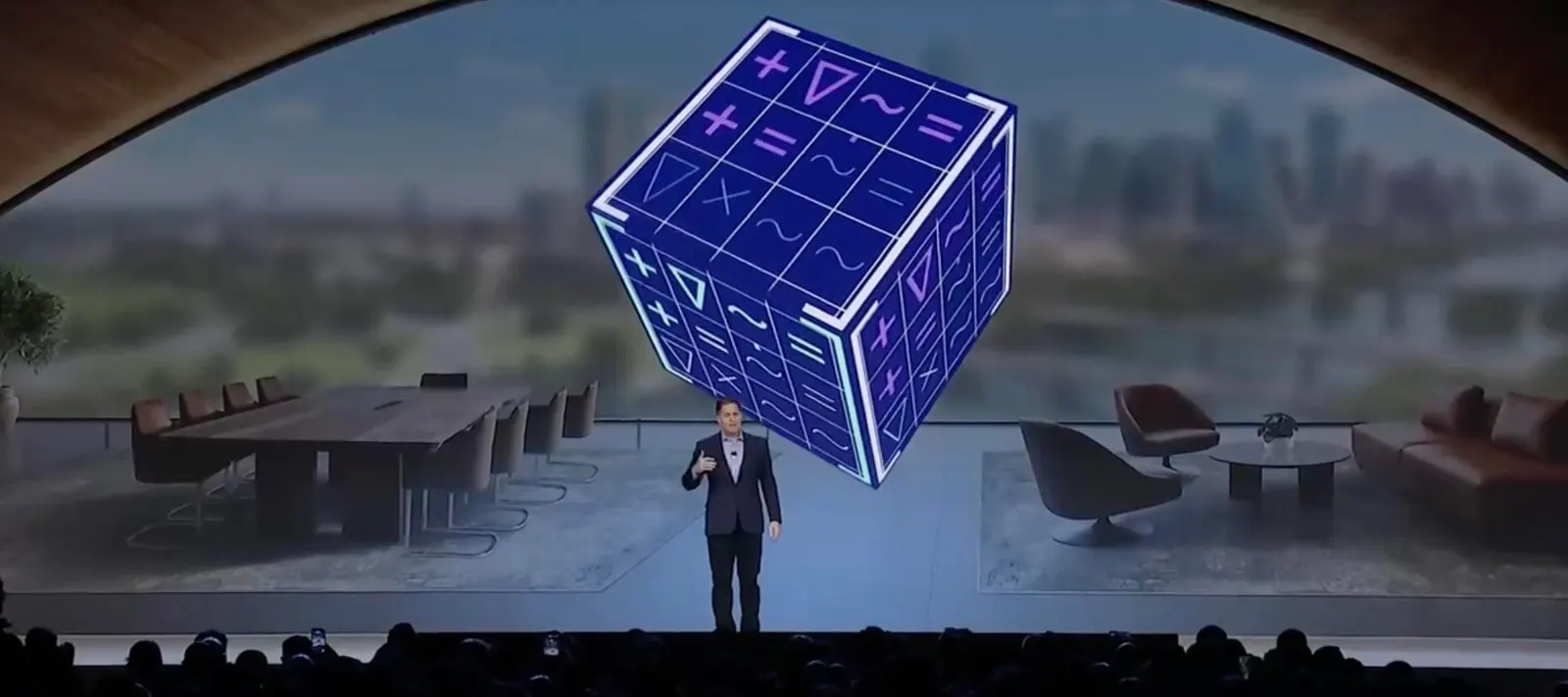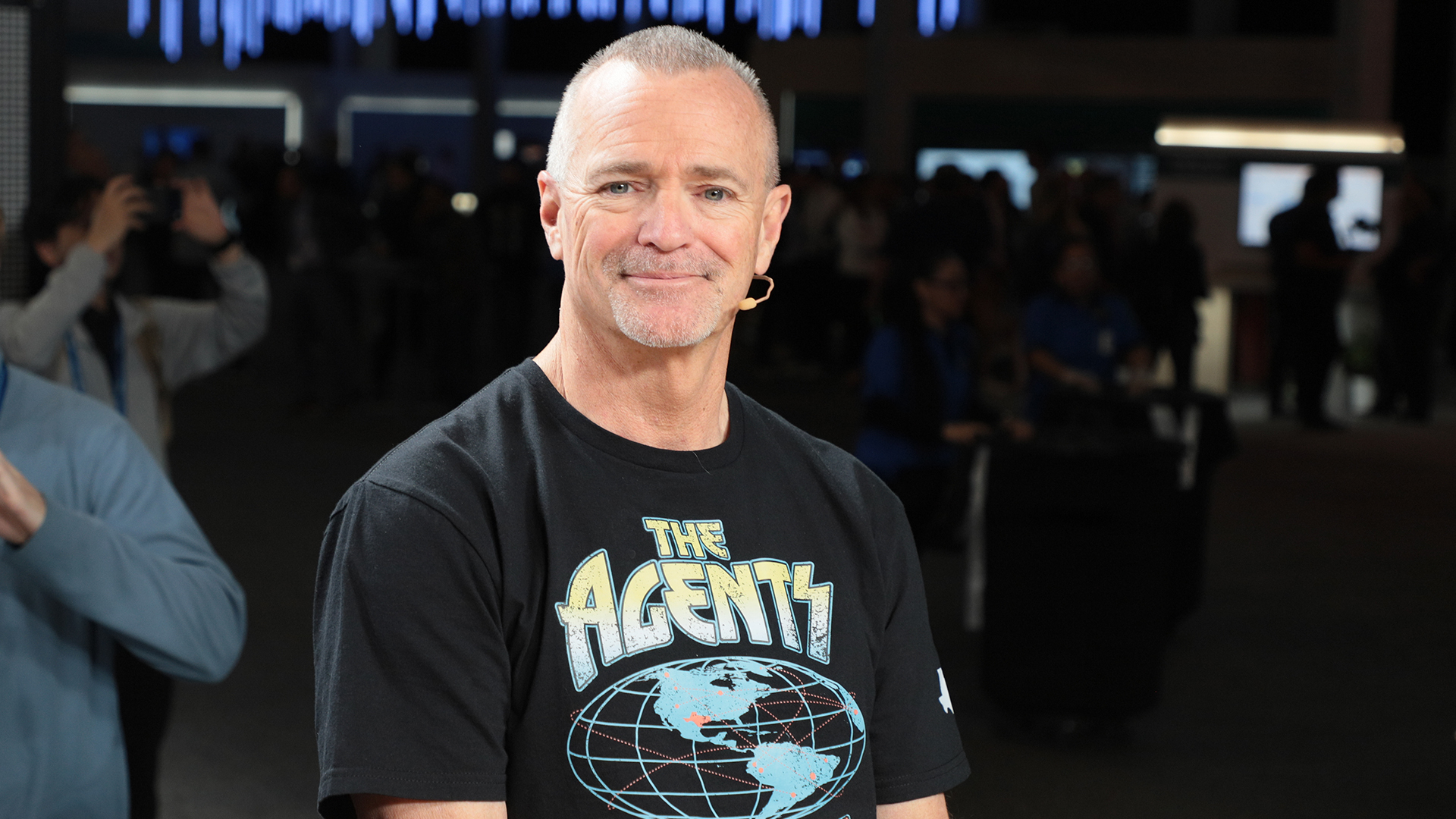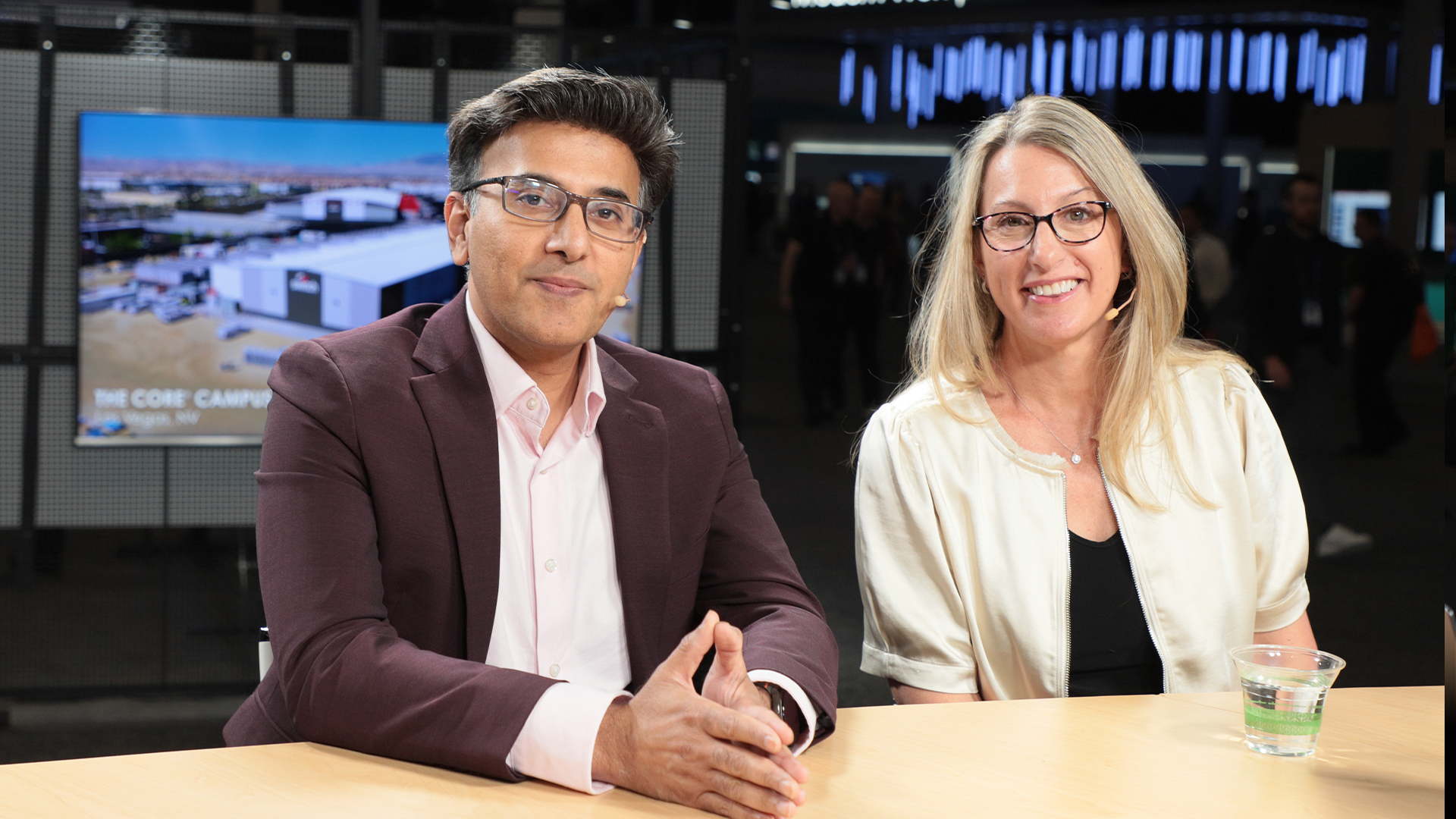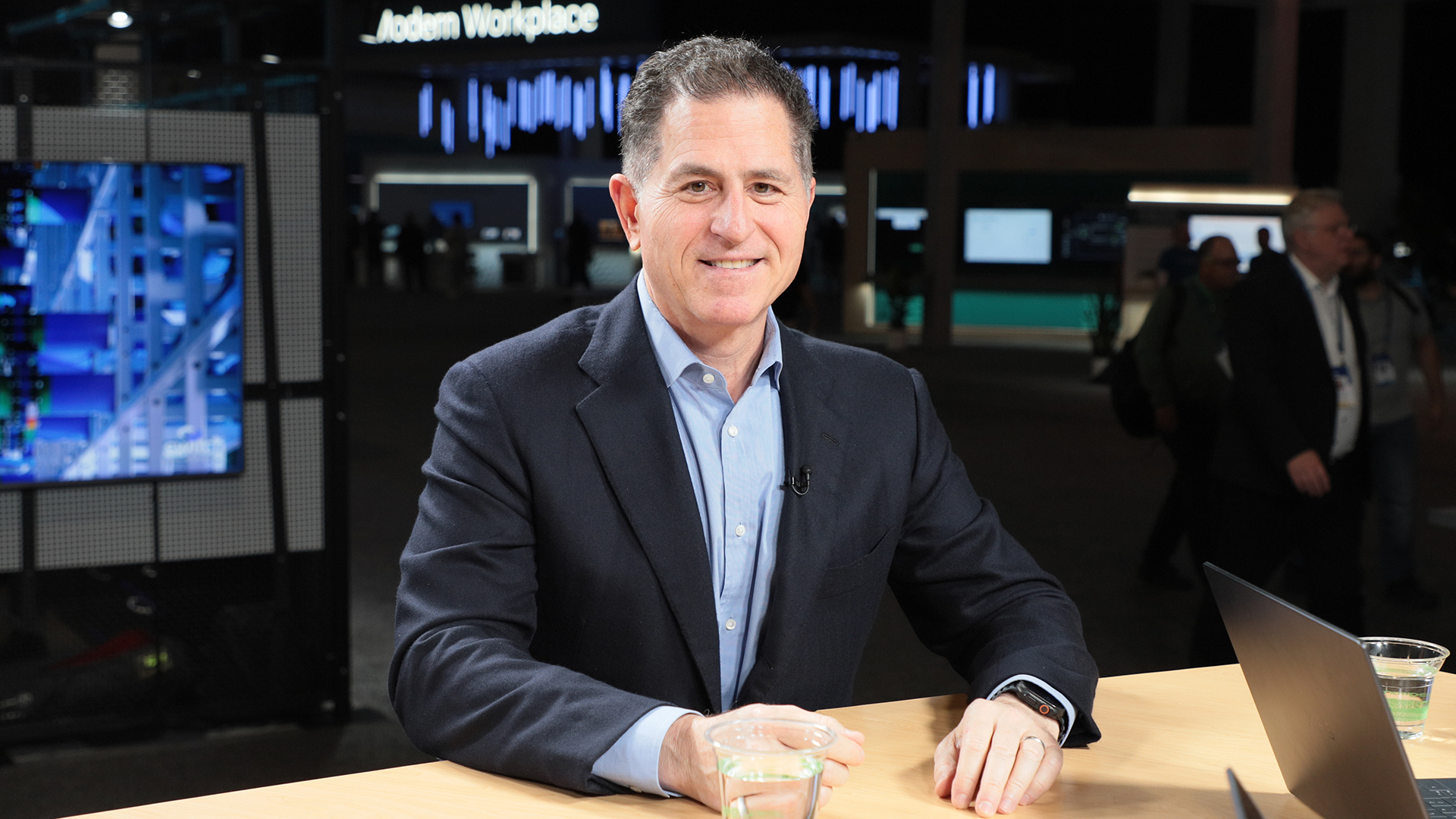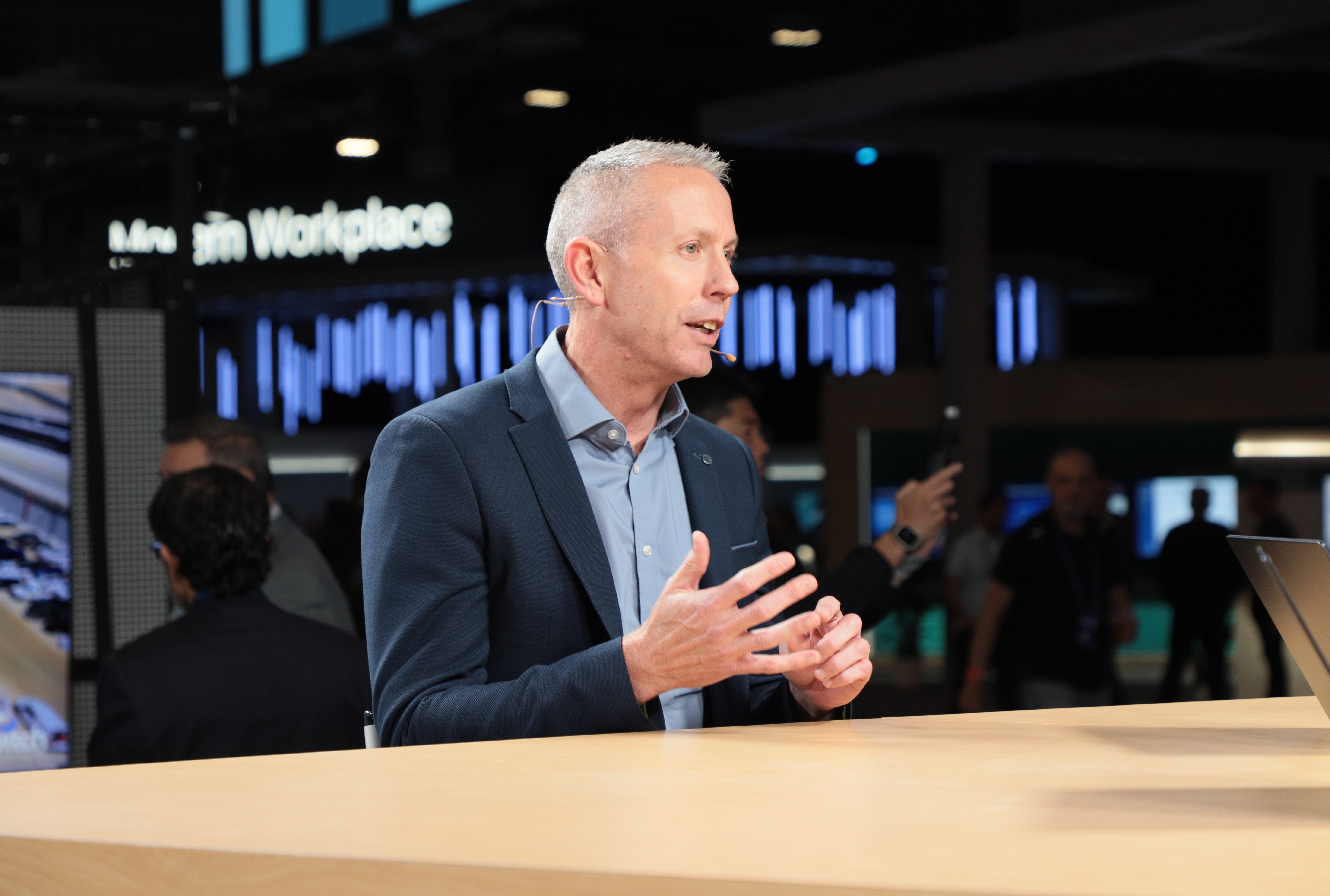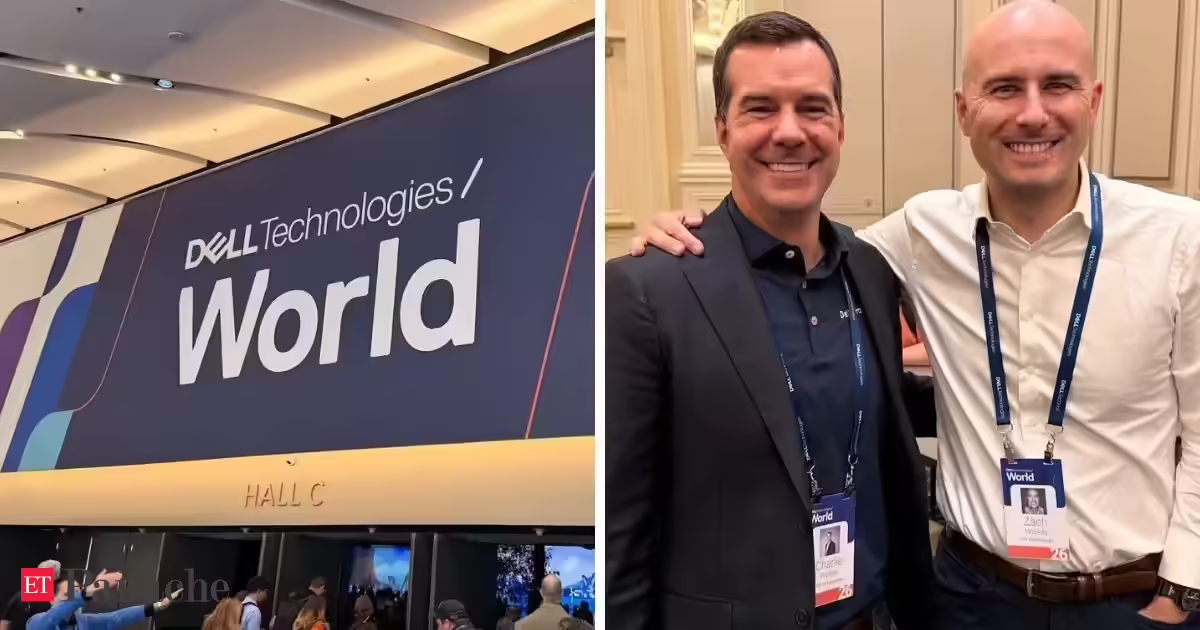
On the sidelines of Dell Technologies World 2026, we sat down with Charlie Walker, Head of Dell Pro Division, and Zack Noskey, Head of Dell Product, to understand how the AI boom is changing enterprise computing, why on-device AI matters more than ever, and whether businesses are beginning to rethink their dependence on cloud-based models.While the spotlight at the event remained firmly on massive AI infrastructure deployments and Dell’s expanding AI Factory ambitions with NVIDIA, one of the most interesting conversations revolved around something far more practical: the growing cost of AI itself.According to Dell, enterprises are already beginning to feel the financial pressure of large-scale AI adoption.“It kind of starts to all come down to token spend,” Walker explained during the conversation. “A lot of enterprise customers are starting to realise that while these frontier models are incredibly performant, they are also really expensive.”That single statement perhaps captures the next phase of the AI race better than any keynote presentation.AI is no longer just about performanceFor the last two years, the AI conversation has largely been dominated by capability. Companies wanted the biggest models, the fastest responses and the most advanced reasoning systems available. But Dell believes the market is beginning to mature.Businesses are now asking:Which workloads actually need a frontier AI model?Which tasks can run locally?How much cloud inference is financially sustainable?Can AI PCs reduce long-term operational costs?Walker said many organisations are discovering that their yearly AI token budgets are being exhausted far earlier than expected, forcing them to reconsider how AI workloads are distributed.That is where Dell sees on-device AI becoming increasingly important.Instead of sending every request to the cloud, enterprises are beginning to explore hybrid environments where smaller AI tasks run directly on AI PCs, while larger and more complex workloads continue to rely on cloud infrastructure.The goal is not to replace cloud AI entirely. It is to reduce unnecessary dependency on it.Dell believes hybrid AI is the futureThroughout the discussion, both executives repeatedly referenced the idea of “hybrid AI”, a phrase that also appeared prominently during Michael Dell’s keynote earlier in the day.The concept is simple:Use local AI wherever possibleUse cloud AI where necessaryOptimise cost, latency and efficiency togetherDell argues that this approach not only reduces operational costs, but also improves responsiveness and data control for enterprises.Interestingly, the discussion also touched on sustainability. As AI data centres continue to consume increasing amounts of energy and water, the argument for local AI processing is becoming stronger.The user raised concerns about environmental strain caused by excessive cloud usage, and Dell acknowledged that on-device AI could play a role in reducing that burden over time.Security challenges are changing in the AI eraAnother major theme from the conversation was security.According to Dell, AI PCs do not fundamentally change the company’s security philosophy, but they do introduce new attack surfaces and workflow challenges.Walker pointed to Dell’s existing enterprise security stack, including trusted device architecture, credential isolation and secure component verification, as examples of protections that continue to evolve for the AI era.“The solutions remain the same, but the applications are different,” he said.That statement reflects a broader shift happening across enterprise computing. AI is changing how systems are used, what data flows through them and how workloads behave, but companies are still relying on the same foundational security principles to protect devices and infrastructure.AI infrastructure support is becoming more consultativeOne of the more revealing parts of the conversation involved Dell’s approach to servicing enterprise AI infrastructure.Supporting a traditional enterprise laptop deployment is vastly different from supporting a full AI rack deployment running agentic AI workflows.According to Dell, enterprise AI support is becoming far more consultative.Instead of simply deploying hardware, companies now need help understanding:Which AI workloads should run locally?Which models are appropriate for different tasksHow infrastructure should scaleHow to maintain uptime for AI operationsDell says this shift is changing the nature of enterprise partnerships entirely.The company increasingly sees itself not just as a hardware provider, but as an infrastructure and workflow partner helping enterprises navigate AI adoption.Google Book and the Android ecosystem pushThe conversation also briefly shifted toward Google’s newly announced Google Book initiative and the future of Chromebooks.Dell confirmed that Chromebooks continue to perform strongly in North America’s education market, particularly in K-12 deployments, where ChromeOS devices reportedly account for a significant share of student hardware.However, Google Book appears to target a very different audience.According to Dell, Google’s bigger ambition is to create deeper integration across the Android ecosystem, allowing smartphones, laptops, tablets and wearables to function more cohesively.The executives described Google Book as an attempt to create the kind of seamless ecosystem experience that users traditionally associate with Apple devices.Enterprises may not commit to a single AI modelPerhaps one of the most future-facing parts of the discussion revolved around AI model preference.Dell does not believe enterprises will standardise around a single AI provider.Instead, the company expects businesses to adopt multiple AI systems simultaneously depending on:CostPerformanceComplianceUse caseLatency requirementsThat could mean organisations using different models from companies like OpenAI, Anthropic and Google within the same workflow stack.Dell also suggested that many enterprises may eventually develop their own orchestration layers to manage these AI systems internally.Dell does not believe AI will reduce demand for enterprise PCsWhen asked whether AI-driven automation could eventually reduce commercial PC demand by replacing large operational workforces, Dell pushed back against the idea.The executives compared today’s AI transition to the industrial revolution, arguing that jobs will evolve rather than disappear entirely.Instead of replacing people outright, Dell believes AI agents will remove repetitive operational bottlenecks and allow employees to focus on higher-value tasks.“People are really the glue that passes data out,” one executive explained, describing how AI agents could automate repetitive workflow handoffs between teams.From Dell’s perspective, AI is less about reducing work and more about changing the type of work people do.And if the conversation at Dell Tech World 2026 made one thing clear, it is that the next battle in AI may no longer be about who has the smartest model, but who can make AI economically sustainable at scale.
Exclusive: Inside Dell Tech World 2026, the real AI problem isn’t performance, it’s cost
Dell executives highlight the rising expense of artificial intelligence (AI). Enterprises are now exploring hybrid AI, using local processing on AI PCs for smaller tasks and the cloud for complex ones. This approach aims to reduce costs and improve responsiveness. Dell believes this shift will redefine enterprise computing and AI infrastructure support.
1,004 words~5 min read