By
Nia Prater,
Intelligencer staff writer, who covers New York politics
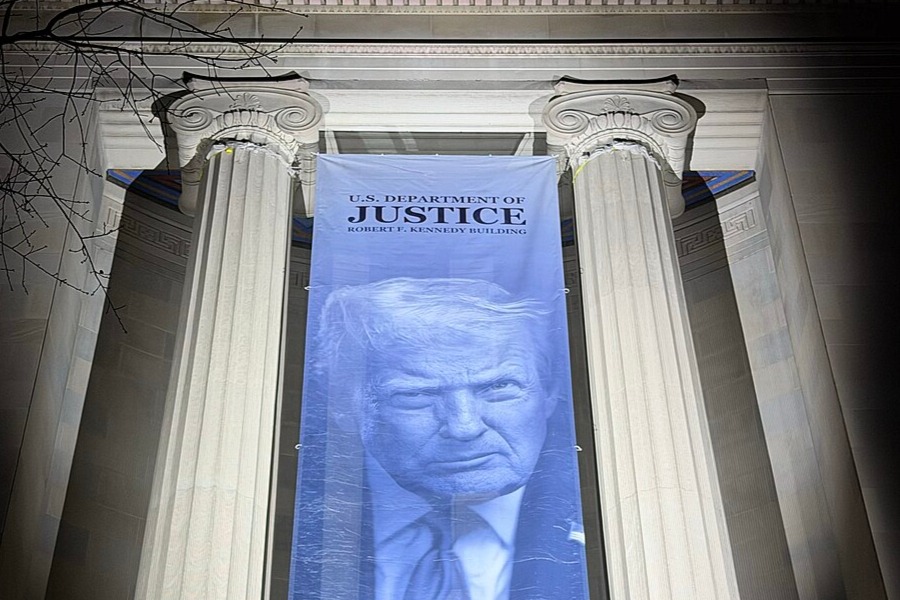
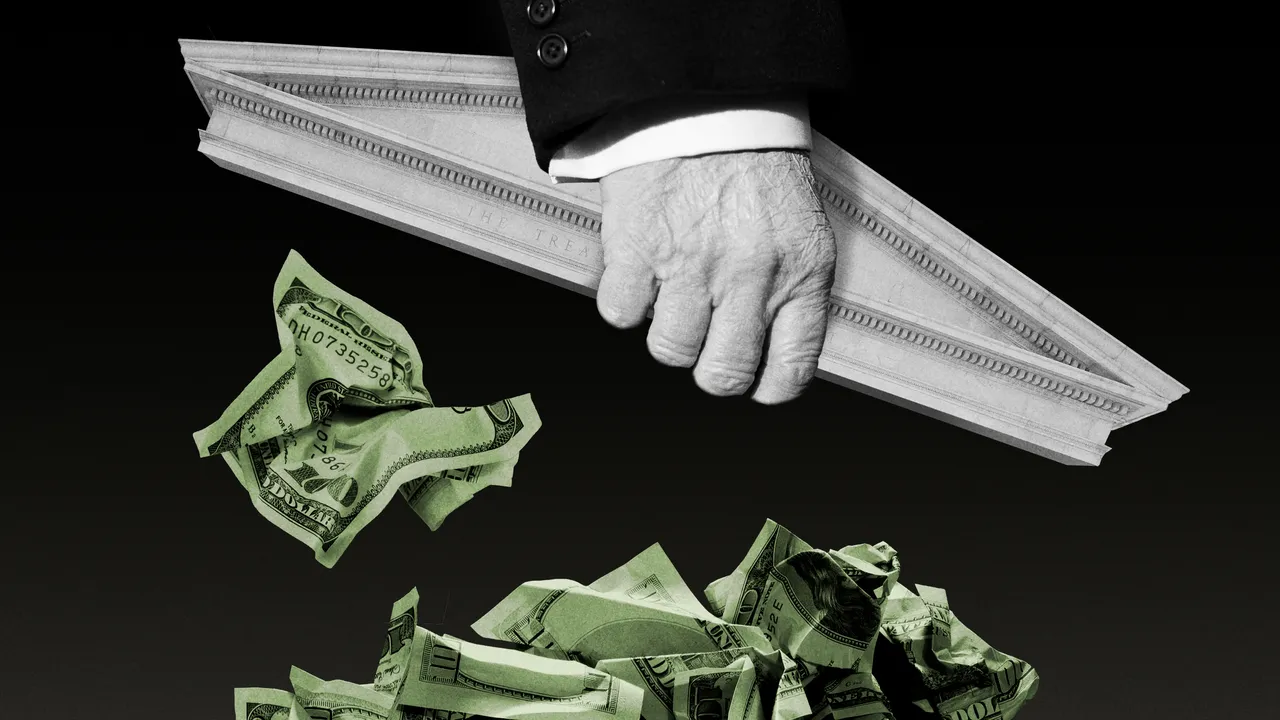
This week, the Justice Department announced that President Trump intended to settle his unprecedented $10 billion lawsuit against the U.S. Treasury and Internal Revenue Service with an equally unprecedented agreement. The deal mandates the creation of a nearly $1.8 billion Anti-Weaponization Fund intended to use taxpayer dollars to redress alleged claims of “lawfare.” There is widespread concern that claims would likely be filed by Trump allies and even January 6 rioters, something the Justice Department did not rule out. The fund quickly prompted intense political pushback, including among Republican senators, to the point that it helped derail a planned vote on a spending bill on Thursday.
It also gave rapid rise to legal challenges. On Wednesday, officers who fended off rioters on January 6 filed the first lawsuit to block the fund. And 93 House Democrats, represented by former New Jersey attorney general Matt Platkin and his firm, Platkin LLP, filed an amicus brief challenging the settlement as unconstitutional. But will this be enough to block payments from going out? I spoke with Platkin about the legal recourse to the Trump administration’s brazen new plan.