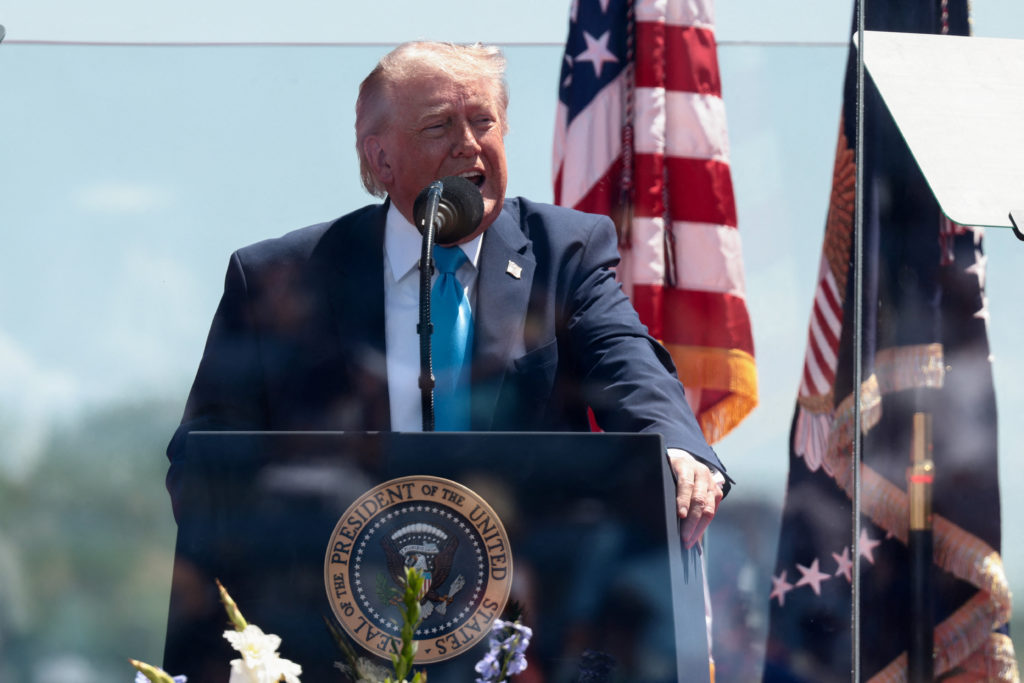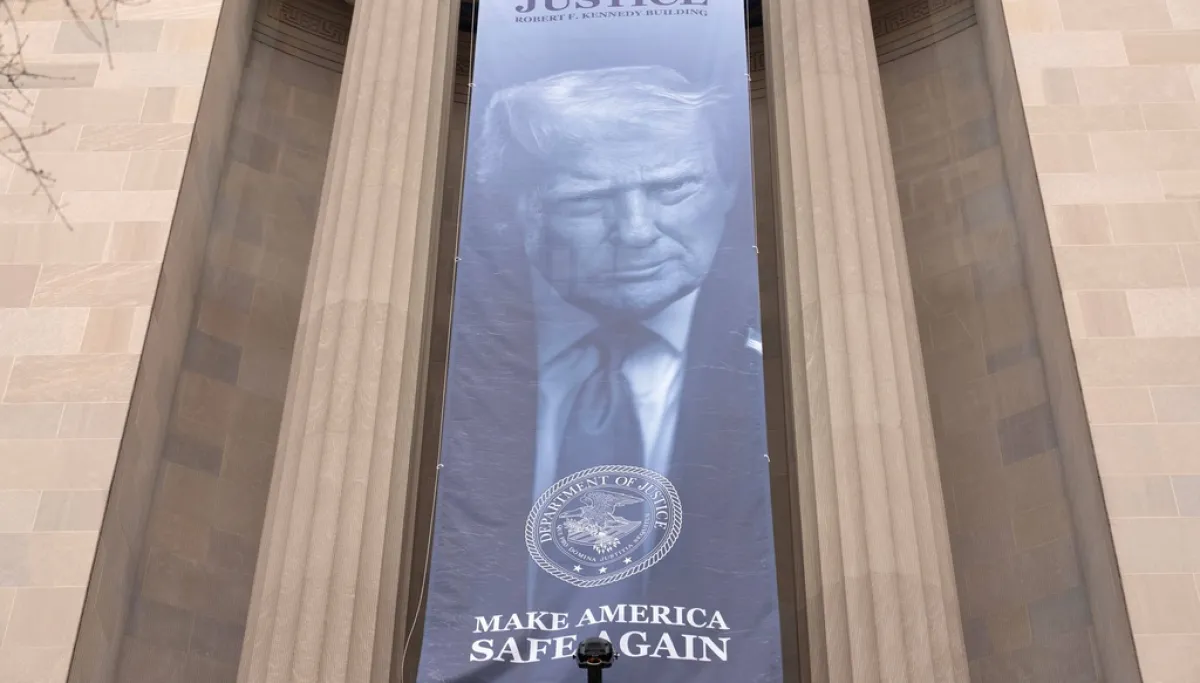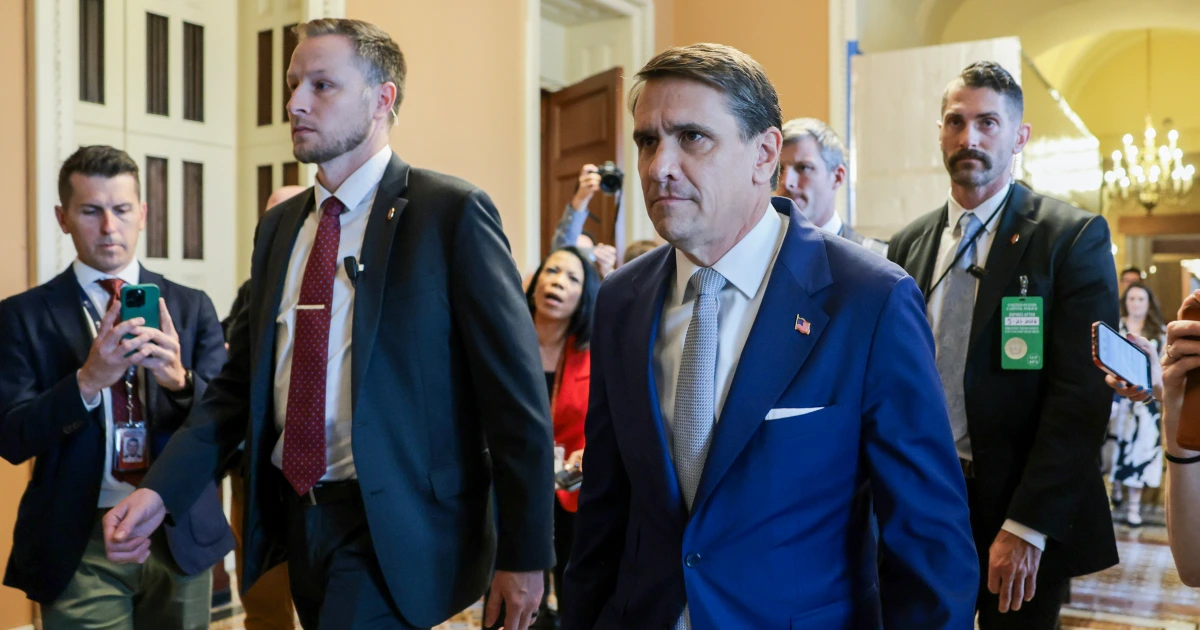
Washington — The Justice Department's new $1.776 billion fund to provide payouts to people alleging the legal system was "weaponized" against them was met with immediate scrutiny and questions surrounding its legality, enforcement and implementation.The Justice Department has said that there are no "partisan requirements" to seek compensation, but if its past settlements and actions and statements from lawyers and communications professionals are any indication, it's likely that President Trump's highest-profile supporters and allies may stand to benefit. The fund was established as part of a settlement agreement between Mr. Trump and the Internal Revenue Service to end a civil lawsuit he and his sons filed in January over the leak of his tax returns by an independent contractor. Dubbed the anti-weaponization fund, the program aims to "provide a systematic process to hear and redress claims of others who suffered weaponization and lawfare."The "anti-weaponization" program is set to receive nearly $1.8 billion from the Judgment Fund, which was set up by Congress in 1956 to pay court judgments and settlements of lawsuits against the government. When the Judgment Fund was first created, it was limited to judgments for claims of up to $100,000, but in the mid-1970s, Congress removed the cap. Neither the Justice Department nor the White House has specified the criteria for who would be eligible for an award from the new fund or whether there would be a cap on payouts. The terms of the settlement agreement between Mr. Trump and his administration state that the fund is to be composed of five members, with four members appointed by Acting Attorney General Todd Blanche and one chosen in consultation with congressional leadership.Blanche said at a Senate hearing Tuesday that the five-member commission overseeing the fund's board would supply information on who can receive relief and how much.The fund drew swift condemnation from ethics groups and lawmakers on Capitol Hill. Citizens for Responsibility and Ethics in Washington, a government accountability group, said in a statement that Mr. Trump's settlement with his administration amounted to the "most brazen act of self-dealing in the history of the presidency," and argued it likely violated the Constitution's Domestic Emoluments Clause.
Is Trump's $1.7+ billion "anti-weaponization fund" legal? Experts weigh in.
The new fund to provide payouts to those who say the legal system was "weaponized" against them raised immediate questions about its legality, implementation and enforcement.
1,693 words~8 min read