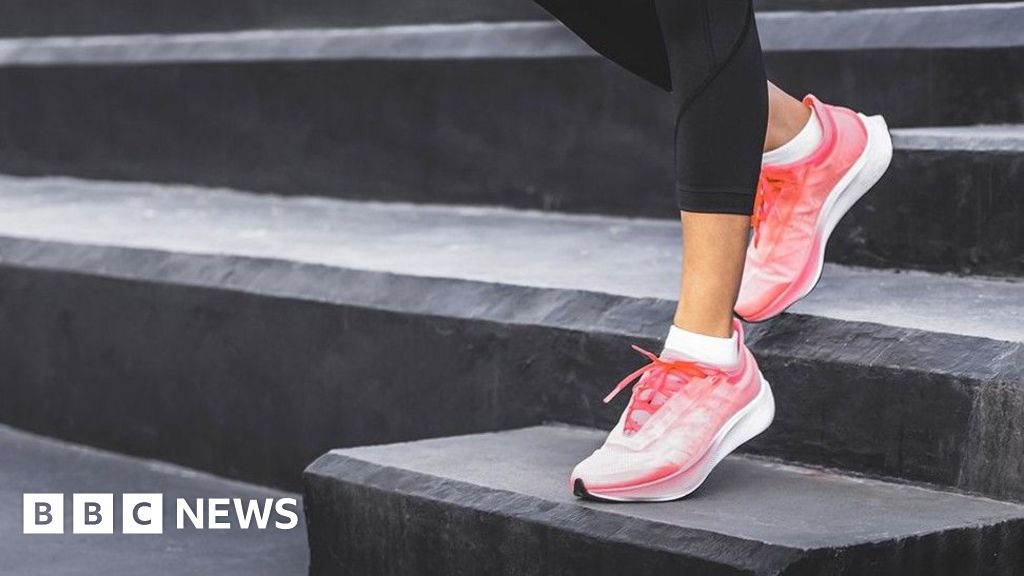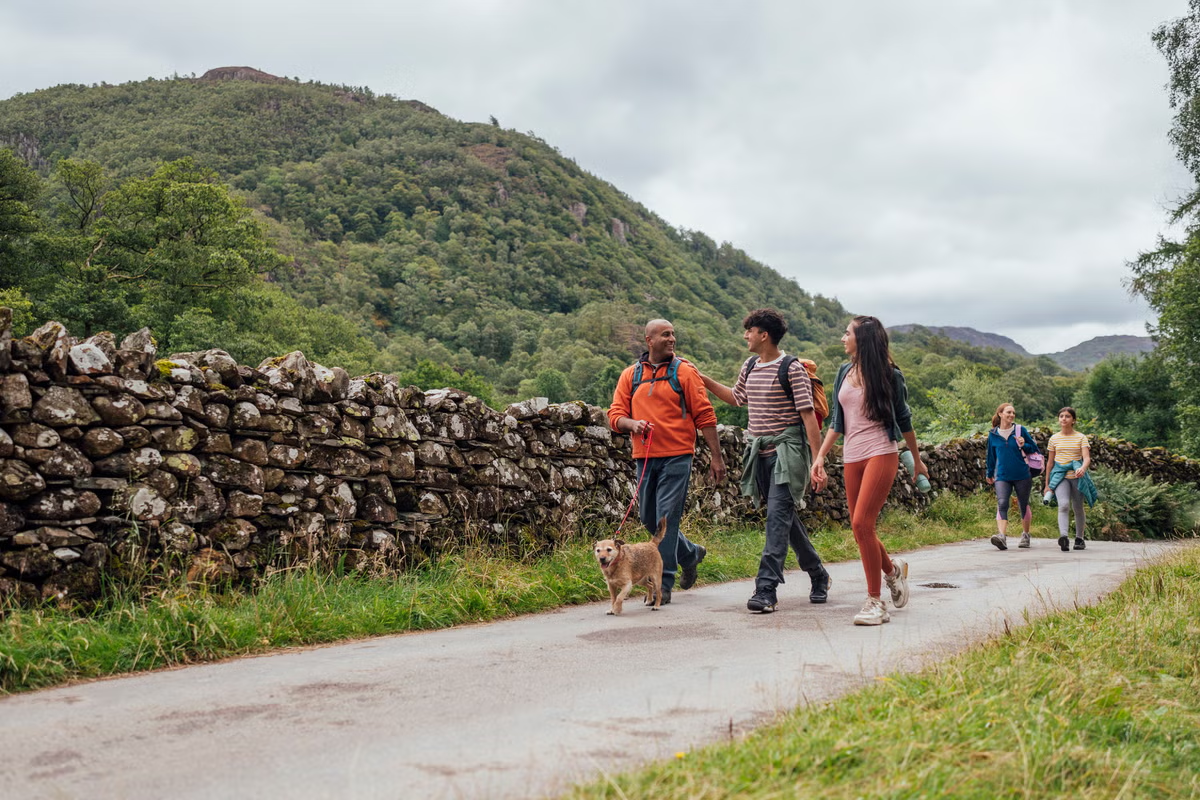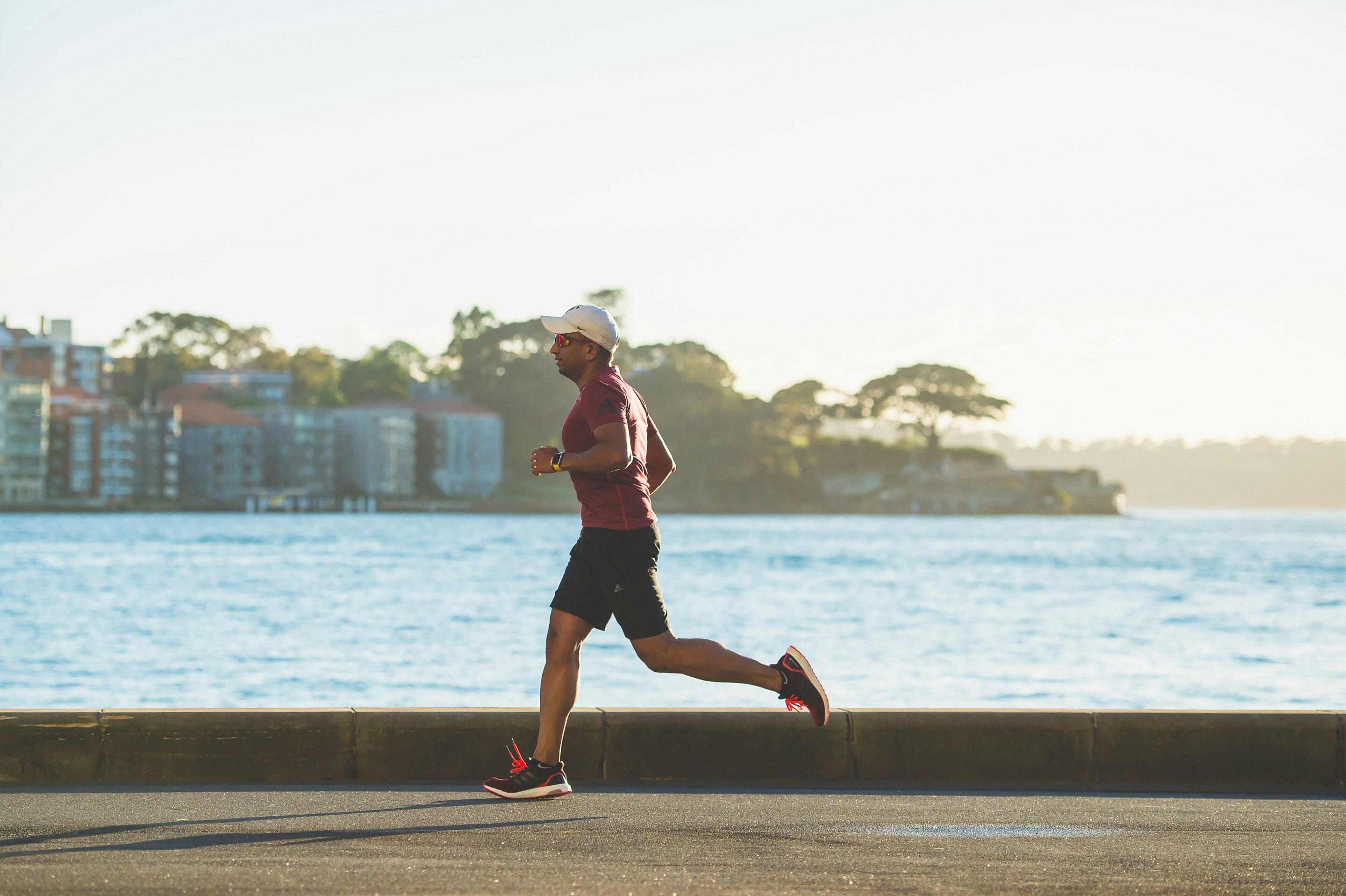
A poll of 2,000 adults found that nearly half believe the 'ideal' daily step target is between 8,000 and 11,000 steps – but an Olympic athlete says you're thinking about it all wrongVicky Duncan15:20, 22 May 2026Brits do an average of 6,478 steps a day – but many feel guilty about it. A poll of 2,000 adults found nearly half think the "ideal" daily target is between 8,000 and 11,000 steps. As a result, four in 10 say they feel guilty about how many steps they clock up each day, with 53% not meeting the well-known 10,000-steps-a-day goal.However, The Lancet Public Health recommends a revised target of 7,000 steps a day for adults – something only 14% of those polled were aware of. Upon discovering this, 45% reported feeling more inspired to walk on a regular basis.The study was commissioned by Ordnance Survey, Britain's national mapping service. It coincides with sports scientist and former Olympic athlete Professor Greg Whyte OBE revealing the biggest blunder people make when attempting to get fit.Rather than fixating on hitting an ambitious step count, Professor Whyte recommends incorporating movement throughout the day in shorter, more manageable bursts that are easier to maintain long-term.These brief bouts of activity can include a 'walk and talk' with friends or colleagues, picking up your pace intermittently during walks, and walking up stairs instead of getting the lift or escalator.He noted that while 10,000 steps may be the gold standard, there are benefits to setting more realistic and achievable walking goals. According to the Lancet study, 7,000 steps can lower the risk of cardiovascular disease by 25%, type 2 diabetes by 14%, dementia by 38% and depressive symptoms by 22%.Teaming up with Britain's national mapping service, the former modern pentathlete scaled Yr Wyddfa (Snowdon) - the highest mountain in England and Wales - to encourage people to become more active and demonstrate that time spent outdoors, at any level, can deliver numerous positive health benefits.Considering the new 7,000-step daily target he described the national average as 'something to be proud of' but he cautioned it masks the large number of inactive people - for whom even a small increase in physical activity could have a profoundly positive impact."Time outdoors is proven to boost mental wellbeing, strengthen social connections and improve physical health," Whyte said. "Even simple hill walking works as natural strength training, increasingly important as we get older."Not everyone can climb a mountain every day the aim is to inspire people to get moving. Whether it's a short local walk or a bigger adventure like Yr Wyddfa it's a reminder of what's possible when we spend time outdoors."Nearly a third of those surveyed through OnePoll.com set themselves a daily step count goal. But only 15% consistently achieve it, as their daily schedule becomes too hectic or they get caught up with other commitments.He added that people should not be made to feel guilty about the exercise they undertake each day and should remember that 'every movement adds up over the course of a day and not get discouraged', adding, 'consistency is better than perfection'.Running errands, staying busy at work and taking part in other forms of exercise were amongst the activities contributing most to daily step counts. When looking to boost their totals, 26% said they opt for the stairs over the escalator or lift, 22% tackle household chores, and 14% deliberately park further away from their destination than needed.Those who have successfully increased their step count report feeling happier, more energetic and more in control of their weight. Twelve percent also noted feeling less irritable after upping their walking habits."The outdoors really does act like a 'green gym' and it's one that's available to all of us," said managing director of Leisure for Ordnance Survey, Nick Giles OBE.Article continues below"You don't always need a gym membership or large chunks of time, even a short walk outdoors can give people a physical and emotional lift. And that could be everything from hiking up a mountain, a gentle ramble in the countryside you're not acquainted with - or just walking instead of getting the bus."You don't need big daily targets. If we can help people move a little more, a little more often, the impact on national wellbeing could be immense."
Olympian reveals 1 mistake people make when trying to boost daily step count
A poll of 2,000 adults found that nearly half believe the 'ideal' daily step target is between 8,000 and 11,000 steps – but an Olympic athlete says you're thinking about it all wrong
711 words~3 min read