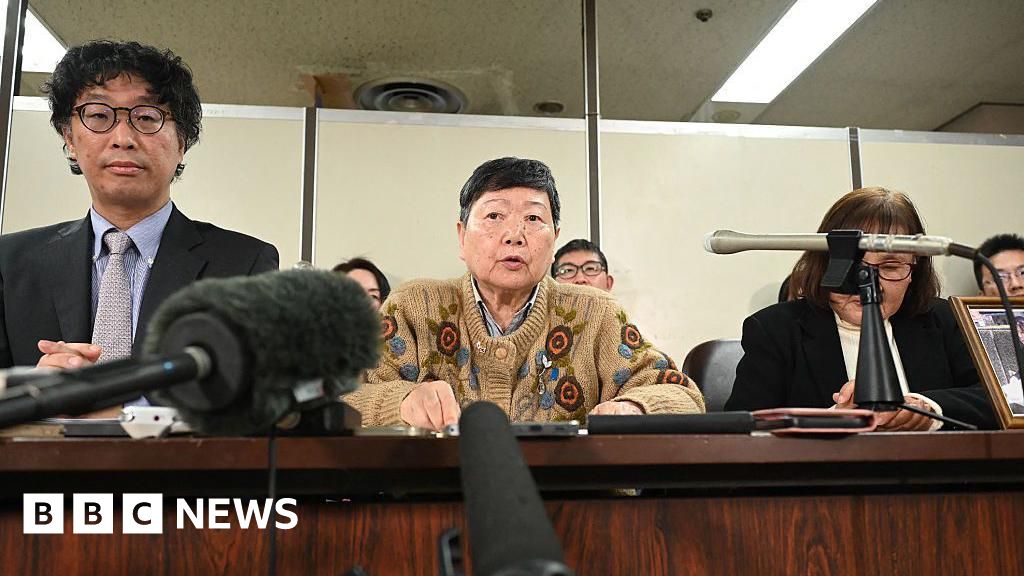
In January, the Tokyo District Court found that a tort had been committed and ordered the North Korean government to pay compensation over the repatriation project that sent ethnic Koreans in Japan to North Korea from the 1960s to the ‘80s.
The case was brought by four plaintiffs who moved to North Korea but later defected back to Japan. They expressed hope that “the ruling would help dispel the notion that escapees’ suffering was merely their own responsibility in Japanese society.” At the same time, they voiced concern for family members and acquaintances still in North Korea and renewed their hopes for improved Japan-North Korea relations.
Under the repatriation project carried out from 1959 to 1984, approximately 93,000 ethnic Koreans residing in Japan and their families moved to North Korea to settle there. They did so believing Pyongyang’s claims that the country was a “paradise on earth” with ample housing, food, and clothing. In reality, life in North Korea was harsh – and a return back to Japan was nearly impossible.
According to Japanese Ministry of Foreign Affairs (MOFA) statistics, the vast majority (around 80 percent) of the total number of people who went to North Korea did so during the first three years of the project, from its inception through 1961. After that, the number dropped sharply, and the program ended in 1984.