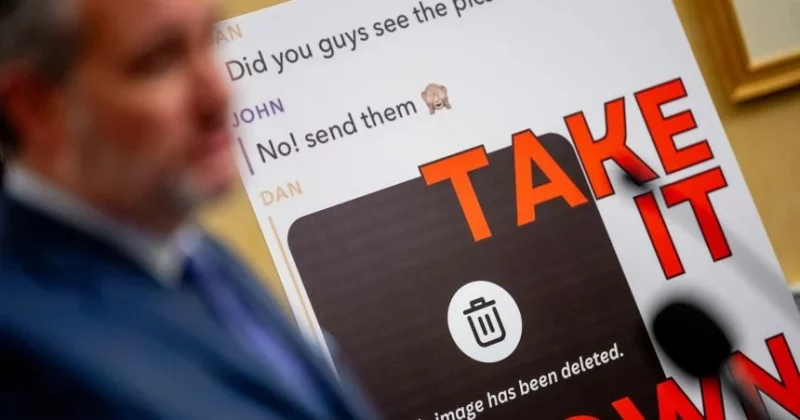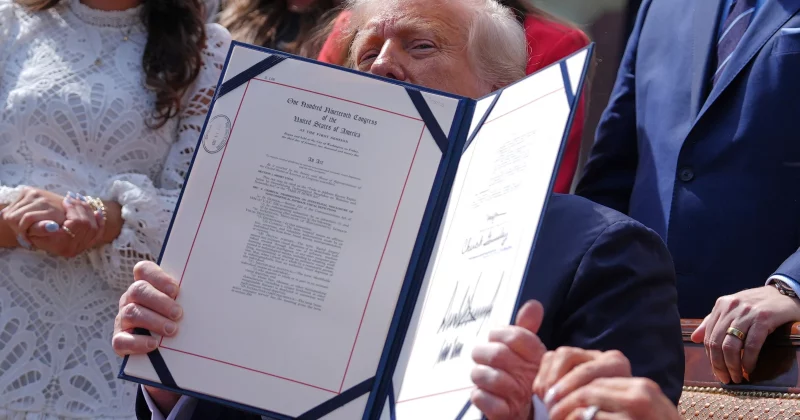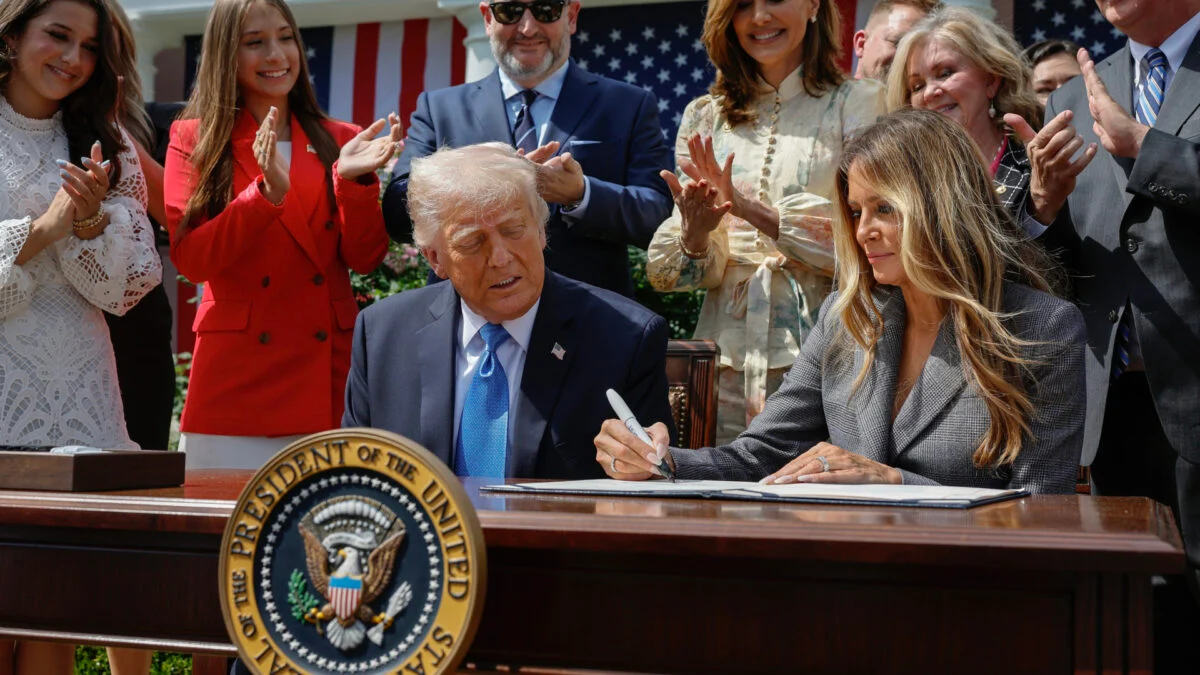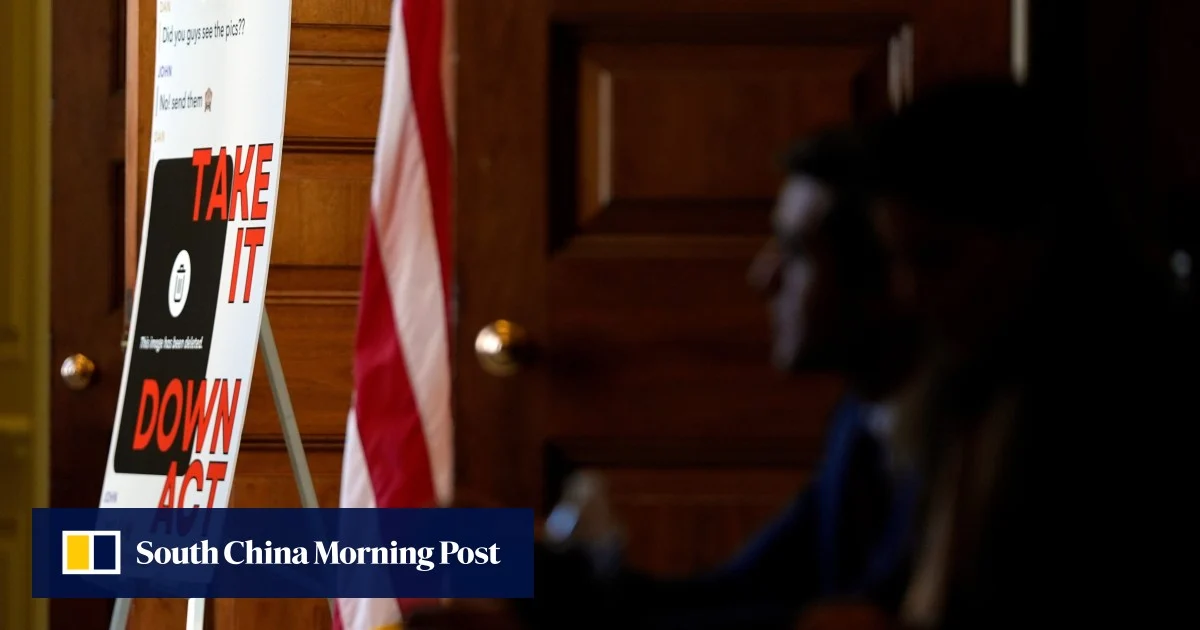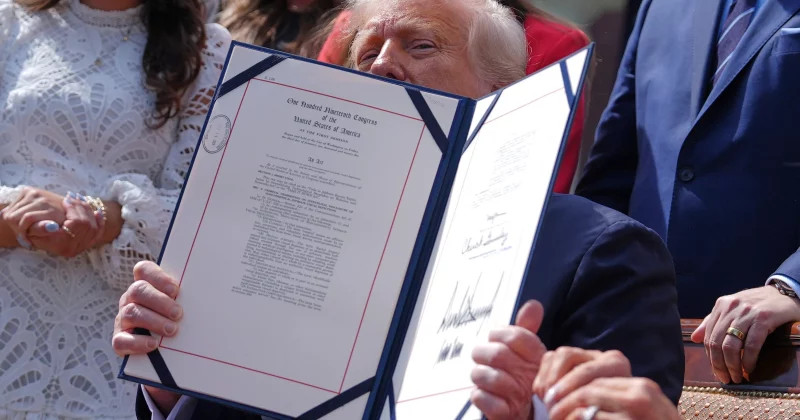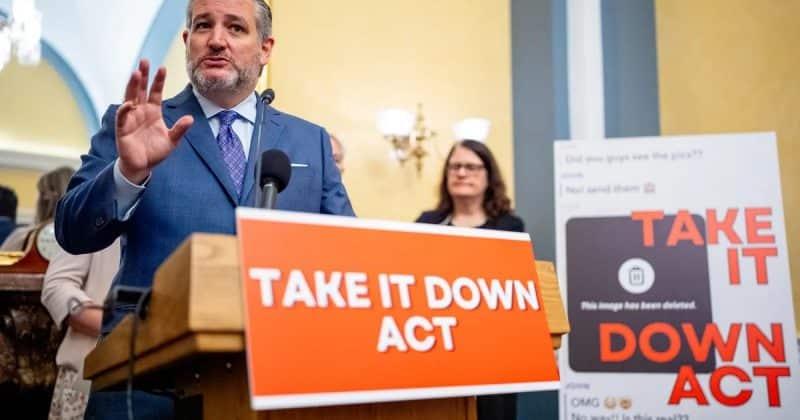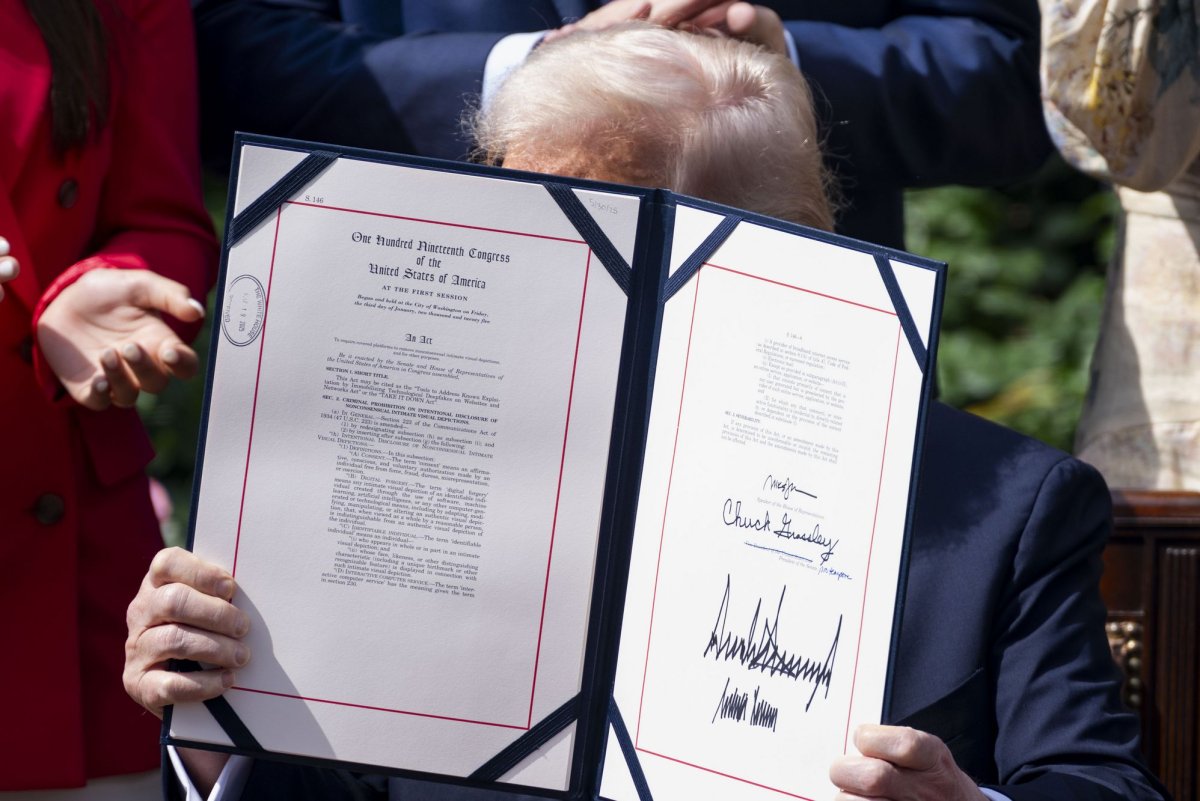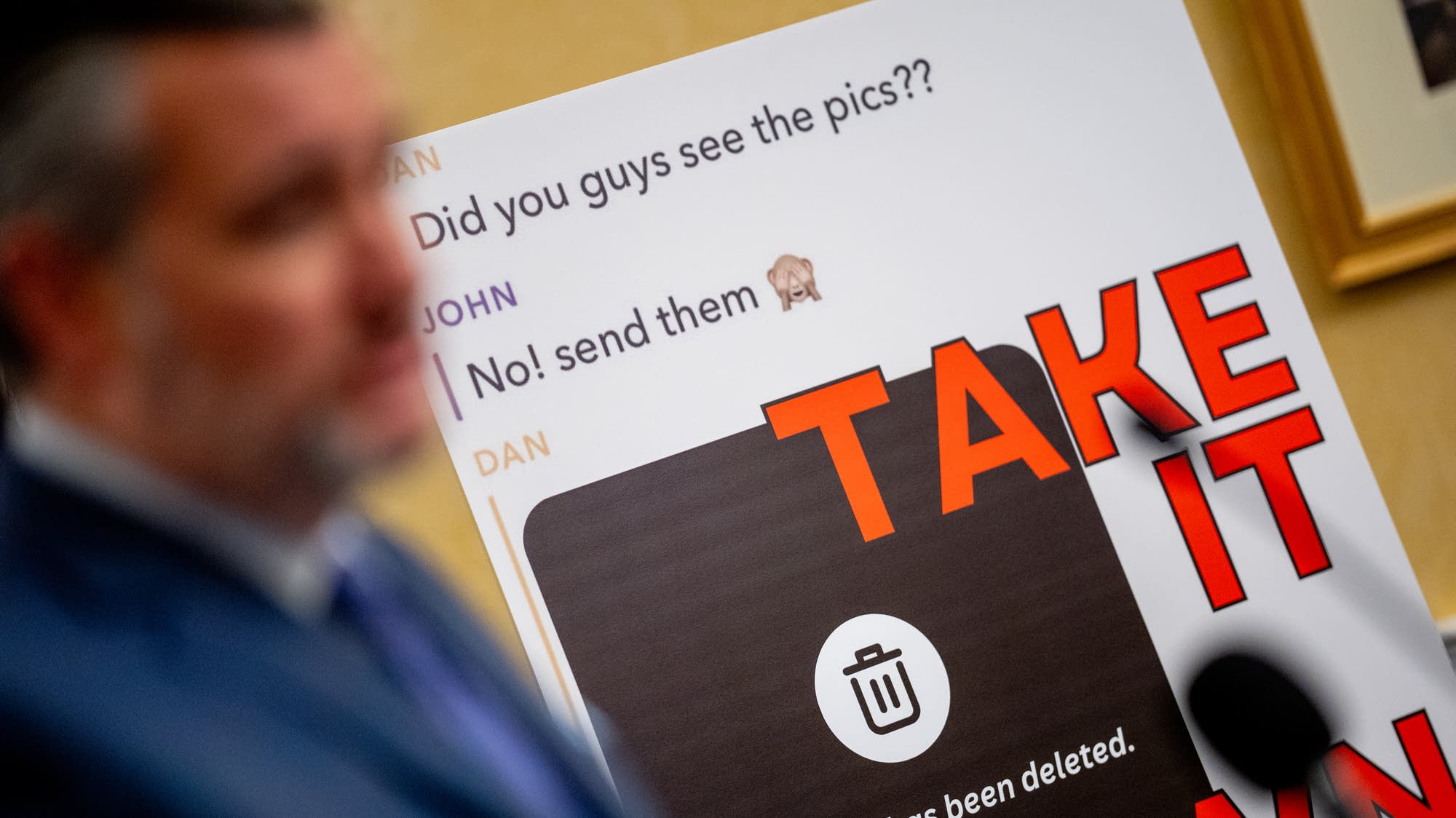
The deadline for companies to help remove AI-generated pornography under the Take It Down Act passed this week, but advocates say companies will have to be taken to court to secure strong implementation. Why it matters: The Take It Down Act is Congress' first attempt to tackle child sexual abuse material and nonconsensual intimate images of adults online — content that has proliferated with AI. State of play: Companies are now officially on the hook.The law set May 19 as the deadline for platforms to give people a way to request the removal of such content shared without their consent. The content must be removed within 48 hours. The Federal Trade Commission launched a website for victims to report when platforms have failed to act on valid requests. All of the major tech platforms have set up mechanisms to comply with the law, but advocates say there is still a major transparency gap on how the decisions are being made to take down or leave up posts.The worry is that the gap will result in inconsistent removal processes across platforms and too many posts still being left up. Omny Miranda Martone, founder and CEO of the Sexual Violence Prevention Association, predicted lawsuits would give the FTC the opportunity to address the transparency gap. "We might see a high-profile case and that might be how the FTC is choosing to provide that transparency in the coming months," Martone said. Threat level: An "egregious" number of posts on specialized websites like the now-shut-down MrDeepFakes — which was a breeding ground of celebrity deepfake pornography — would be the kind of case that spurs FTC action, Martone said. Deepfake pornography impacts everyone, but high-profile celebrity cases have brought the issue into the limelight. Paris Hilton's advocacy for the Take It Down Act, along with First Lady Melania Trump's endorsement, were crucial for its passage. And as election season kicks into full gear, AI-generated deepfakes targeting women lawmakers are a growing concern. Most recently, an AI-generated ad against Rep. Thomas Massie sparked outrage by showing the GOP lawmaker, Rep. Ilhan Omar and Take It Down Act co-sponsor Rep. Alexandria Ocasio-Cortez checking into a hotel room.The bottom line: Take It Down Act proponents have always viewed the law as a first step.In addition to passing new laws — like the Defiance Act — they're now setting their sights on forceful implementation.
What's next for the nation's first AI deepfakes law
Advocates say companies will have to be taken to court to secure strong implementation.
396 words~2 min read