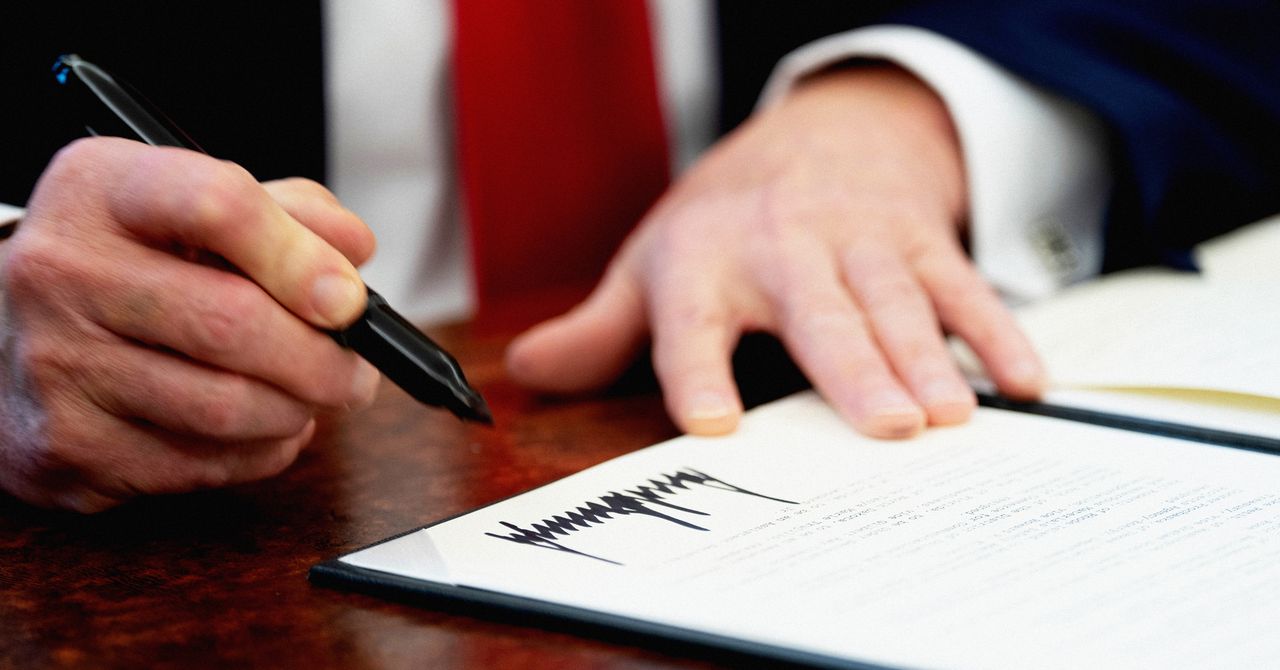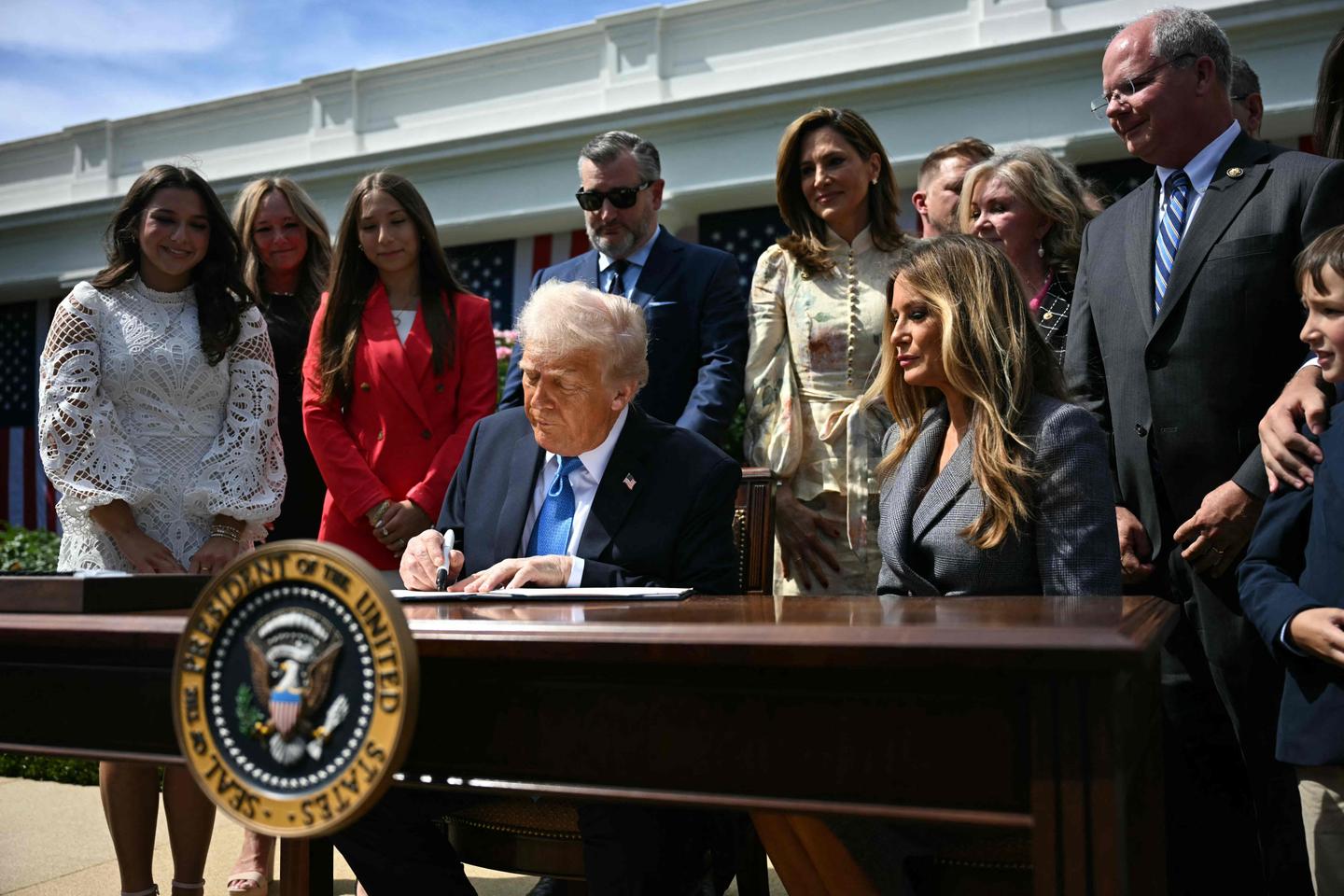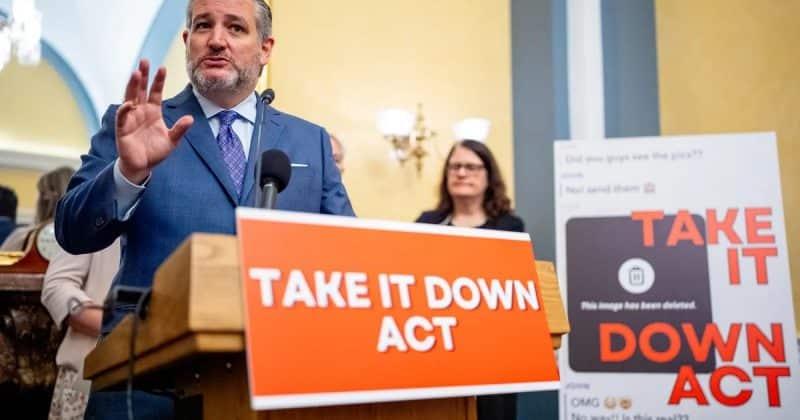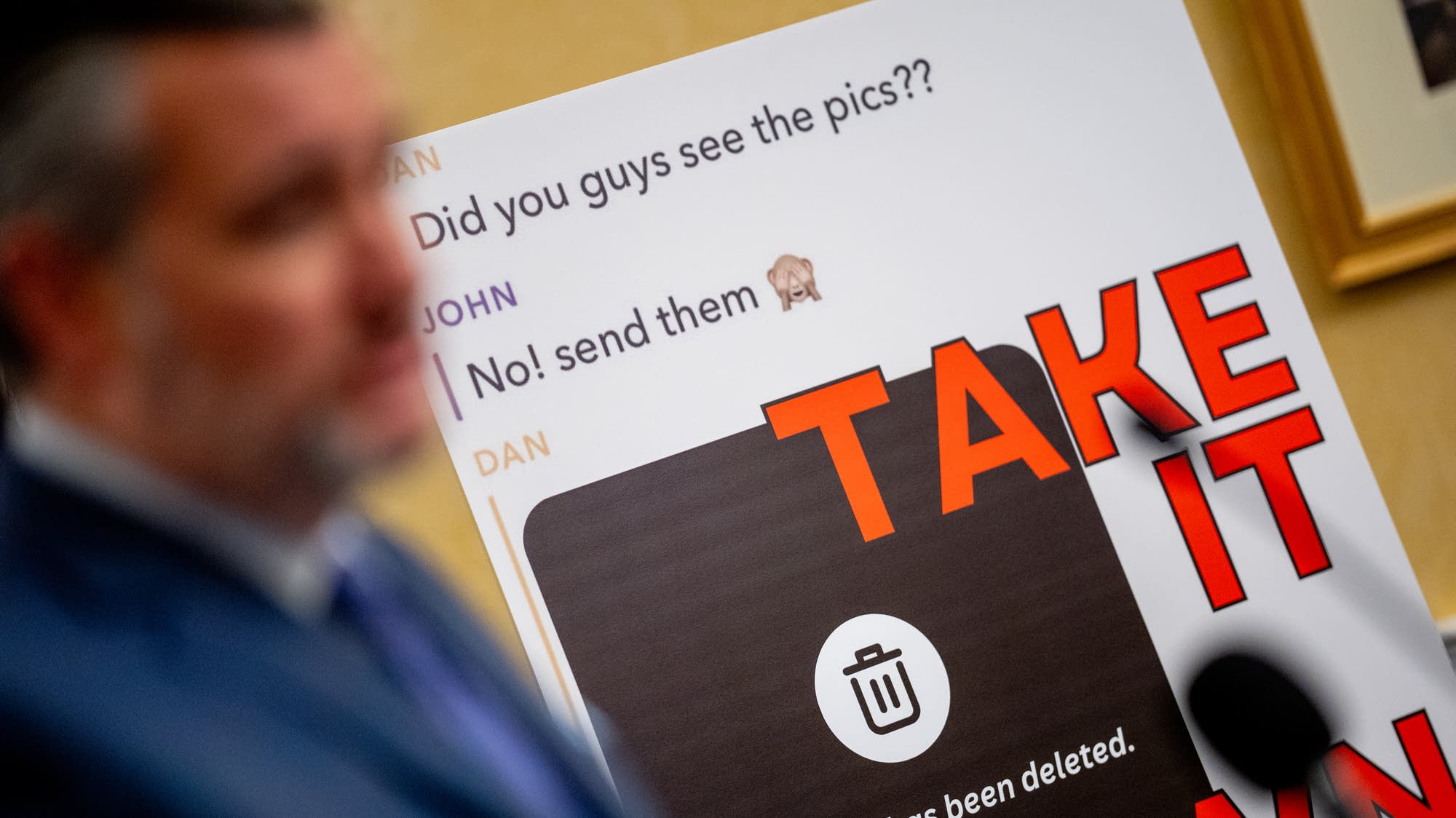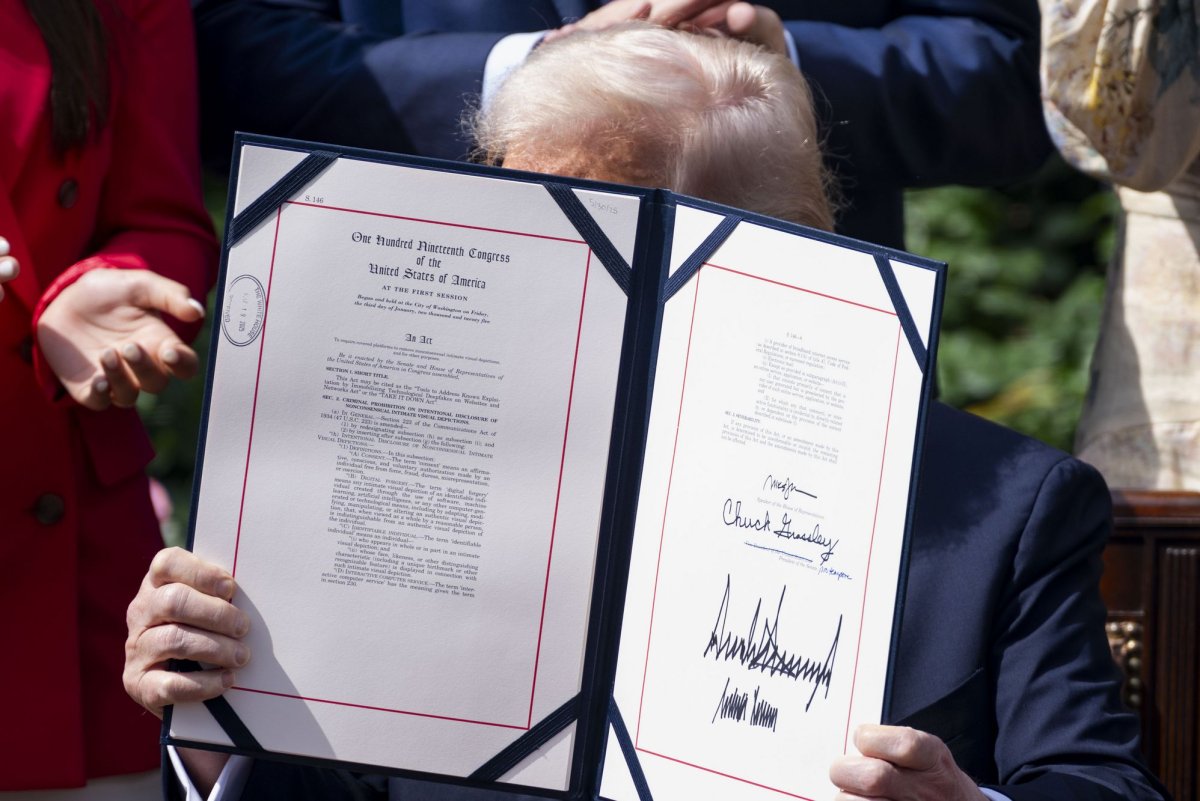
President Donald Trump signed the Take It Down Act into law Monday. The U.S. House of Representatives passed the bill 409-2 on April 28 after the U.S. Senate passed it by unanimous consent Feb. 13.
The law is an effort to confront one of the internet's most appalling abuses: the viral spread of nonconsensual sexual imagery. The Take It Down Act targets "non-consensual intimate visual depictions" -- a legal term that encompasses what most people call revenge porn and deepfake porn. These are sexual images or videos, often digitally manipulated or entirely fabricated, circulated online without the depicted person's consent.
The law offers victims a mechanism to force platforms to remove intimate content shared without their permission -- and to hold those responsible for distributing it to account. The law compels online platforms to build a user-friendly takedown process. When a victim submits a valid request, the platform must act within 48 hours.
Failure to do so may trigger enforcement actions by the Federal Trade Commission, which can treat the violation as an unfair or deceptive act or practice. Criminal penalties also apply to those who publish the images: Offenders may be fined and face up to three years in prison if anyone under 18 is involved, and up to two years if the subject is an adult.