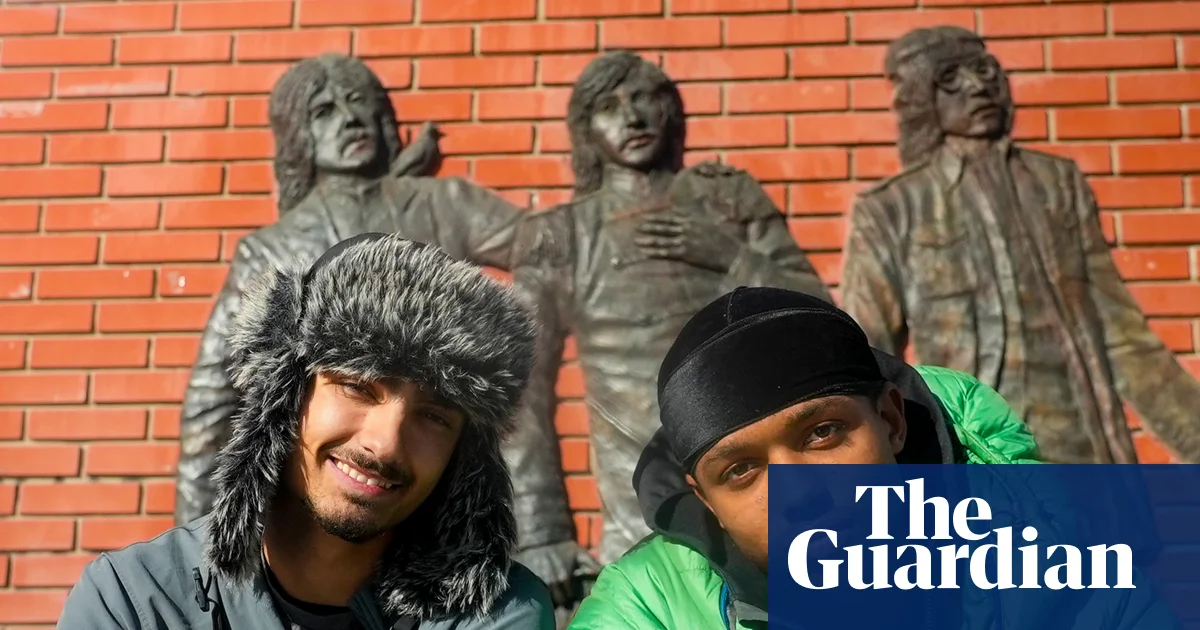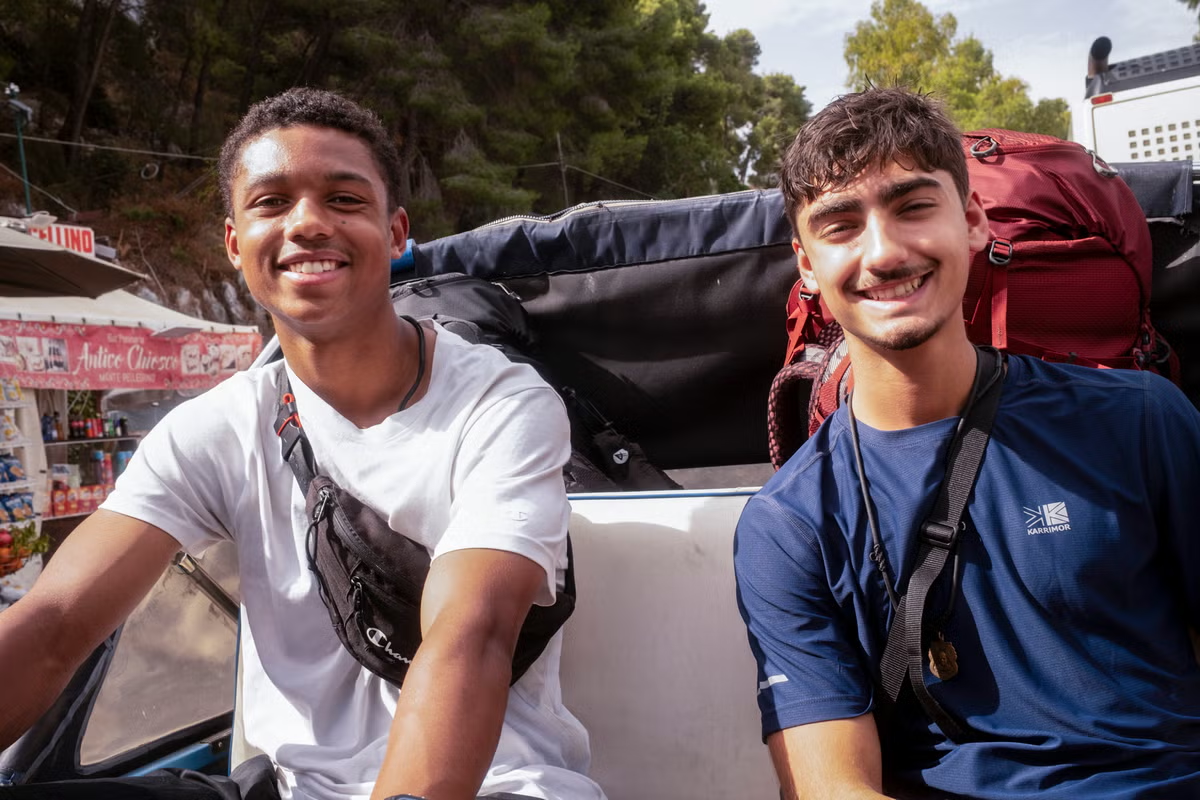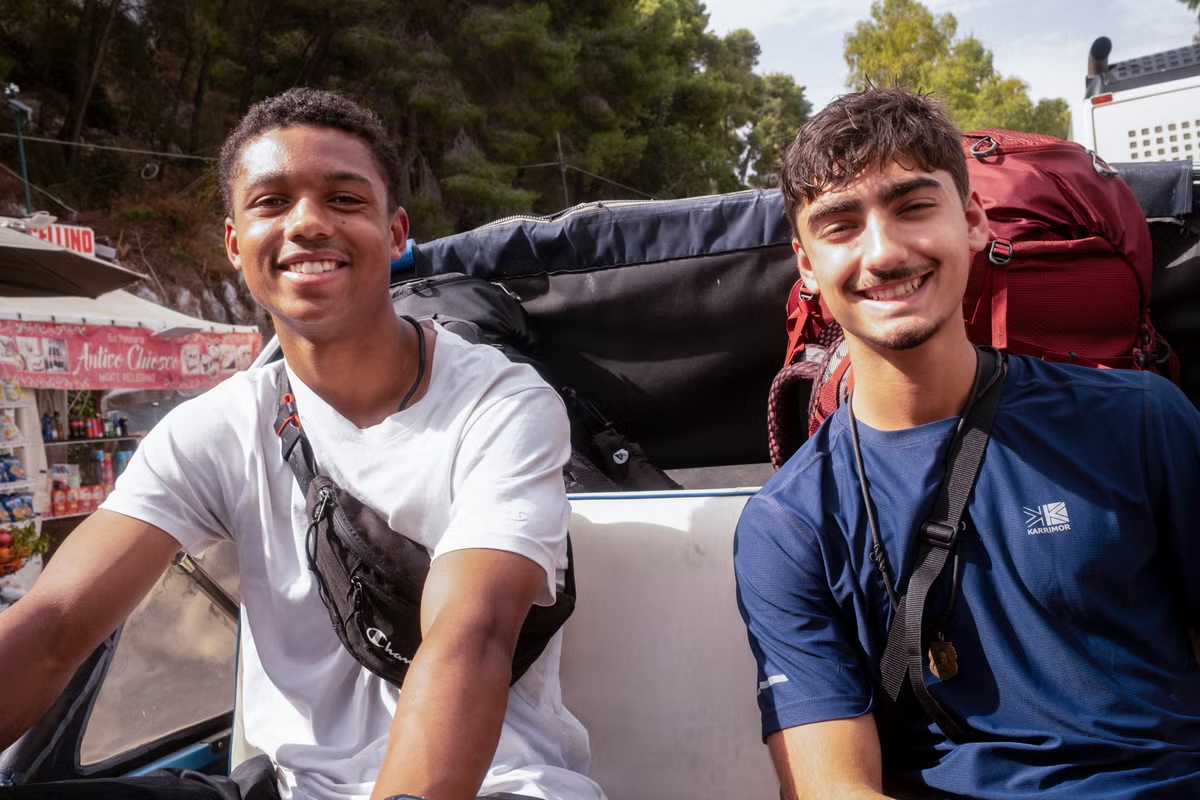
I cry most weeks watching Race Across the World, so I was not exactly surprised to find myself weeping when Jo and Kush reached the final Mongolian checkpoint and opened the guestbook to an empty page.
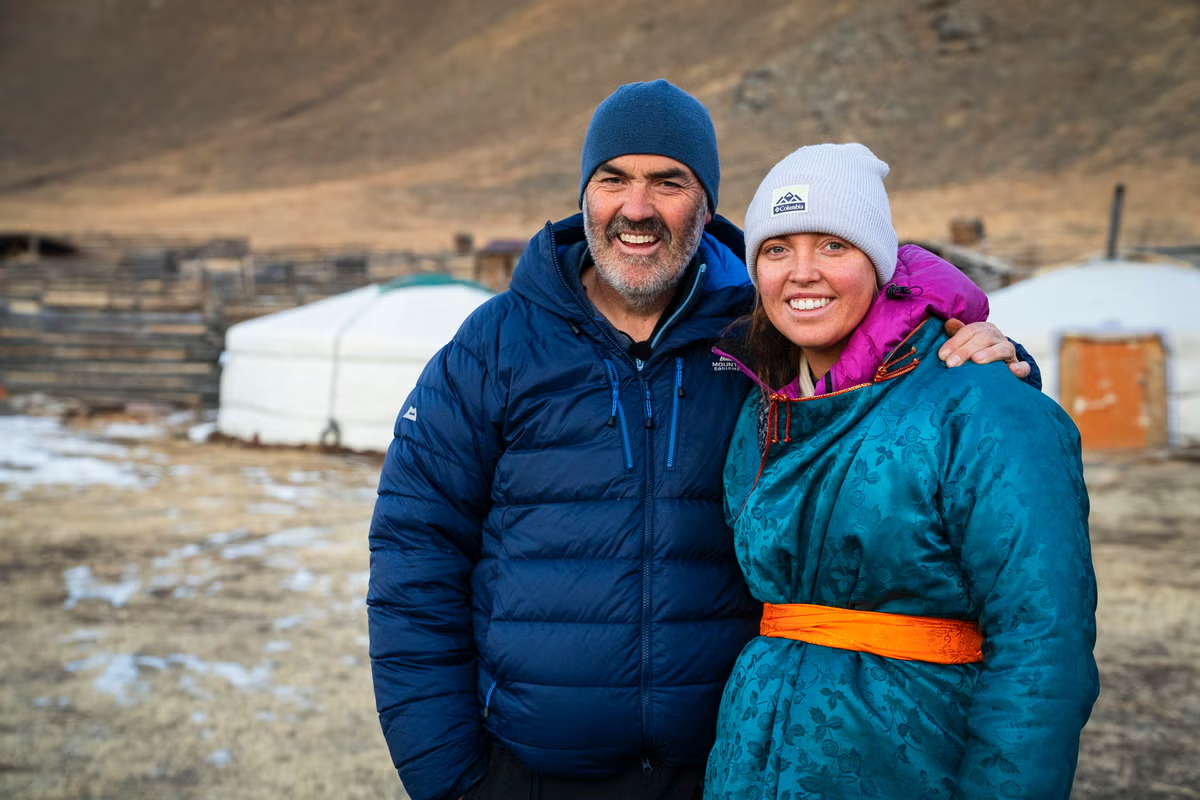
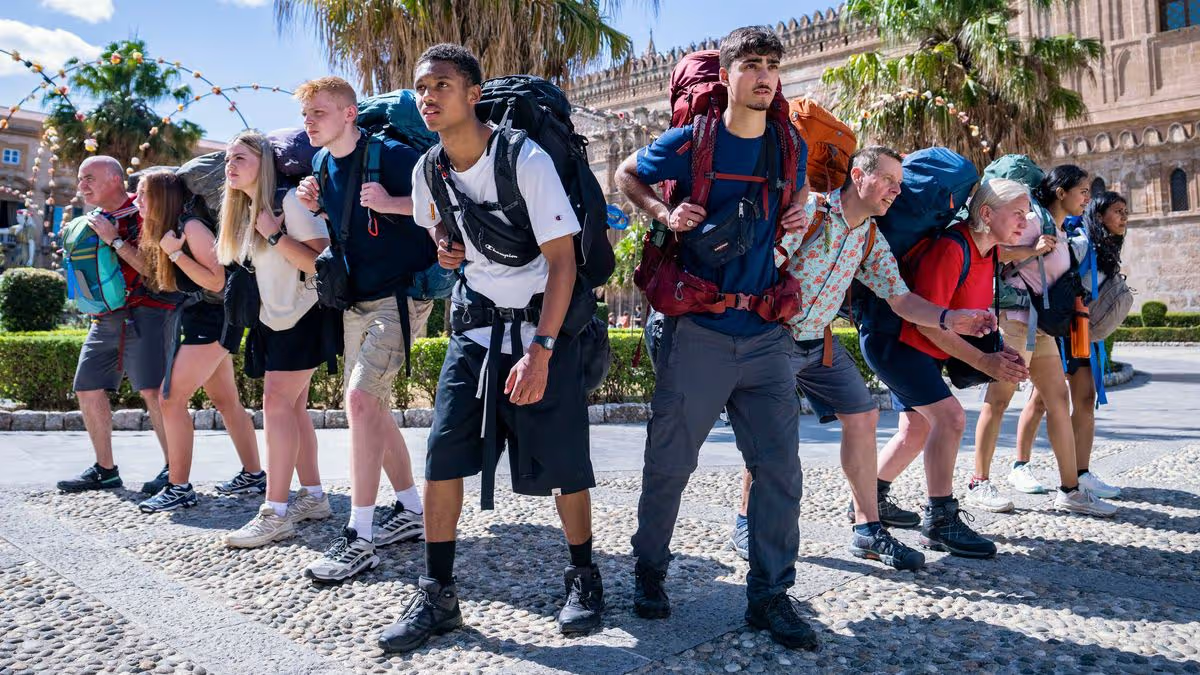
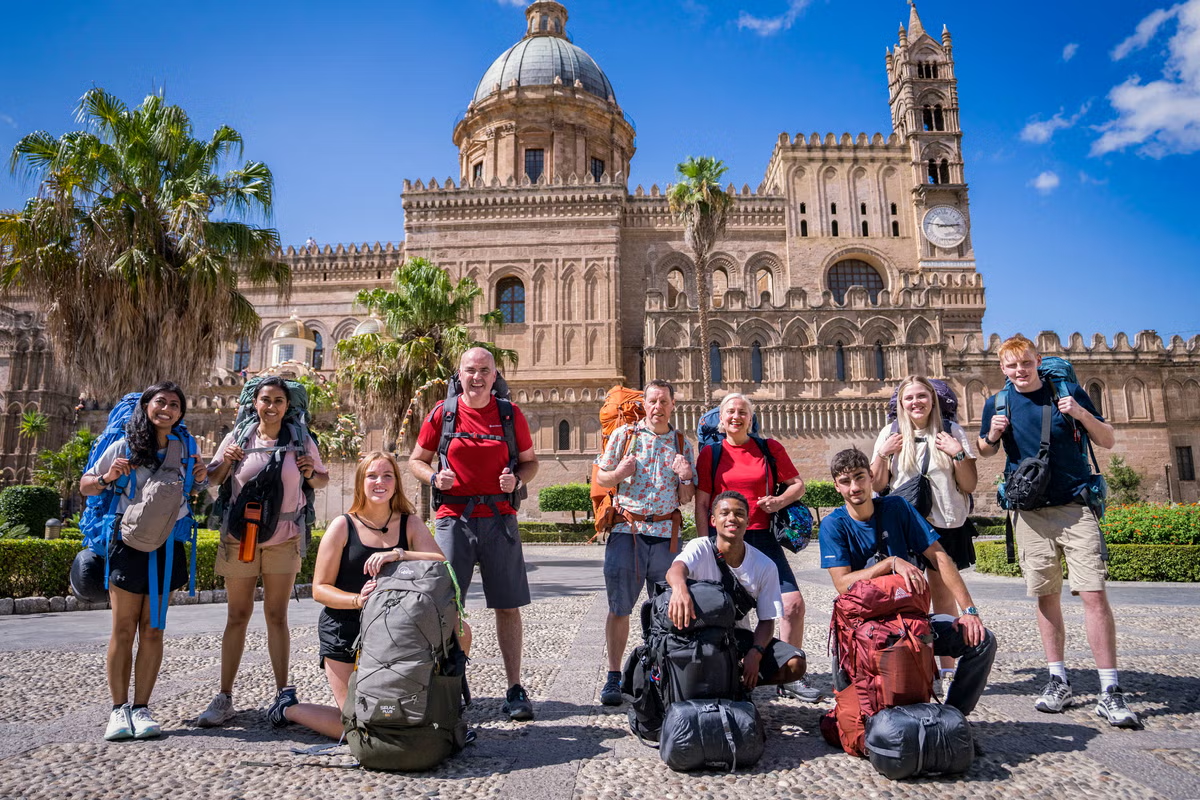
This programme has been the best thing on British TV for the better part of a decade now, and its success is precisely because it has the power to restore your faith in humanity. Through sincerity, hard-earned emotion, slow storytelling and the casting of good, kind, curious contestants (and no big egos, ever), it is the antidote to cynicism. The further each journey stretches, the more moving the personal ones become. Still, this seventh series, which took its teams from Palermo in Sicily to Hatgal in Mongolia, was the most special one yet.
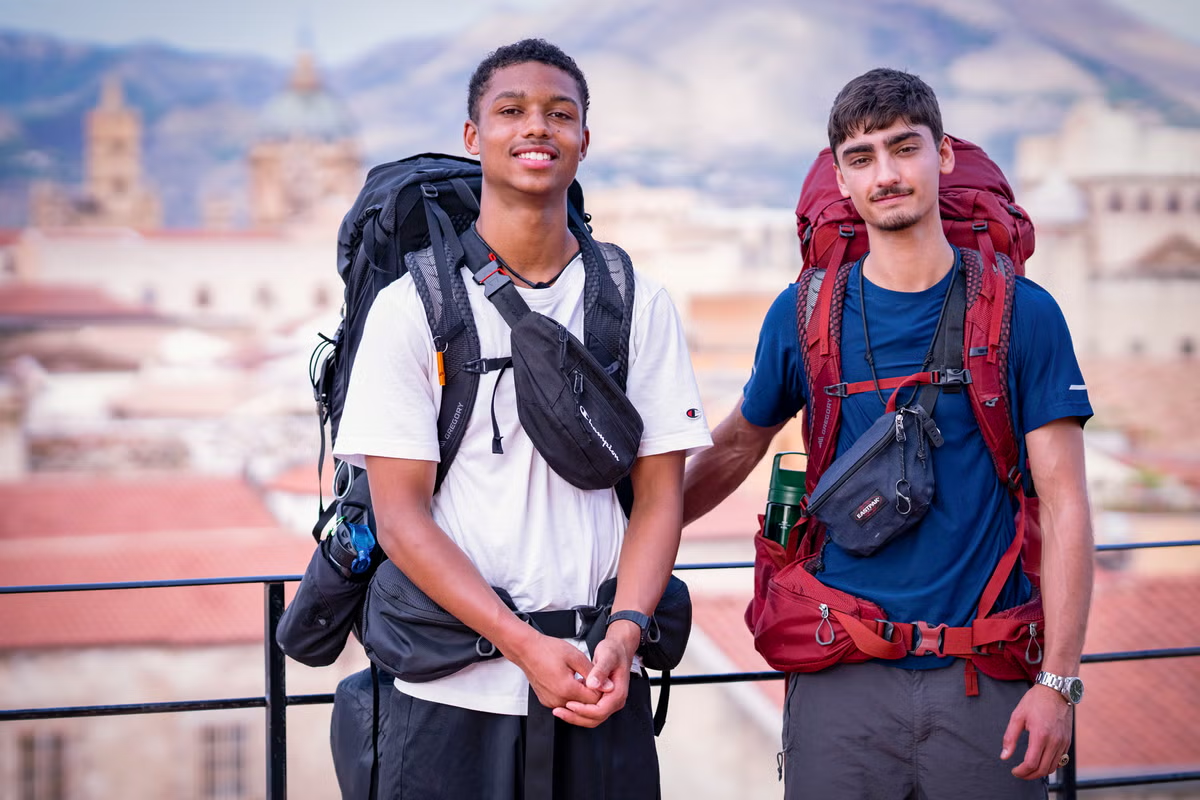
Teenage boys get a rough time of it. Toxic masculinity, the manosphere, the male loneliness epidemic – there is a climate of panic concerning this group that condemns ordinary young men and treats them as pariahs to be feared. Jo and Kush, the 19-year-old best friends from Liverpool, are the opposite, and restored my hope for future generations of men.
They aren’t just close childhood friends, they have an astounding depth of understanding of each other and an ability to articulate it that most men twice their age could not manage. Kush, whose father died by suicide during the pandemic, is able to discuss the ways it has affected him – he struggles with overwhelm and anxiety – and expresses his emotions and grief without embarrassment. With each new, bizarre, transformative experience on the race, he felt both closer to and further from his father. The joy and the sadness were always together, as he was desperate to share what he’d seen and in disbelief that he can’t, and that he is growing into someone without him.