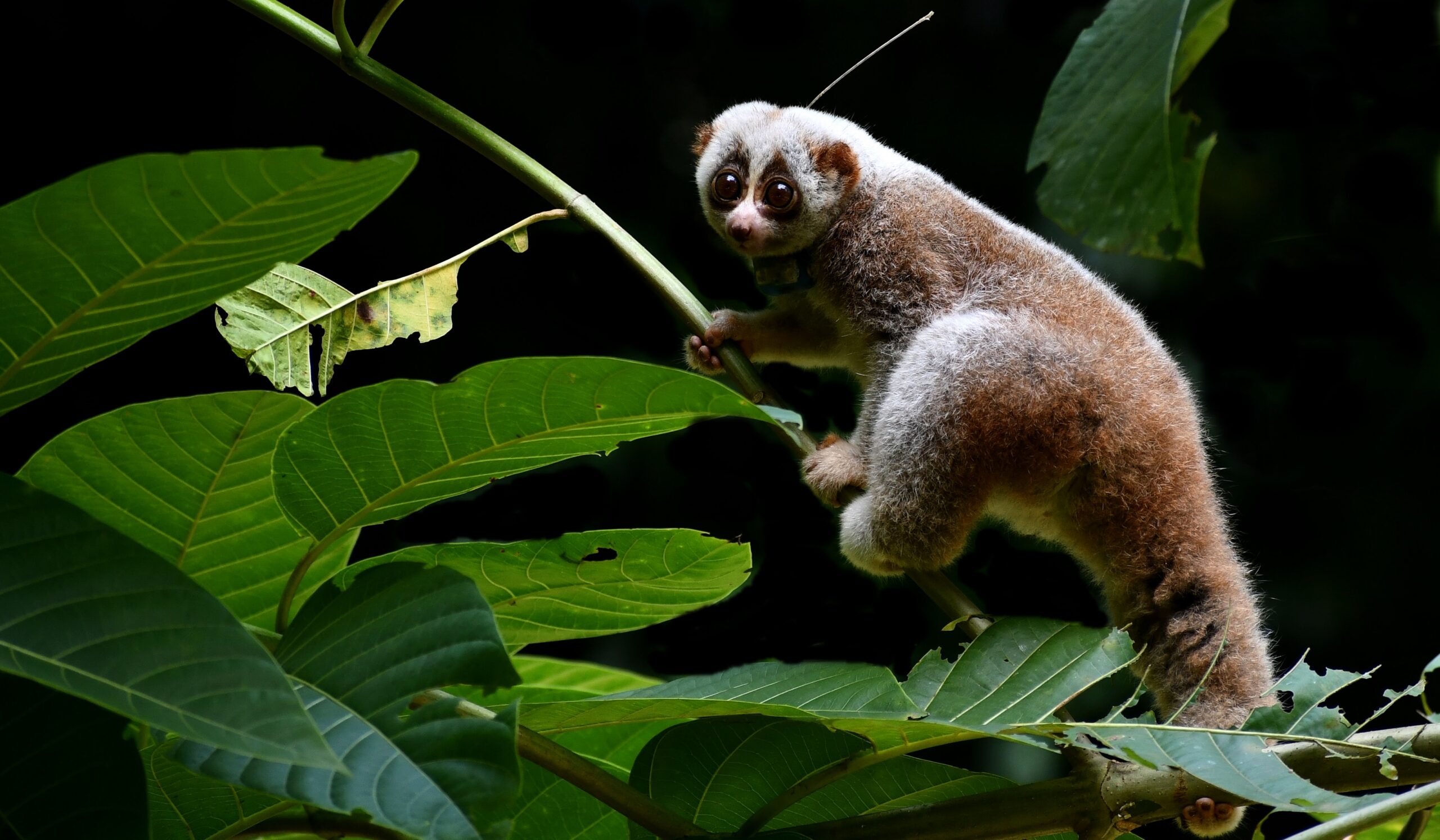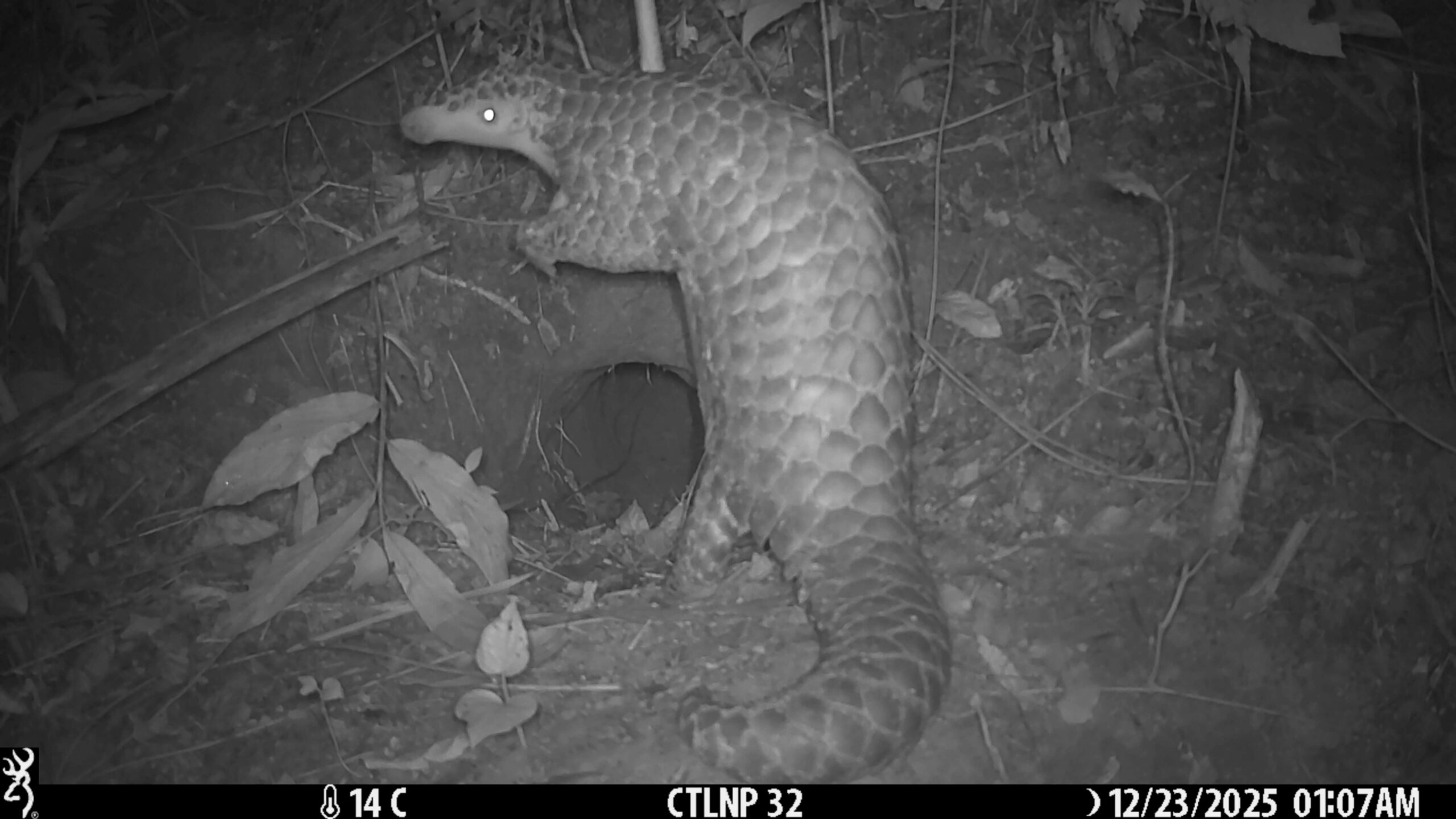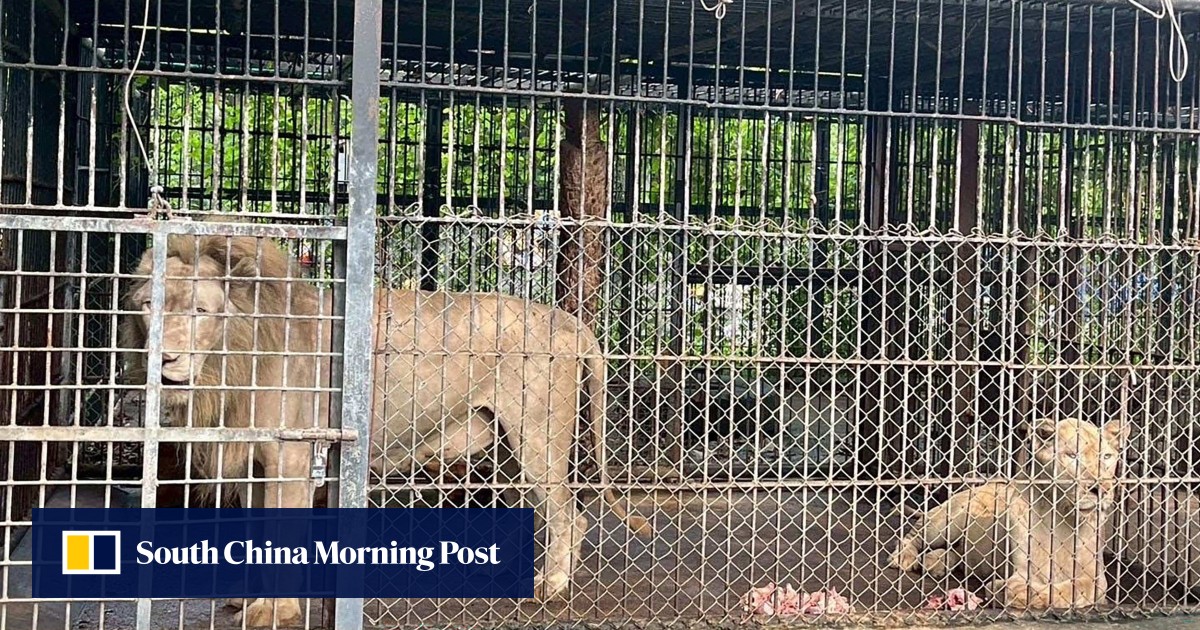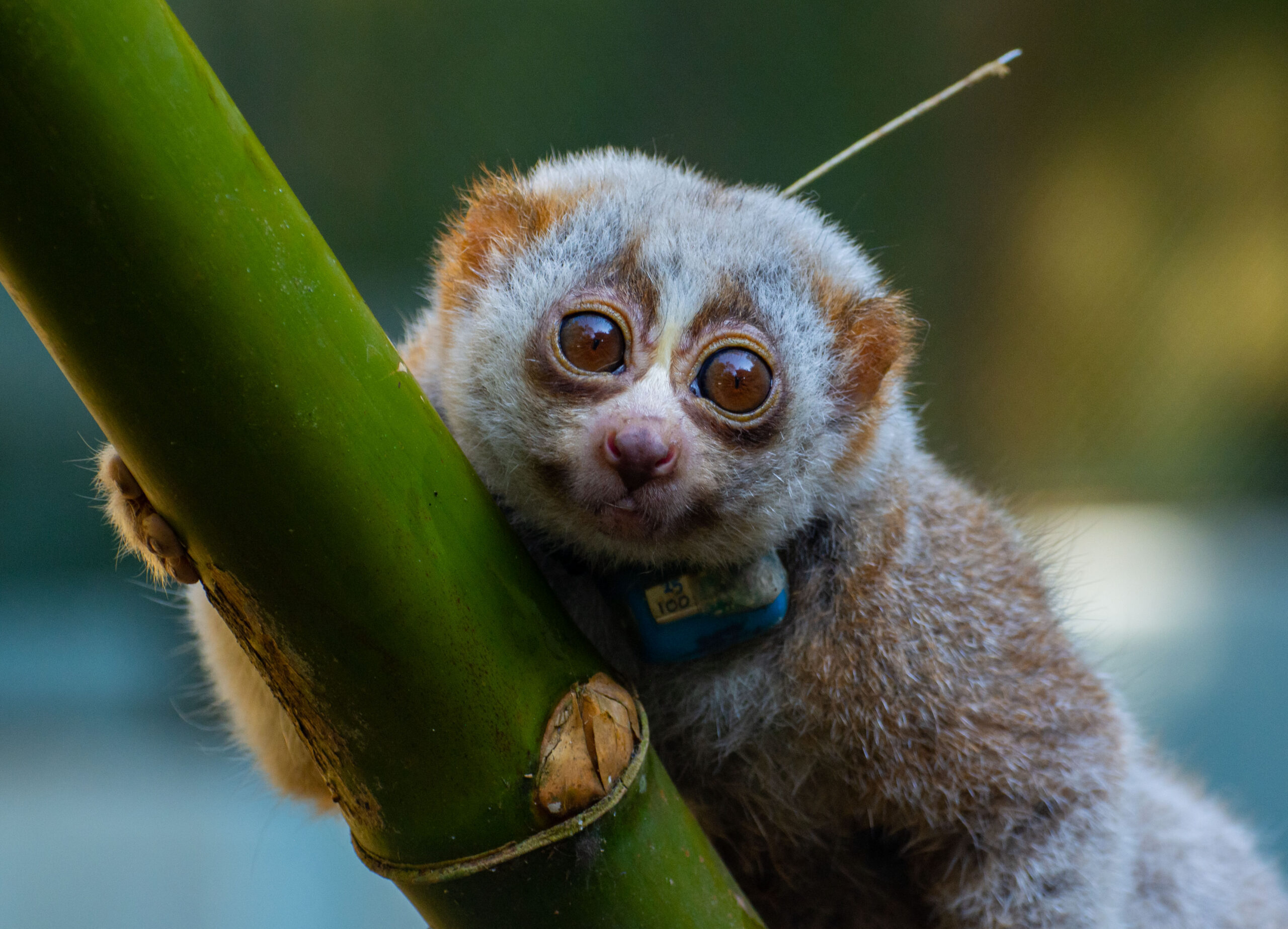
A study in Bangladesh found that seven of nine rescued Bengal slow lorises died within six months of release, showing that rewilding trafficked animals can become a “death trap” if habitat and social conditions aren’t right.Most of the dead lorises bore venomous bite wounds from their wild counterparts, indicating that releasing highly territorial animals into already occupied forests can trigger lethal fights.The two that survived established larger home ranges, while those kept longer in captivity fared worse, underscoring the need for careful site selection, population surveys, and evidence-based release protocols.Experts say that rescue and release only address the symptoms of illegal wildlife trafficking, and that curbing poaching and habitat loss is essential to prevent further harm to both individuals and wild populations.
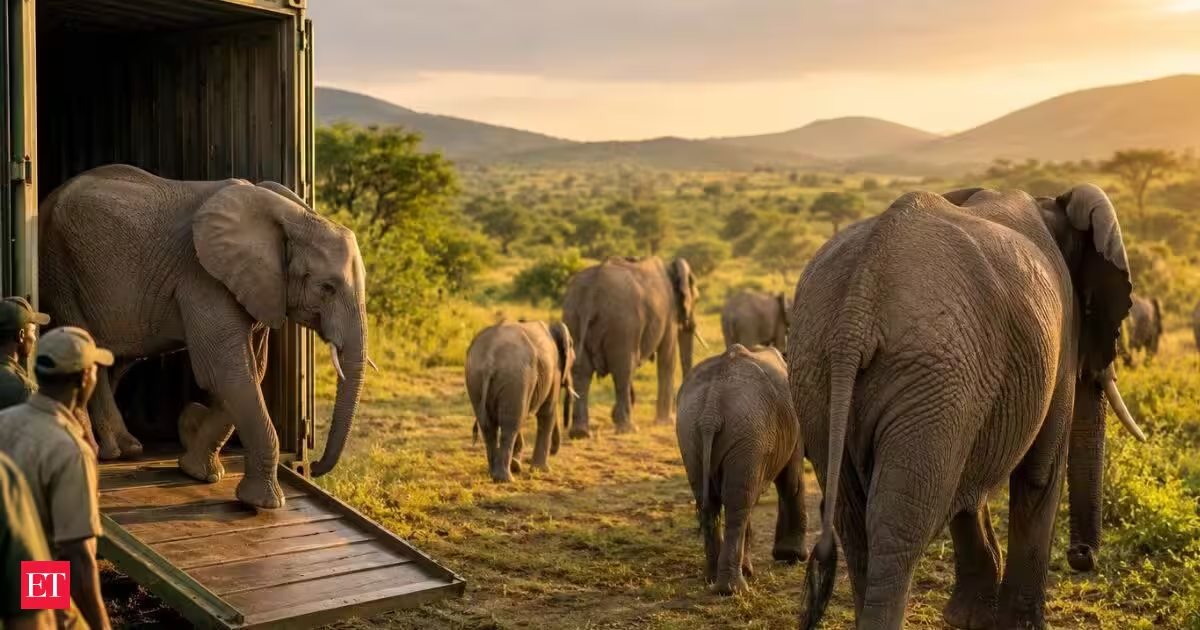
Wildlife releases are usually joyous events. Uplifting scenes of animals cautiously nosing the air as they take their first tentative steps into freedom warm our hearts. However, new research suggests the wild can be a “death trap,” especially if the released individuals lack the essential skills to find food and integrate with wild populations, or are set free into unsuitable habitat.