As we age, muscle mass naturally declines, metabolism changes, and for women, hormonal shifts can encourage more fat storage around the abdomen.
IN MY twenties, I used to think weight loss was so simple. Eat less. Move more. After a few days, your jeans fit again. Then in 2022, two years after turning 40, the weight started creeping on, and unlike previous years, it didn’t quickly disappear when I “got back on track”.
I’ve tried the things most of us do: intermittent fasting, counting calories, eating cleaner. And most importantly, promising myself every Monday that this would be the week. And yet here I am asking the same question so many of us ask in midlife: why is this suddenly so hard?
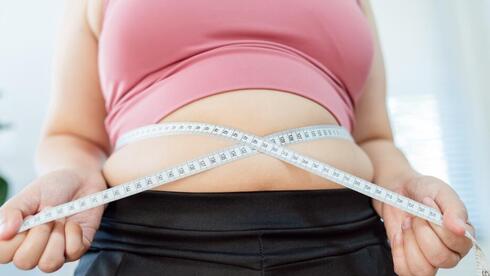
The easy answer is to say we’re eating too much and moving too little. And yes, while calories do matter, research suggests that midlife weight gain is not simply about willpower. As we age, muscle mass naturally declines, metabolism changes, and for women, hormonal shifts can encourage more fat storage around the abdomen.
Then there’s stress, poor sleep, and hormones like insulin, cortisol, leptin and ghrelin, and the thyroid, all influencing hunger, cravings, energy, and how our bodies store fat.