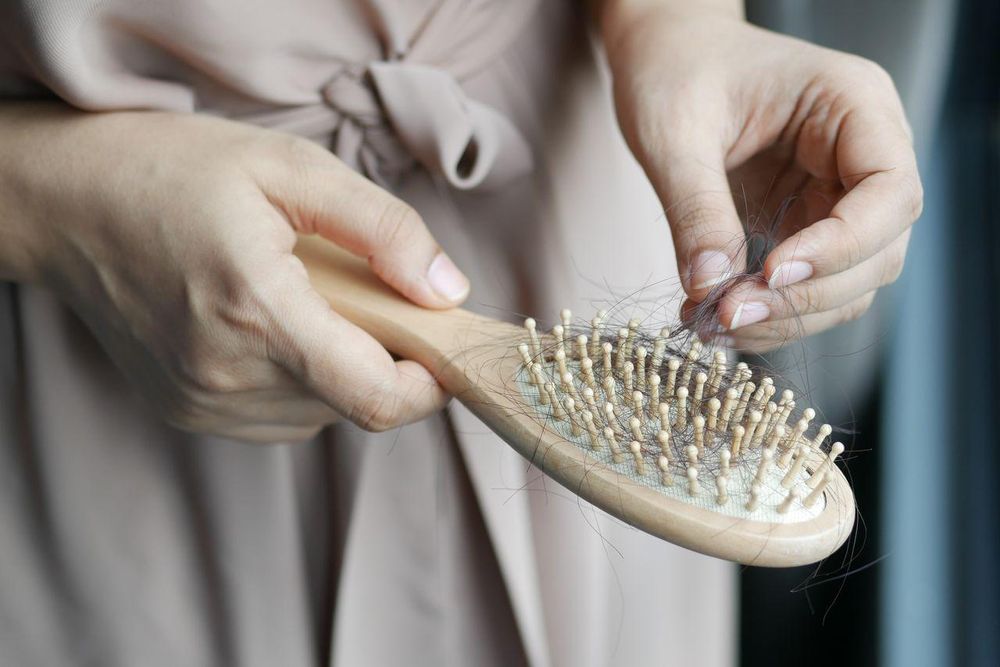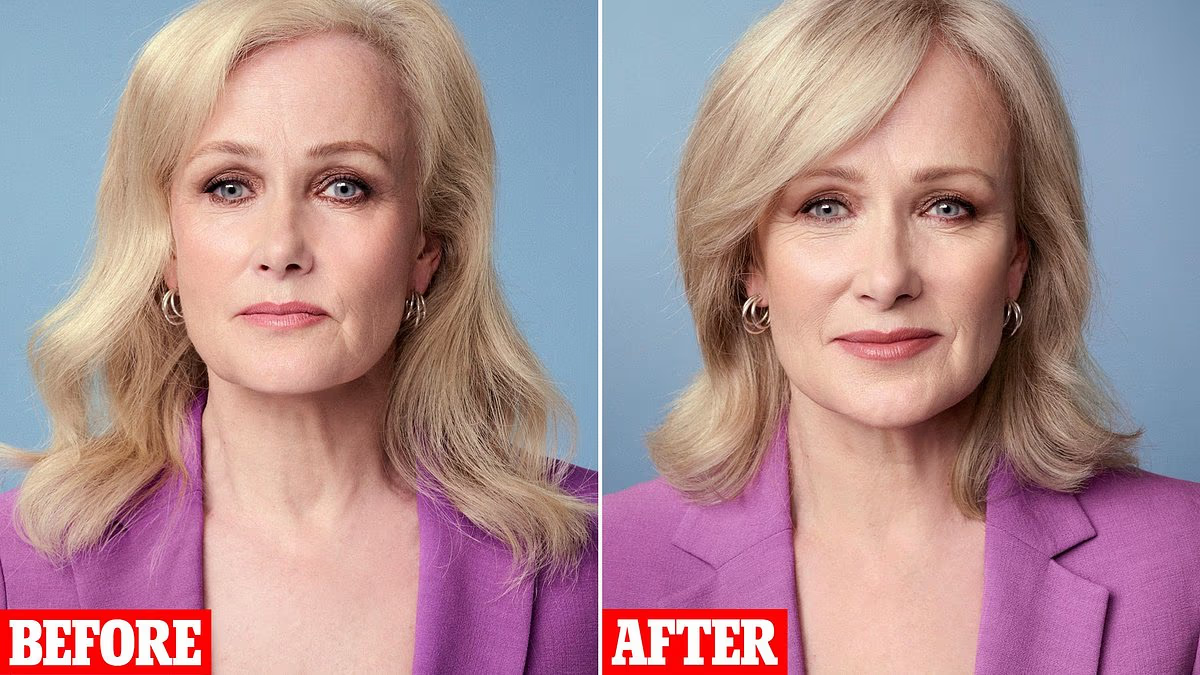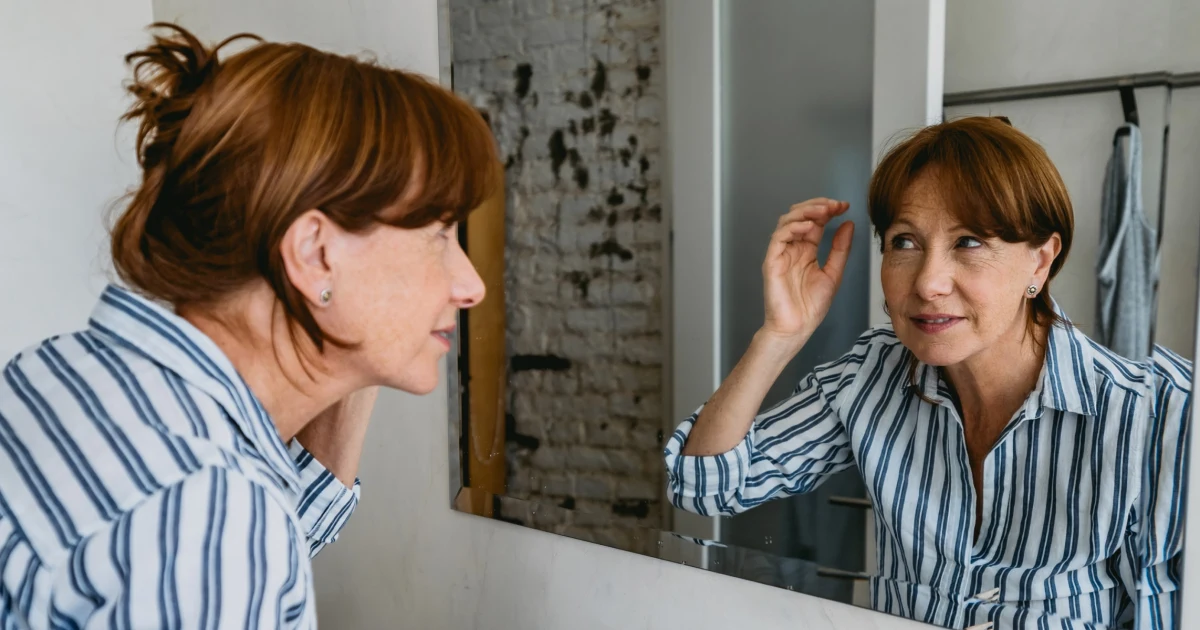
Getting older comes with several pros and cons. On one hand, you’ve experienced more life, so you’re wiser. On the other hand, aging bodies experience challenges. This is especially true for women in their 40s and 50s, when estrogen and progesterone plummet. During this time you might also notice hair popping up in places you’d prefer it didn’t (think chin and chest), while the hair on your head may start to feel more thin or dry.This period, when those hormone levels drop, is called perimenopause, and it precedes menopause — you are officially menopausal when you haven’t had a menstrual cycle for 12 months. During this stage of life, women can have several symptoms, including hot flashes, brain fog, joint pain and a change in hair health.To explain how menopause impacts your hair and what you can do about it, I spoke to three board-certified doctors. Below, they explain what you need to know and how you can address the hair shifts brought on by “the change.”Selected.Our top picksBest overall$undefined$34.00Learn moreBest budget$5.97$9.29Learn moreBest splurge$36.00$36.00Learn moreWhat happens to your hair during menopause? During menopause (for the purpose of this story, the term menopause also includes perimenopause) natural levels of estrogen and progesterone drop, which can lead to certain changes within your body. When it comes to your hair, this loss of estrogen may be noticeable. “Estrogen plays a critical role in hair density, fullness and growth, so it is natural to see more shedding in menopause, causing thinning of the hair and widening of the hair part,” says Dr. Melanie Palm, a board-certified dermatologist at Art of Skin in San Diego, California. In addition to hair loss, some women notice a change in their hair texture. “Hair may become drier and more brittle as natural oil production declines — another side effect of declining hormones,” says Dr. Sonia Badreshia-Bansal, a board-certified dermatologist and co-founder/ CEO, and medical director of EliteMD in Danville, California. This dryness makes your hair more prone to breakage, adds Dr. Cristina Del Toro Badessa, a board-certified physician specializing in personalized and integrative medicine and director at Artisan Beaute, a medical spa in Atlanta.The best products for menopausal hairI rounded up hair care products that can help hydrate and protect your hair if you’re going through menopause. I used tips from our experts to narrow the search and then focused on products that are made explicitly for hydration or formulated for menopausal or older hair.This spray hydrates as it protects your hair from heat damage. It contains a blend of six oils to coat strands, sealing in moisture while preventing heat from penetrating deep enough to cause damage, according to the brand. It also acts as a detangler, helping to prevent your brush from snagging and causing breakage.This shampoo contains several ingredients experts recommend for thinning hair, including collagen and biotin. It also contains vitamin B7 and wheat protein to thicken, according to the brand. The lightweight formula won’t weigh down your strands and it’s sulfate-free, a combination that Palm recommends for those with dry hair.If menopause has left your hair really dry, consider this conditioner from Biolage. It contains cupuaçu butter, which intensely hydrates, according to the brand. This conditioner is best for those with medium to coarse hair — those with a finer hair texture may find that it weighs down their hair too much. In addition to hydrating, this conditioner can help with frizz and dullness, according to Biolage. Along with a rinse-out conditioner you use in the shower, using a leave-in can help add even more moisture to your hair. This one is safe for color and chemically treated hair and can be used daily on damp strands, according to the brand. The formula contains peptides to thicken, fatty acids to boost shine and smoothness, and glycerin to hydrate. This scalp serum contains caffeine to stimulate hair growth and plant exosomes to make the hair you do have stronger and less prone to breaking, according to Vegamour. It can be applied to wet or dry hair. Some reviewers say it can leave hair looking a little greasy, though, while others say it is lightweight and doesn’t have this effect.Better Not Younger is a hair care brand for women 40 and older. This thickening spray is intended to be applied on wet hair at the roots before you style it to give you more volume and mask any thinning. Not only does the spray contain volumizing ingredients, but it also contains ceramides, biotin and niacinamide, which can help hydrate hair over time.Apply this treatment to your scalp and massage it in before letting it sit for 15 minutes. Then, wash it out and style it as normal. The serum has a blend of squalane and peptides to address dryness and to thicken hair, according to the brand. One thing to note: Some reviewers say that it has a strong floral scent. Want more from NBC Select? Sign up for our newsletter, The Selection, and shop smarter.How I picked the best products for menopausal hairJust because menopause is inevitable, doesn’t mean you have to live with thinning, dry hair. “Managing menopause-related hair changes requires a combination of lifestyle adjustments and targeted treatments,” says Badreshia-Bansal. “Staying hydrated, consuming a nutrient-rich diet with plenty of antioxidants, and incorporating omega-3 fatty acids can support skin and hair health. Supplements like collagen peptides and biotin may also help improve hair strength.”In addition to the above, prioritizing products that maintain your hair’s health can help. Here are the most important things to look for in products (that I considered when making the above list) when trying to address changes brought on by menopause: Hydrating ingredients: Since menopause dries out your hair, your goal should be to infuse moisture. “With that in mind, prioritize hydrating ingredients for the hair, like biotin, keratin, and natural oils, like jojoba, argan and avocado oil,” says Palm. “Humectants like glycerin and hyaluronic acid will also help your hair retain moisture.”Sulfate-free formulas: “Avoid harsh ingredients, like sulfates, which can strip your scalp and hair,” says Palm. When your hair is stripped of whatever natural oils you still have, it can leave it even more dry and prone to breakage, which is why avoiding harsh ingredients can be helpful. Heat protectants: Your goal should be to minimize even further damage; one of the things that can cause the most damage to hair is high heat. If you regularly heat style your hair with a hair dryer, curling iron or flat iron, use a heat protectant first. This can help coat hair and prevent high temperatures from drying it out.Frequently asked questionsBecause this period of life can dry out your hair, menopausal women often notice their hair looks more dull than it has previously, says Palm. This dryness can also lead to breakage, so many women will notice more flyaways around the top of their head and hairline. Meet our expertsAt NBC Select, we work with experts with specialized knowledge and authority based on relevant training and/or experience. We also ensure all expert advice and recommendations are made independently and without undisclosed financial conflicts of interest.Dr. Cristina Del Toro Badessa is a board-certified physician specializing in personalized and integrative medicine and director at Artisan Beaute, a medical spa in Atlanta. Dr. Melanie Palm is a board-certified dermatologist at Art of Skin in San Diego, California.Dr. Sonia Badreshia-Bansal is a board-certified dermatologist and co-founder, CEO, and medical director of EliteMD in Danville, California.Why trust NBC Select?I am a commerce editor at NBC Select and a journalist who regularly covers topics like beauty, home and lifestyle. For this story, I interviewed dermatologists about how menopause can impact hair health, and researched products that address thinning and dryness, based on expert guidance.Catch up on NBC Select’s in-depth coverage of tech and tools, wellness and more, and follow us on Facebook, Instagram, Twitter and TikTok to stay up to date.
You’re not imagining it — menopause could be ruining your hair. Here’s how to fix it
“The change” doesn’t have to be a life sentence for your hair.
1,317 words~6 min read