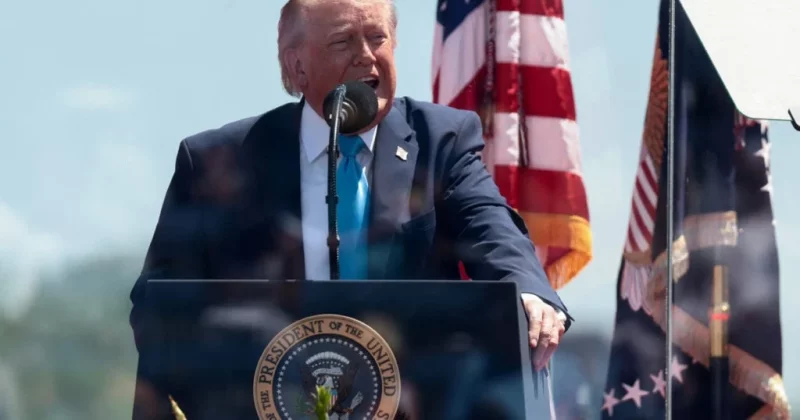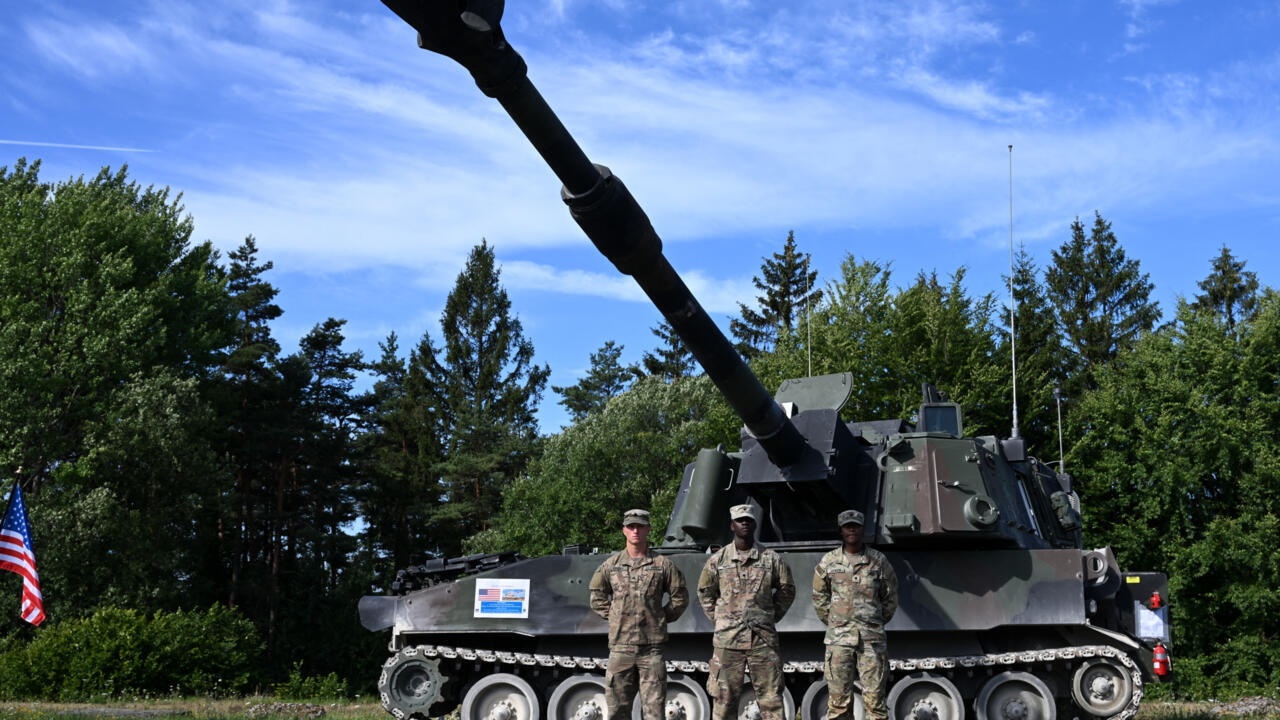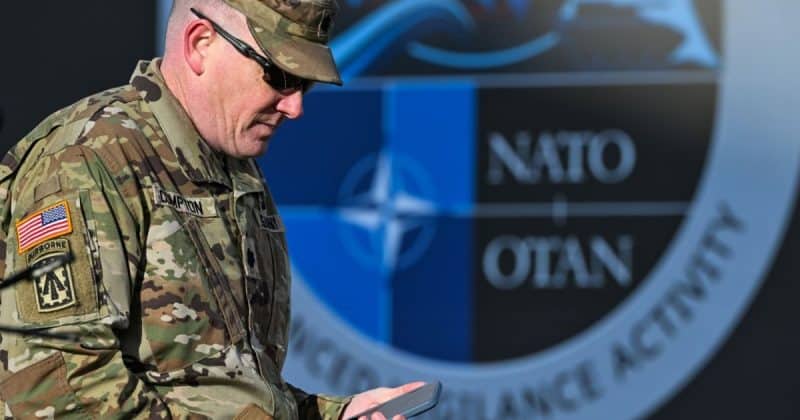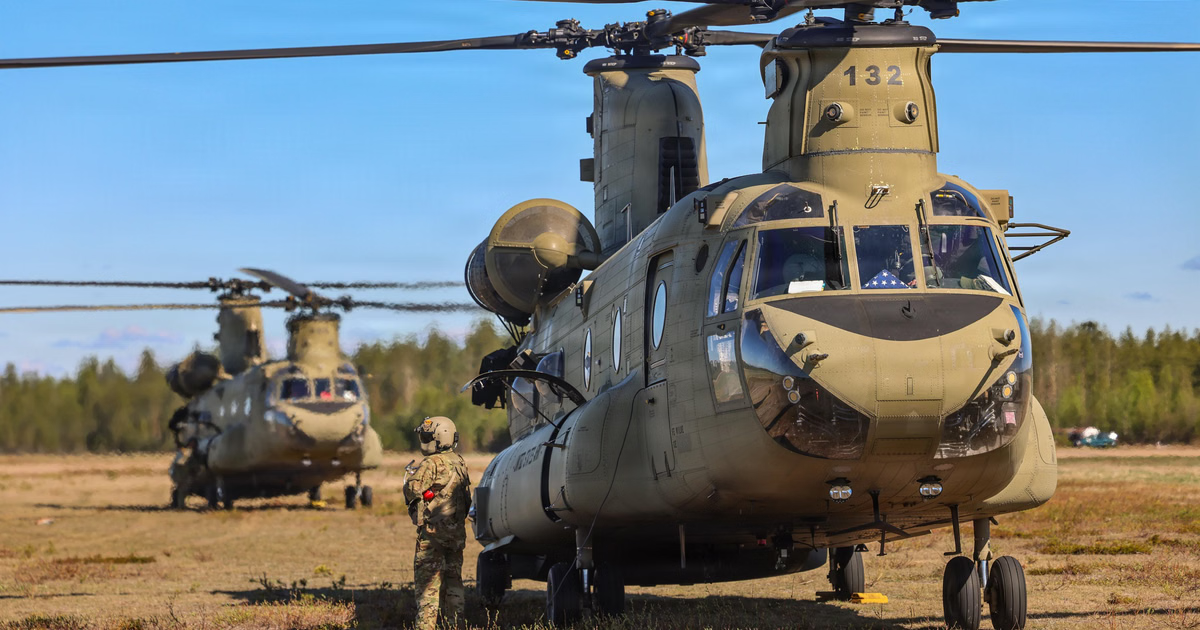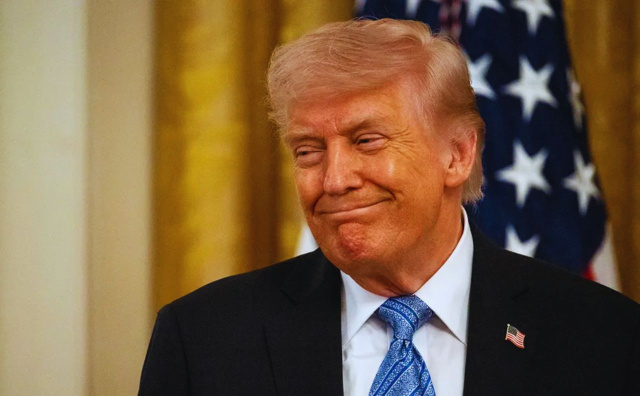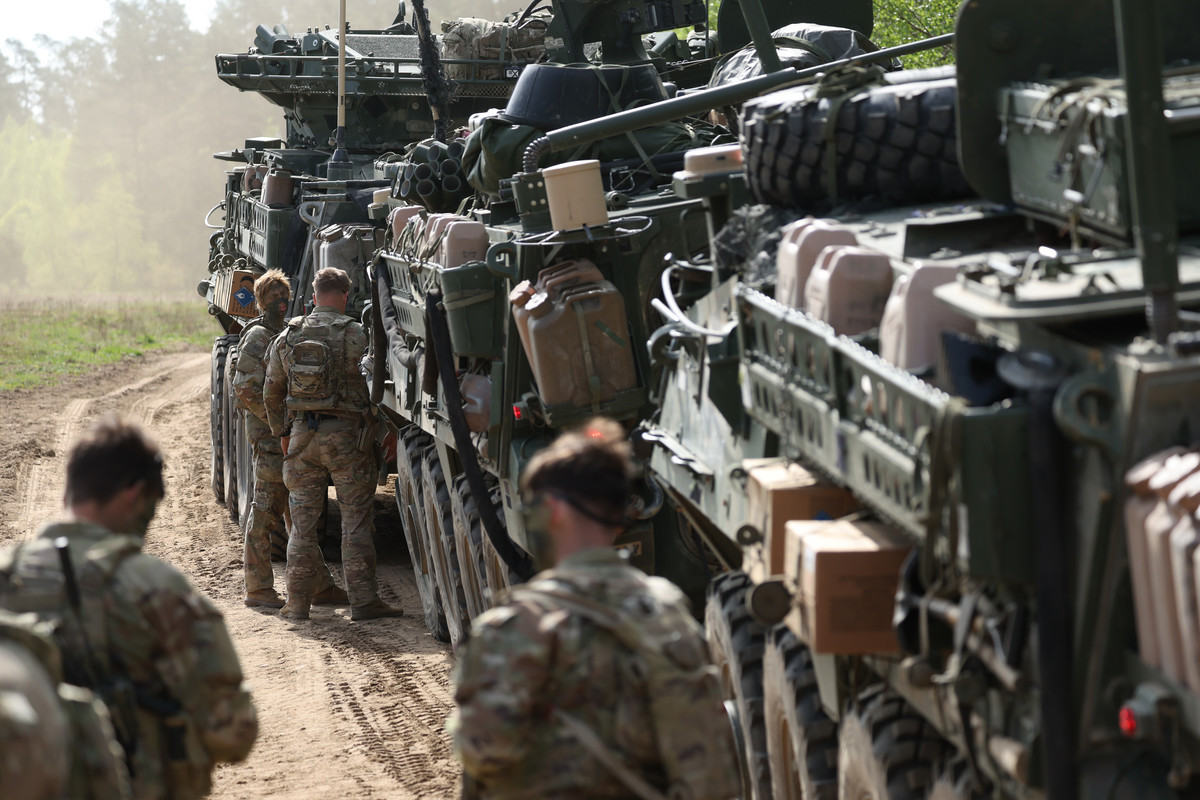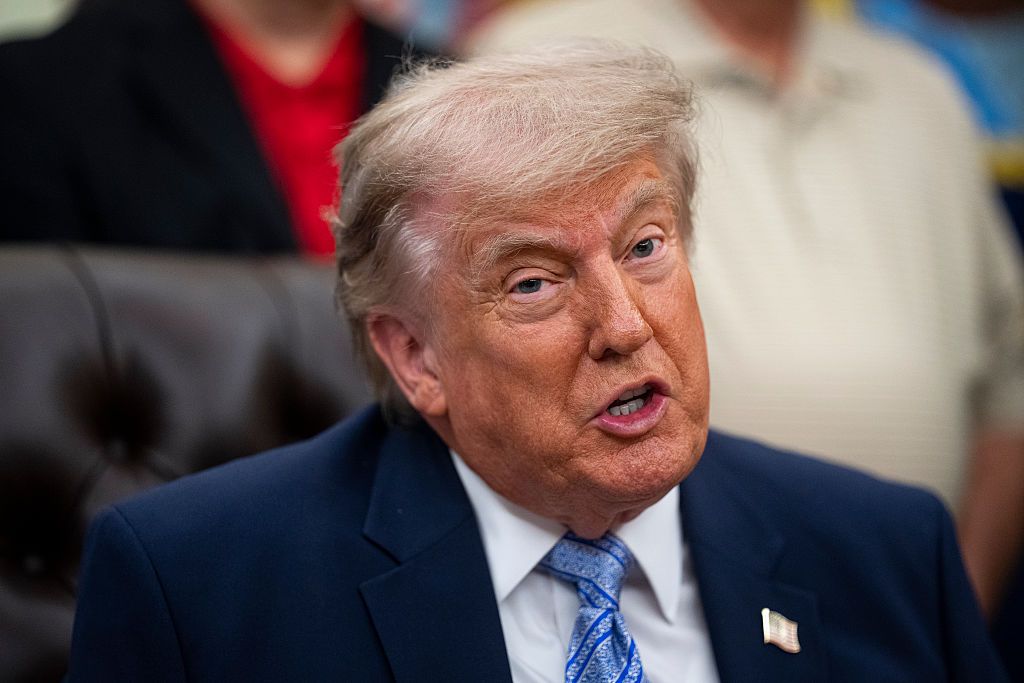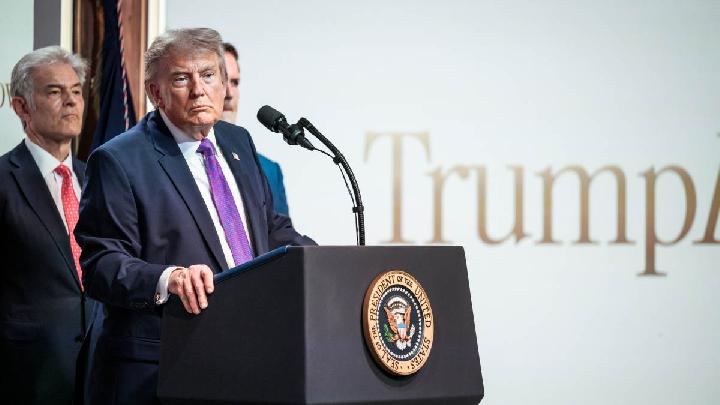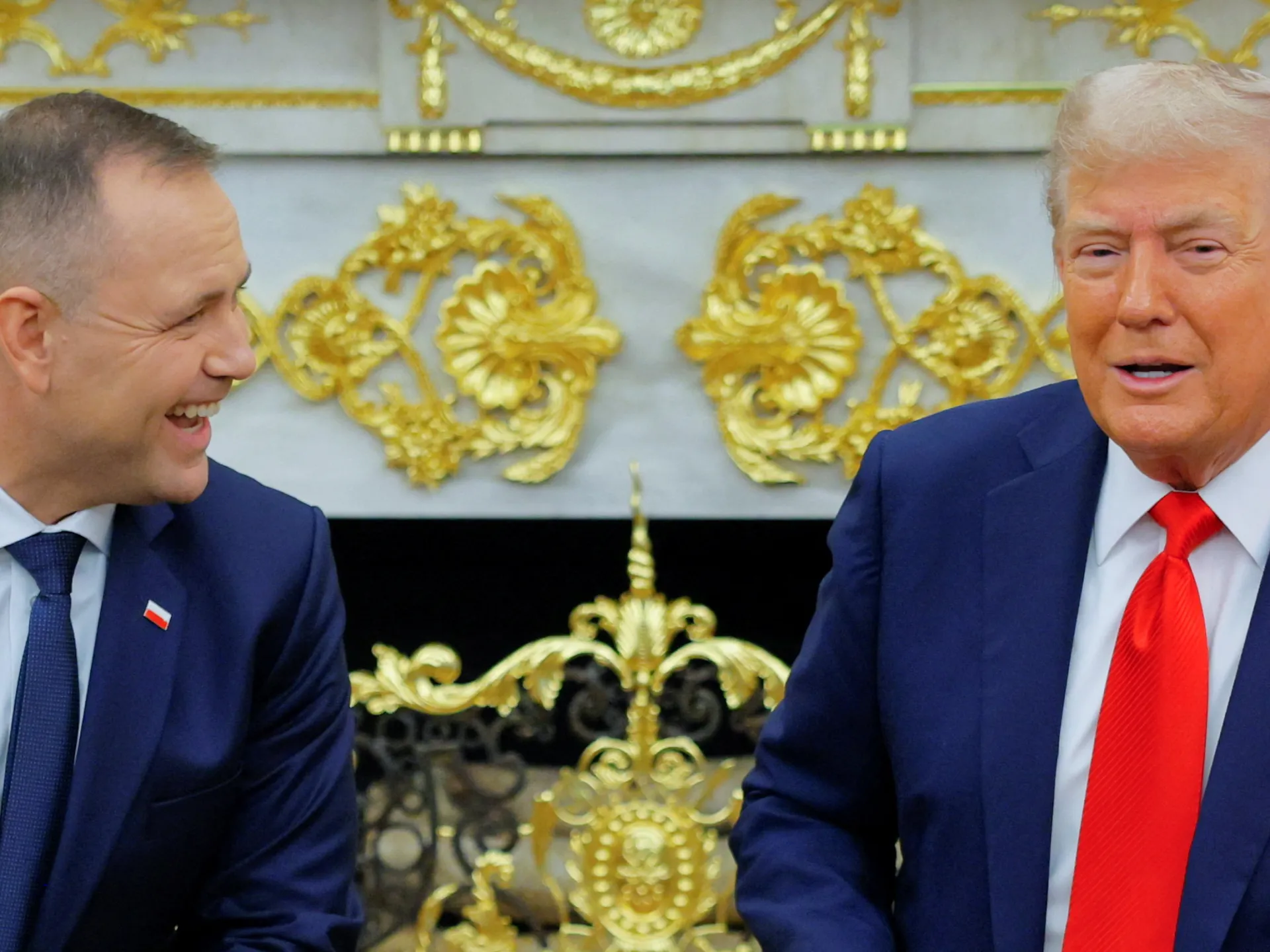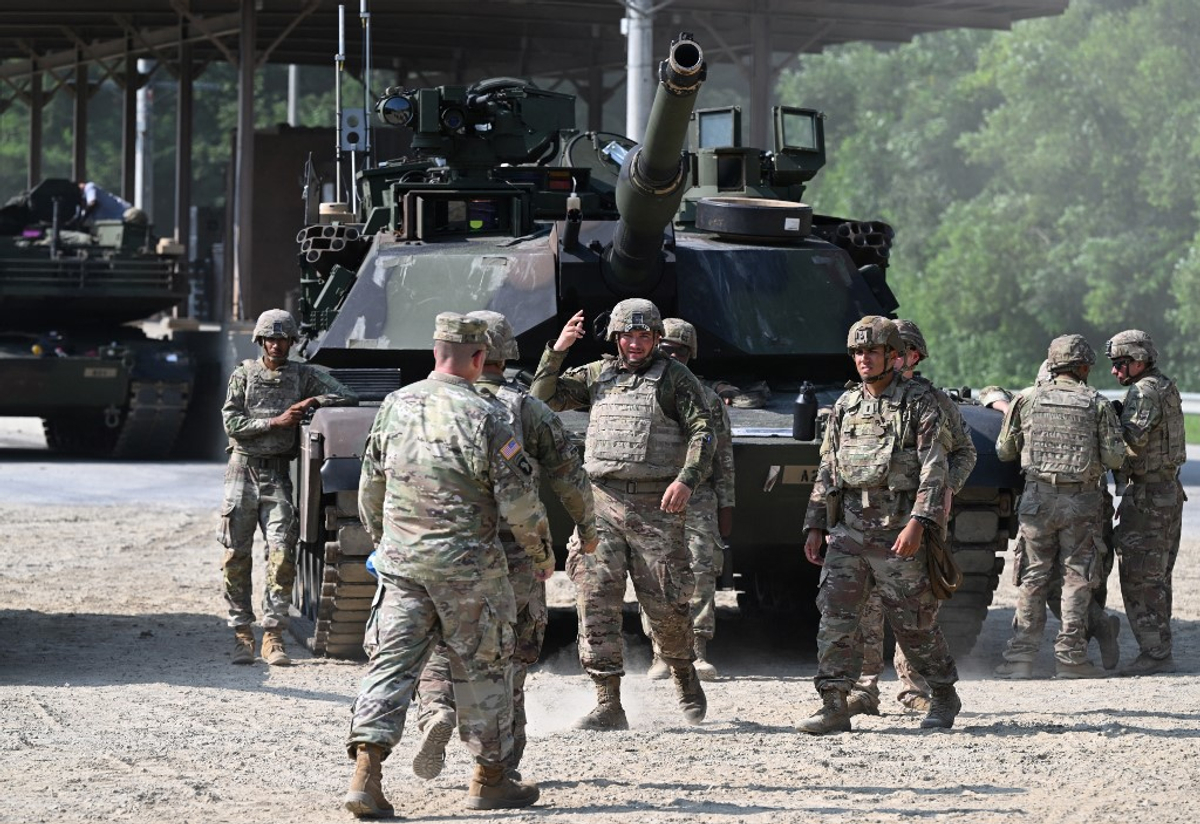
On May 15, the United States halted the ongoing rotation of 4,000 soldiers out of the roughly 10,000 American troops stationed in Poland. The reasons behind the decision remain unclear. Pentagon officials describe it as a planned force review, while other sources claim the process was interrupted mid-rotation. Soldiers reportedly learned about the changes in real time, and some equipment had already begun moving. Public reaction was immediate. A debate quickly erupted over the credibility of American security guarantees. Poland had long been portrayed by Donald Trump and his circle as a model ally of the United States. On Thursday, May 21, the US president, citing his relationship with President Nawrocki and endorsing him in the election, announced an increase of 5,000 troops in Poland.JOIN US ON TELEGRAMFollow our coverage of the war on the @Kyivpost_official. At this point, however, it is still unclear what form this will take – whether these are additional forces or a replacement for the 4,000 troops whose rotation was suspended. The majority of the American military presence in Poland is rotational rather than permanent, making it significantly easier to withdraw. As the weaker ally, Poland fears abandonment. The United States, meanwhile, may not want to become entangled in Poland’s security problems with Russia and Belarus – especially amid warming relations between Washington and Minsk, and the possibility of future rapprochement with Moscow.
More US Troops in Poland. Time for Nuke Capabilities?
After days of chaos over halting troop rotations to Poland, Trump ordered more US troops. But uncertainty remains.
984 words~4 min read