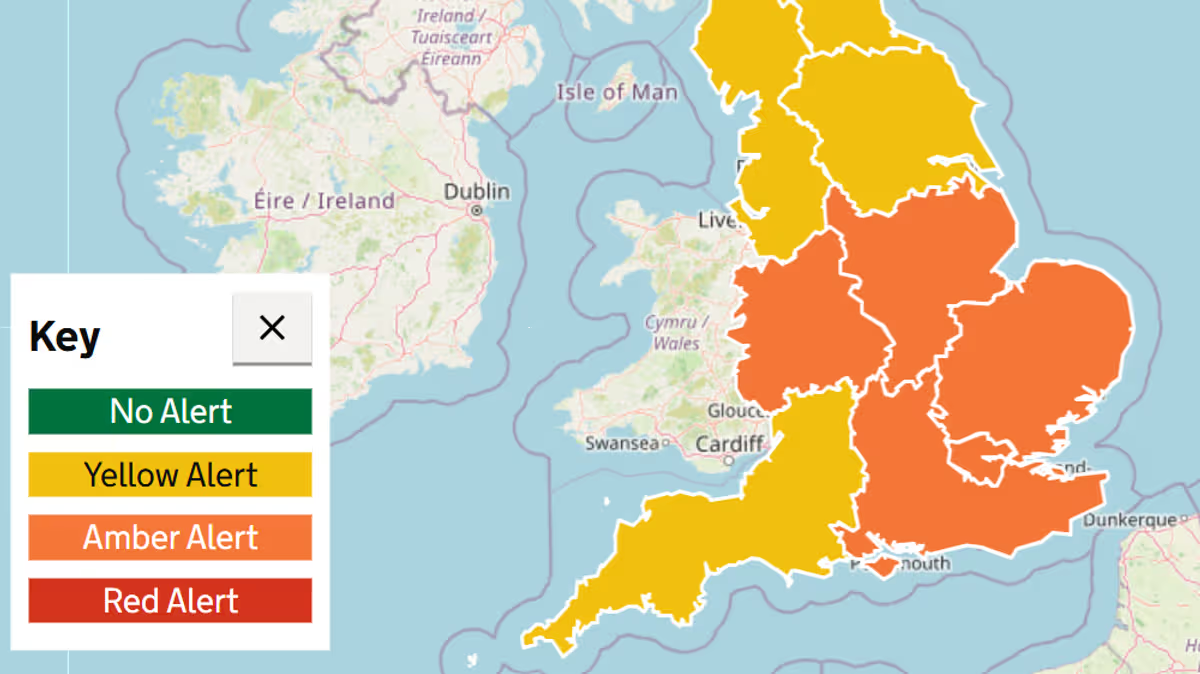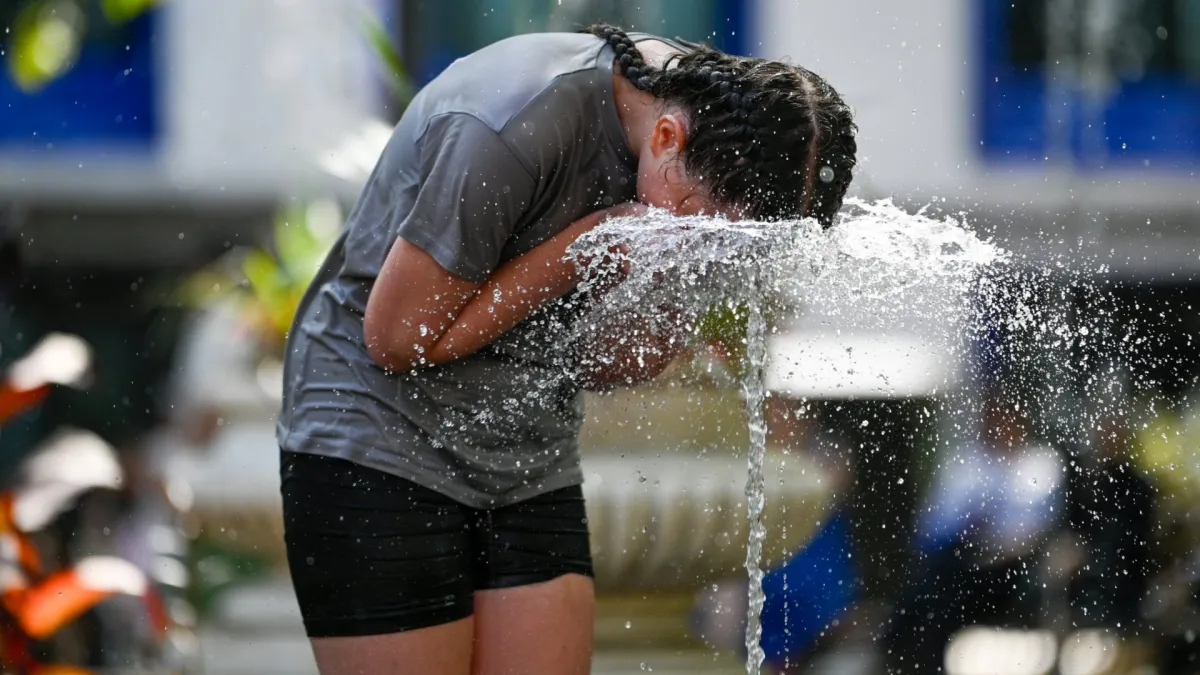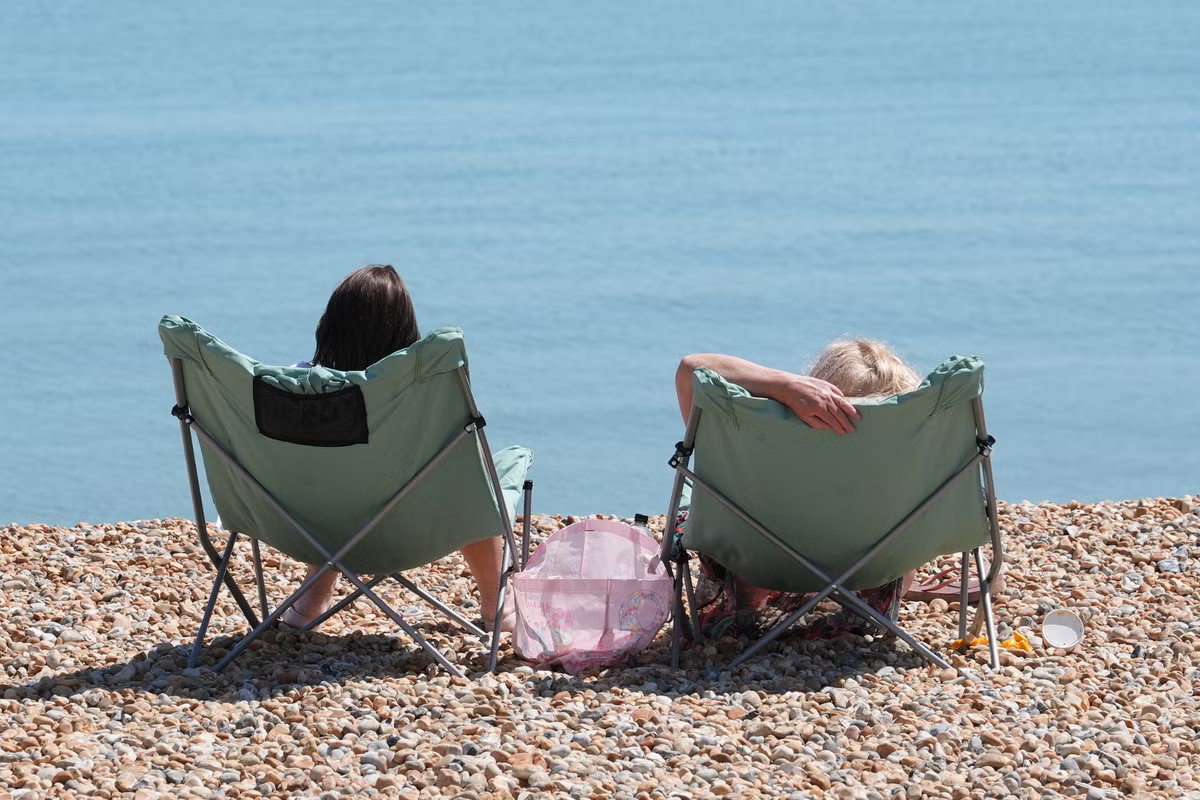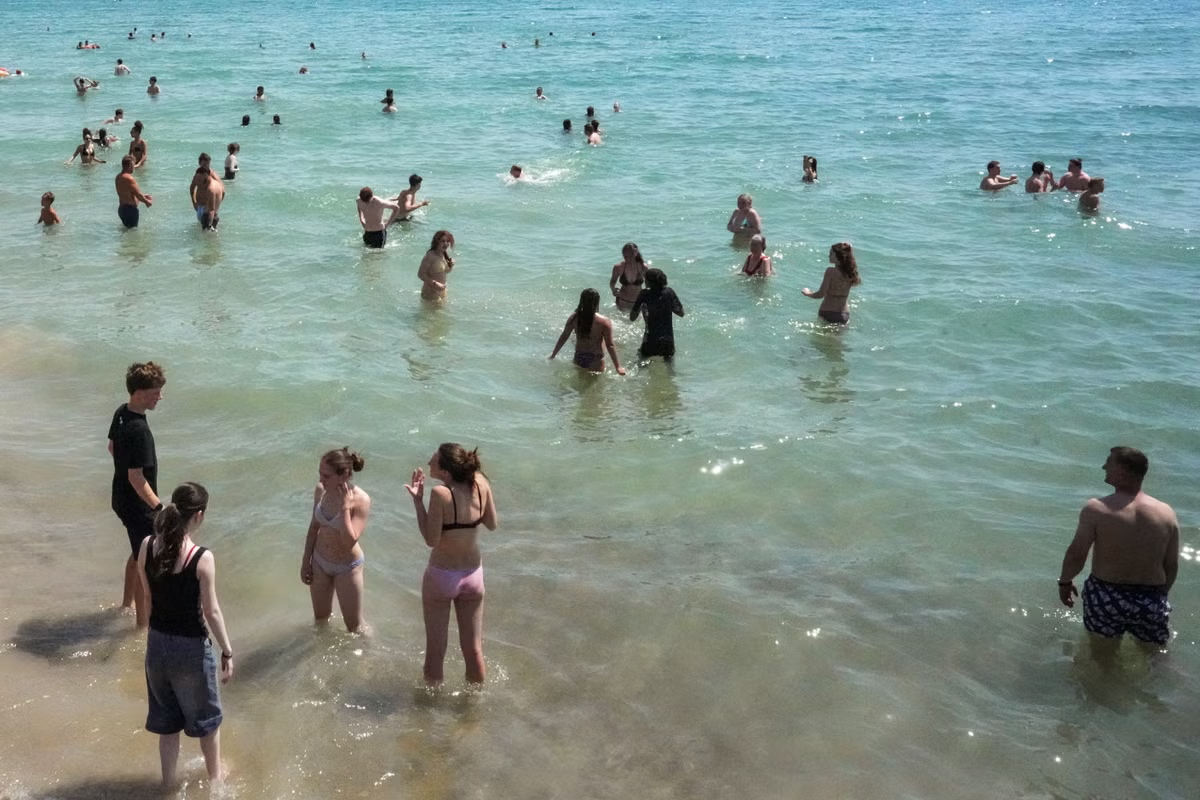
Health officials have issued an amber heat health alert for a number of regions in England.The alerts – which mean significant impacts are likely across health and care services – cover the East Midlands, West Midlands, the east of England, London and the South East.They are in place from 2pm on Friday until 5pm next Wednesday and replace less severe yellow alerts which were previously in place.But what do the alerts mean and how can vulnerable people stay safe?What alerts are in place?The UK Health Security Agency issued an amber heat health alert for the East Midlands, West Midlands, the East of England, London and the South East, with yellow alerts in place for the South West, North West, North East and Yorkshire and the Humber.What do these alerts mean?The alert system aims to provide an early warning to healthcare providers, the social care sector, voluntary organisations and Government departments that temperatures are likely to impact the health of the population.The alerts – yellow, amber or red – depend on the level of impact expected.Yellow alerts usually mean temperatures are unlikely to impact most people, but those who are particularly vulnerable may struggle to cope.However, an amber alert would indicate the impact is expected to be felt across the whole of the health service, with the potential for the whole population to be at risk. In these circumstances, a co-ordinated response from services is required.When are they in place until?The alerts are in place from 2pm on Friday until 5pm next Wednesday.Which groups are particularly vulnerable in hot weather?According to the NHS, the most vulnerable groups are older people, especially women over the age of 75, or those who live alone or in a care home.People with long-term illnesses such as heart or lung conditions, diabetes, Parkinson’s and some mental health conditions are at a higher risk, as well as patients on multiple medicines.Babies and very young children will also find it hard to keep cool, along with people dependent on alcohol or drugs or people with Alzheimer’s disease.What are the main risks?Not drinking enough water, which can cause dehydration, while overheating can make symptoms worse for people with heart or breathing problems.Heat exhaustion can happen when the body overheats and loses too much water and salt.Signs include tiredness, dizziness, headaches, feeling sick, excessive sweating and being very thirsty.If people do not cool down within 30 minutes, heat exhaustion can lead to heatstroke, a life-threatening illness.If you suspect someone has heat exhaustion, the NHS advises to move them to a cool place, remove all unnecessary clothing, giving them cool water or a sports drink, and cooling their skin by spraying cool water or fanning them.How can vulnerable groups stay safe in a heatwave?The NHS advises people to stay out of the sun where possible, especially between 11am and 3pm.Wear sunscreen, a hat and light clothes, avoid exercise, alcohol, caffeine and hot drinks, and opt for cold food and drinks.People can also keep their homes cool by closing windows during the day and opening them at night once the temperatures have fallen. Electric fans can also help if the temperature is below 35C, the NHS said.
What is an amber heat health alert and how can vulnerable people stay safe?
Health alerts have been issued across much of the UK from Friday until next Wednesday
525 words~2 min read