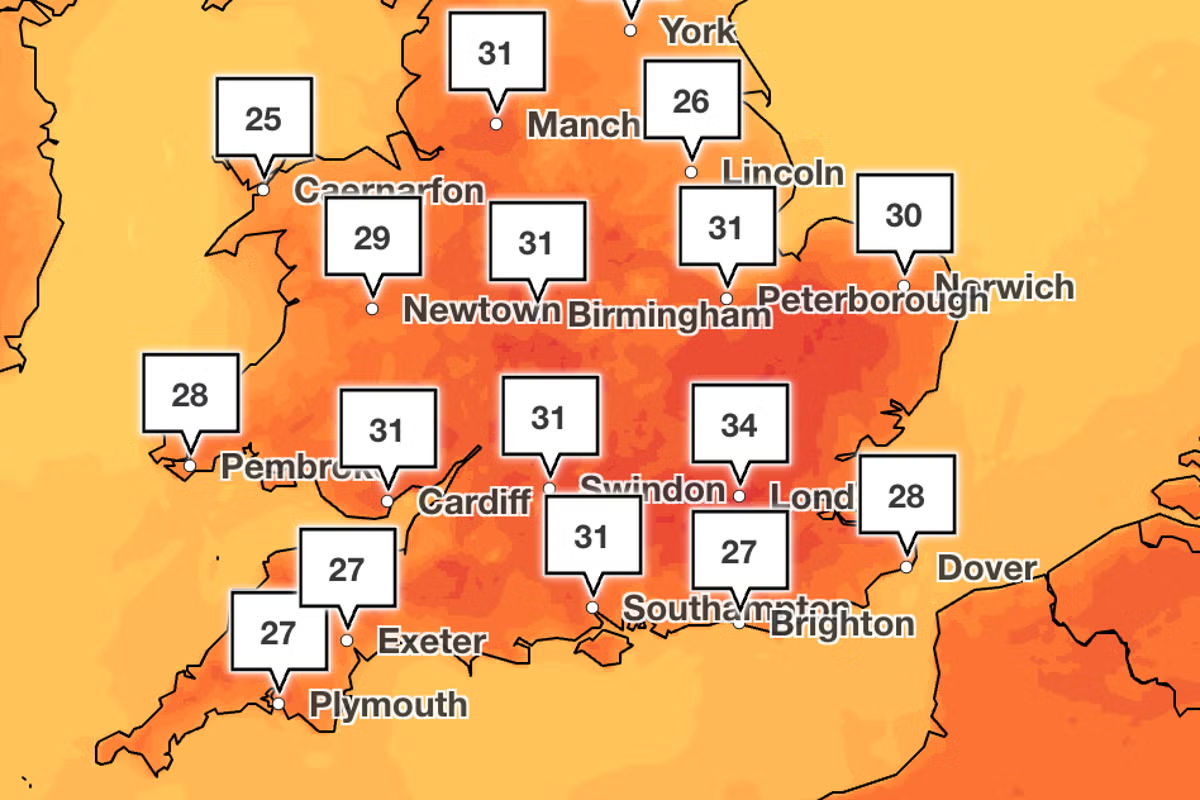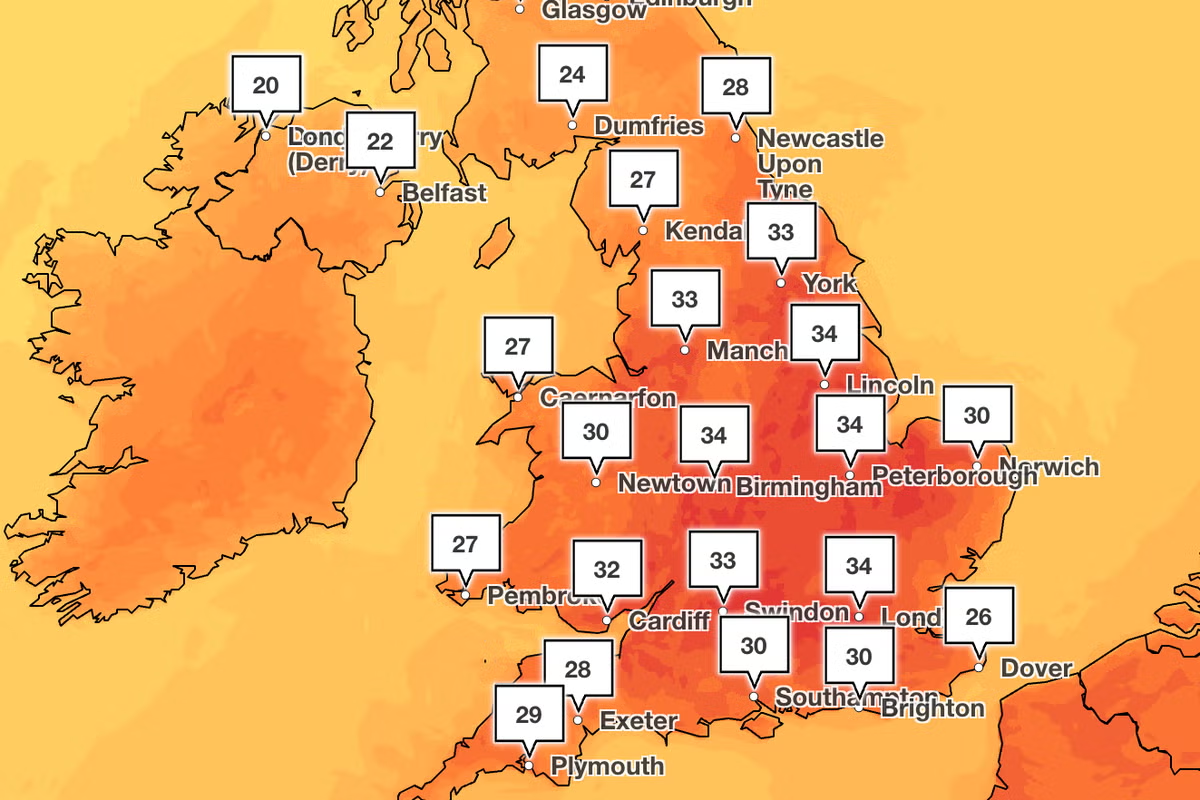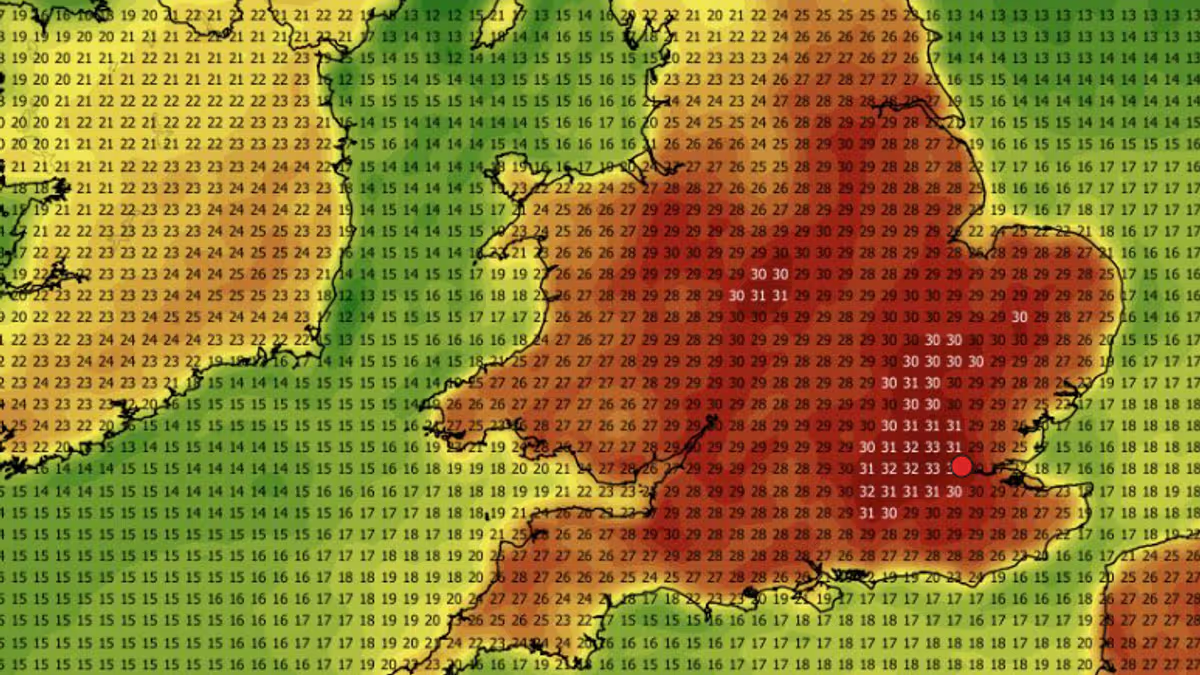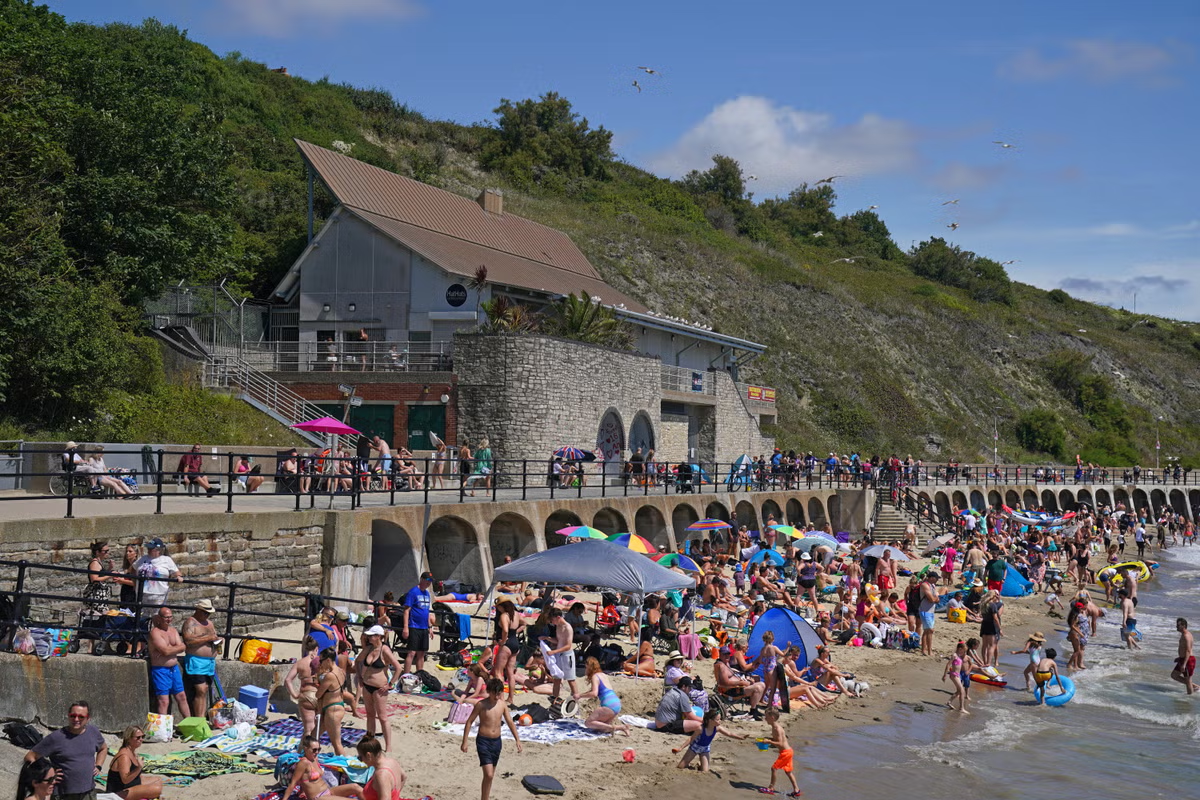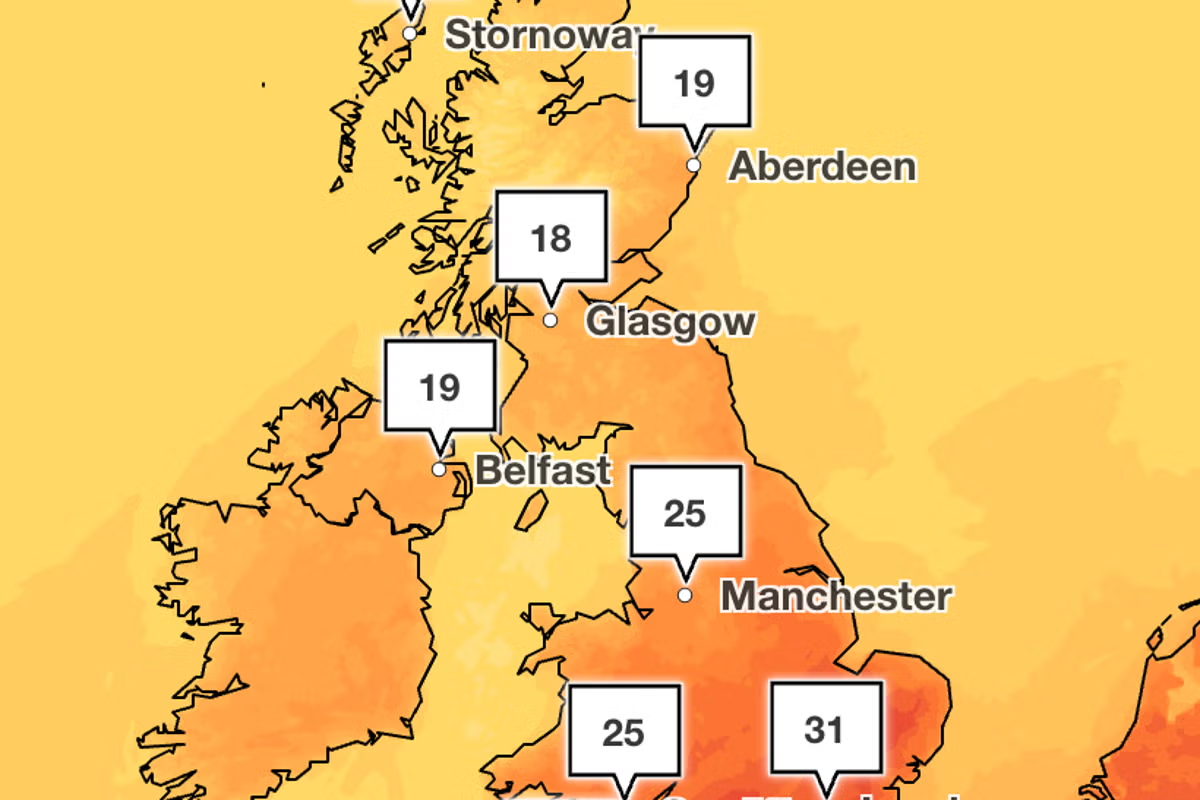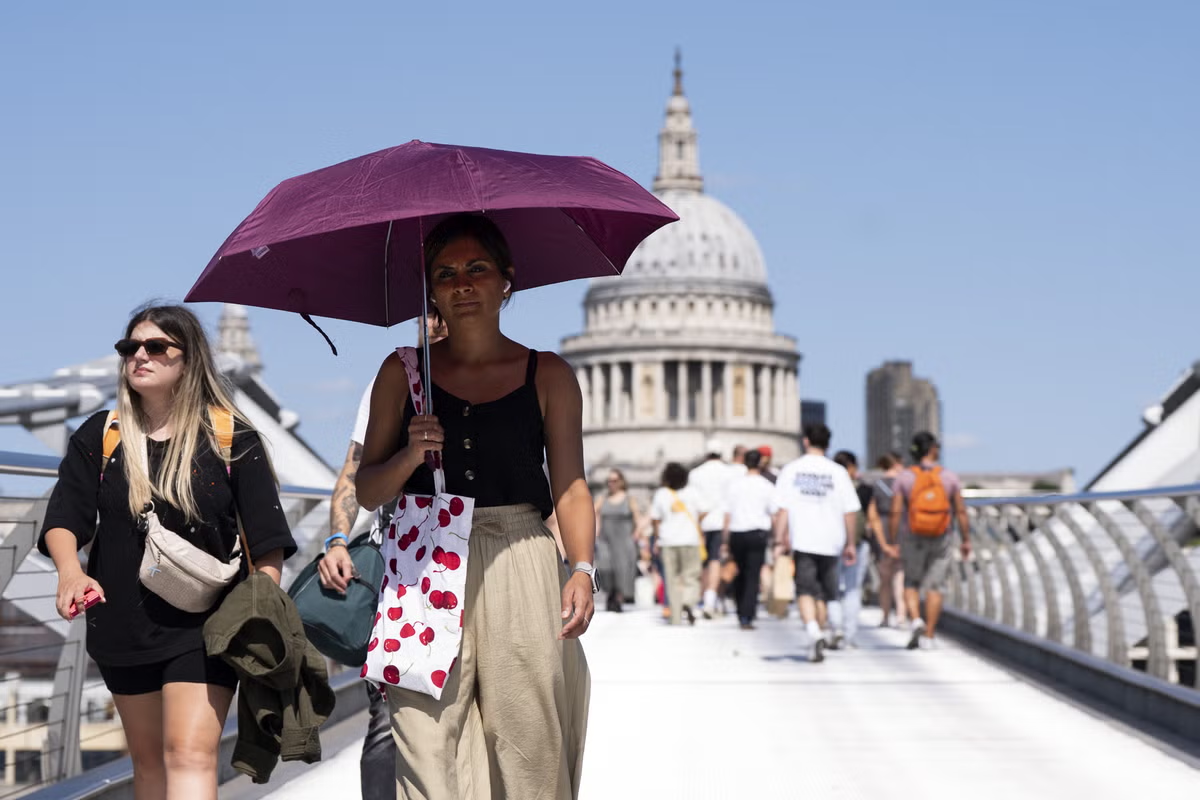
Swathes of the UK are officially entering heatwave territory over the bank holiday weekend, and beyond, with heat health alerts issued that are unusual so early in the year12:54, 22 May 2026Updated 12:54, 22 May 2026It's rare for heat health alerts to be issued in May, but large parts of the country will see scorching temperatures over the next few days.An Amber alert has been issued for the Midlands, as well as Eastern and South Eastern England, upgraded on May 22 from Yellow. Other regions which previously did not have a heat health alert have been issued a Yellow warning: the South West, North East, North West, and Yorkshire and Humber. The alerts go on until Wednesday 28 May, at 5pm and the UK Health Security Agency (UKHSA) who issue them have called it "extraordinary" to have to do so at this early stage in the year.Normally, this kind of heat health alert is only issued between June and September, but temperatures in some areas are predicted to get as high as 33 degrees on Bank Holiday Monday, which would make it the hottest day in May every recorded in the UK, at the moment the highest recorded temperature in May was 32.8 degrees, back in 1944.READ MORE: Met Office urges UK households to keep curtains closed over Bank HolidayREAD MORE: Met Office forecasts 33C record-breaking heatwave as 21 counties hit 30C – listThe heat health alerts are there to keep health and social care services informed of what they need to prepare for, because they will likely face increased demand, particularly from vulnerable groups like the elderly, as the population is impacted by the high temperatures. A heatwave officially begins when temperatures go over 26-28 degrees in a particular area for over three days, with these alerts set to last six, much of England will be firmly in this territory.What are heat health alerts?Heat health alerts are issued by the UKHSA to act as an early warning to the NHS, and other social care authorities that there is a threat to the public's health and wellbeing, which these essential services need to prepare for. The warnings operate on a colour system, similar to traffic lights, to mark how severe the threat is to the population and public services from high temperatures.Green: No warning is in place, which means its not likely that the temperature would have any significant impact on people or public services.Yellow : A yellow warning issued means that higher temperatures than normal are likely to have an impact on vulnerable groups of people, like the elderly, or those who are unwell.Amber: When amber alerts are issued, it means that the whole population might be affected by high temperatures, and that services like public transport and NHS will be likely disrupted.Red: Red is the most severe heat health warning, and the emergency response level this means temperatures have got so high there is a "significant risk to life" even to healthy people and that our most important infrastructure will be threatened by the adverse conditions.Rail companies issue warningIn the areas affected by an amber alert, rail companies have issued their own warnings, including Network Rail and Southern Rail. Network Rail tells customers to make sure they are prepared for higher temperatures than usual whilst travelling, including bringing water bottles, and not getting onboard a train if they start feeling unwell.They've also warned that people should expect train journeys to take longer than normal, and stay abreast of any delays. Southern Rail has said their services, particularly those taking passengers to the coast, are most likely going to be busier than usual, so customers should be aware of this when planning journeys.'Extraordinary' alert and how to stay coolThe UKHSA have said this level of heat health alerts at this time of year is "extraordinary", with Dr Anya Gopfert, public health expert at UKHSA warning that there is a "real risk to the most vulnerable," over the next few days. Doctors and emergency responders will be preparing to deal with cases of heat stroke, exhaustion and dehydration.It's advised that young children and elderly people avoid going outside in the hottest parts of the day - they are two of the vulnerable groups, as well as those with long term health conditions. The sun is at its peak between 11am and 3pm, so try not to spend too long in the sunshine between these hours.Article continues belowUsing suncream, remaining hydrated, staying in the shade where possible, as well as covering up in light, loose clothing will help from getting overheated. Keeping your curtains or blinds closed in the daytime can also help keep your home as cool as possible.
'Extraordinary' heat health alerts as record May heat possible - what they mean
Swathes of the UK are officially entering heatwave territory over the bank holiday weekend, and beyond, with heat health alerts issued that are unusual so early in the year
779 words~4 min read