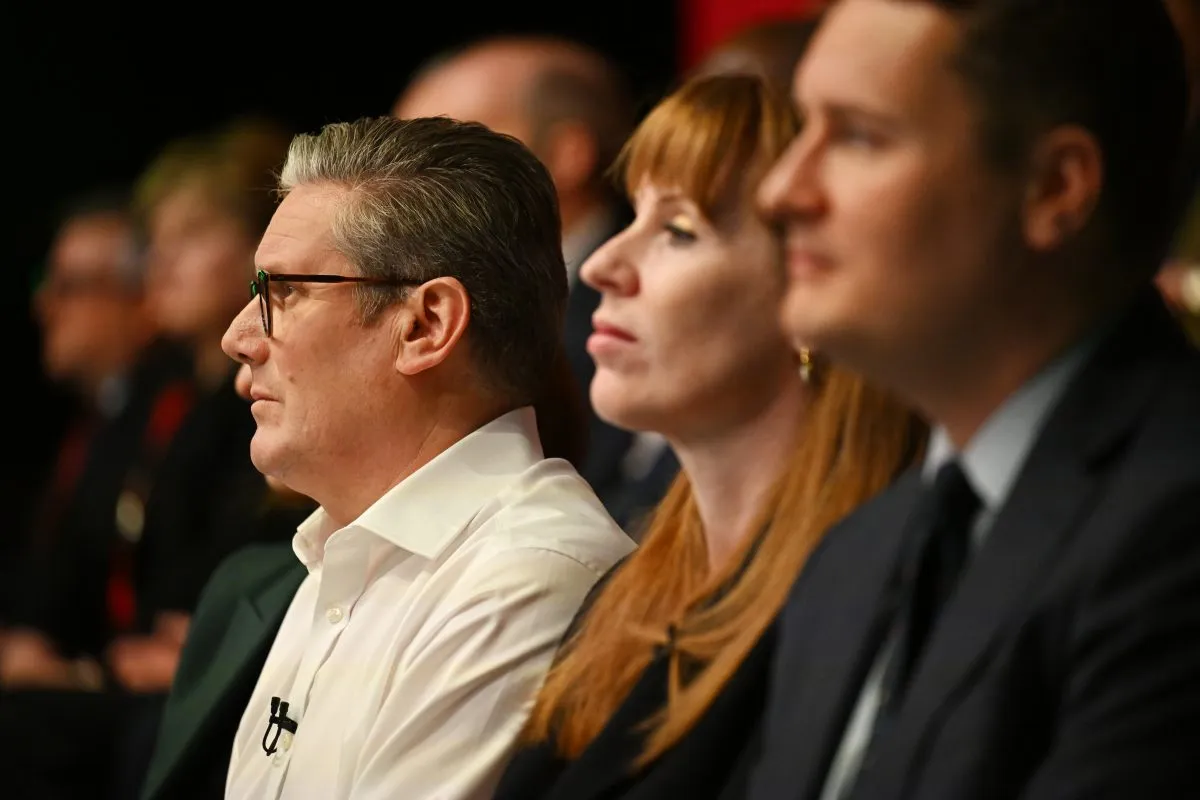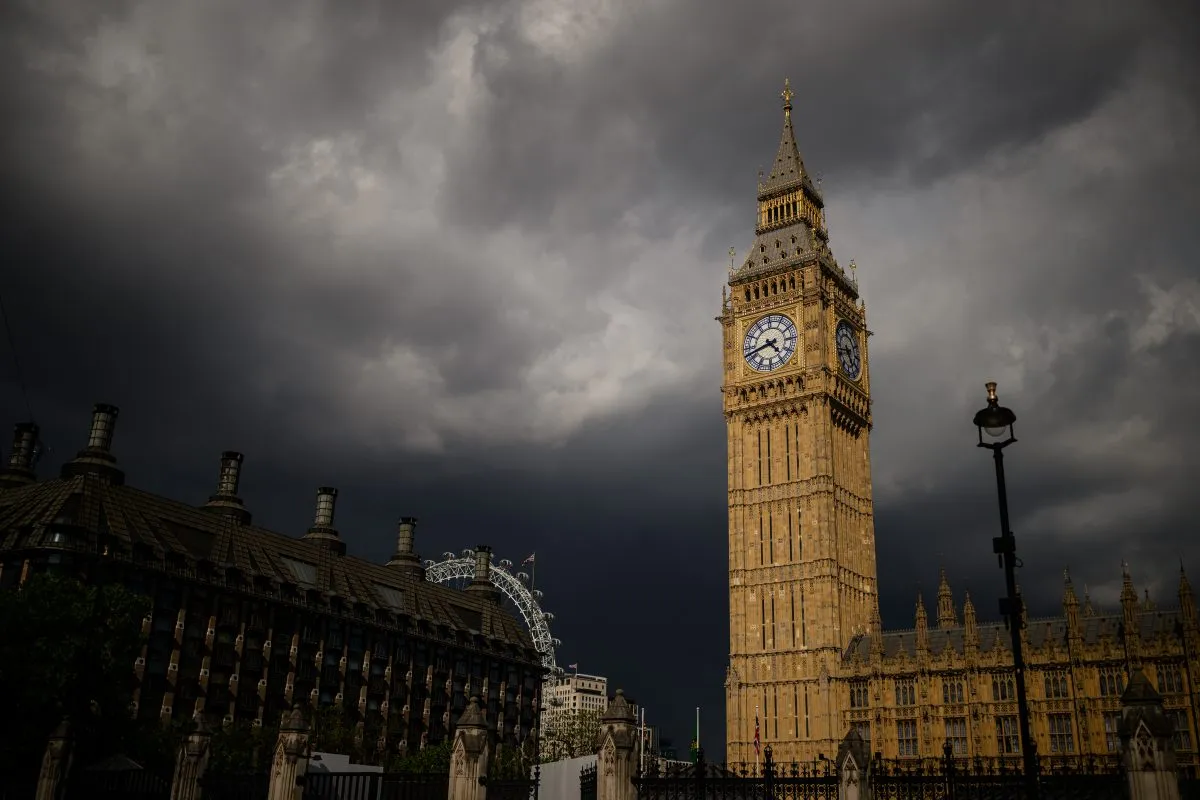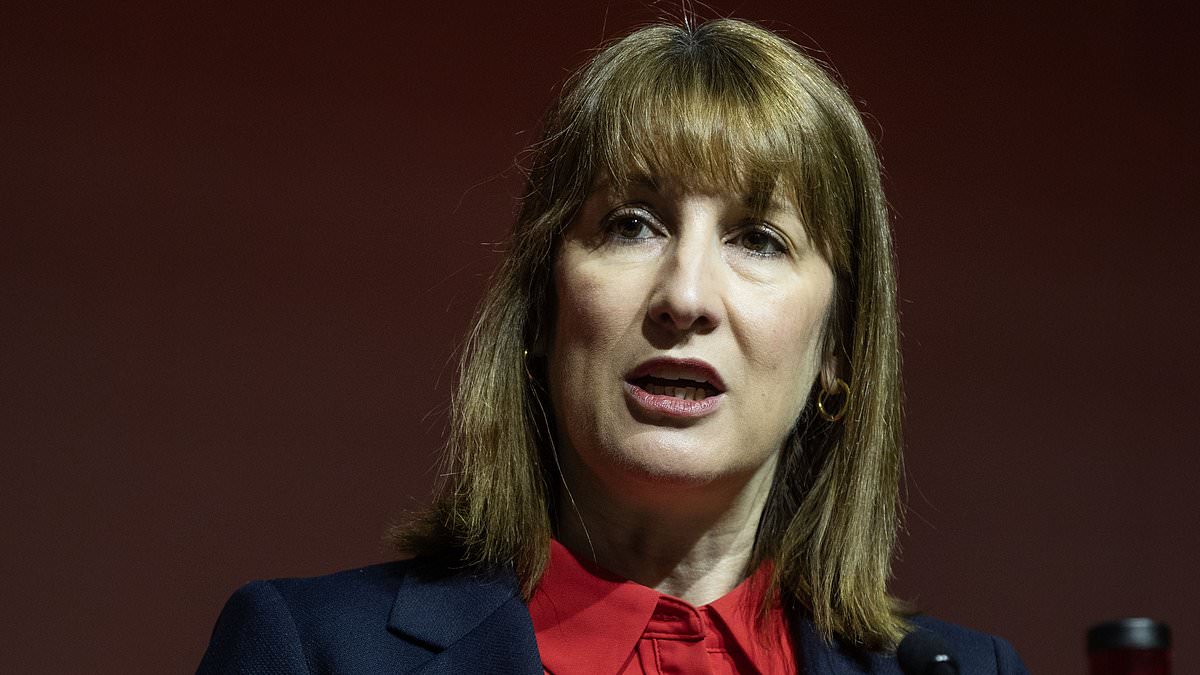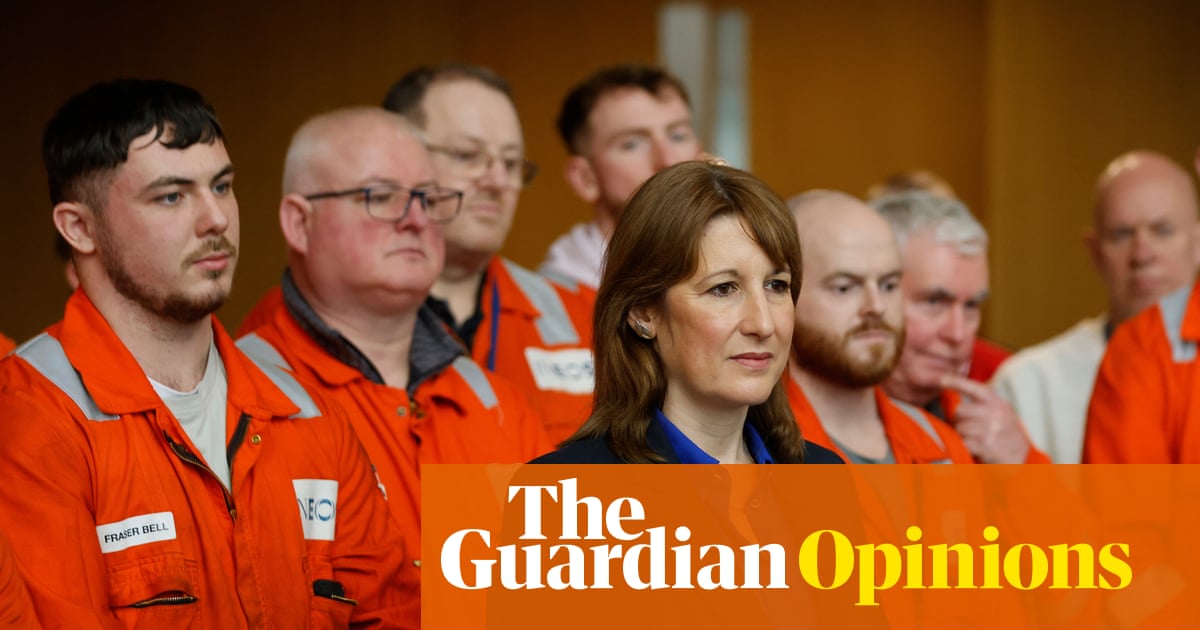
So far, Labour has staged a contested leadership election in government only once – 50 years ago, in 1976. The New Economics Foundation once declared 1976 to be post-war Britain’s happiest year, judging by income equality and public spending. Cosseted by memories of a hot summer of space hoppers and Swap Shop, the left-wing thinktank brushed over strikes, stagflation and Britain going – to use the obligatory phrase – cap in hand to the International Monetary Fund (IMF).
Compared with Labour’s current phoney war, that election was enviably swift. Harold Wilson resigned on 16 March; three rounds of voting by Labour MPs later, and James Callaghan entered Downing Street on 5 April. He announced to voters that there was ‘no soft option’ and that he couldn’t promise ‘any real easement’. The pound continued to slide; inflation remained in double digits; the IMF was soon called in. Callaghan agreed to £2.5 billion in cuts, including the most stringent NHS budget reduction in its 77-year history.
Most popular
Brendan O’Neill
Ben-Gvir’s crass gloating isn’t the worst thing about the Gaza flotilla