Wednesday 20 May 2026 5:31 am
| Updated:
Tuesday 19 May 2026 9:43 am
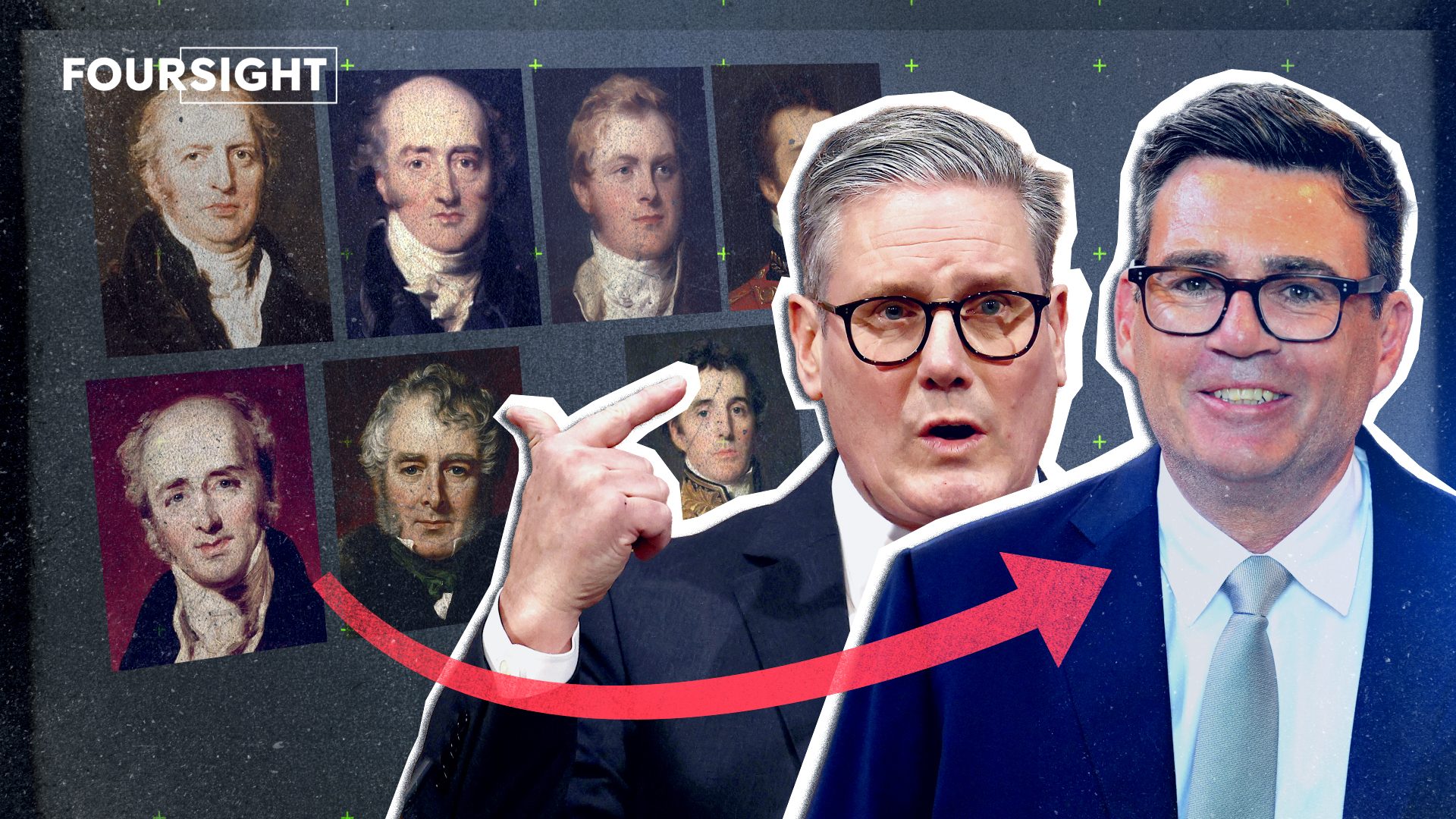
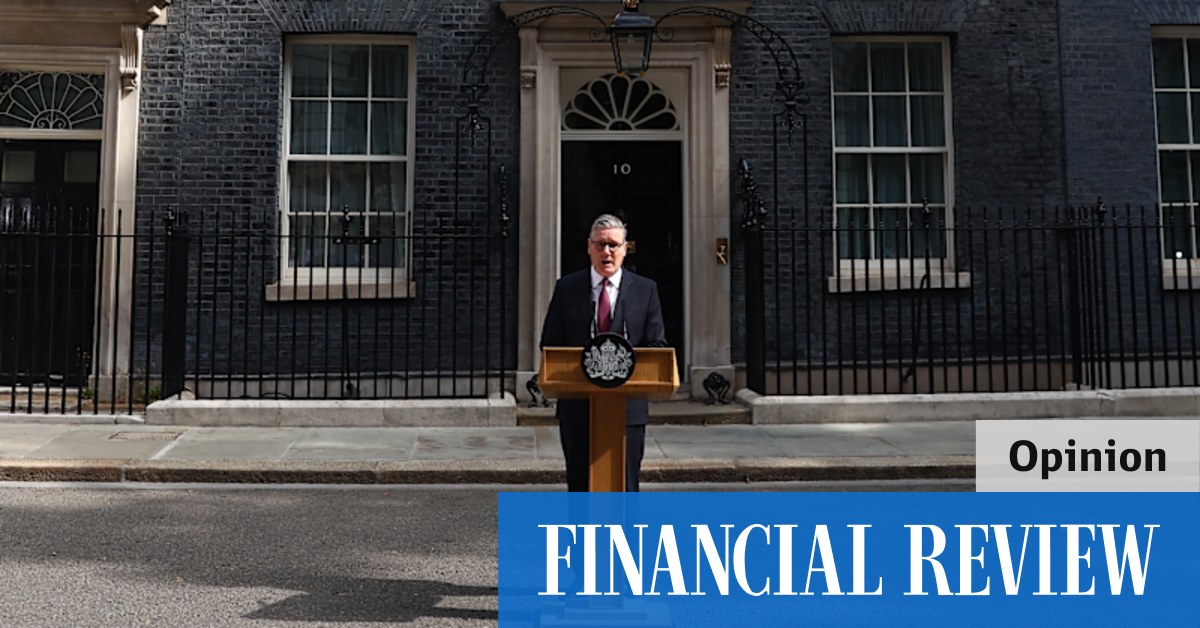
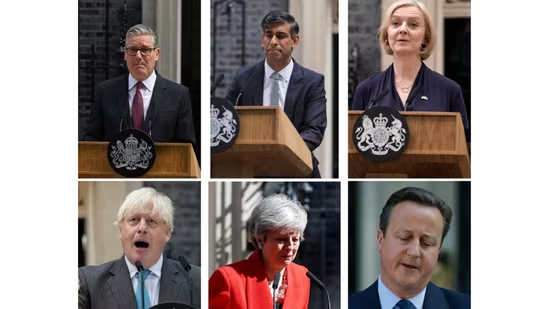
Not since Tony Blair has Britain had a political leader who was able to win a general election and actually enact major policy change. Which means that for people of my generation and younger, our entire adult lives have been lived under governments who couldn’t actually govern, says Emma RevellHere we go again.After a week of will they, won’t they, a few brave souls within the Cabinet finally plucked up the courage to tell Keir Starmer the game was up. Nearly two years of drift and indecision culminated in abysmal local, Welsh and Scottish election results and his colleagues decided he had to go.Wes Streeting was the one who eventually decided to go over the top and commit to a resignation. And although the leadership contest hasn’t officially begun – according to Labour Party procedures – a by-election has been called, Andy Burnham is clear to run, and we all know where this is heading. A summer leadership contest and in all likelihood a new Prime Minister.If it all sounds familiar, it should. We’ve seen this film before.The total collapse of Starmer’s authority might have come earlier than some predicted. Yet while he has more than outlasted a decomposing lettuce, the bar clearly used to be higher. Despite the overwhelming parliamentary majorities secured by Starmer and Boris Johnson, the last PM to see out a full parliamentary term was David Cameron, more than 10 years and seven incumbents ago. And even then he had to govern in coalition – resigning in 2016 barely a year after he won a narrow majority of his own (though of course it would have been impossible for him to have stayed long-term after the Brexit vote).In summary: not since Tony Blair has Britain had a political leader who was able to win a general election, govern for a full term and actually enact major policy change on multiple fronts without having to team up with another party. Which means that for people of my generation and younger, our entire adult lives have been lived under governments who couldn’t actually govern, at least not for very long.Breakdown in governanceThis breakdown in long-term governance has come alongside – and very probably been caused by – a period of stagnant wages and an almost total collapse in growth, to the point where a 0.6 per cent rise in GDP in the first quarter of this year was almost greeted by the popping of champagne corks in Whitehall.More recent years have seen new housebuilding nearly grind to a halt, worklessness shoot up to almost unprecedented levels, and spending on welfare exceed the total amount collected in income tax. As my colleagues at the Centre for Policy Studies have pointed out, our entire system of Budget setting encourages a ‘cake today, diet tomorrow’ mindset, with front-loaded spending and hypothetical belt-tightening pencilled in for a future that never seems to arrive – not least because the people offering the cake then get fired before they can start on the diet.And the impacts cannot be overstated.Schools in inner cities closing due to lack of children, families smaller than they otherwise could have been because the wannabe parents are spending their 20s and 30s still living with their own parents. People trapped in worklessness because we’ve made it too easy to claim benefits and too hard to create jobs. Businesses abandoned or sold because regulations and taxes are smothering entrepreneurship and risk-taking. A public sector so bloated and unrestrained that NASA is having trouble comprehending the size of the black holes.