Nearly half a century has passed since Margaret Thatcher skewered the incumbent PM James Callaghan at the 1979 election with her famous 'Labour Isn't Working' poster, which showed dole queues stretching across the horizon.
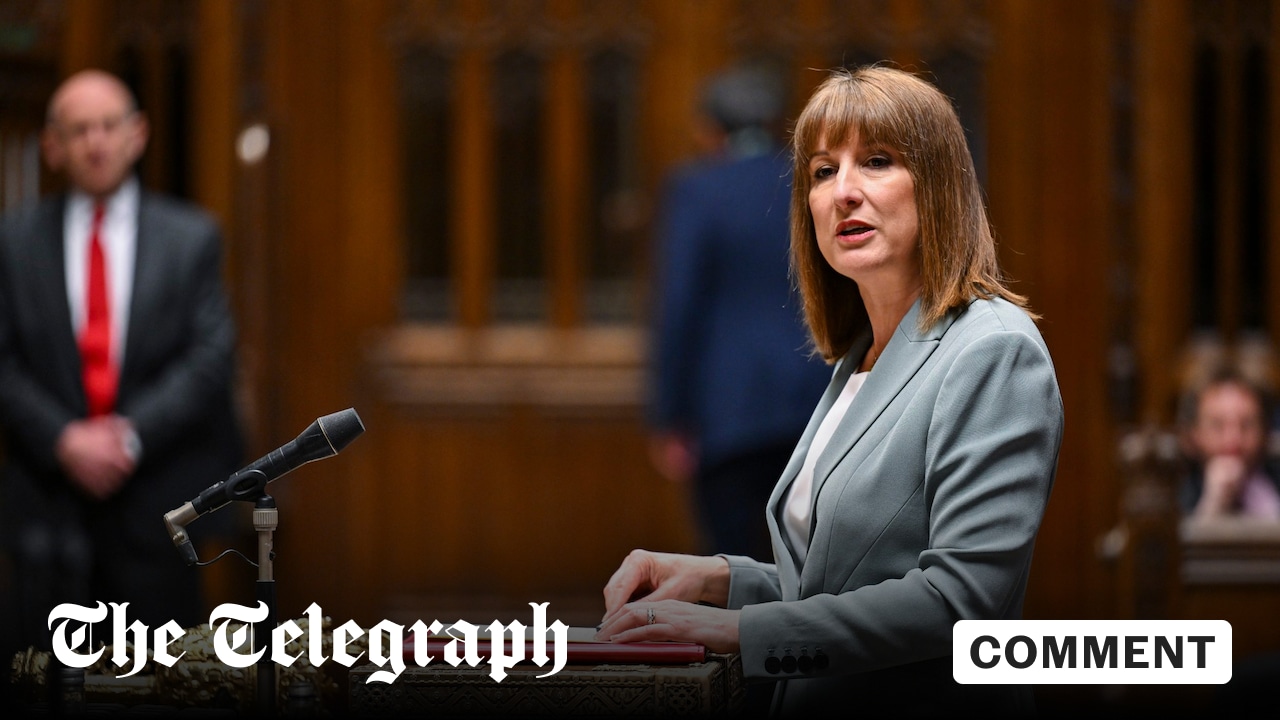
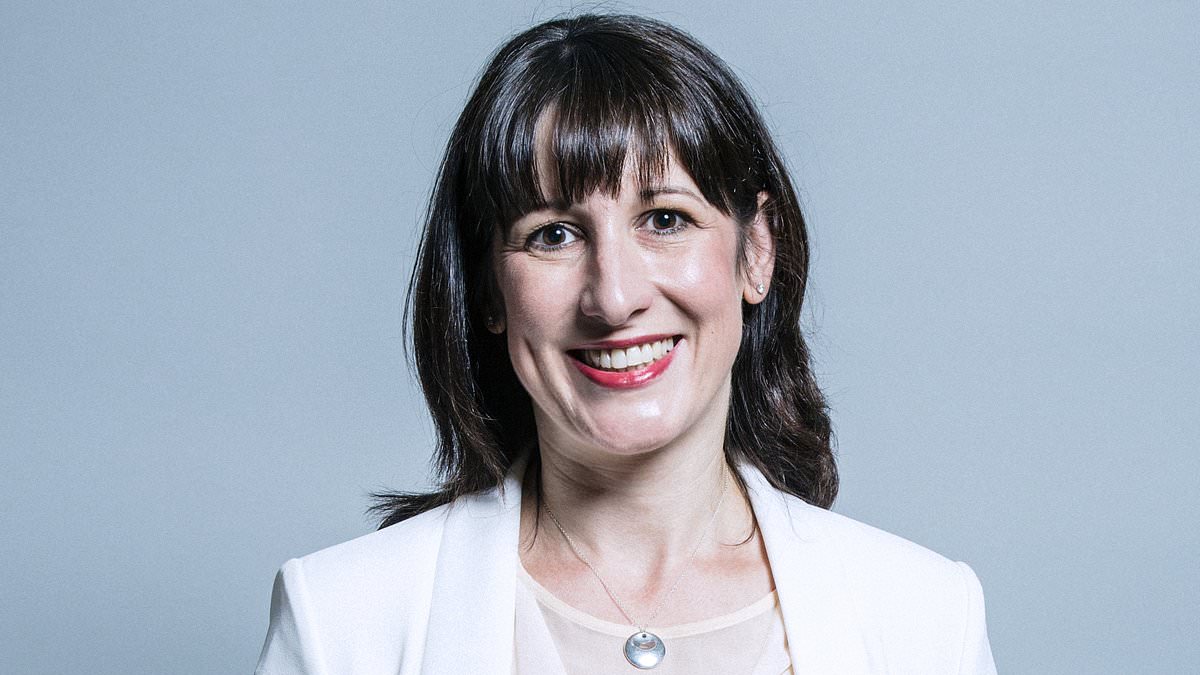
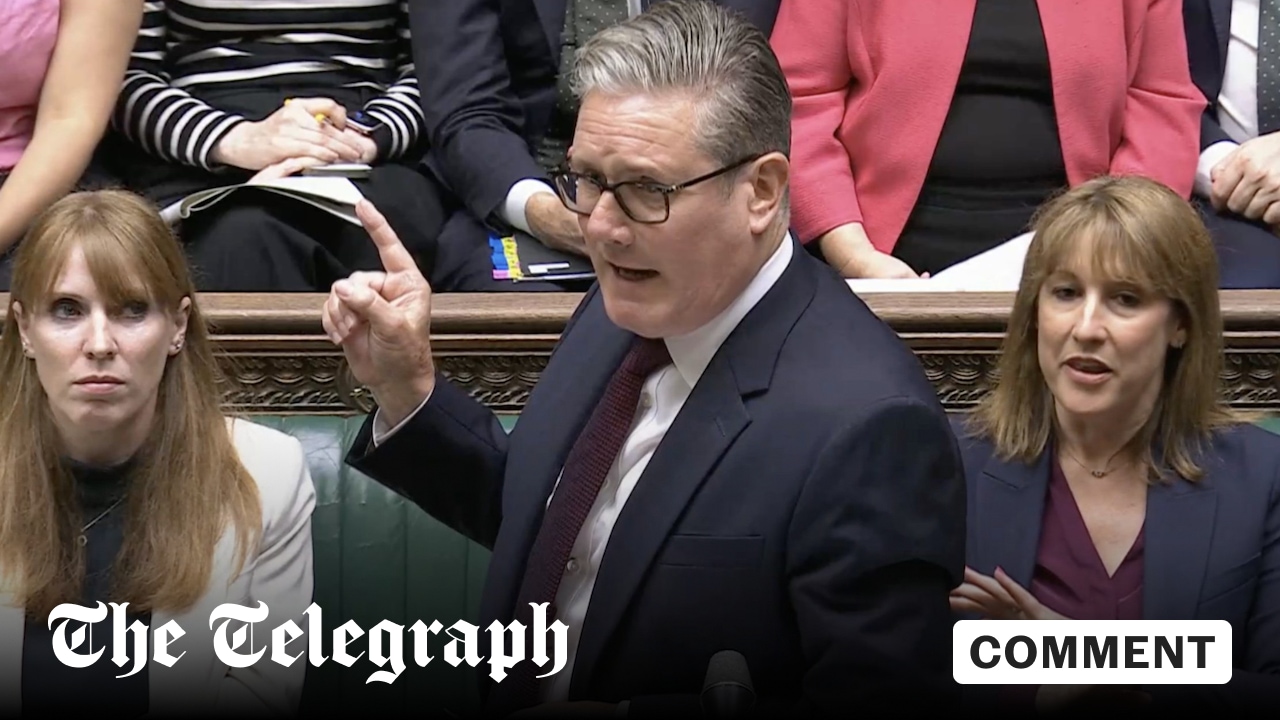
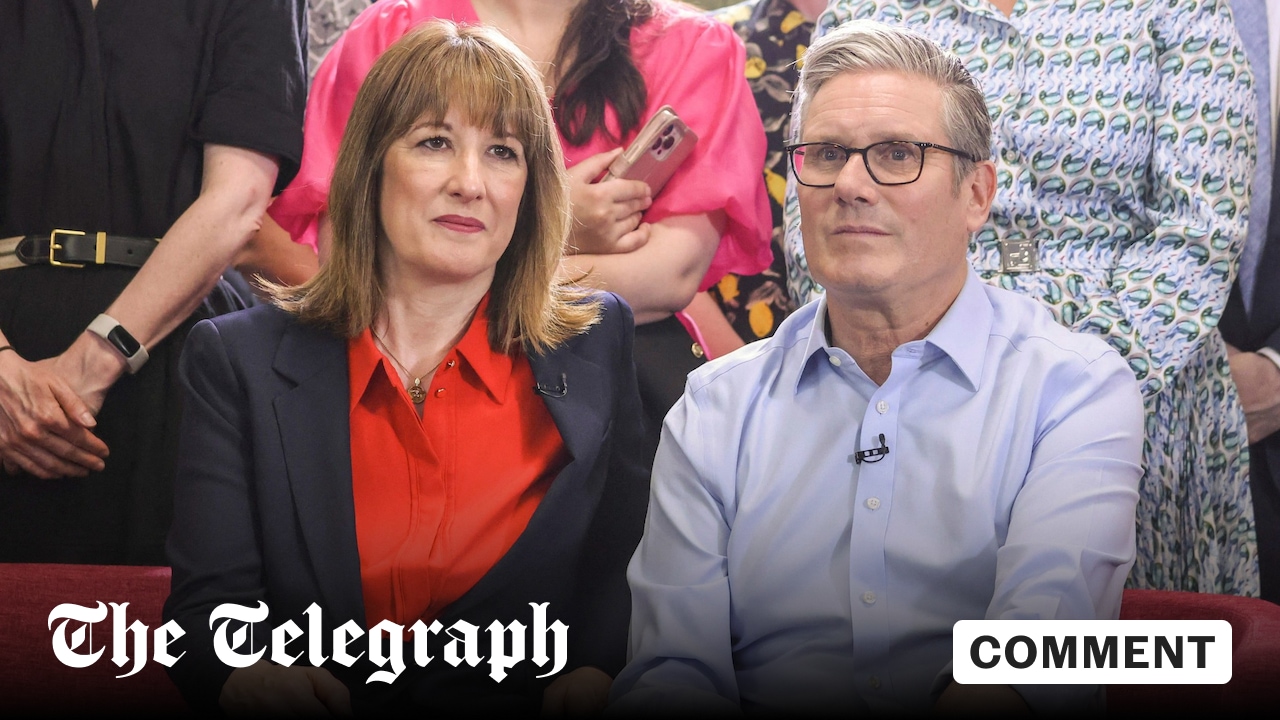
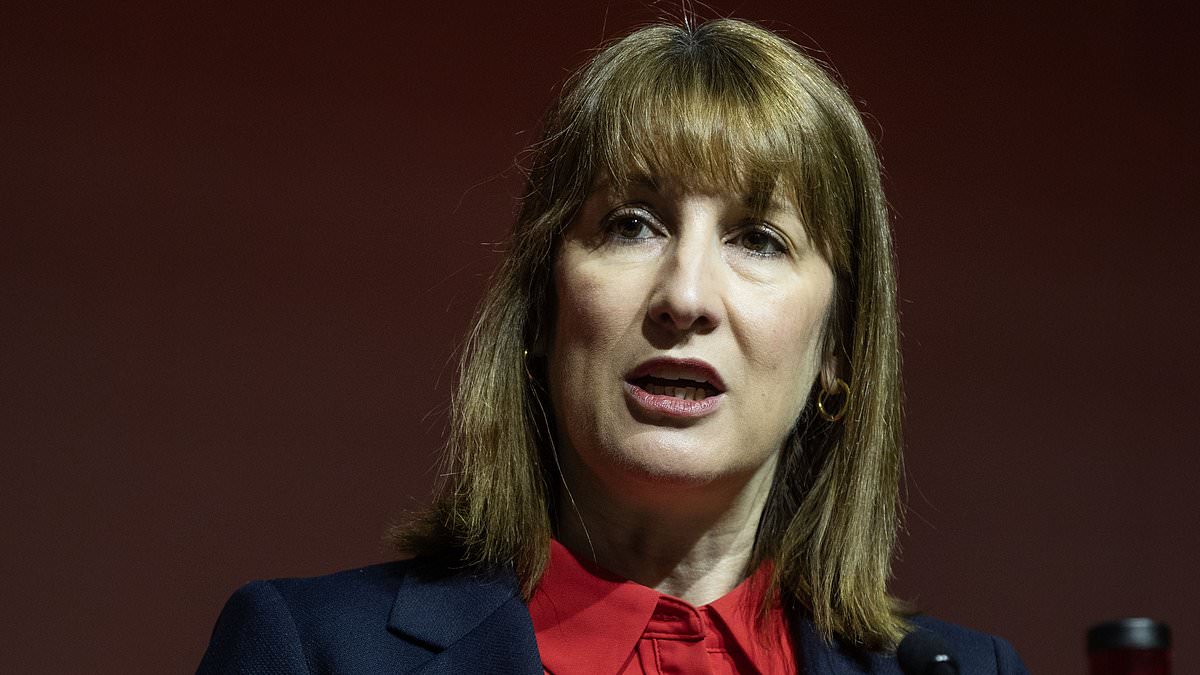
We are not quite there yet. But after years of low unemployment in Britain, Rachel Reeves and Sir Keir Starmer have brought chaos – in just 11 months – to what was one of the strongest labour markets in Europe.
Last October's Budget and its central and perhaps most hated policy – an increase in employers' National Insurance to 15 per cent – added no less than £23 billion to bosses' wage bills. And for all this Government's promise not to raise taxes on 'working people', it's now clear that this misguided and self-defeating pledge is having a vicious impact on jobs.
Companies are proving reluctant to take on new workers, are deliberately not replacing colleagues who move on and are taking the opportunity to cut costs by making people redundant.
The only silver lining is slowing wage increases, at least in the private sector, should make it possible for the Bank of England to lower interest rates by a further 0.25 per cent this summer to 4 per cent – making mortgages and borrowing cheaper. The public sector is another matter, of course, and has enjoyed lavish raises at the expense of the productive part of the economy – to say nothing of its far more generous gold-plated pensions, paid out of direct taxation.