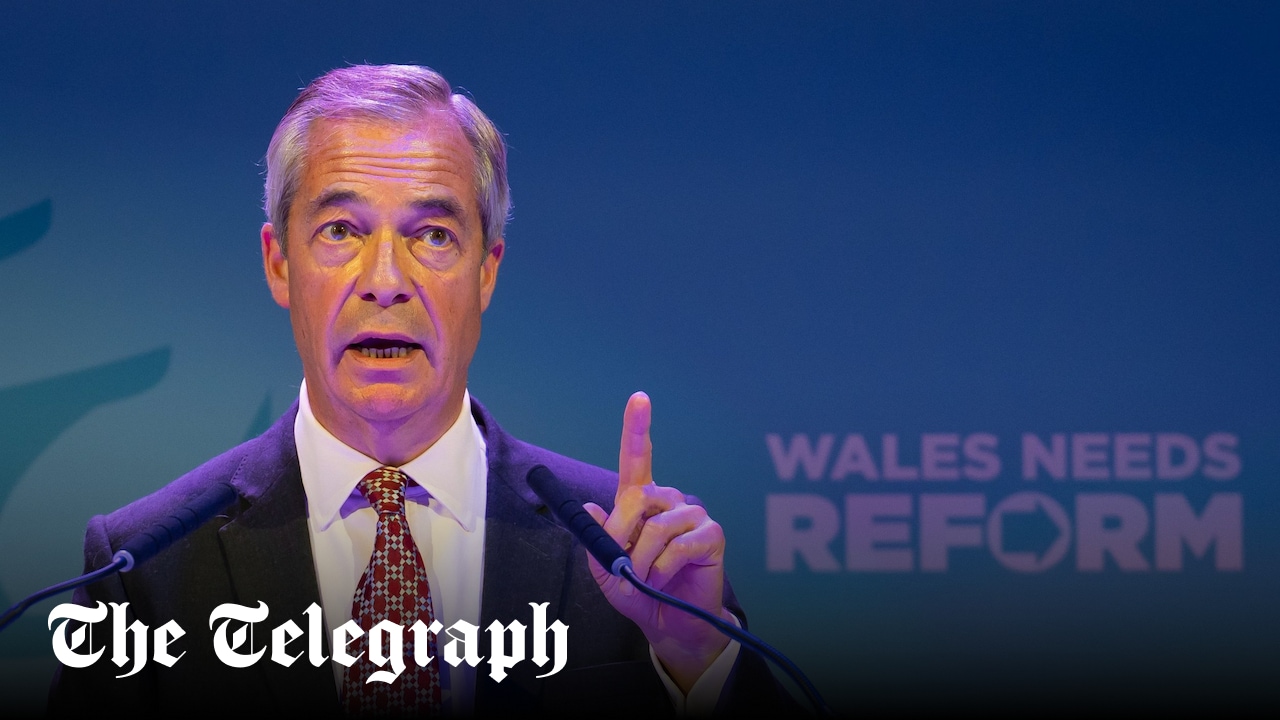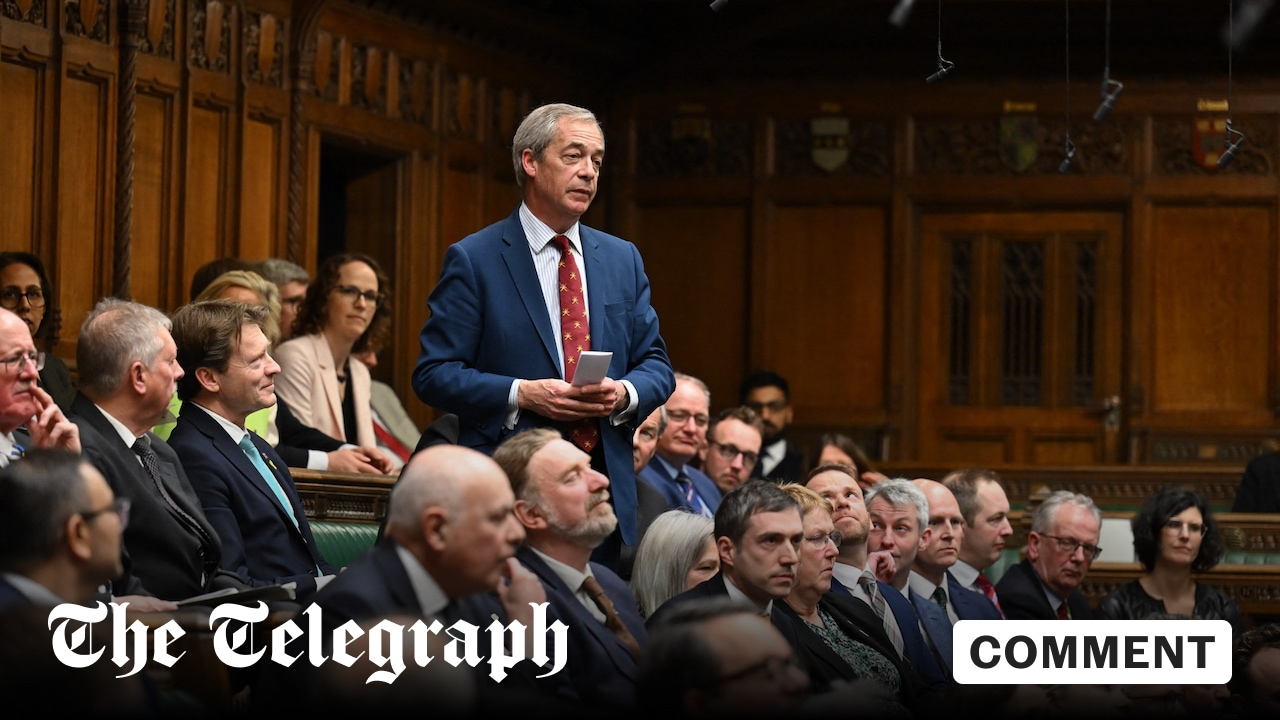
Austerity-era scepticism runs deep – and Labour’s abstract promises are falling flat as Nigel Farage rises in the polls
T
he Labour government’s abrupt U-turn on winter fuel payments – restoring the benefit to more than three-quarters of pensioners – reveals less a change of heart than a sobering realisation in Westminster: after years of austerity, the public no longer gives politicians the benefit of the doubt. The irony is hard to miss. Labour set out to prove that “grown-up” economics means difficult decisions – only to find that once trust is lost, voters won’t accept vague promises without tangible results.
It turns out many are sceptical that sacrifices will produce better results for society. That’s why ministers are struggling to justify cuts to disability benefits as a way to “fund” public services – or to convince the public that Britain can’t afford to lift the two-child benefit cap even as ministers claim they will reduce child poverty. There may be more conspicuous retreats ahead for the government.
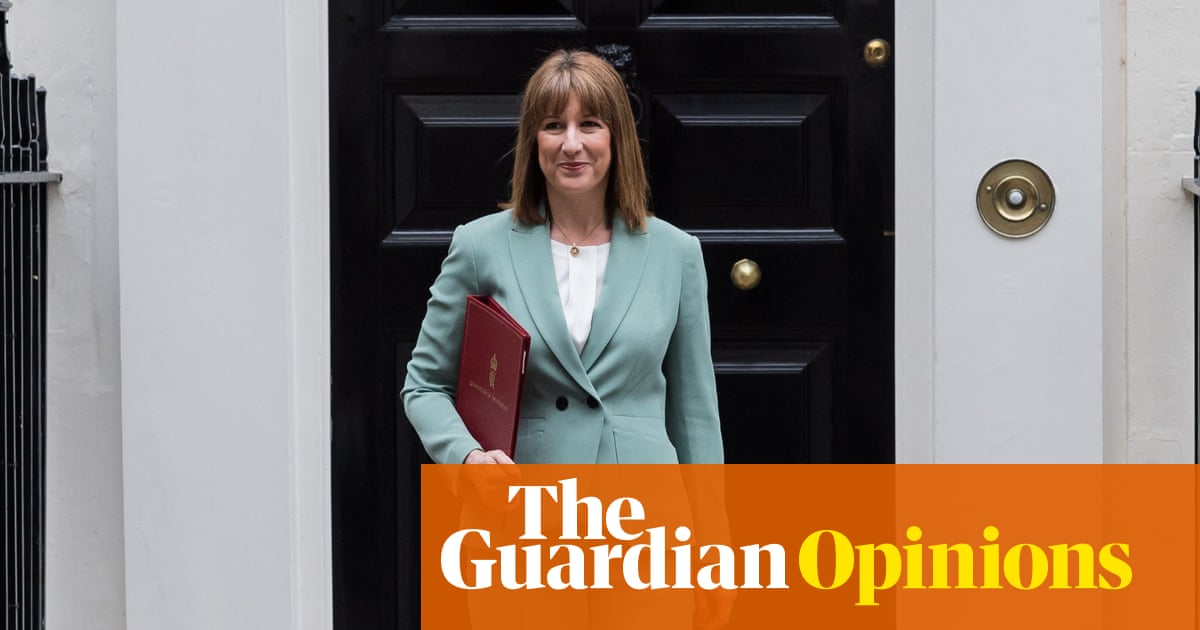
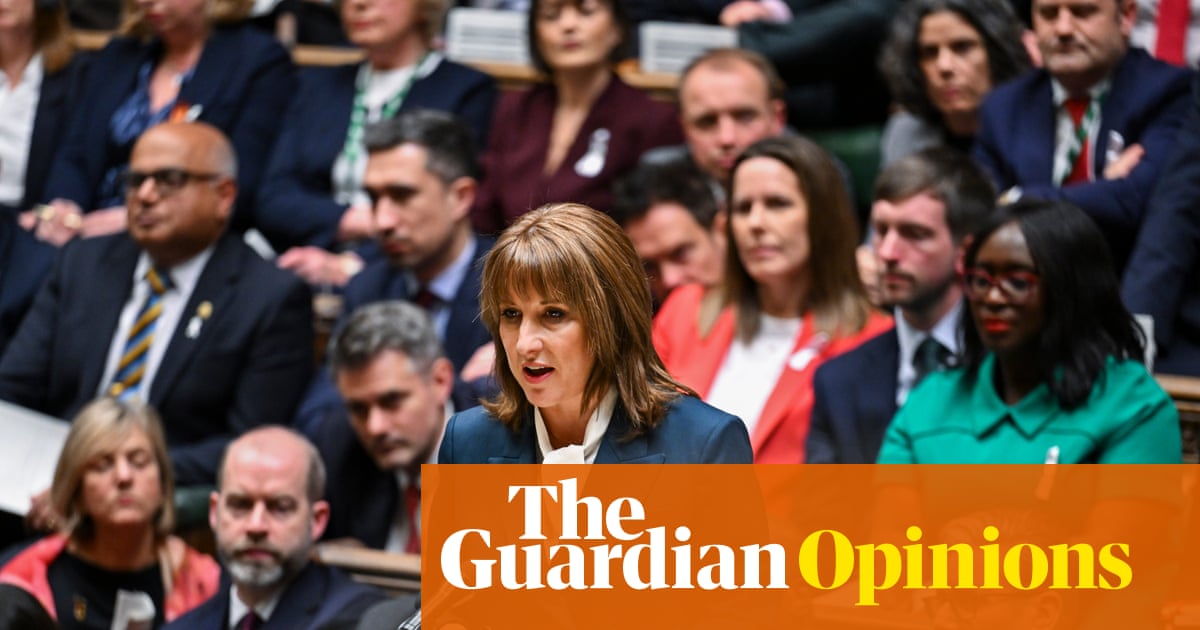
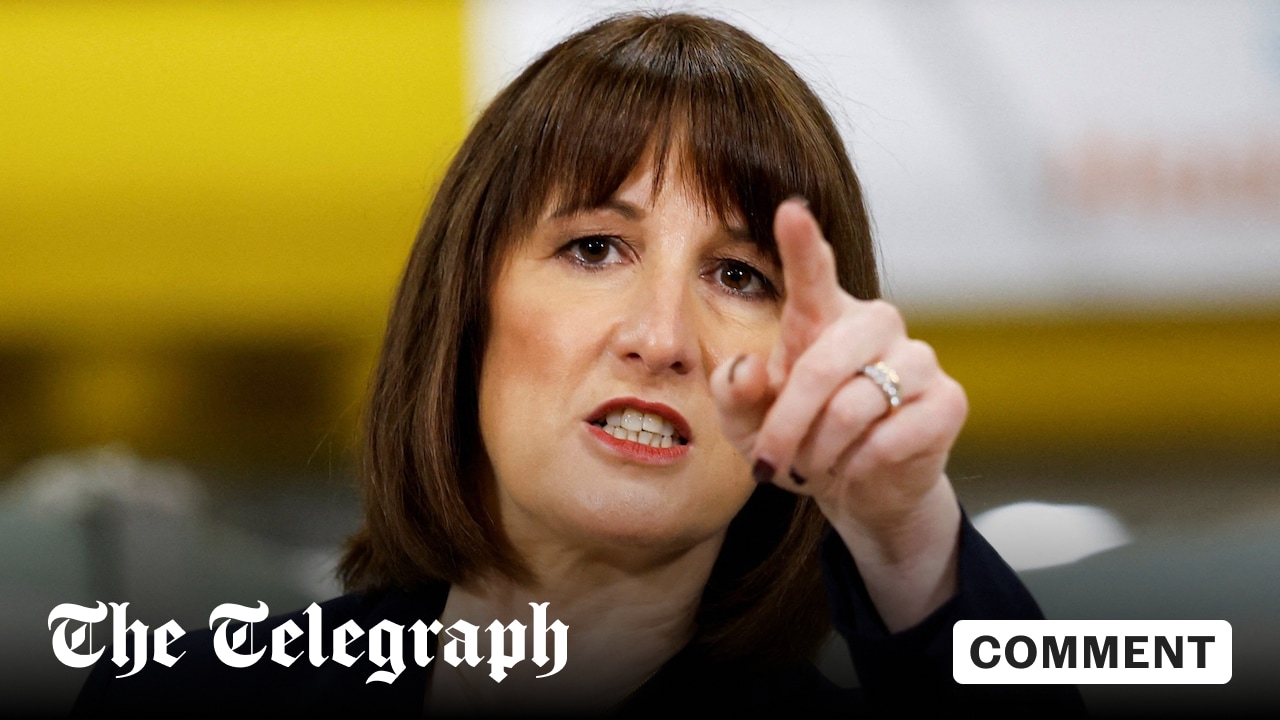
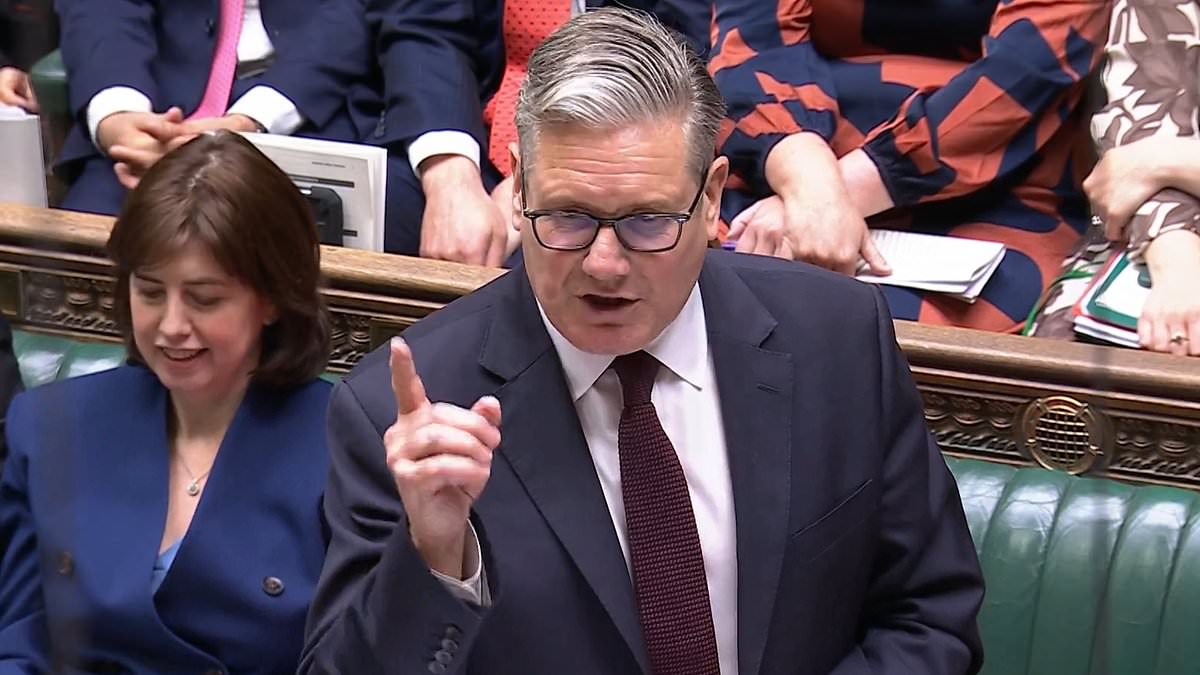
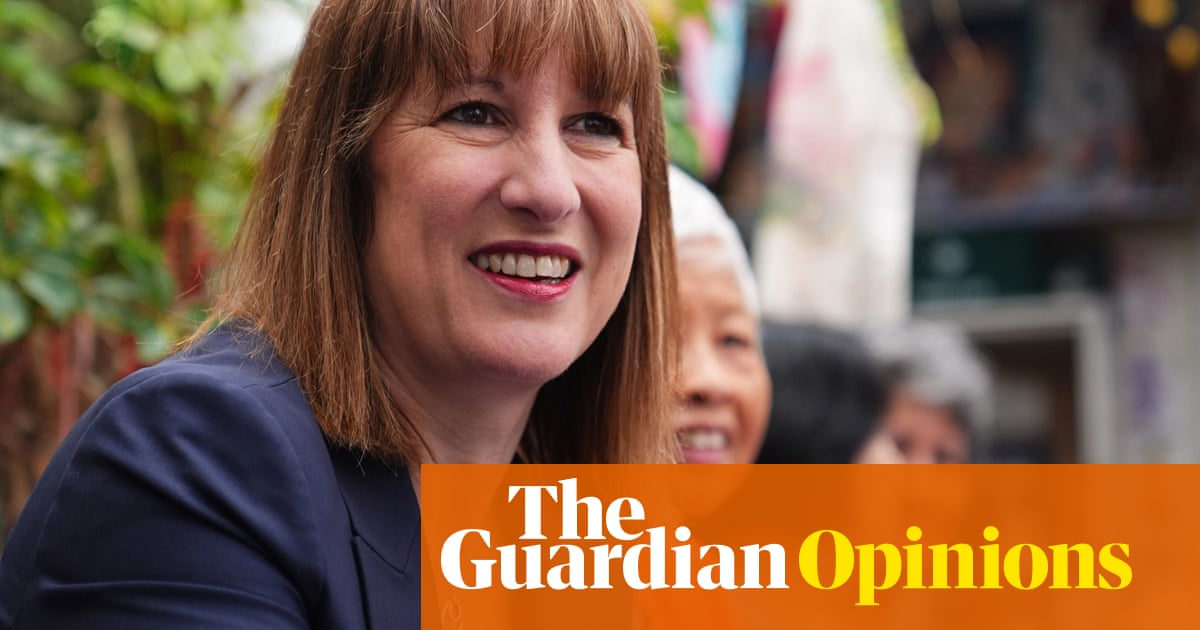
Sir Keir Starmer and his chancellor, Rachel Reeves, had wanted a series of symbolic breaks with Labour’s traditional base to prove that only by making tough choices could they deliver £113bn in new public investment. Instead, the last year has become a cautionary tale: ministers elected to repudiate Tory austerity are now seen to be replicating it – and voters have noticed, with Labour’s poll numbers sliding as a result. In such a climate, appeals to fiscal rectitude don’t receive gratitude but suspicion. The government’s volte-face over pensioner benefits only reinforces the sense it was driven by a backlash, not conviction.