The chancellor is no mere technocrat: her spending review revealed a visceral commitment to social and economic mobility
T
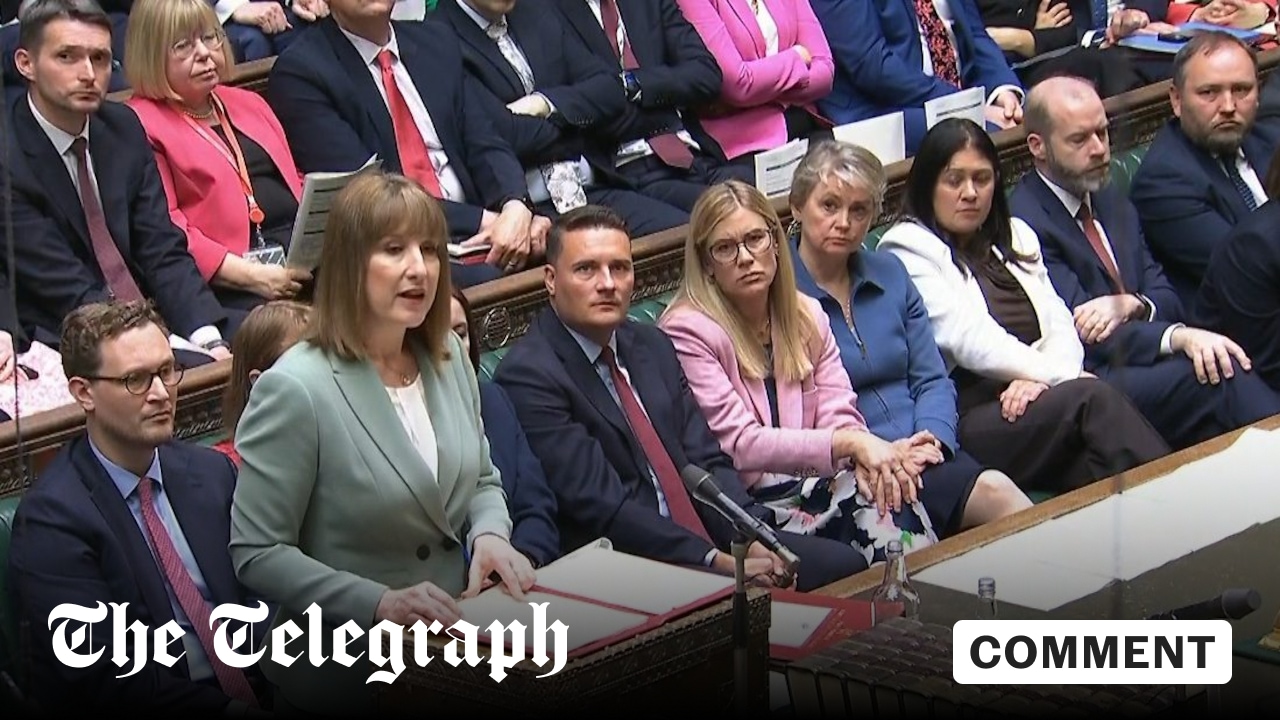
he consensus has long been that the 2025 spending review would be a defining moment for Keir Starmer’s government. For once, the consensus proved spot-on. The government’s main priorities were set out on Wednesday in a blizzard of Commons announcements from Rachel Reeves, some economically substantive, others more for show. The upshot is that the shape of the British state, as Labour intends it, is now decided until the eve of the next election.
There are further crossroads still to come, some of them major, as the years covered by the review unroll. Taxes are likely to rise, probably as soon as the autumn budget, to pay for Reeves’s big ticket boosts on Wednesday for defence, health and housing. Council tax could rise too, with possibly dramatic results. The review’s emphasis on capital spending means current spending could be squeezed again, perhaps heralding pay battles. Nevertheless, Labour has set its course.
The administrative purpose of the spending review is to define where money is spent in the British state. But the review is also a defining political and cultural moment. It sets out the choices by which the government will stand or fall, and which aim to locate an electoral sweet spot. That spot, still elusive and distant despite Labour’s Holyrood byelection win last week, is one in which, as Reeves put it, a sense of renewal “is felt in people’s everyday lives”. Politically, this speech was a moment of truth for the chancellor herself.