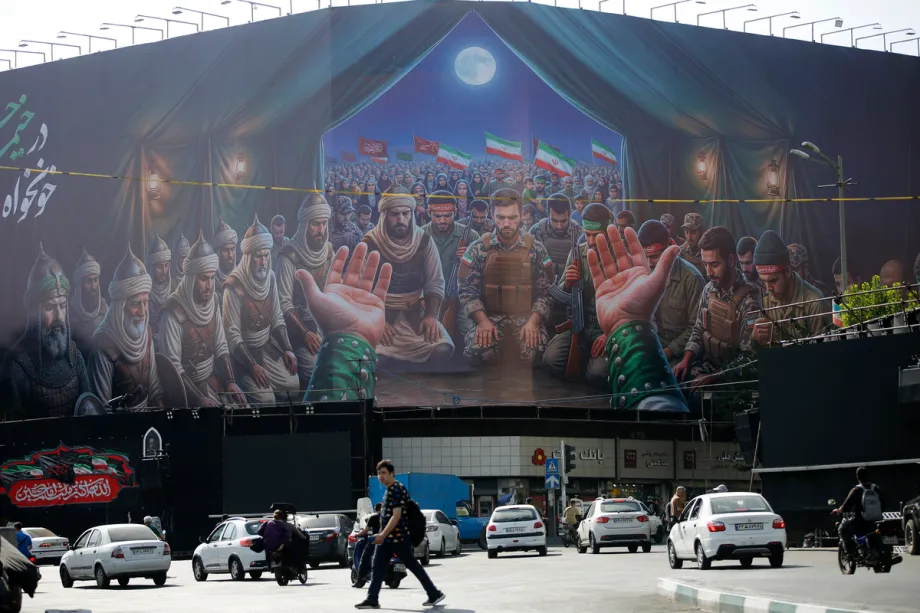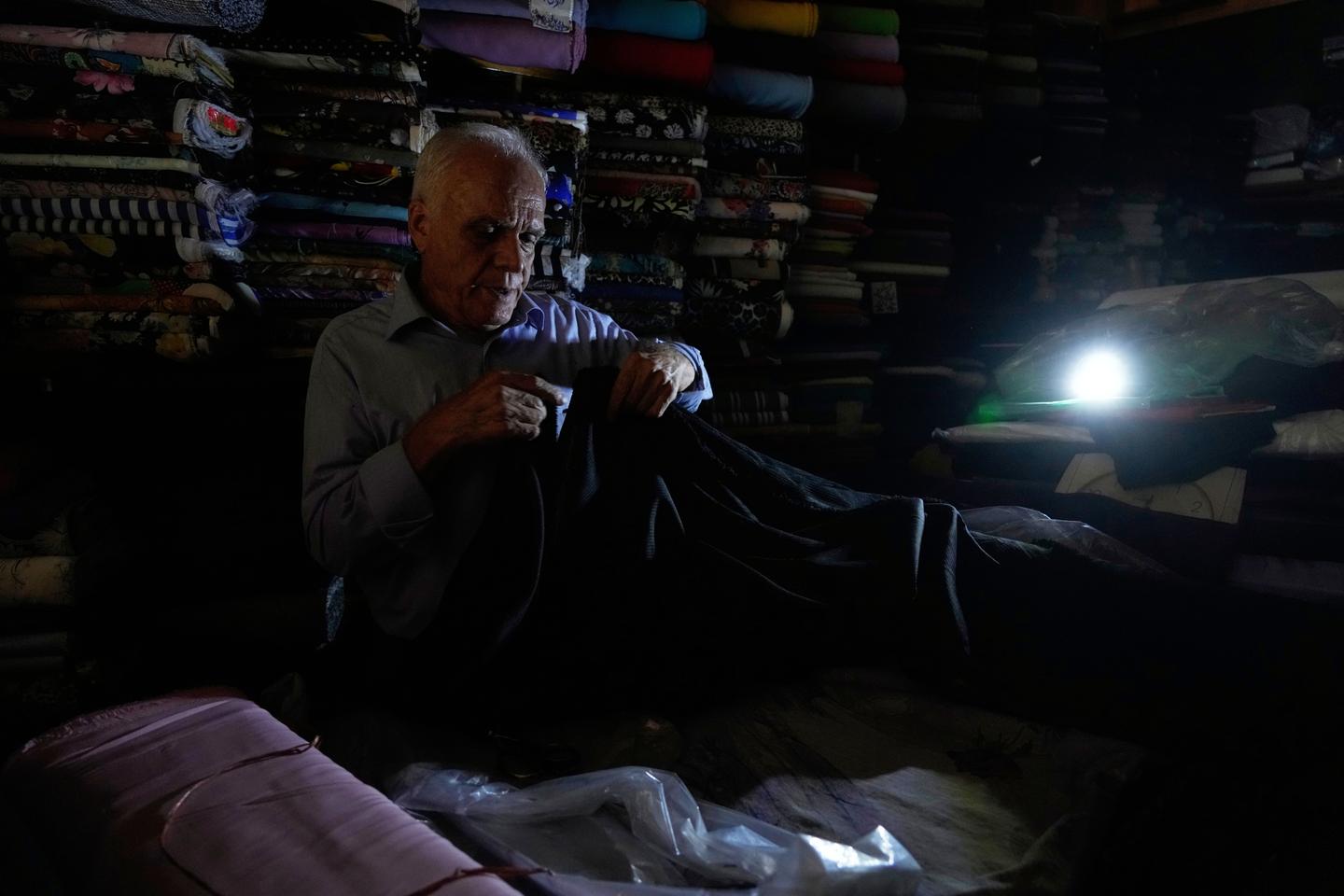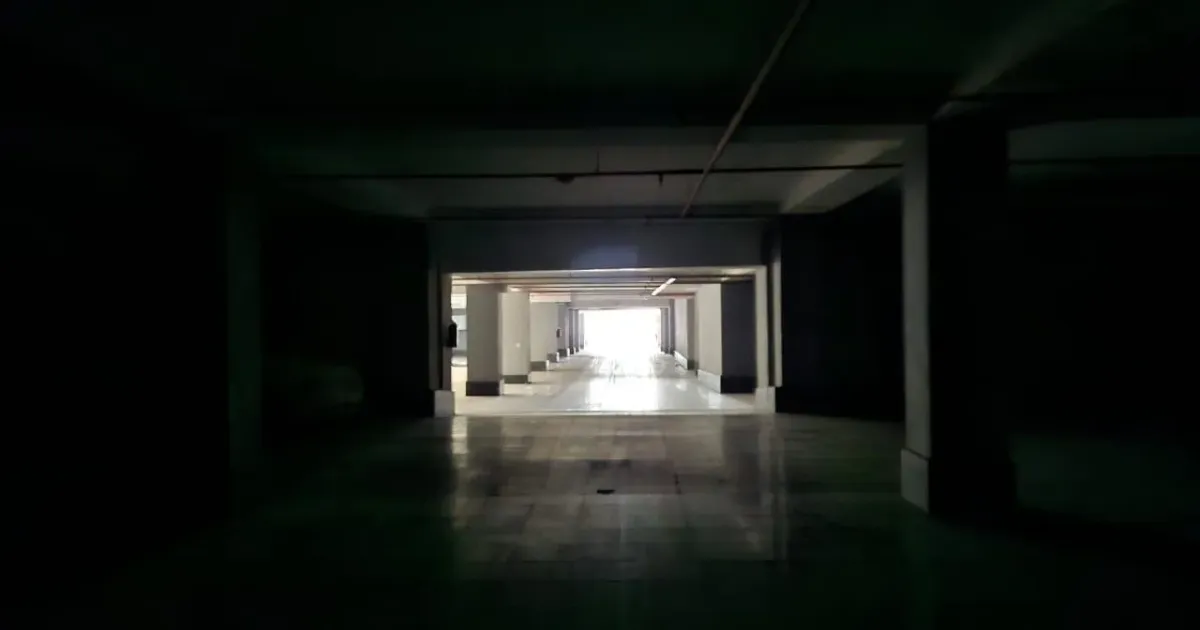
The warm days of 2026 have begun as the shadow of electricity imbalance hangs heavily over the upcoming summer, all while the specter of war continues to loom over Iran.
The Iranian power grid must survive this summer’s peak consumption days even though, according to Mohammad Allah-dad, the acting head of Tavanir, around 2,000 areas of the network were subjected to direct and indirect strikes during 40 days of war. Furthermore, more than 6,473 points of equipment, transmission lines, substations, and critical infrastructure of the country’s power industry have been damaged. According to him, the immediate damage inflicted on the power grid is estimated at 58.5 trillion tomans.
Due to the government’s accumulated debt to the private sector and flawed policymaking, Iran’s power industry has gradually been deprived of new investments and modernization. The question now is whether this grid can withstand peak consumption of 77,500 megawatts, similar to the peak recorded in the summer of 2025.
Speaking to IranWire, Masoud Delbari, a senior energy expert, and Roozbeh Eskandari, an independent environmental researcher, emphasized in response to this question that the plight of this industry, and consequently the blackouts suffered by the public, will persist through the summer of 2026. Both experts stressed that the war has added new layers of complexity to resolving the electricity imbalance and correcting past policy failures, such as mandatory pricing.