Elon Musk’s AI-generated encyclopedia, Grokipedia, references more right-leaning sources than Wikipedia when covering sensitive topics like religion, history, literature, and art. That’s the central finding of a peer-reviewed study published in May 2026 in the Proceedings of the National Academy of Sciences, conducted by researchers at Trinity College Dublin and Technological University Dublin.
The study compared around 18,000 of the most edited English-language Wikipedia pages against their Grokipedia counterparts. While the two platforms showed broadly similar political leanings overall, the divergence on culturally charged subjects was notable enough for the researchers to flag it.
What the study actually says
Here’s the thing: the findings are more nuanced than a simple “Grokipedia is far-right” takeaway. The researchers found that the platform’s overall sourcing skewed only moderately rightward. The real gap showed up in specific content categories, the kind of topics where editorial framing and source selection carry outsized weight.
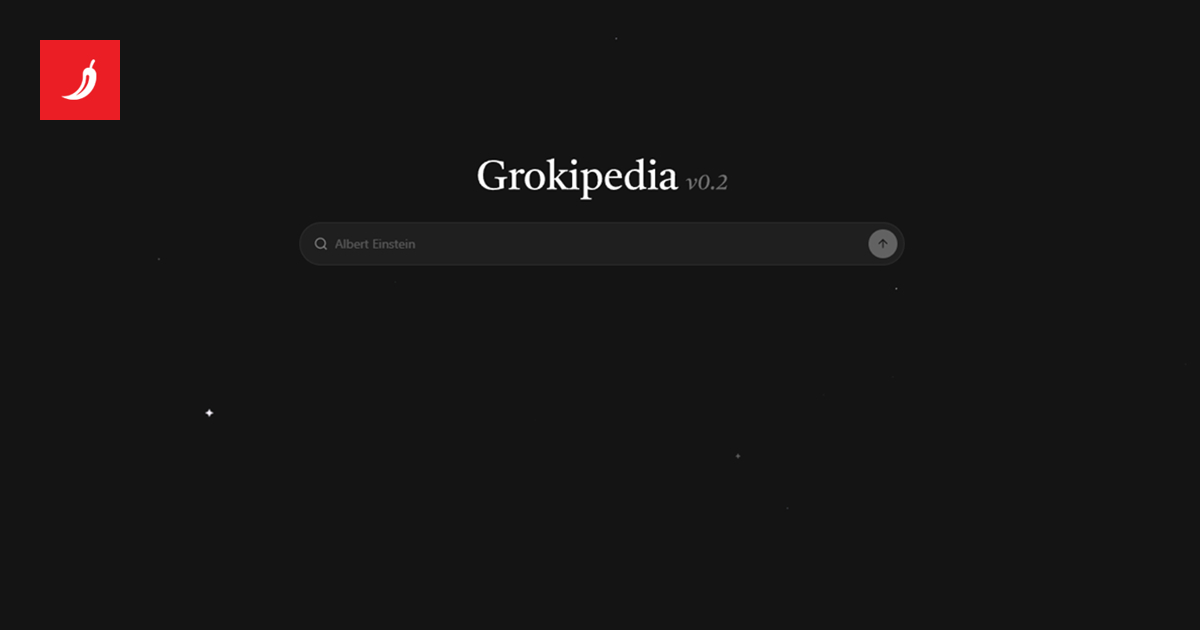
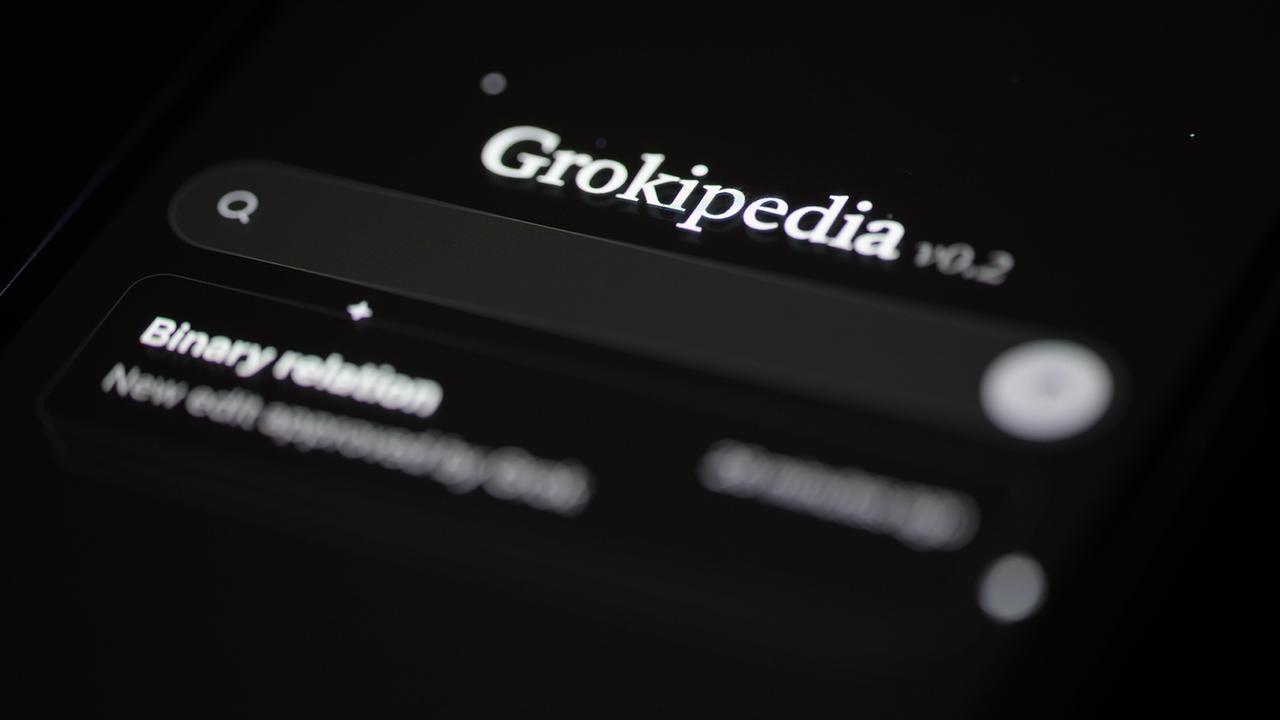
Grokipedia launched on October 27, 2025, positioning itself as a corrective to what Musk has long characterized as Wikipedia’s liberal bias. It debuted with roughly 855,000 to 885,000 articles, all generated by xAI’s models rather than human editors. Unlike Wikipedia, Grokipedia is non-editable. There’s no community of volunteers arguing over citations in talk pages at 2 a.m. The AI synthesizes content and picks its own sources.