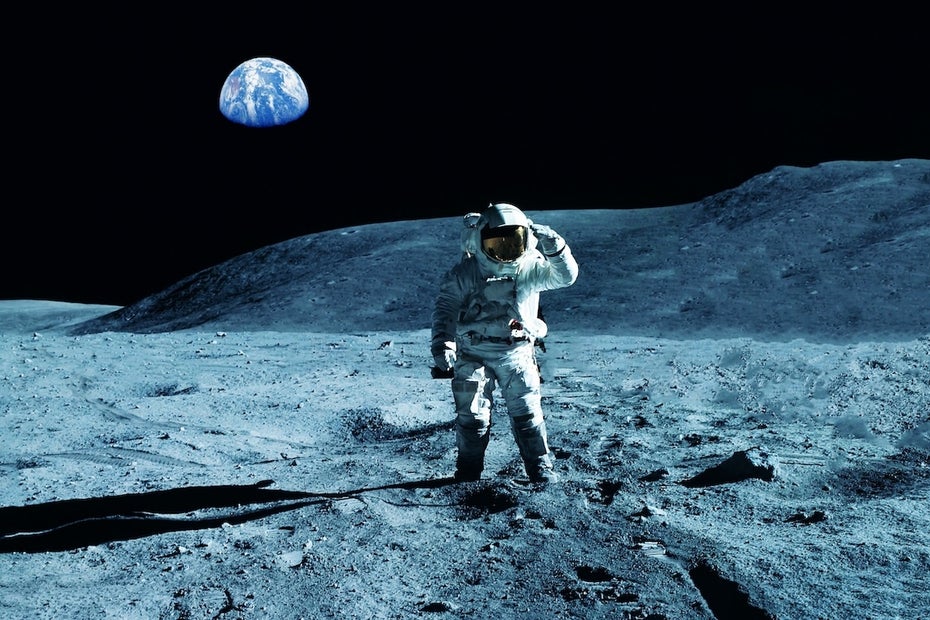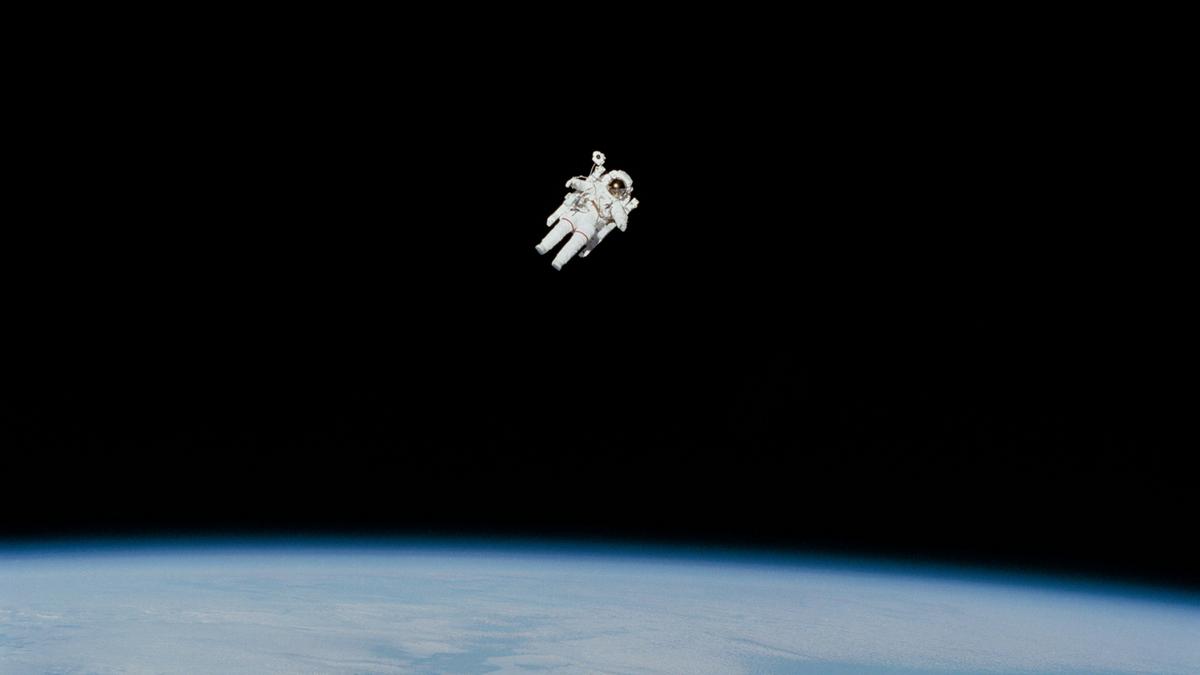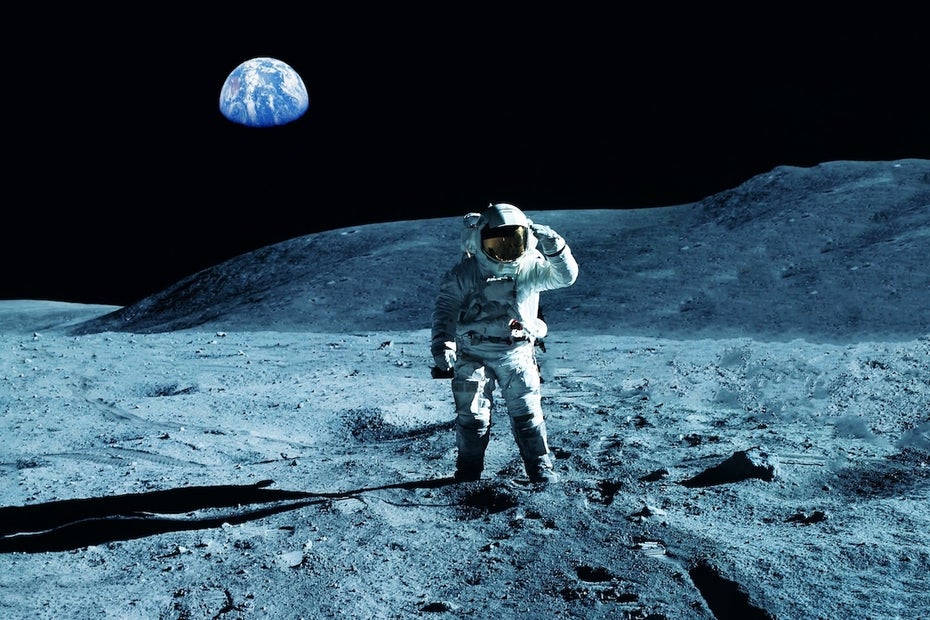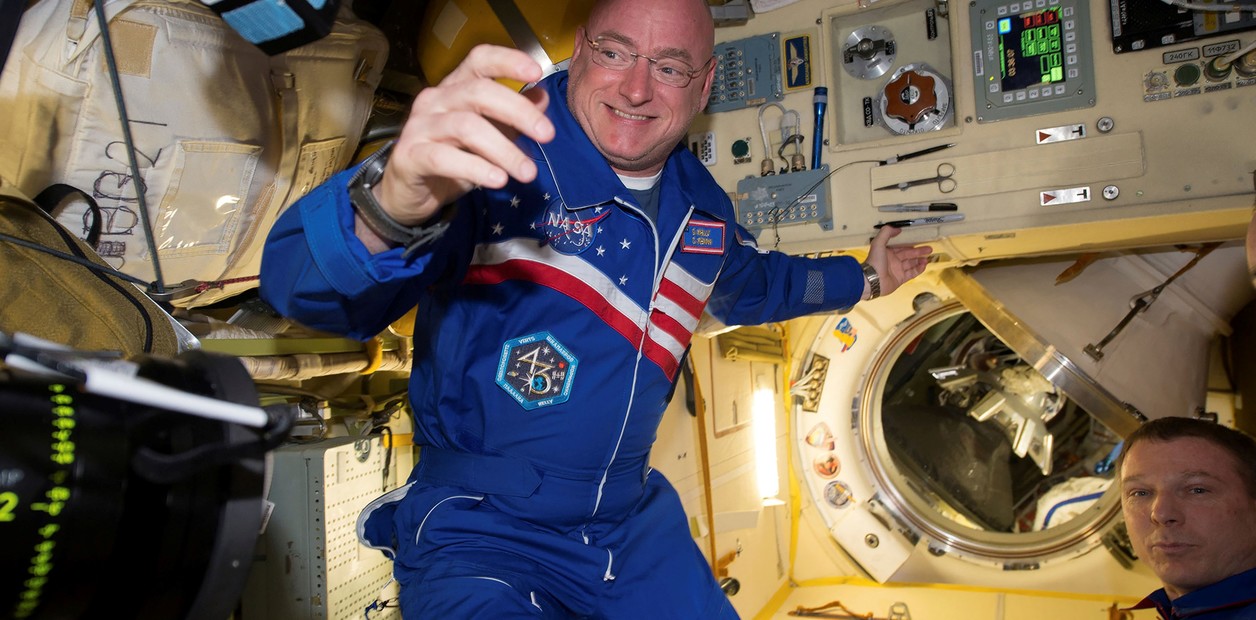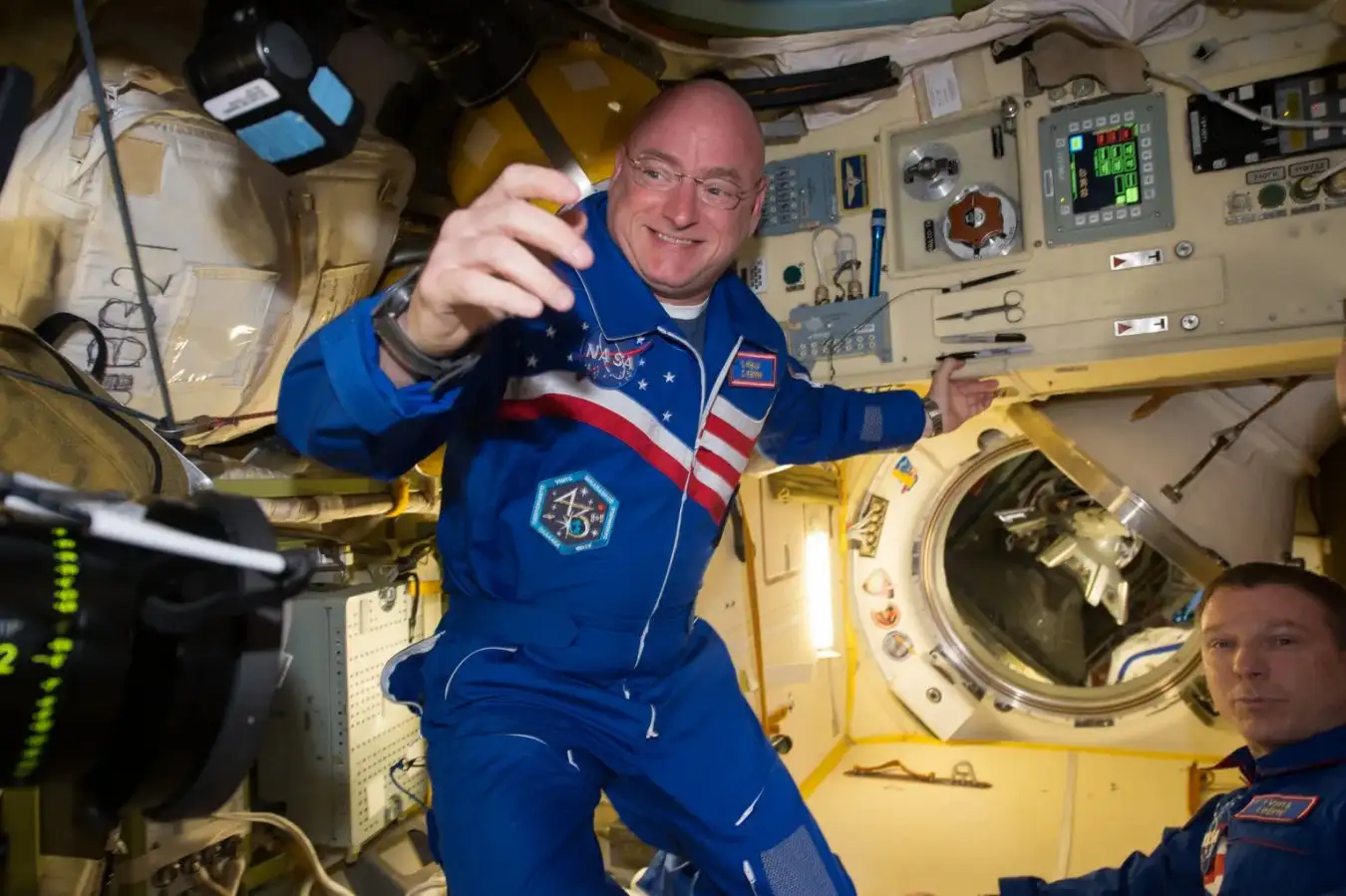
NASA astronaut Scott Kelly spent 340 days in space on one missionNASA
One of the most famous thought experiments in physics is the twin paradox, first proposed by Albert Einstein in his 1905 paper on special relativity, and later expanded on by physicist Paul Langevin. It goes something like this. An astronaut leaves Earth and spends a few months travelling through space at almost the speed of light. He has a twin brother who stays on Earth. When the astronaut returns, he finds that his brother has aged decades while he is still young. I don’t claim to understand why this would happen, but it has something to do with the relative passage of time experienced by a fast-moving traveller compared with someone on Earth. Or something. It doesn’t really matter: this is a column about ageing.
It is impossible to travel at such speeds, so the twin paradox will remain a thought experiment for the foreseeable future. But something quite similar actually happens in the real world, only in this case, it is the space traveller who ages faster. A twin who goes into space for six months will, by some measures, age 40 times faster than their earthbound sibling.
The vast majority of us will never have to worry about this, but the factors driving accelerated ageing in orbit are increasingly common on terra firma. The good news is that attempts to protect astronauts against these could benefit us all.