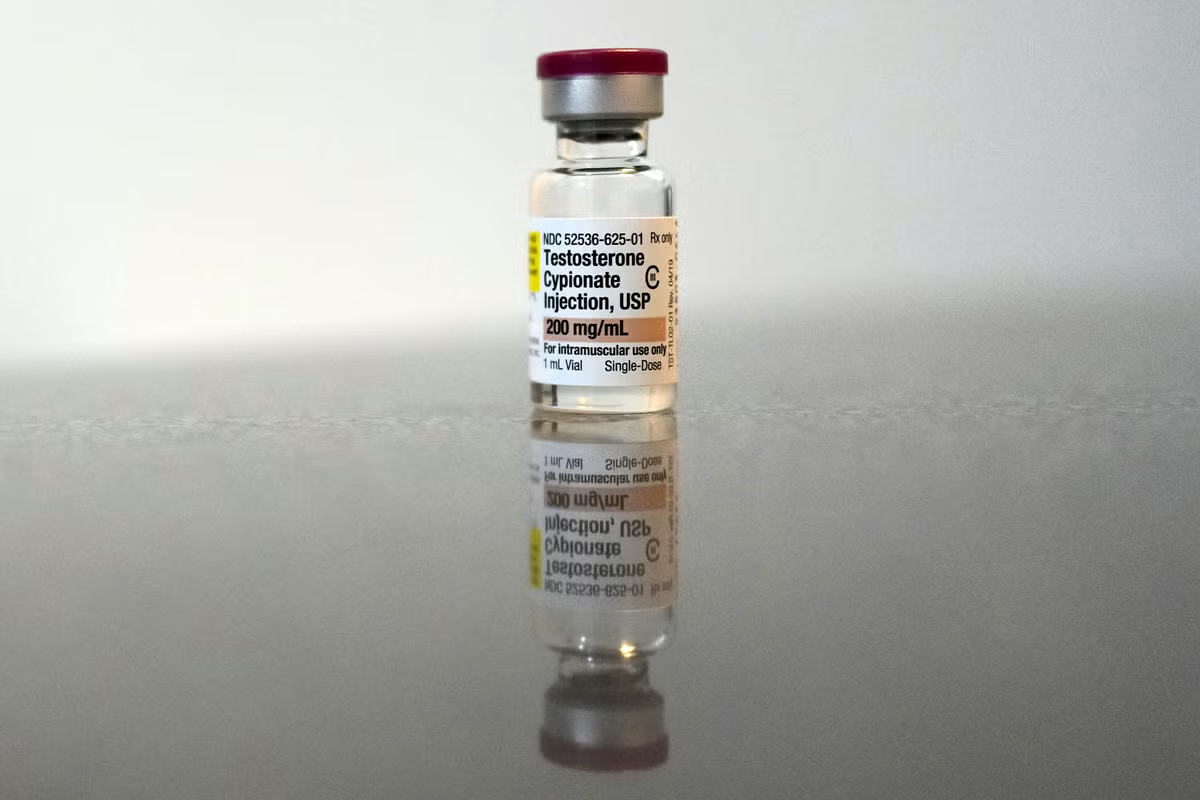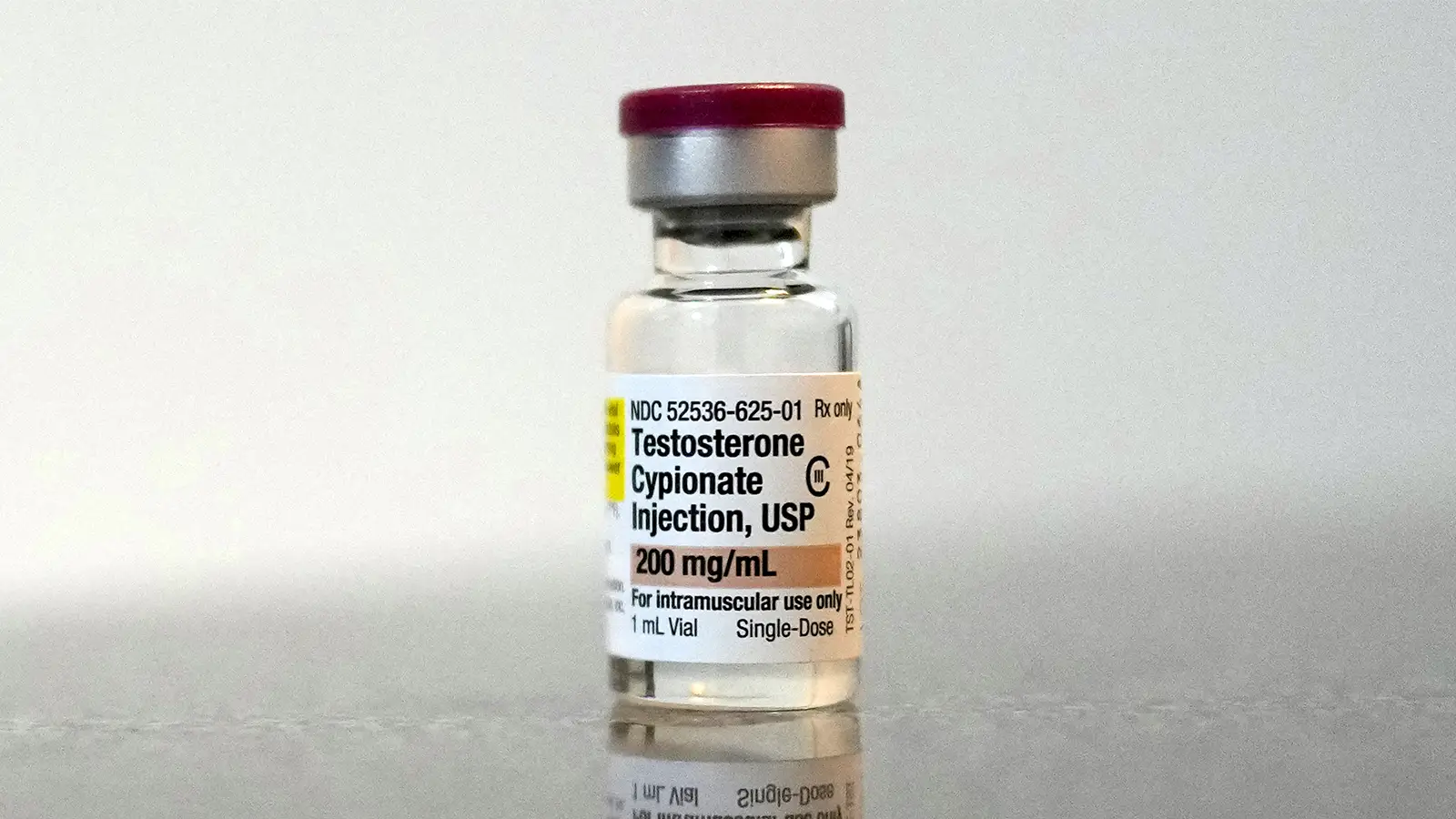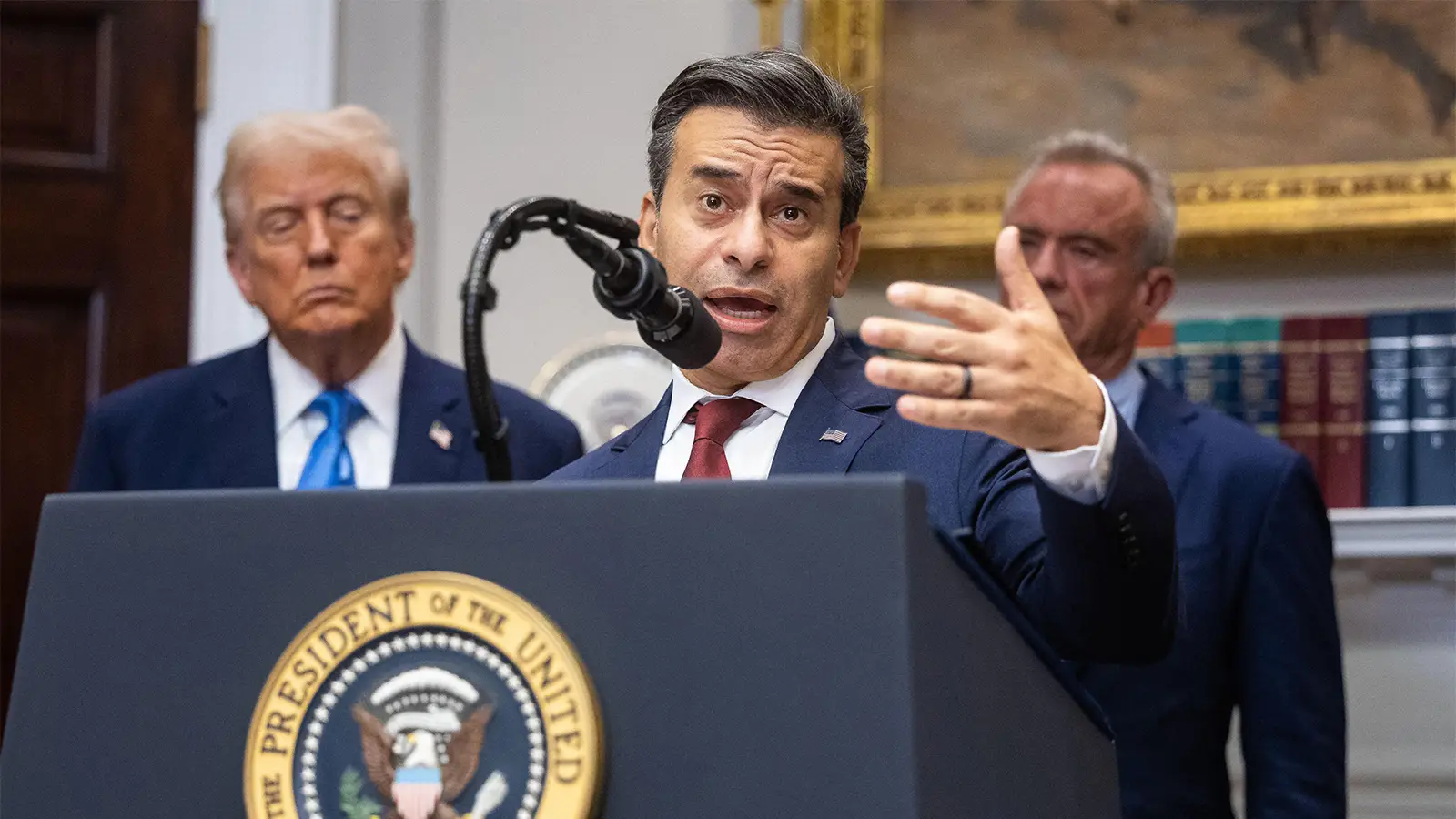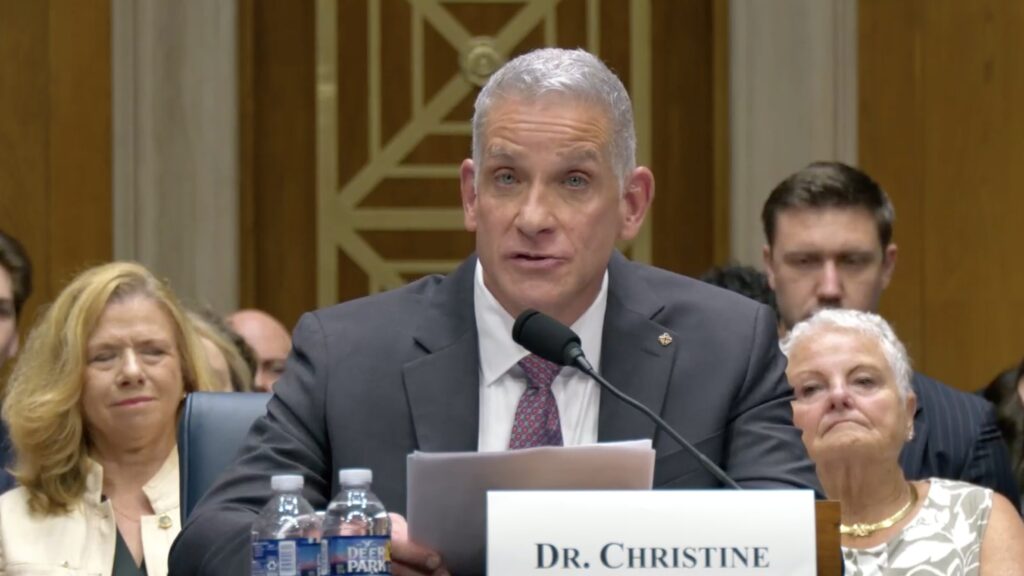
WASHINGTON — Just before he was sworn in as assistant secretary for health at the end of 2025, Admiral Brian Christine — a urologist whose practice treated primarily male patients — talked at an FDA panel on testosterone about a series of alarming statistics: Male life expectancy is close to seven years shorter than women’s; men have higher mortality rates in 10 of the leading causes of death; and they make up the vast majority of deaths by suicide.
“We have a men’s health crisis in this country. Now we need a national strategy,” he said, in a panel on testosterone replacement. He added that establishing a “parallel track” to women’s health for men at the Department of Human and Health Services was a priority of HHS secretary Robert F. Kennedy Jr., and reiterated the message on the day of his swearing in.
His words, and the fact that a urologist was in the assistant secretary role, gave the men’s health community the hope — close to the expectation, in fact — that the agency would soon launch a federal men’s health initiative to mirror the Office of Women’s Health established within the HHS in 1991.
The fact that the State of Men’s Health Act, a bipartisan bill introduced in the House in February by Rep. Troy A. Carter (D-La.) and co-sponsored by Rep. Gregory Murphy (R-N.C.), was slowly signing up co-sponsors from both sides of the aisle, added to the excitement: HHS could start a federal men’s health initiative, or even establish an office of men’s health, while the bill — with the slower timeline for legislative action — would then permanently enact it into law.