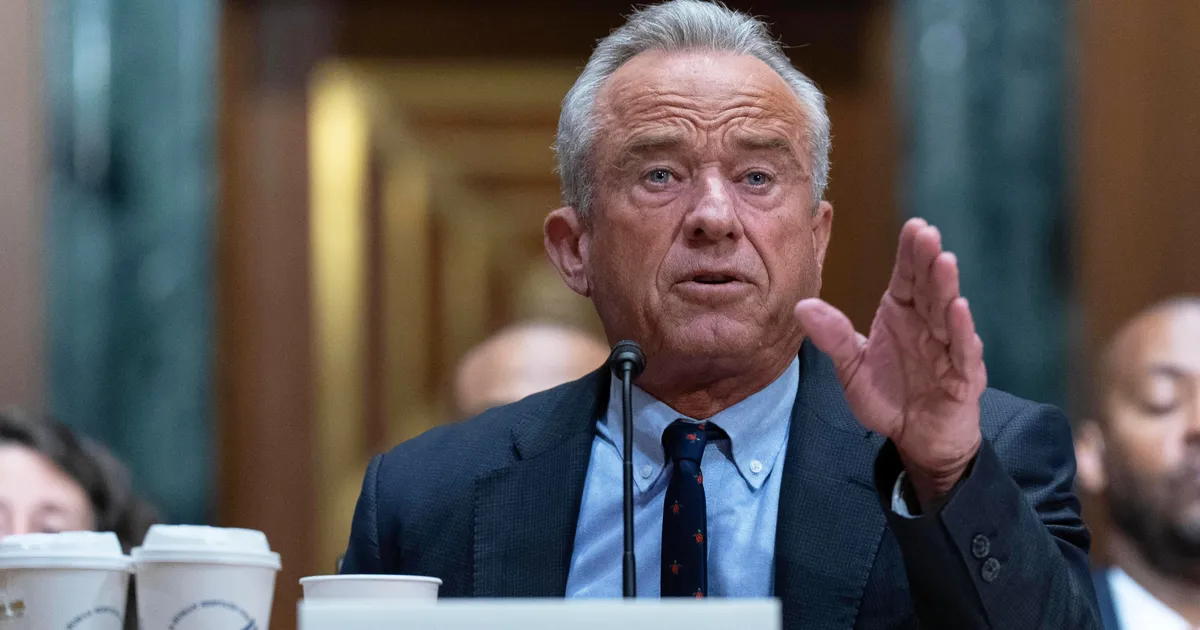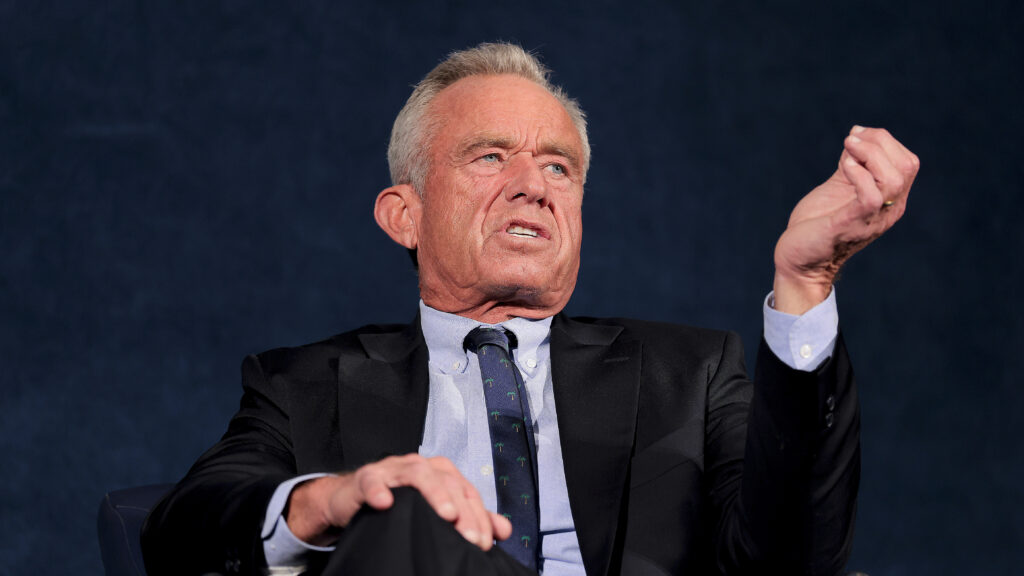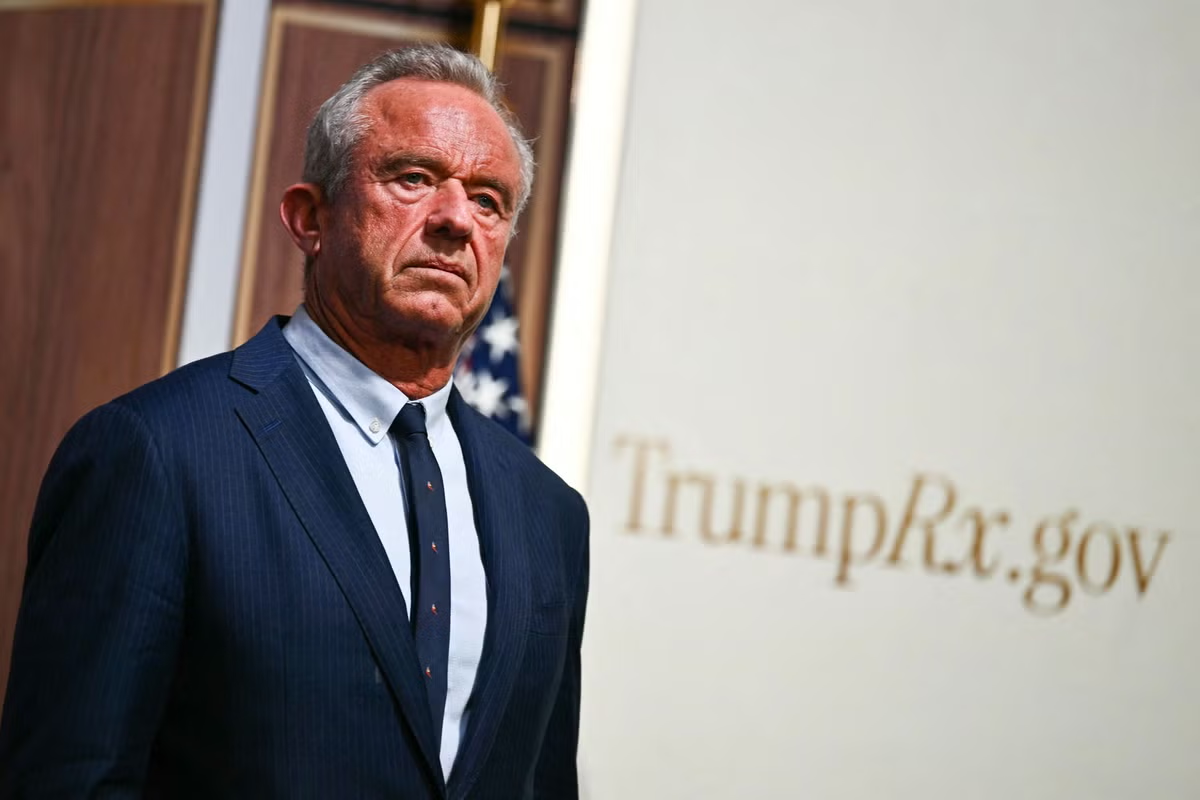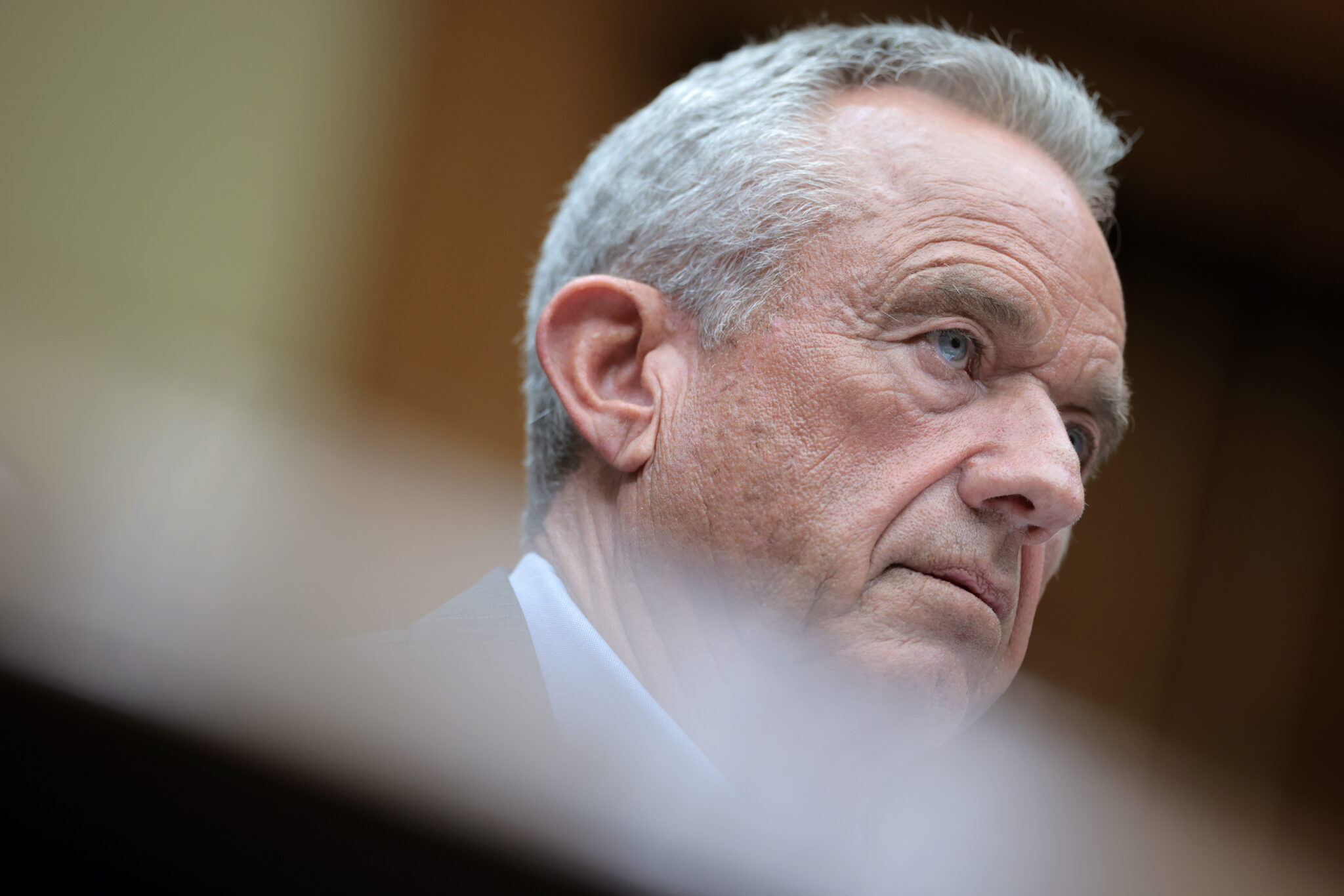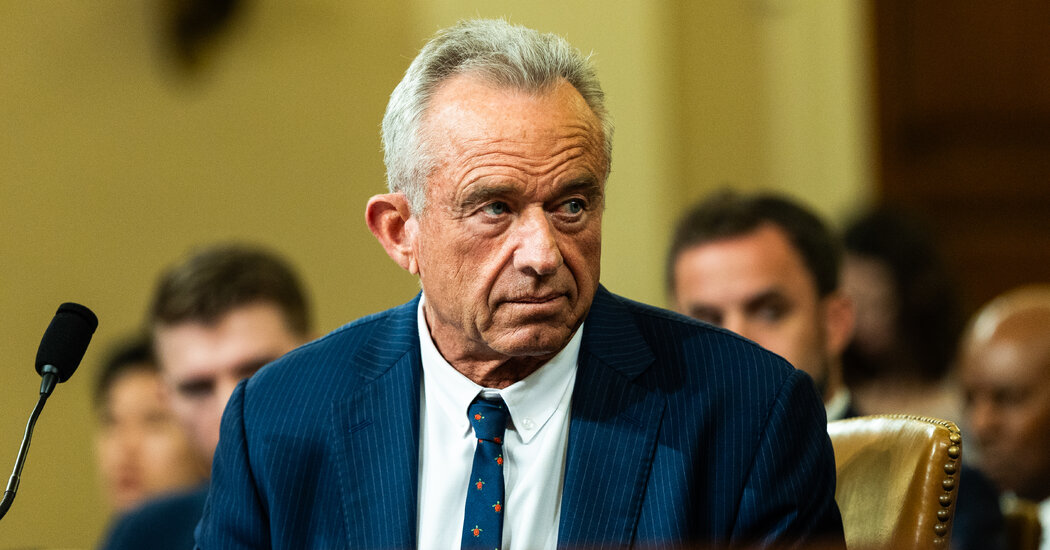
AdvertisementSKIP ADVERTISEMENTThe health secretary has undermined the work of the U.S. Preventive Services Task Force over the past year.Listen · 2:37 min Credit...Demetrius Freeman for The New York TimesMay 20, 2026, 11:46 a.m. ETThe Trump administration has fired two leaders of the U.S. Preventive Services Task Force, an influential panel of experts who determine what medical screenings and procedures insurance companies must cover for millions of Americans at no cost.The two leaders, Dr. John Wong and Dr. Esa Davis, received letters notifying them of their firings on May 11. The New York Times obtained copies of the letters.In the letters, Health Secretary Robert F. Kennedy Jr. wrote that he had “directed a review” of U.S.P.S.T.F. appointments “to ensure clarity, continuity, and confidence in the Department’s exercise of its appointment and supervisory responsibilities, and to protect the integrity of the Task Force’s work.” He goes on to say that Dr. Wong’s and Dr. Davis’s appointments are terminated “effective immediately” in order to “avoid uncertainty that could jeopardize the validity of future Task Force actions.”The task force assesses scientific evidence and makes recommendations on a wide range of medical services, including mammograms, colonoscopies, depression screenings and more. Under the Affordable Care Act, most insurance plans must fully cover services that it assigns an “A” or “B” grade. That gives the panel significant influence over the care Americans can afford.The letters say the terminations are not related to the leaders’ performance and that they are free to reapply for positions on the task force.In response to a request for comment, Andrew Nixon, a spokesman for the Department of Health and Human Services, referred to the letters. Dr. Wong and Dr. Davis did not immediately respond to requests for comment.Last month, Mr. Kennedy said he planned to reform the panel, which he called “lackadaisical and negligent.” Over the past year, Mr. Kennedy has undermined the task force’s work by indefinitely postponing its last three meetings and not replacing members whose terms were scheduled to end in December.The committee issued fewer recommendations last year because it was unable to meet, and it did not publish a legally mandated annual report to Congress on gaps in scientific evidence — a report that helps guide what research the federal government funds.This is a breaking news story. Check back for updates.Maggie Astor covers women’s health and the health effects of government policies for The Times.AdvertisementSKIP ADVERTISEMENT
RFK Jr. Fires Leaders of Key Health Task Force
The health secretary has undermined the work of the U.S. Preventive Services Task Force over the past year.
398 words~2 min read