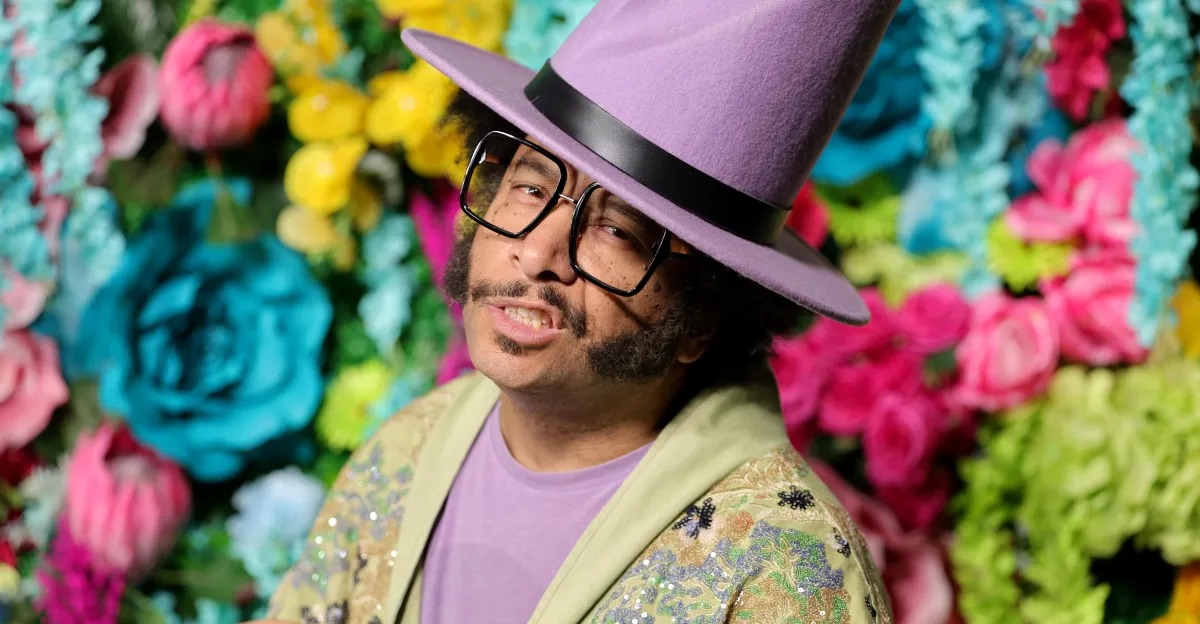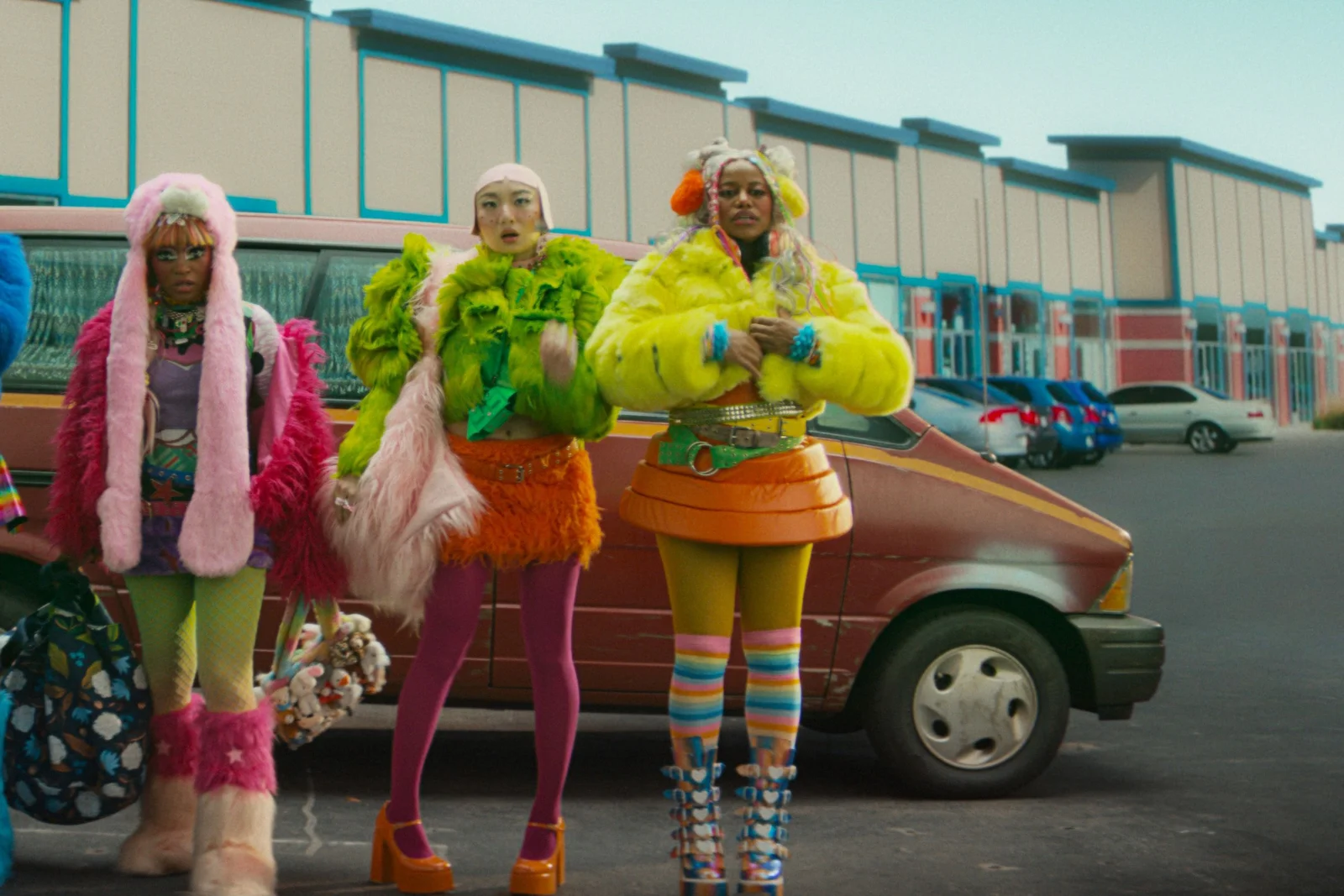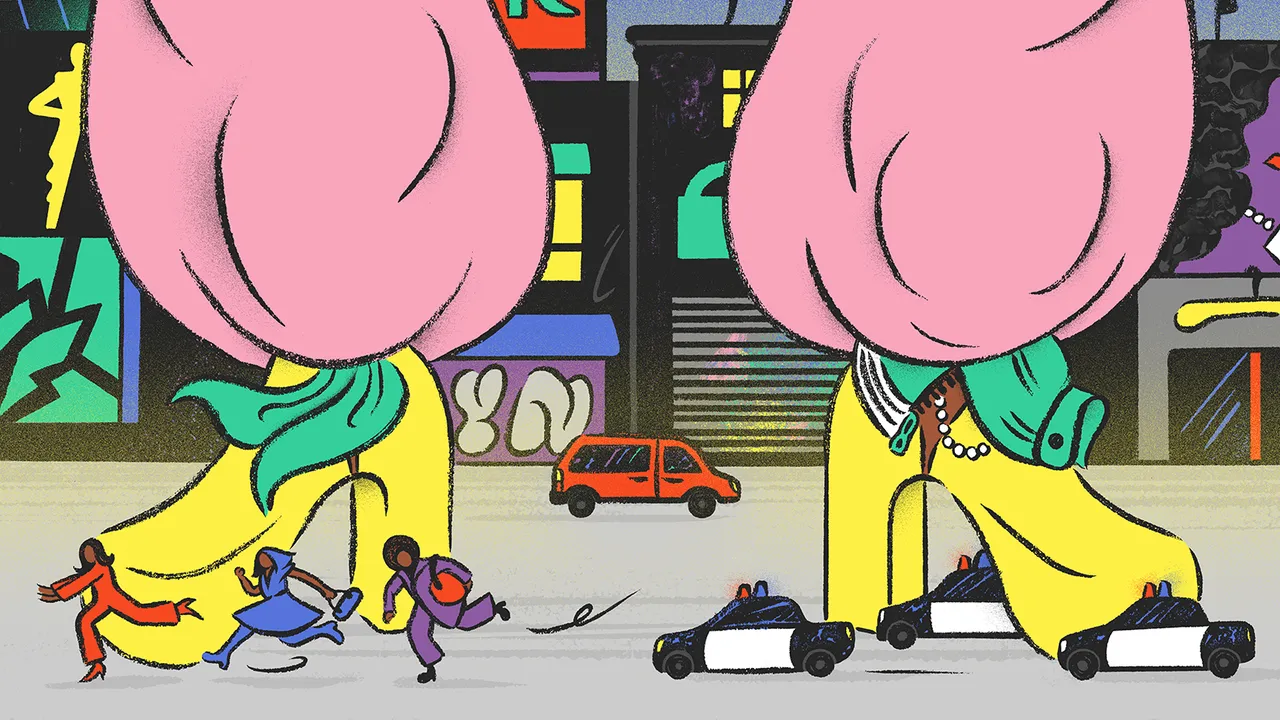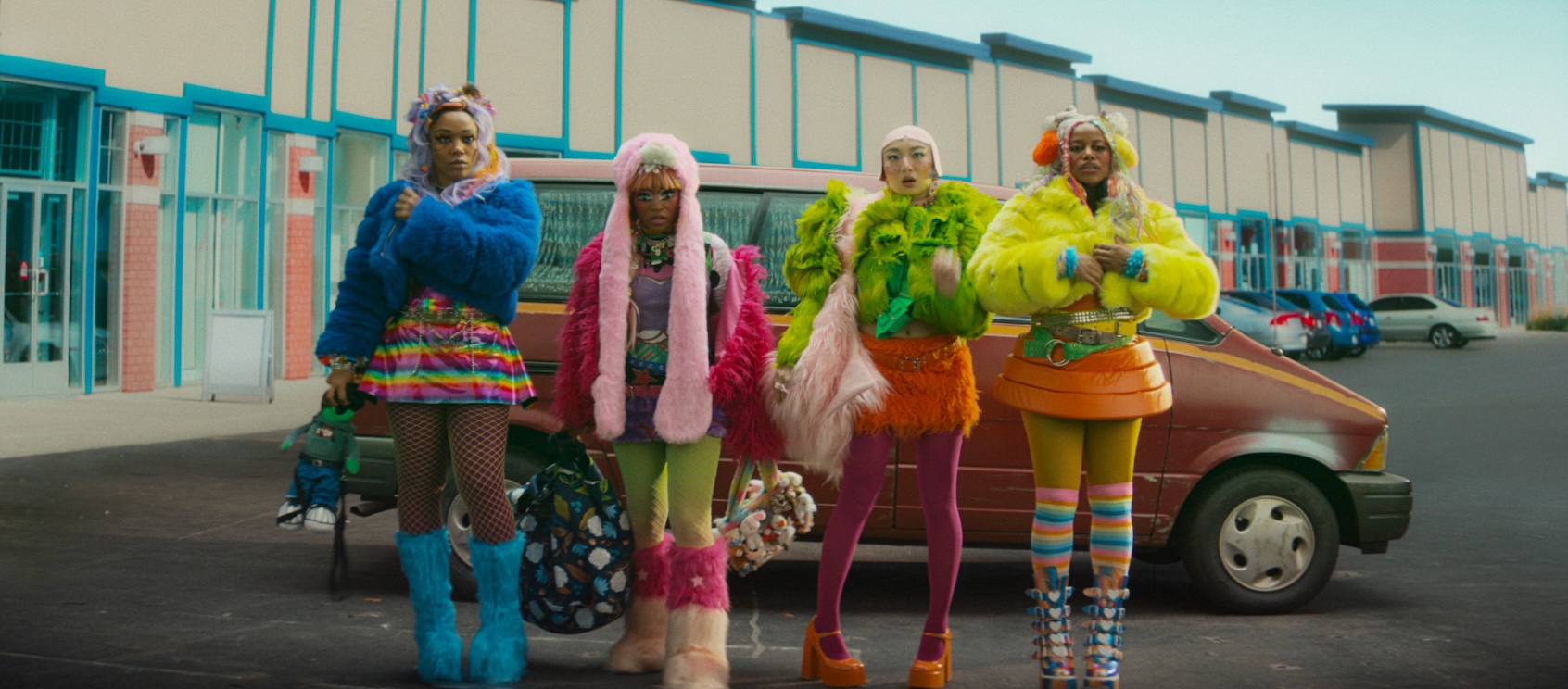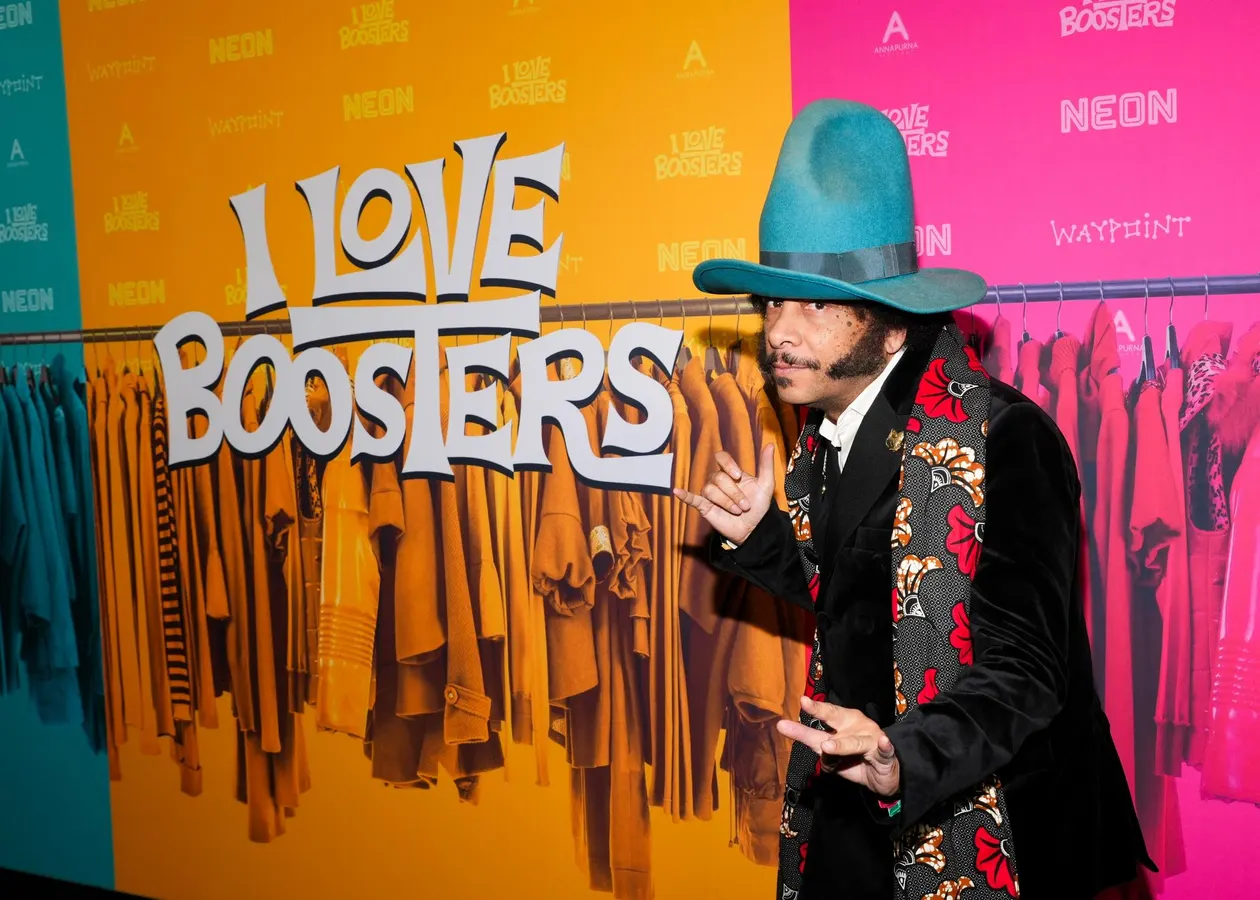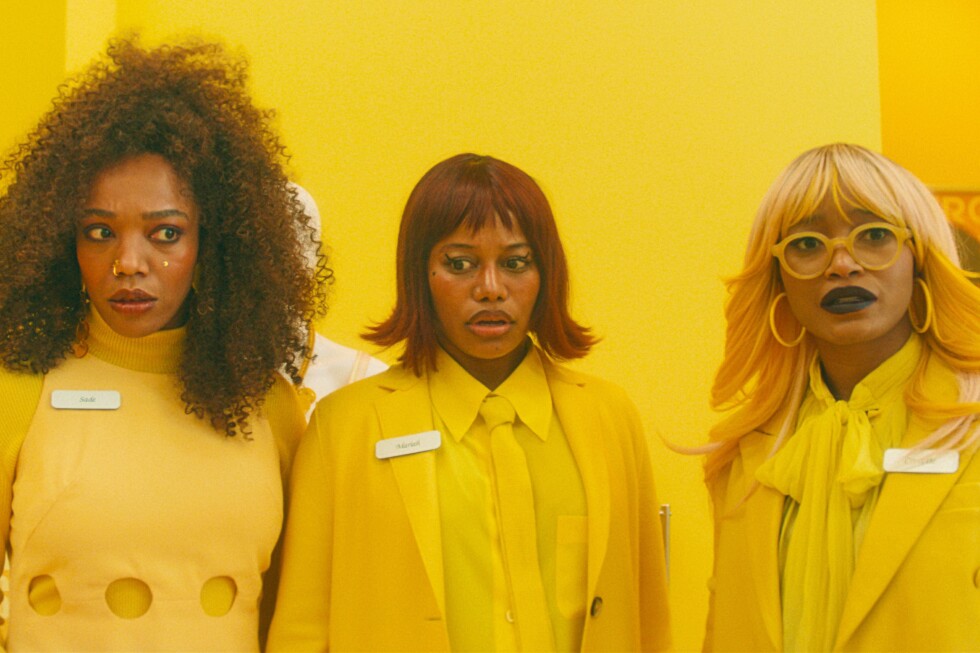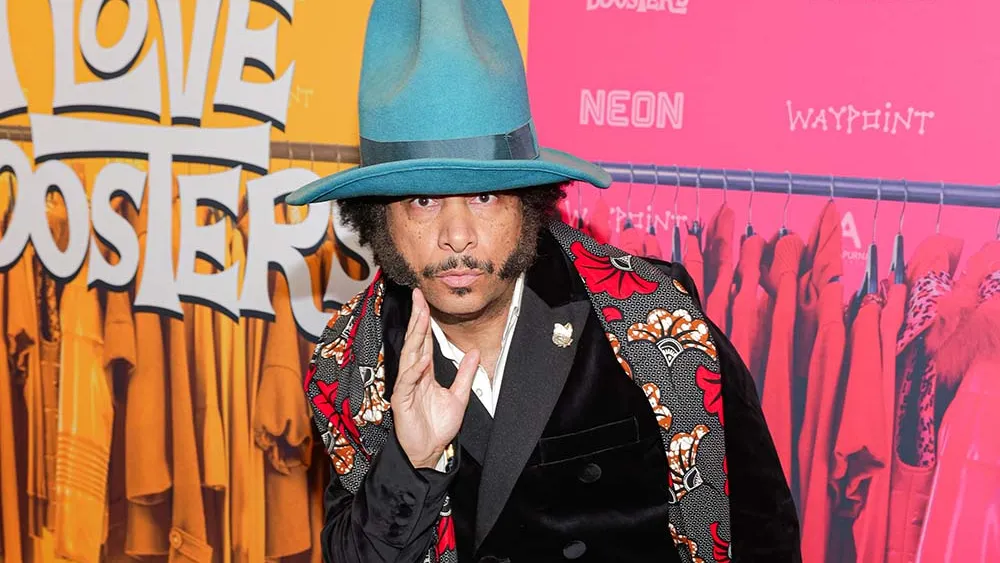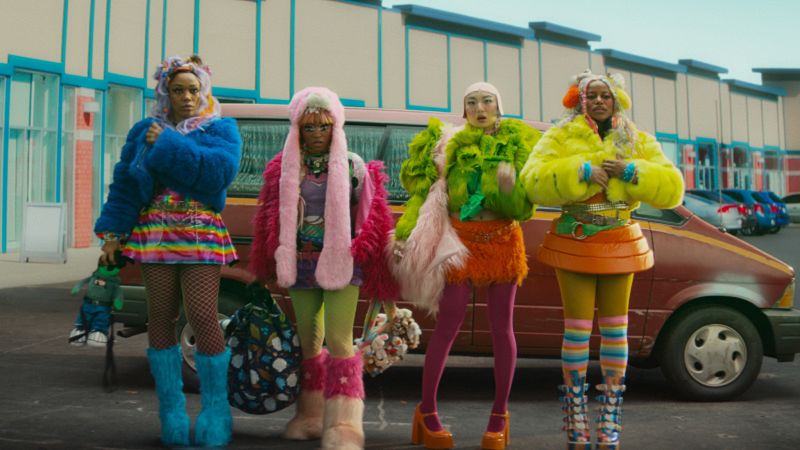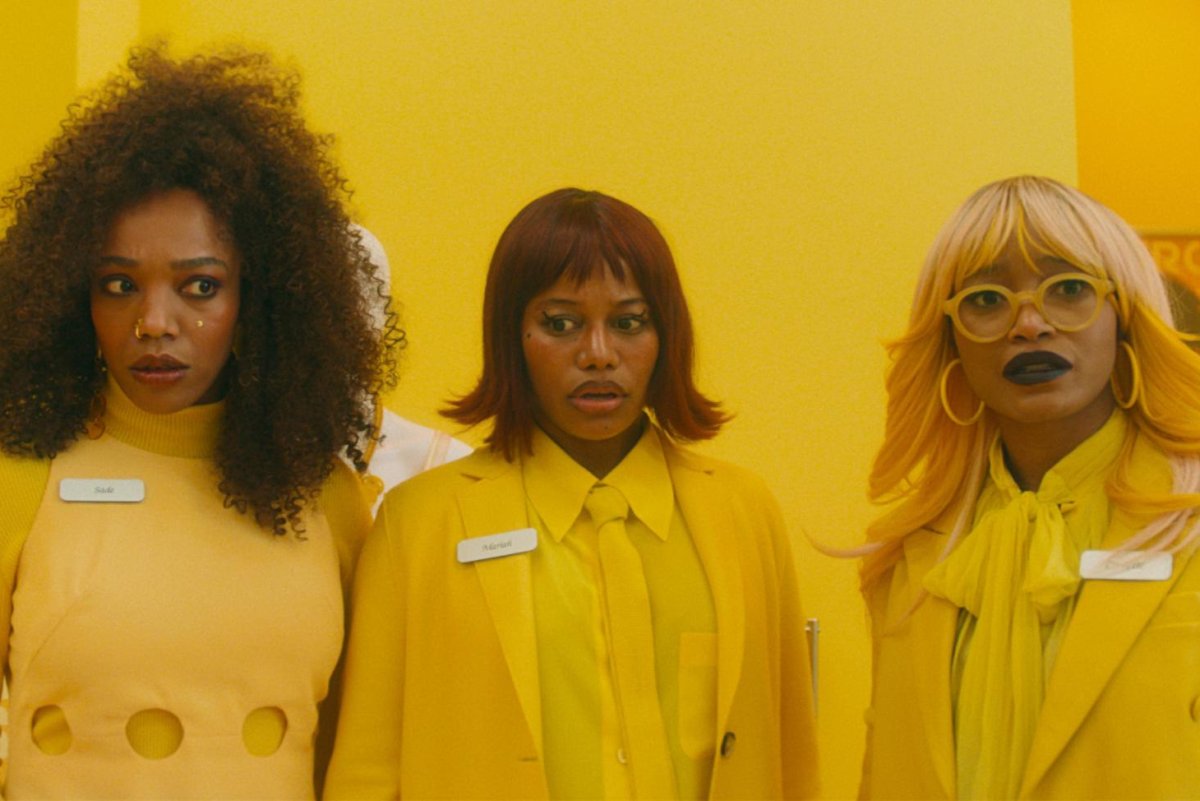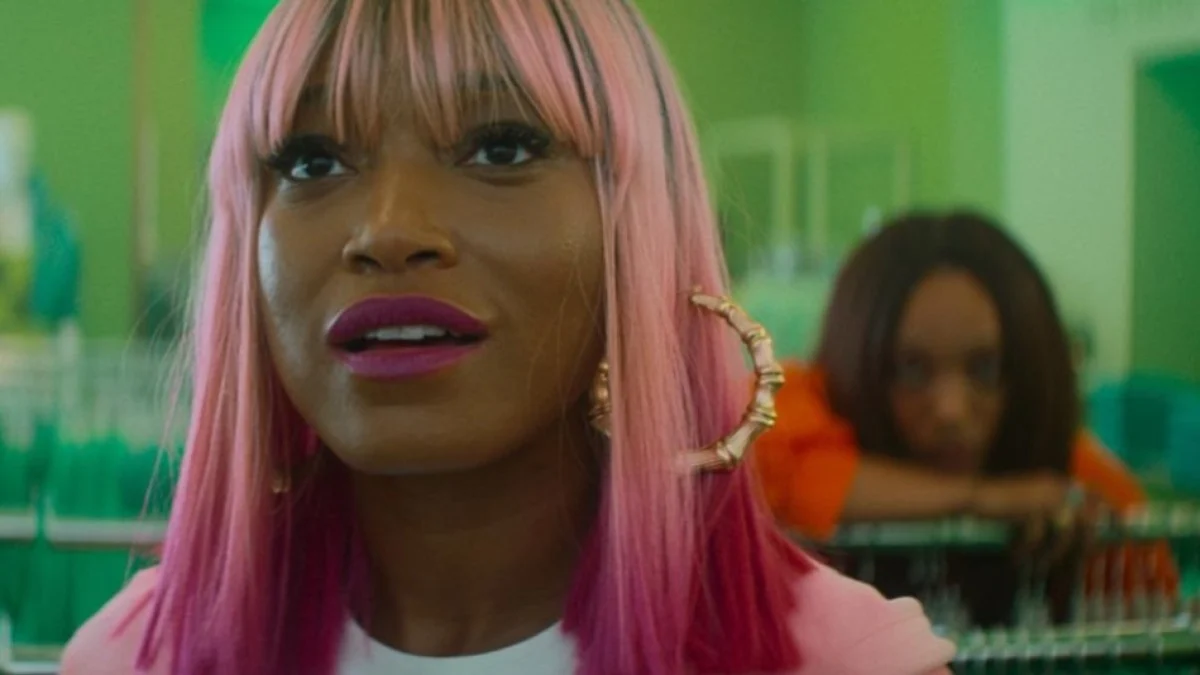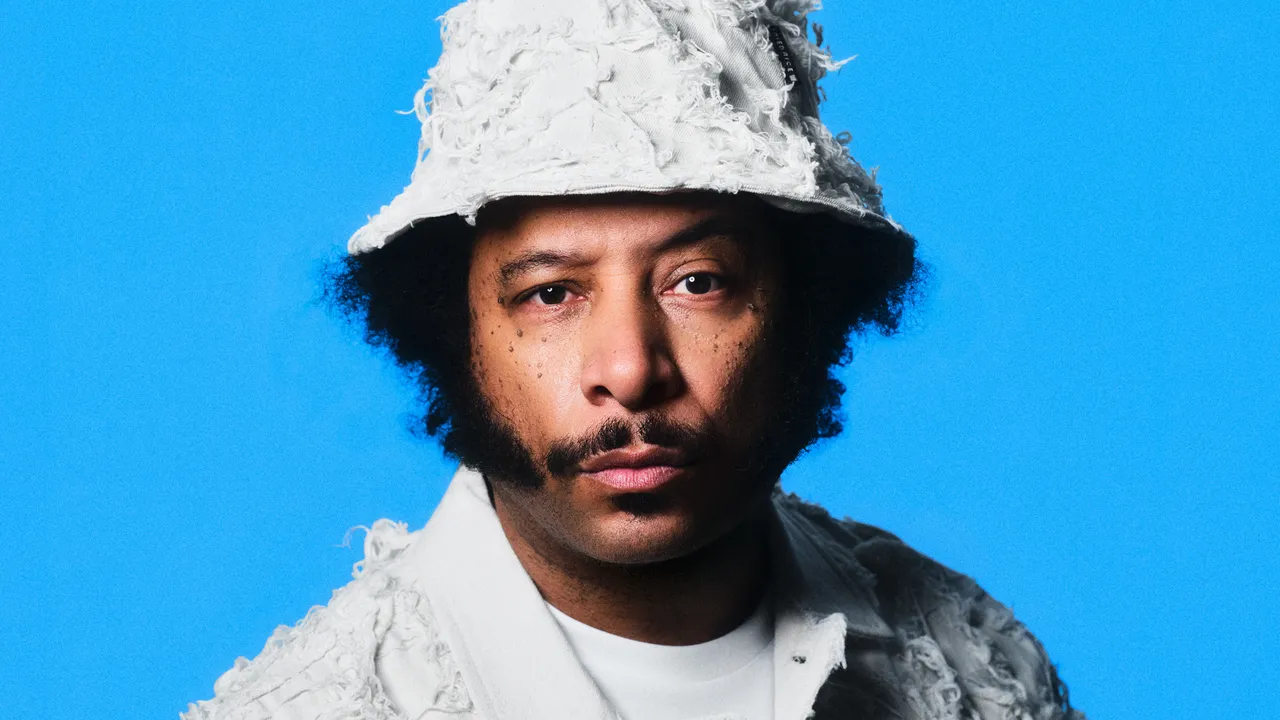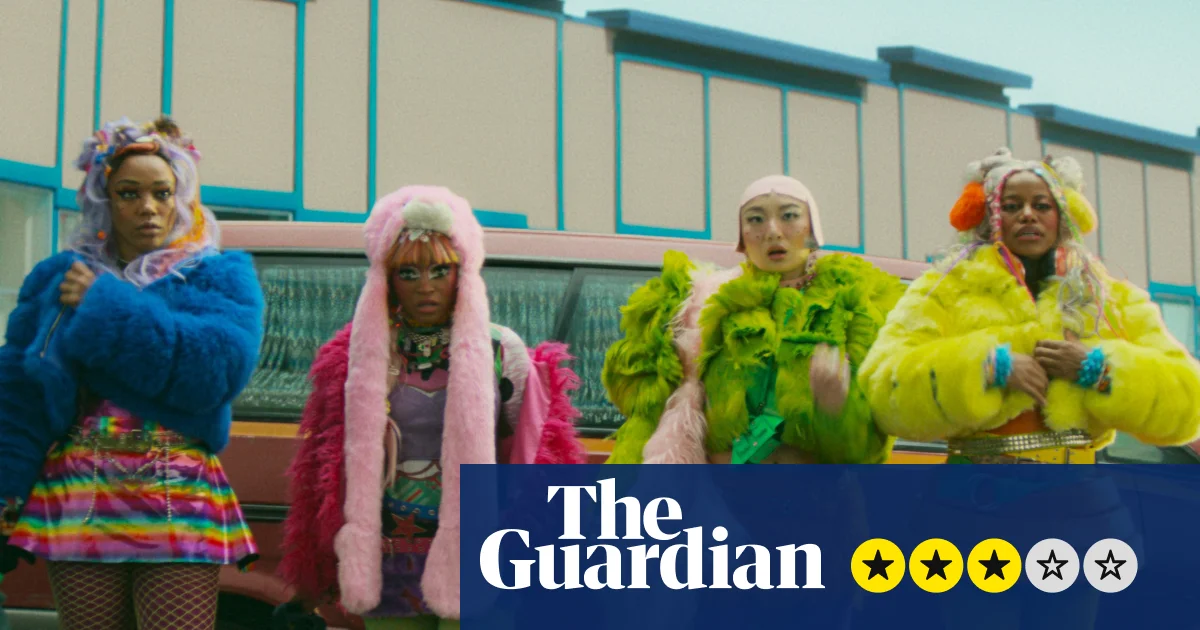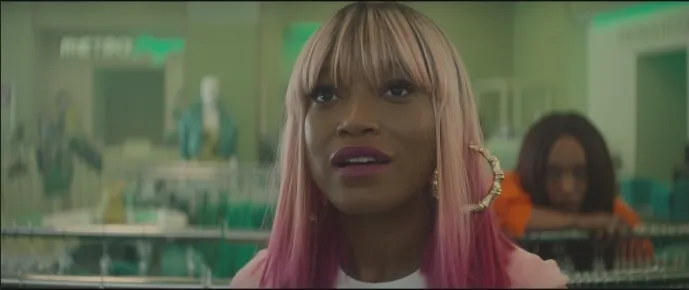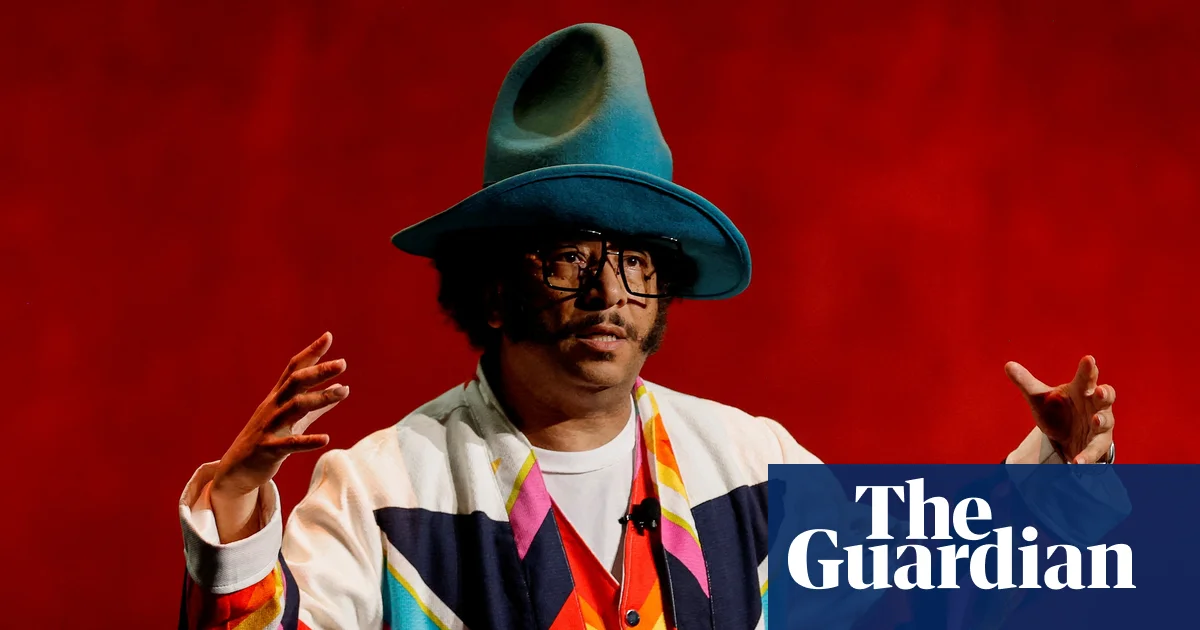
Don’t call Boots Riley an anti-capitalist, at least not without qualification. “I’m a communist,” he clarifies. “A lot of stuff that calls itself anti-capitalist is doing so because they’re afraid of calling themselves socialist or communist or something else.”But the one-size-fits-all label persists for a reason. From his early work with the Coup, a subversive hip-hop group that gleefully mocked the genre’s prevailing culture of wretched excess on albums like Kill My Landlord and Genocide & Juice, Riley has made art that treats capitalism less as the operating system for daily life, complete with its expected bugs, than an axeman lurking under the bed.As a director, Riley uses dark comedy and magical realism to render capitalism a tangible bogeyman, suffocating the ambitions of young strivers. His debut feature Sorry to Bother You, which shares its title with a Coup album, skewers telemarketing avarice and predation; his limited series I’m a Virgo, about a 13ft-tall Black teen raised in near-total isolation, extends the critique into the commodification of Black bodies, where value is assigned before agency is even possible.His latest film, I Love Boosters, turns shoplifting into a Robin Hood–style proletarian allegory, where stealing itself is a mode of survival. And it arrives amid renewed debate over retail theft, with some on the left framing small-scale “boosting” as a form of resistance, and labor advocates warning that it ultimately harms workers while giving retailers cover to escalate enforcement and pursue felony charges. “Theft is not outside of capitalism; it’s what capitalism was built on – and not even, like, metaphorically,” Riley says. “The bourgeoisie was no different in that they stole land, stole minerals, stole labor. But that theft is thought of as legal.”Boosting, he adds, is a moral distinction that gives cover to industrialists who pursue perpetual growth at all costs. “I don’t buy the idea that retailers have to raise their profits because of shoplifting; they’re just using it as an excuse,” he says. “We found a clear example of that here with [Walgreens] in the Bay Area saying shoplifting was causing them to close and restructure – and then a recording of [executives] telling shareholders that, really, shoplifting had nothing to do with it.”In I Love Boosters, Keke Palmer plays Corvette, a sharp, fashion-obsessed design aspirant haunted by a literal boulder of debt. She squats inside an abandoned fried chicken shack and leads the Velvet Gang, an all-female shoplifting crew that hits high-end San Francisco stores and funnels the goods back to her working-class Oakland community.Demi Moore is Christy Smith, a haute couturier who embodies capital itself, treating fashion as a form of population control – selling color while styling herself in monochrome – and raging at the Velvet Gang’s repeated disruptions to her business. Christy declares war on those “low-class, urban bitches”; Corvette responds by upping the ante, and a Chinese factory worker – Hacks’ Poppy Liu – actually teleports into the situation and ties the street-level class struggle to labor unrest overseas. Along the way, there’s Don Cheadle in a fat suit, demon cunnilingus, a treatise on Hegelian dialectics – or so I thought until Riley jumped in again to clarify: “It’s Marx’s dialectical materialism. Hegel’s is more historical as opposed to economic.”In person, Riley, 55, reads less like an avant-garde auteur than a tweedy university professor. He speaks in full paragraphs and delivers his lines with an office-hours kind of unguardedness, his ideas about economics and culture as bold and idiosyncratic as his trademark hats and mutton chop side burns. While Riley was holding forth about his new film for the New Yorker, the Daily Show and NPR’s Fresh Air, his cast took a less traditional promotional route. The highlight was a stop at an Oakland gas station where Palmer and LaKeith Stanfield posed with customers and gave away free fill-ups as a live rooster looked on from the roof of an SUV.Naomi Ackie, Taylour Paige and Keke Palmer in I Love Boosters. Photograph: Everett Collection Inc/Alamy“The roosters are out,” Riley beamed when I asked him about the pop-up. “What’s crazy is I think they just passed an ordinance to ban roosters in Oakland. You can have chickens, but you can’t have roosters – which to me is the fun part, living in an area that’s got roosters. You wake up, and it feels like nature.”The bizarre scene is par for any production tied to Riley, a lifelong Oakland resident who has made the city a consistent backdrop for his work; in fact, it wouldn’t have looked out of place in I Love Boosters, which delights in far-fetched and over-the-top imagery – from Corvette looking like the Michelin Man as she hauls off in a tracksuit full of stolen goods to Christy taking up residence inside a leaning tower that looks close to toppling.When I ask Riley if he could land his anti-capitalist criticisms as effectively without surrealism as a Trojan horse, he is unequivocal. “The style and content are inextricably linked,” he says. “I could just say to people, hey, we need a world in which the people democratically control the wealth that we create with our labor. But I’m wanting people to have emotional and visceral reactions, to have this push and pull where they think about the ideas in a different way.”That sensibility doesn’t stop at aesthetics; it extends to his support for Palestinian freedom and for other Hollywood figures who have expressed solidarity. Melissa Barrera, who was fired from a leading role in Scream 7 and effectively branded an antisemite over social media posts criticizing Israel in 2023, has been held up as a cautionary tale about the risks of bringing radical views too close to the set. “It doesn’t stop me from speaking out,” Riley says. “It didn’t stop Melissa Barrera. And she’s not squatting in a chicken shack. But that’s the lesson they want to give.”Boots Riley on the set of I Love Boosters. Photograph: NeonRiley also gestured at the controversy around Rachel Zegler’s public comments on the Gaza war during the promotional run for Disney’s live-action Snow White, which fueled online rumors of Hollywood producers compiling informal lists – via spreadsheets or group chats – of actors and other industry talent perceived as sympathetic to Palestinians.He claims that his own name was added to a blacklist while he was advocating on behalf of the writers’ and directors’ unions during their contentious collective bargaining sessions in 2023, and that he pushed back when a reporter reached out to confirm the story. “I argued with the reporter, saying: ‘What is the service that this coming out does?” he recalled. “Like, are you exposing those in power, or are you making people scared of those in power?’ I find it’s the latter.”As an independent film-maker, Riley considers himself relatively insulated from the kinds of industry pressures that can make Hollywood creators vulnerable to shifting moods and backlash – an irony he acknowledges as a self-styled champion of the working class. “I’m never trying to get a job. I’m trying to make the things I’m trying to make,” he says. “I might make the $5,000 version or the $50m version. I can do that.”It’s perhaps why he has drawn criticism for collaborating with Annapurna Pictures, the boutique production company run by Megan Ellison, daughter of Oracle founder Larry Ellison, a major donor to pro-Israel causes whose wealth and influence over American media have expanded amid the consolidation of tech and political power. Of course, Riley is quick to clarify the relationship: Annapurna acquired Sorry to Bother You after its 2018 Sundance premiere, and he separately developed I Love Boosters under a deal at the company before the project was ultimately picked up and financed by Neon. “Annapurna may have boosted the signal, but that’s the extent of the connection there,” he says.Boots Riley, Keke Palmer and LaKeith Stanfield. Photograph: Jeanette D Moses/ShutterstockAs for the Ellison name, Riley adds: “The only thing Megan has ever said in relation to that is: ‘I just want you to know I’m not my father.’ But it’s interesting that it’s such an issue when BlackRock and Vanguard – major shareholders in Disney and Netflix, as well as Regal, Cinemark and AMC – also give billions upon billions to Israel. So I get the critique, unless you’re saying: don’t make a movie, don’t show it in theaters, because they get 50% of the income. Even if you make an independent movie, you’re still in this business. It’s really a liberal critique.”Even so, the corporate contradictions underpinning Riley’s work haven’t proved potent enough to smother its political charge. He often hears from viewers inspired to organize labor movements in their own communities after watching his projects. He fondly recalls a group of telemarketers who approached him eager to go on strike after Sorry to Bother You. There was just one problem: they had already agreed to work from home. “I was like, that’s not gonna work,” he joked.He can resist the anti-capitalist label all he wants. The shoe still fits. “I’m someone who believes that what gets us the world that we want starts right now with a mass militant radical labor movement – one that uses the withholding of labor as a tactic to shut down parts of industries, whole industries. We can do our own version of the strait of Hormuz.”
Boots Riley: ‘Theft is not outside of capitalism, it’s what it was built on’
The outspoken musician and film-maker talks I Love Boosters, his colorful follow-up to 2018 hit Sorry to Bother You, and the criticisms of his partnership with an Ellison
1,572 words~7 min read