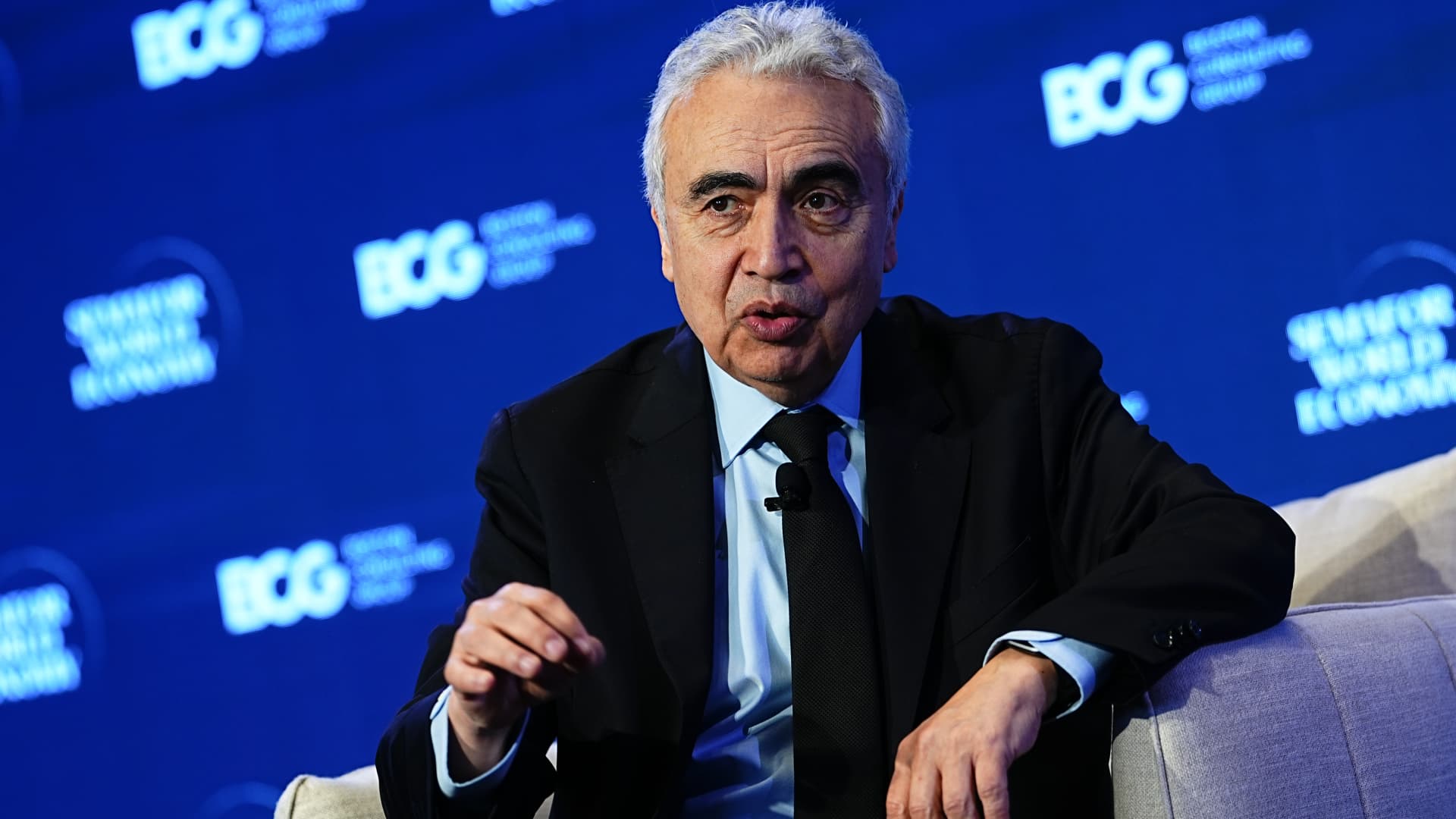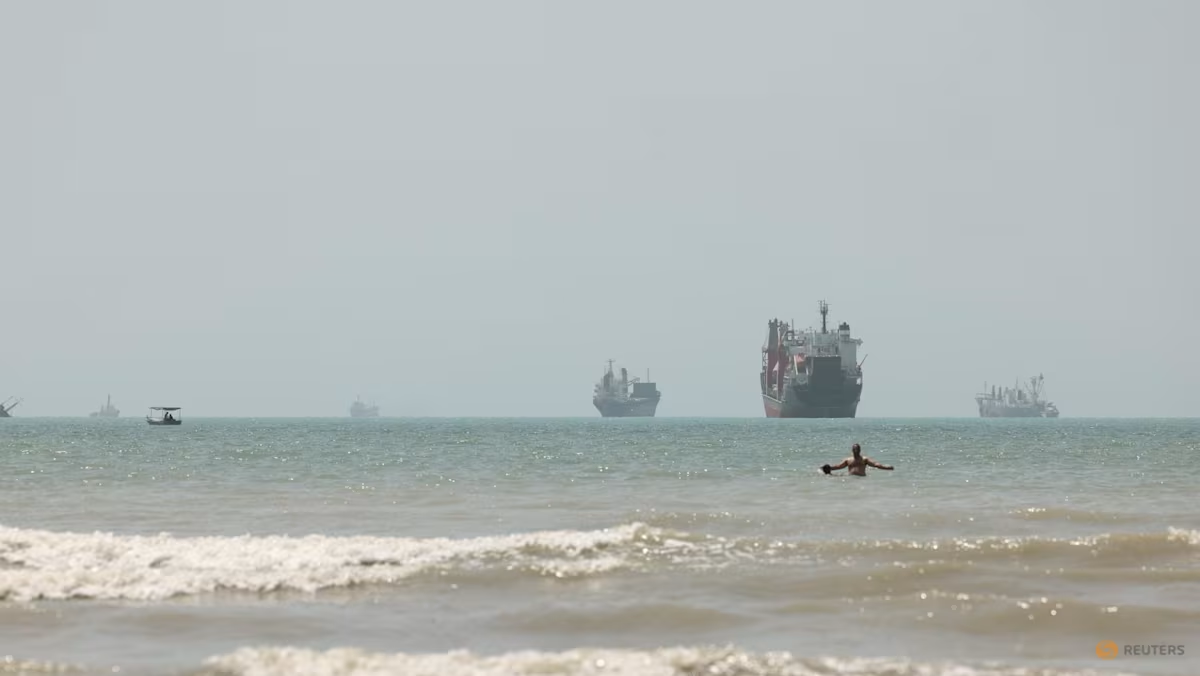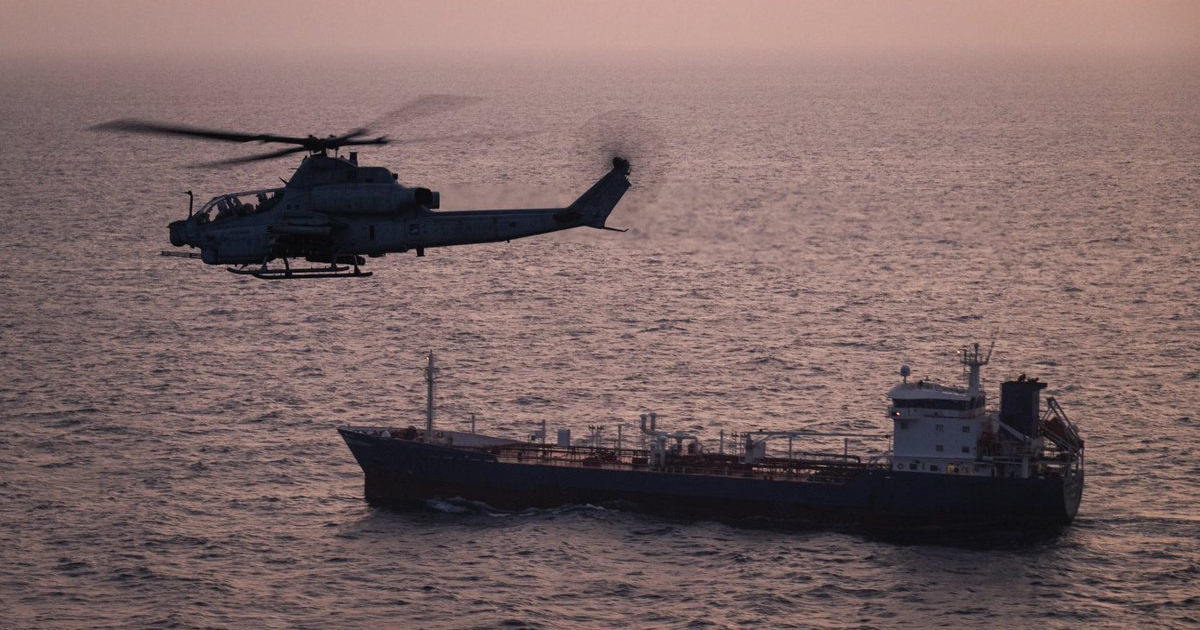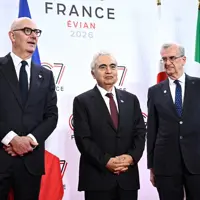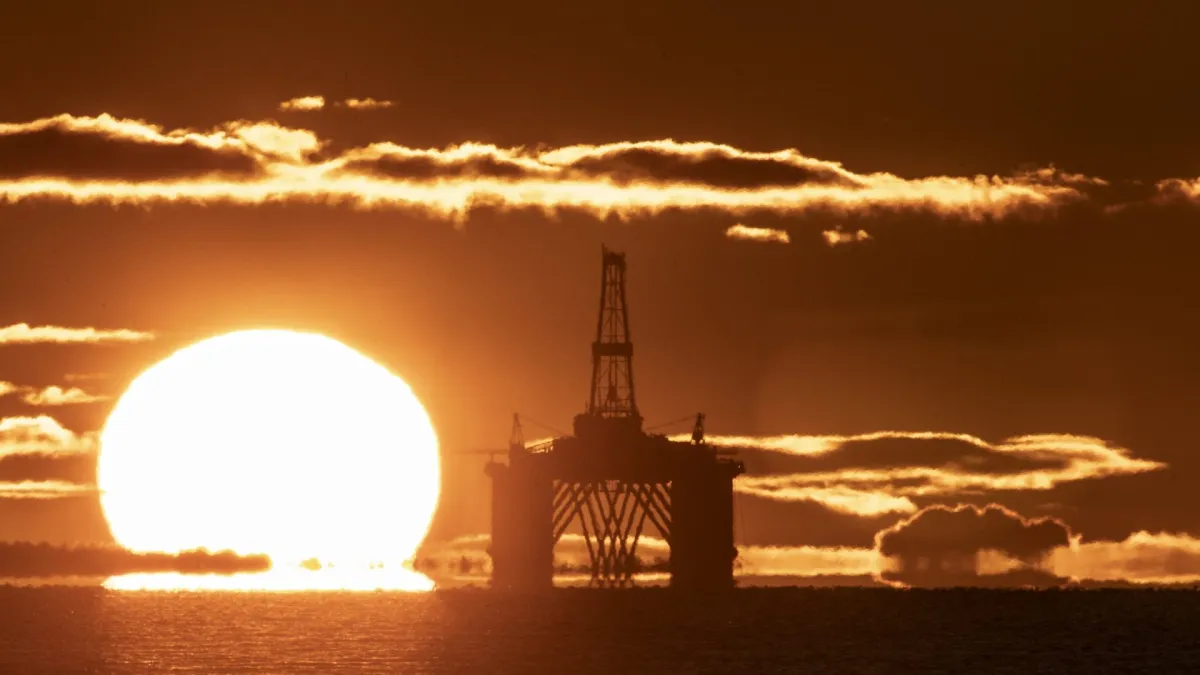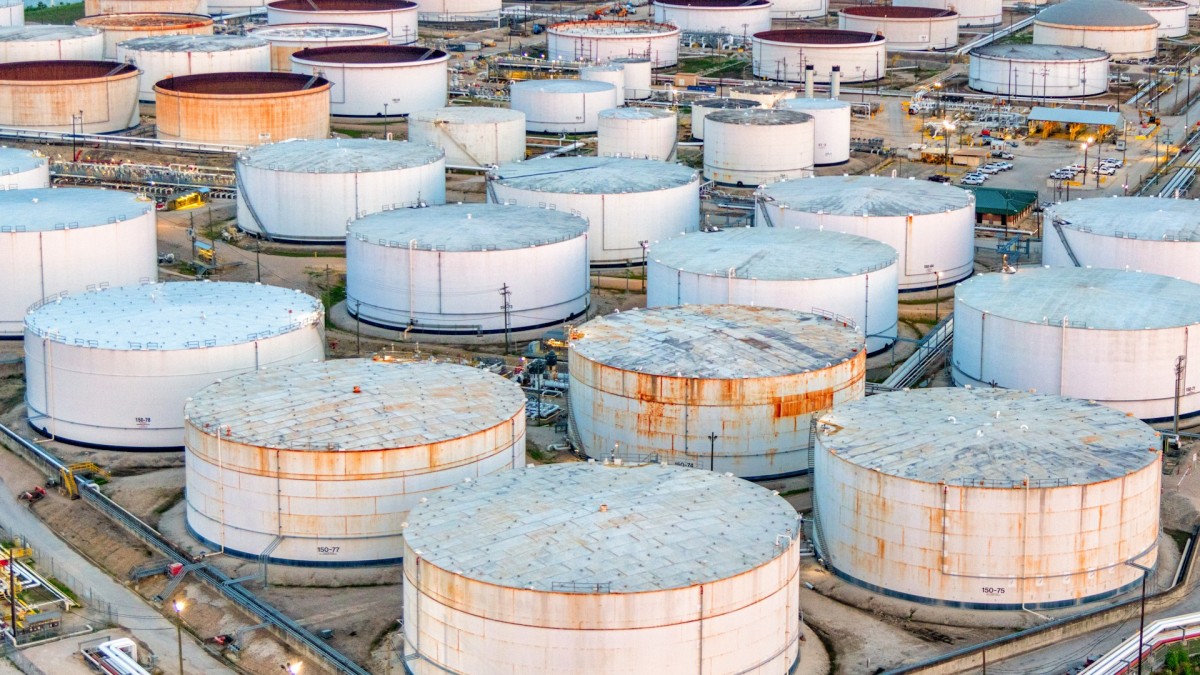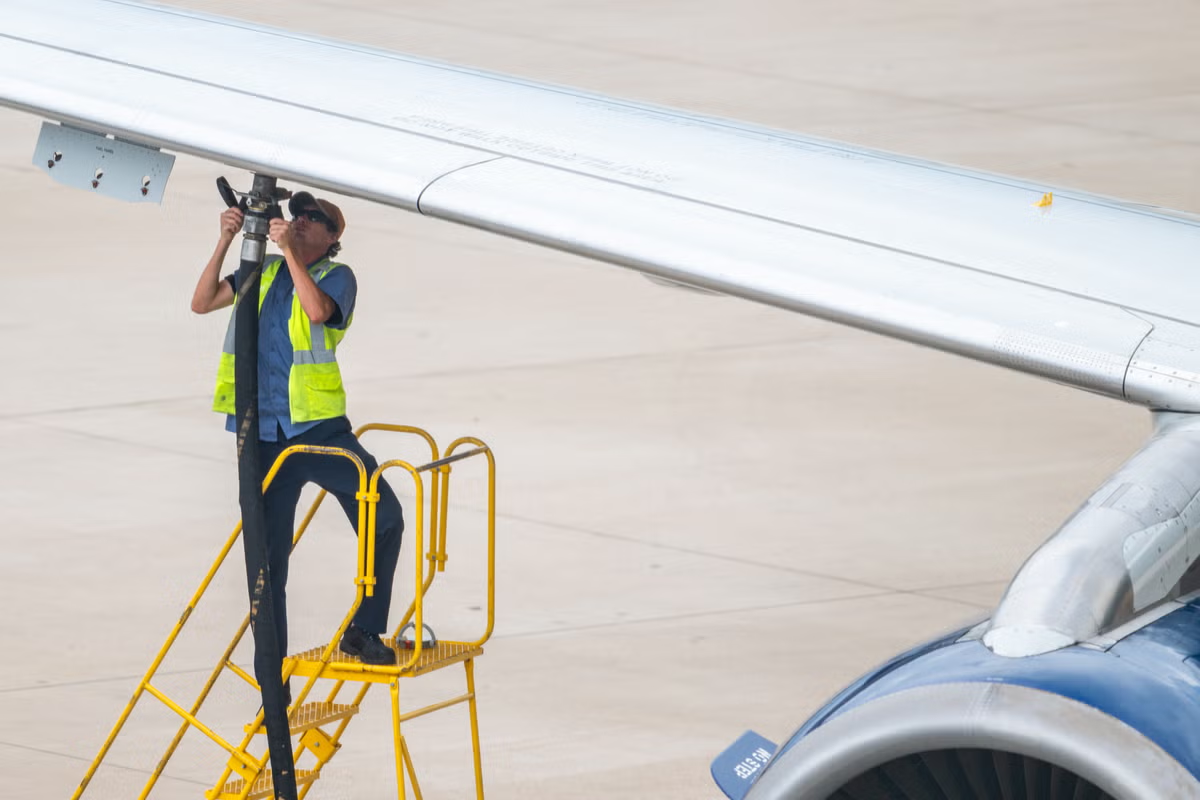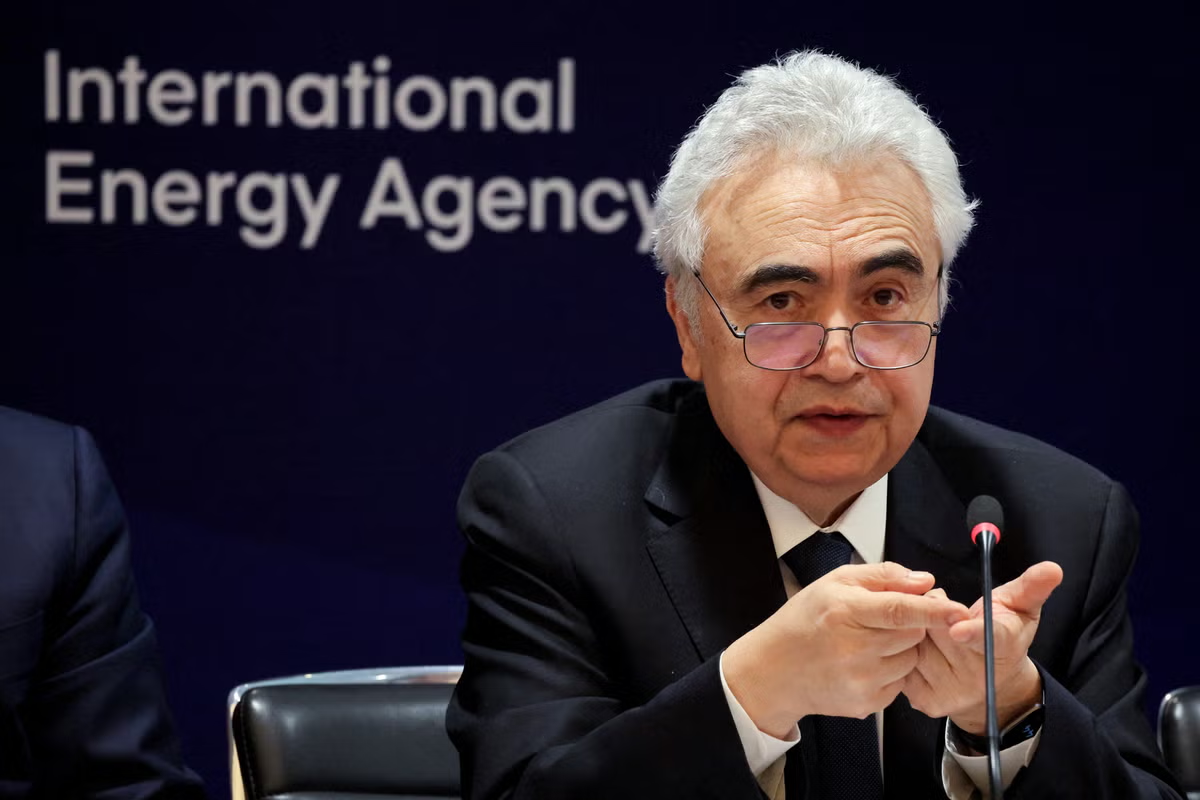
The UK’s oil reserves could begin to dwindle just as the summer travel season begins, the executive director of the International Energy Agency (IEA) has warned, threatening huge price shocks around July and August.Dr Fatih Birol said this is when oil markets will enter the “red zone”, as the ongoing US-Iran war takes its toll on economies around the globe. Dr Birol added that the most imperative solution to the current energy shock is the full and unconditional reopening of the Strait of Hormuz.The rising price of oil threatens to impact the cost of essentials like fuel, energy and food, with the travel season increasing demand. Several travel experts have warned that jet fuel shortages could drive up the price of travelling this year, with some airlines already beginning to cancel flights.Speaking to the London think tank Chatham House, Dr Birol said the IEA was open to its members releasing more strategic oil reserves, as was done in March. Member countries include the UK, the US and most European Union countries.Oil markets will enter the ‘red zone’ in the summer, Dr Fatih Birol warned (AFP/Getty)At present, as much as 80 per cent of the IEA’s collective reserves have not been released.While these stocks are eroding, no new oil is coming from the Middle East despite increasing demand amid the holiday season, Dr Birol warned. He said: “This may be difficult and we may be entering the red zone in July to August if we don’t see some improvements.”The IEA chief added that the current crisis was having a greater impact than the three biggest previous major energy shocks – the 1973 Mideast war and oil embargo, the 1979 Iranian Revolution and the 2022 Russian invasion of Ukraine.“This crisis is bigger, I would say much bigger, than all three crises in history put together,” he said.Dr Birol added that he had “never seen the dark and long shadow of geopolitics so dominant in the energy sector,” and warned against “extreme” political groups in Europe and the UK which are trying to argue that the current situation is a failure of the political system, when the price of oil is actually set internationally.Energy secretary Ed Milliband has pledged to improve the UK’s energy security (PA Archive)He said: “What I’m afraid [of] is the following: the international energy prices, as a result of this, they are going to increase. And they are increasing. And this will affect the domestic prices in the petrol stations, in heating, and so on.“In fact, the governments in, let’s say, Europe or UK, or whatever, they don’t have much to do with this, it’s international tension.“However there may be some extreme groups – political groups – who can abuse this as a failure of the existing political system in their countries.”Turning to the UK’s energy system, Dr Birol said the future lay in “electrification”, which could be powered by renewables, nuclear energy and natural gas. He also rejected talk of renewed drilling in the North Sea, arguing that it would not have an impact on international energy prices.Energy secretary Ed Miliband has pledged to improve the UK’s energy security amid the ongoing US-Iran war, with the government including its Energy Independence Bill in the recent King’s Speech. This aims to enable clean energy projects to be built faster and signals a move towards greater domestic energy production.
Warning summer holidays are under threat with oil markets nearing ‘red zone’
We are facing the largest energy shock in living memory, the energy boss warned
559 words~3 min read