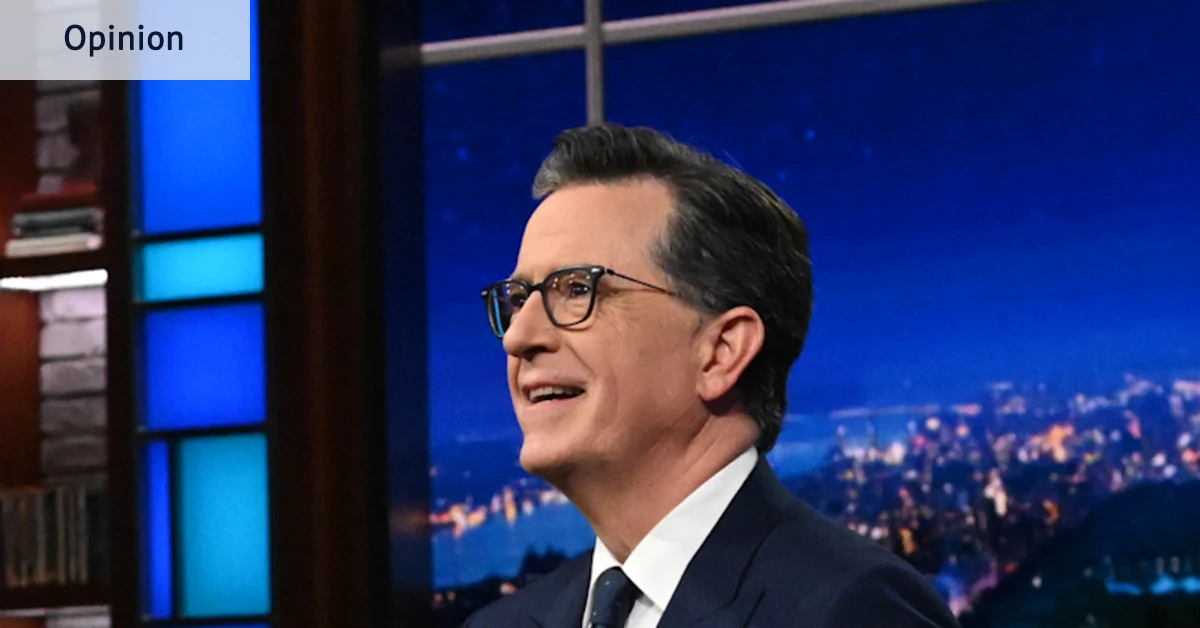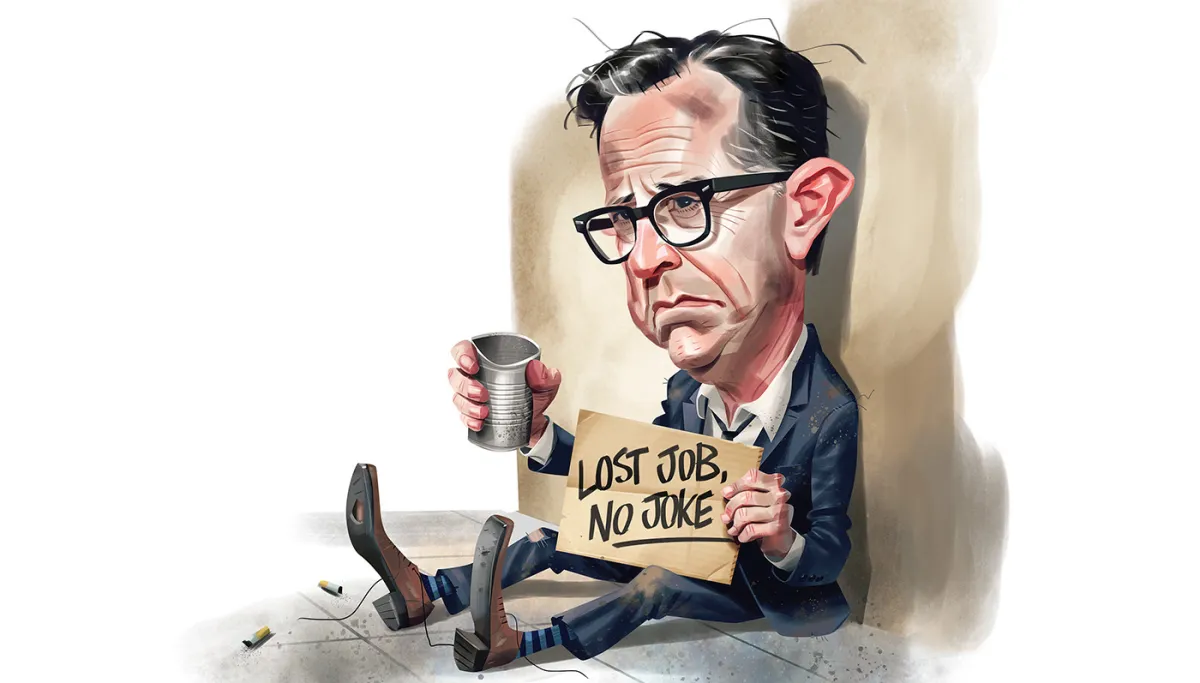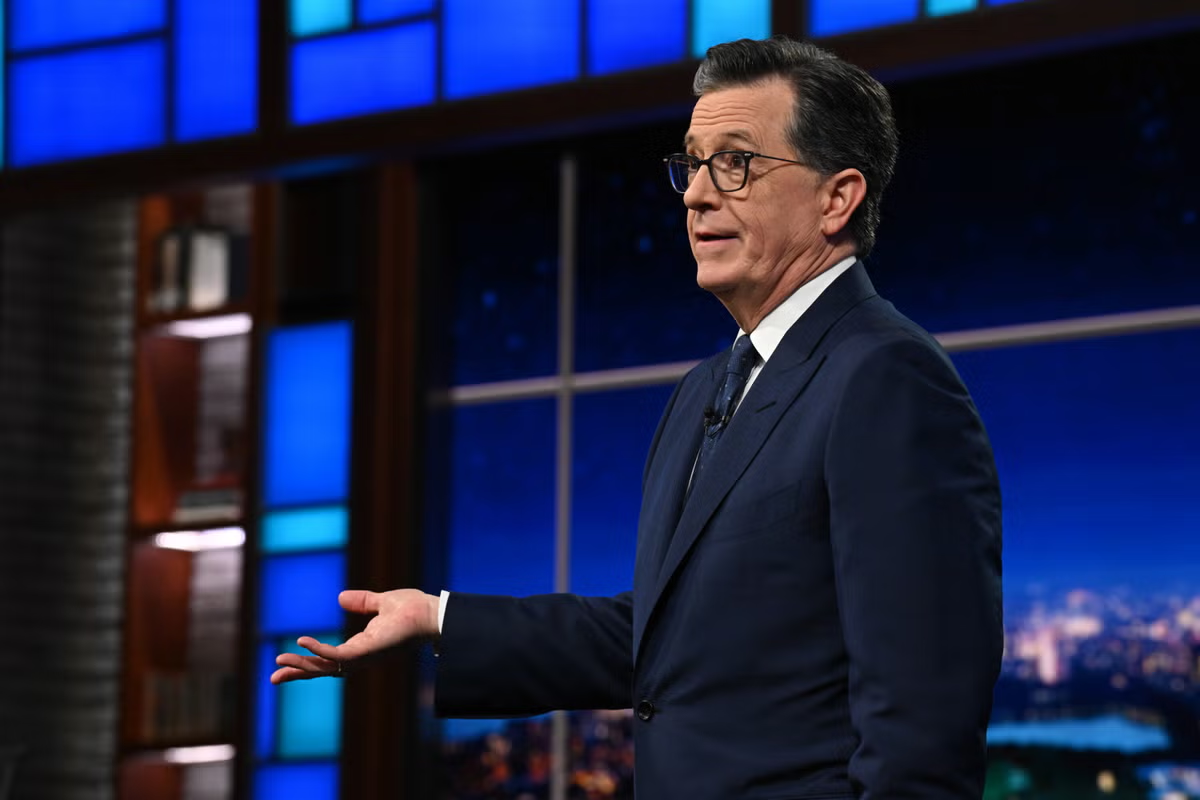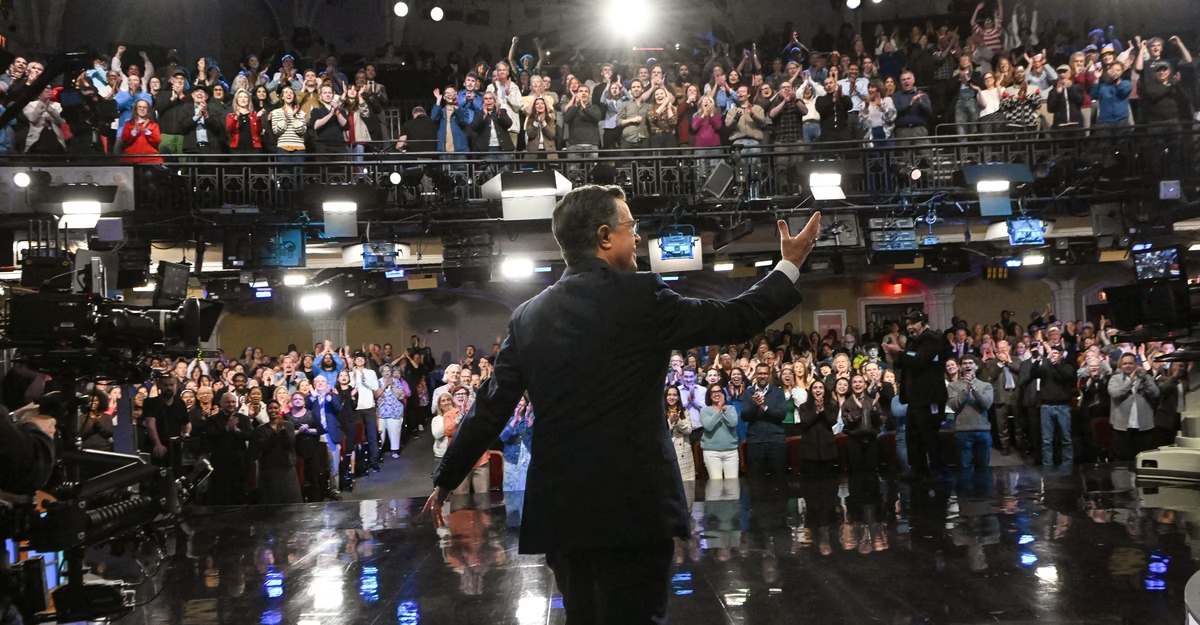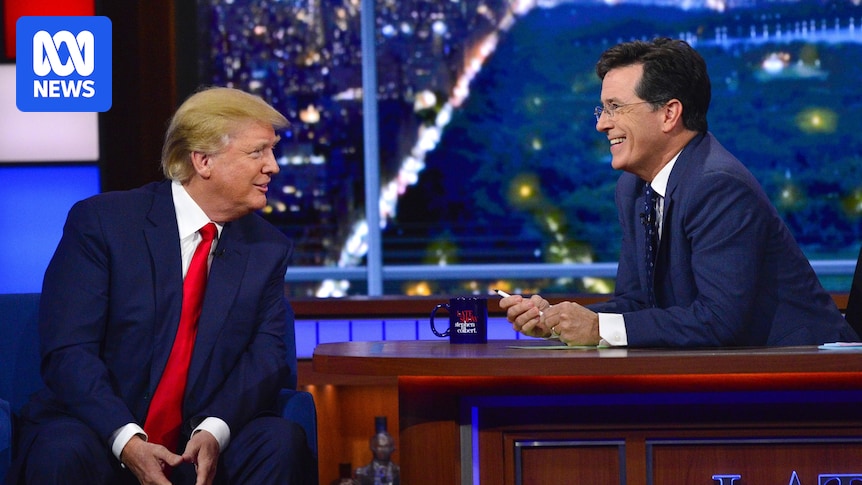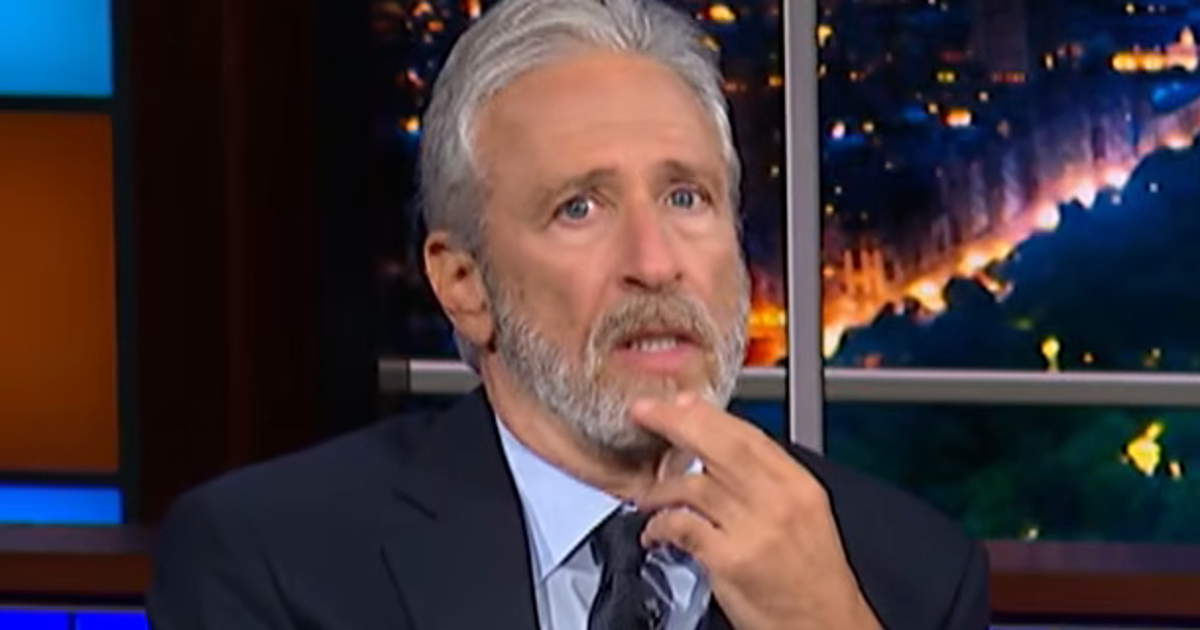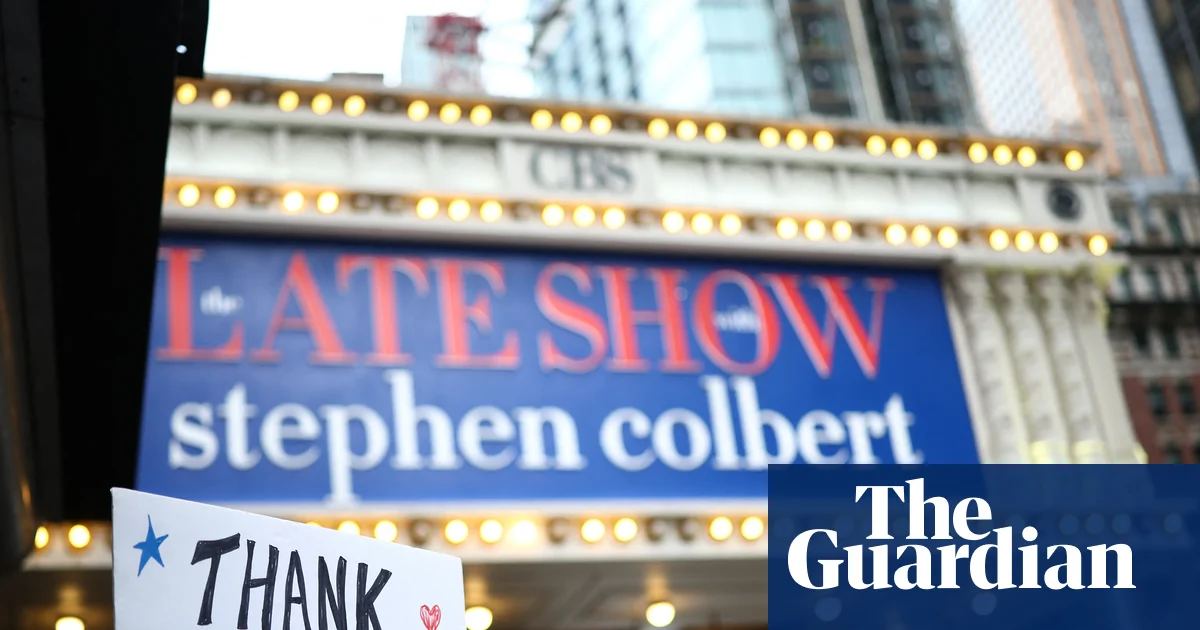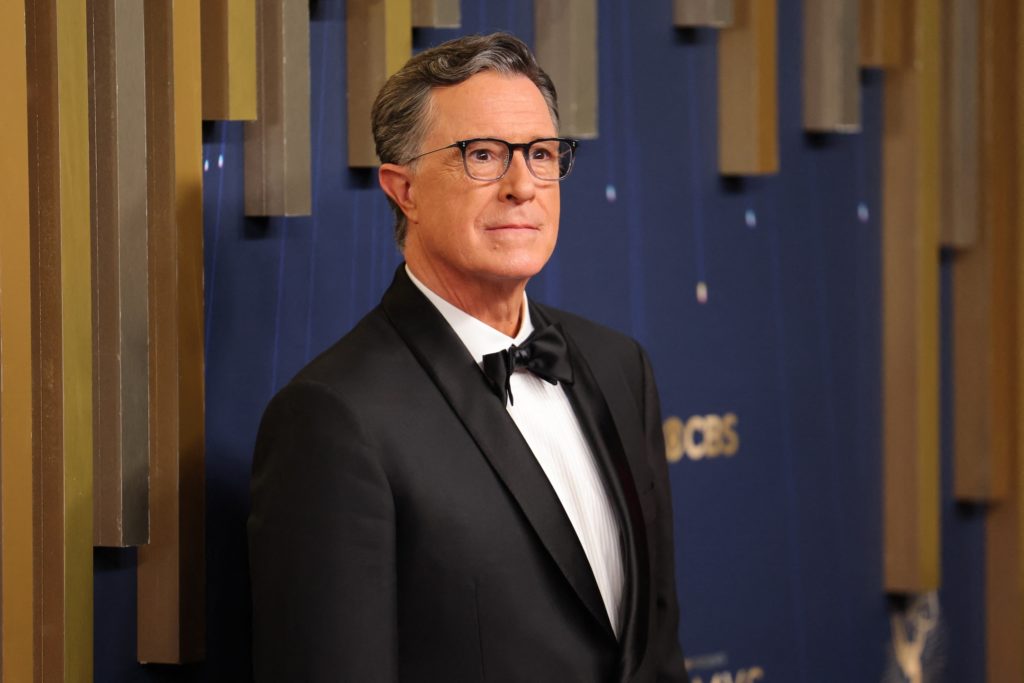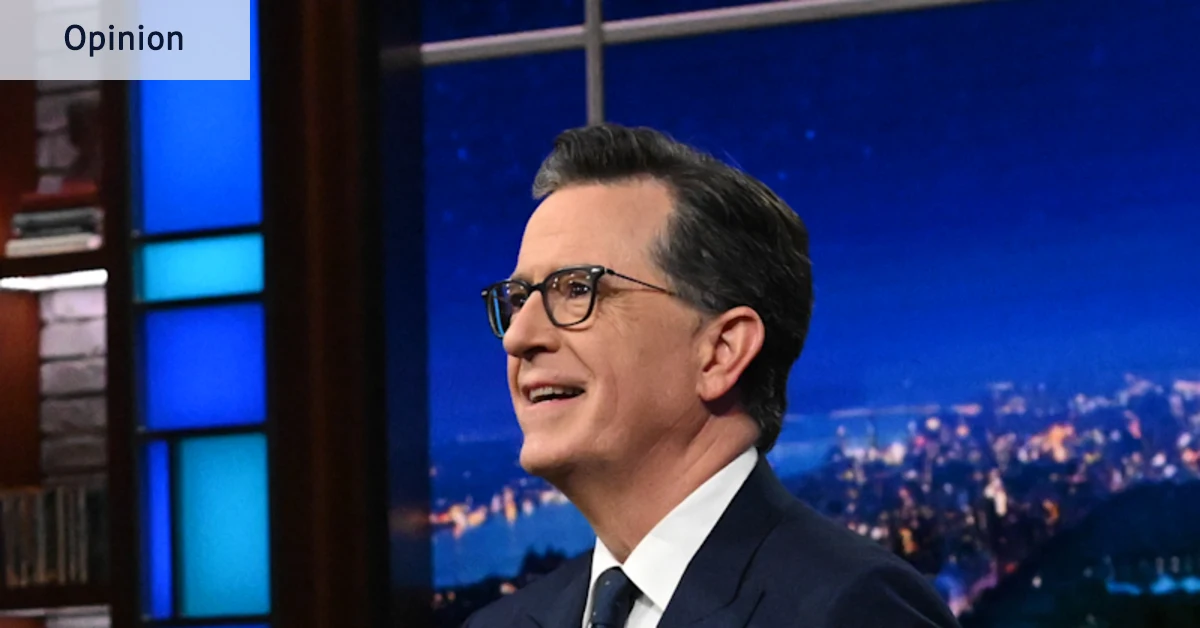
OpinionMay 22, 2026 — 4:28pmBack in the day, the late-night talk show landscape in the US was a snake pit. Genial Johnny Carson had sharp elbows behind the scenes, and no comedian or movie studio with stars to promote wanted to get on his bad side. When his protegé Joan Rivers started a competing late-night show, Carson iced her out permanently. (The premise of the Emmy-award winning Hacks has echoes of Rivers’ career.)And then came the famous late-night wars between NBC’s Jay Leno and CBS’s David Letterman, with Conan O’Brien caught in the crossfire. This spawned a best-selling book and a noted TV movie. A grand finale ... Stephen Colbert’s farewell to The Late Show. CBS via Getty ImagesToday, things are a lot different. There’s a whole spectrum of late-night hosts – though, in classic Hollywood fashion, they are all white guys, none of them even Jewish – and they are all gushing BFFs.Still, each has a distinct identity: ABC’s Jimmy Kimmel is the workingman’s late-night host, with roots in American football and bro-centric comedy. Jimmy Fallon, on NBC, is a Saturday Night Live vet whose facile comedic and musical talents can’t quite disguise the fact that he is late-night’s least talented sibling. Then there’s Seth Meyers, host of a late-late show on NBC, who has a deceptively casual intellectual cast; he’s the late-night host who does the Times crossword every day. Along for the ride is Brit John Oliver, an alum from Jon Stewart’s Daily Show, who oversees an unusual weekly HBO show that combines comedy and investigative journalism.And looking over them all with affection are their semi-retired forebears, the sainted Letterman, Stewart and O’Brien.But of course, this week, all eyes have been on Stephen Colbert as he broadcast his last few shows. He was Letterman’s successor on CBS. Starting out, he was a mystery; he too came from The Daily Show but then he became a star with his own show, The Colbert Report, which he hosted in the guise of bloviating and nonsensical right-wing prime-time host. He never stepped out of character. What would his real personality be like?It turned out he was genuine and caring, a huggable sort with his heart on his sleeve – the Ellen of late night. On The Late Show, he was conducting, he would say, “a joy machine”. At the same time, he took over Letterman’s spot just as an unprecedented political figure came onto the national scene, and, like most principled comedians of the era, he felt compelled to comment on the chaos of the first Trump administration. For the past decade, he and Kimmel, Myers and Oliver regularly have assailed Donald Trump’s myriad failures, shortcomings, scams and buffoonery.(For the record, I should mention a successful late-night comedy show on Fox News featuring Greg Gutfield. Its putrid comedy is relentlessly partisan and Trump-friendly. But all of the broadcast hosts regularly mock Democrats as well.)Colbert’s departure, of course, isn’t voluntary. CBS’s parent company, Paramount, was recently taken over by the son of gazillionaire Larry Ellison, a menacing Trump ally; the defenestration of Colbert at a time when the takeover was awaiting government approval was seen as a genuflection to Trump, if not an explicit quid pro quo.Now, in fairness to CBS, the economics of TV and the late-night landscape have been changing fast over the past 10 years. Colbert was the broadcast leader in his time slot, which made his cancellation suspicious from the start. That said, late-night viewership across the board has been cratering for years, and Colbert’s typical audience of 2.5 million was a pretty small number. Beyond that, CBS viewership overall skews very old. Colbert’s performance in “the demo” – industry speak for non-senior citizen viewers – was a puny 10th of his overall viewership, and had been on par with Kimmel’s.Paul McCartney’s parting gift to Stephen Colbert – a photo of the Beatles appearing on the same set for the Ed Sullivan Show 62 years ago. CBS via Getty ImagesYou can’t trust any claims from Hollywood studios, but Paramount says the show is losing tens of millions of dollars a year. That may or may not be true, but it’s definitely true that the bare-bones quality of late night in the old days has given way to extravagant budgets that must pay for an expensive host, innumerable graphics and props, often created on crushing deadlines, a large research staff, set pieces, short films with high production values, skits shot at remote locations, and as many as 20 top-tier comedy talents in the writer’s room and a massive crew besides, all working in one of the most expensive cities in America. And it all took place in the lavishly restored Ed Sullivan Theatre on Broadway, where the Beatles made their American TV debut some 62 years ago.Colbert’s last week – after 1800-plus shows – has seen a lot of tearing of hair and gnashing of teeth (though not in the right-wing mediasphere. Sky News celebrated and mocked his departure.) High-end guests such as Letterman, Steven Spielberg and Bruce Springsteen showed up to lend support. Kimmel, who has also been a target of Trump’s, was outspoken on his own show, noting that he and Colbert’s staff liked and respected each other. “It’s nothing like the old days of late night,” Kimmel said. Notably, he pulled his own show off air for the evening of Colbert’s finale (on Friday in Australia). “I will be watching tomorrow night and I hope those of you who watch our show will also tune in to CBS for the last time. Don’t ever watch it again!”Colbert seemed to enjoy being the centre of attention, once in a while making jokes about his new outlook on life: “At this point, what does it matter? F--- everything!” he said happily.Over the last few shows, Colbert was his blistering old self when it came to Trump, tracking the fire hose of new corruption coming out of Washington. (“Apparently The Late Show outlived the constitution,” he cracked.) His last show, by contrast, was unexpectedly low-key. He began the finale with an emotional tribute to his staff and audience, sliding in a glancing reference to Tennyson’s famous envoi, Ulysses. But Colbert’s monologue – Trump-free – was tepid, and the celebrity cameos to start, including Bryan Cranston and Paul Rudd, were fairly low-wattage.But then Paul McCartney showed up, presenting Colbert with a signed picture of the Beatles on the Ed Sullivan stage. It was an exciting time, McCartney recalled: “America was the land of the free, the greatest democracy,” he said. “That’s what it still is, hopefully.”His singalong musical finale? Hello, Goodbye.Colbert’s departure is definitely the beginning of the end of late-night television, and hopefully not the beginning of the end of media freedom in America. Springsteen, just before he played a riveting version of his devastating Streets of Minneapolis, summed up the situation nicely. “I’m here in support tonight of Stephen, because you are the first guy in America who lost his show because he had a president who can’t take a joke. And because Larry and David Ellison feel they need to kiss his ass to get what they want.”Bill Wyman is a former assistant managing editor of National Public Radio in Washington. He teaches at the University of Sydney.From our partners
Colbert takes final bow, a casualty of the president who couldn’t take a joke
Is this the beginning of the end of America’s late-night television – and the freedom of speech it represented?
1,214 words~6 min read