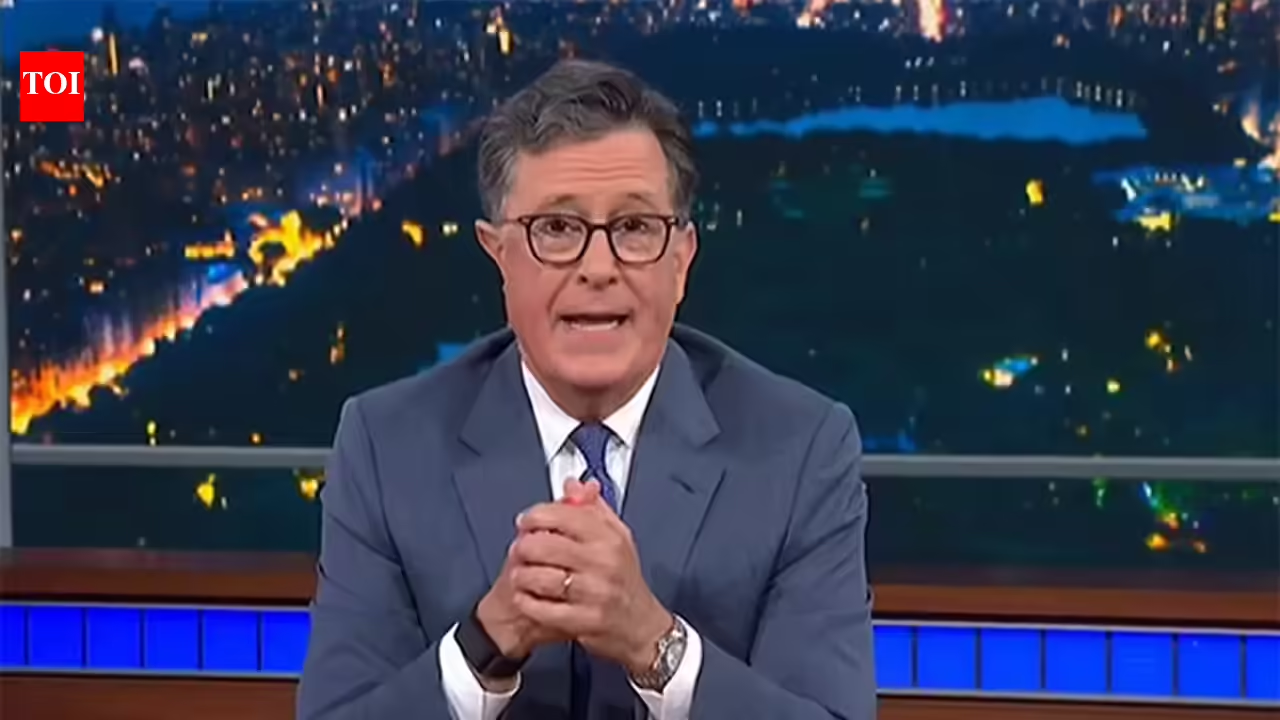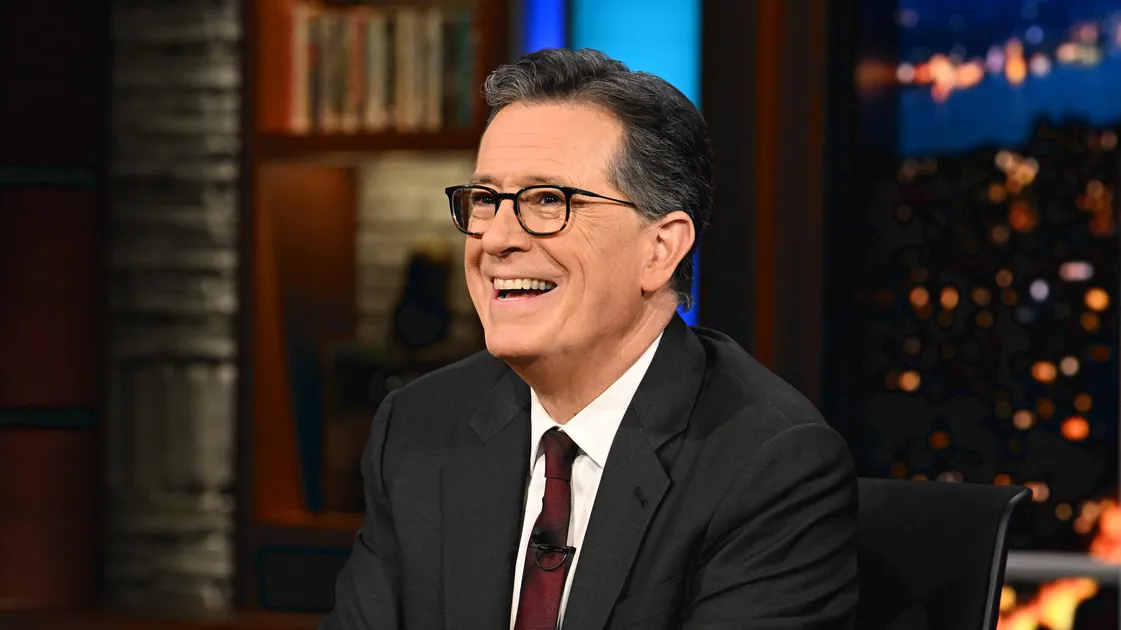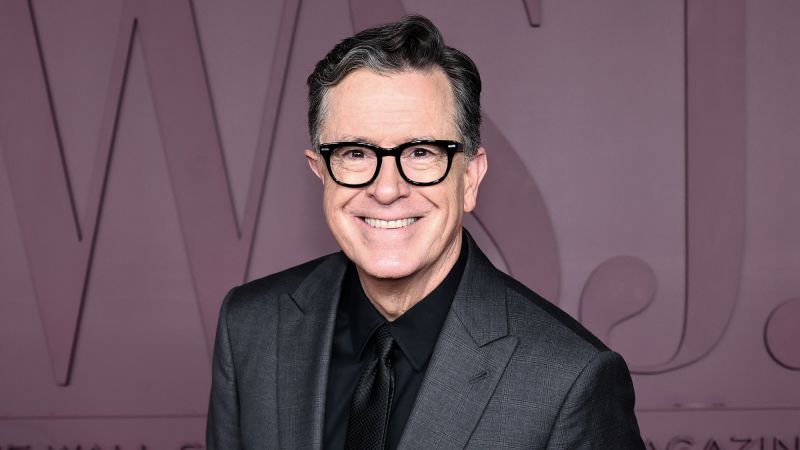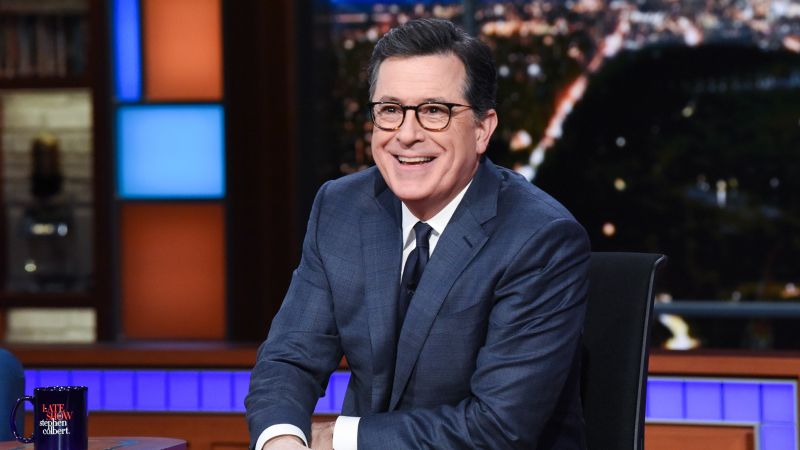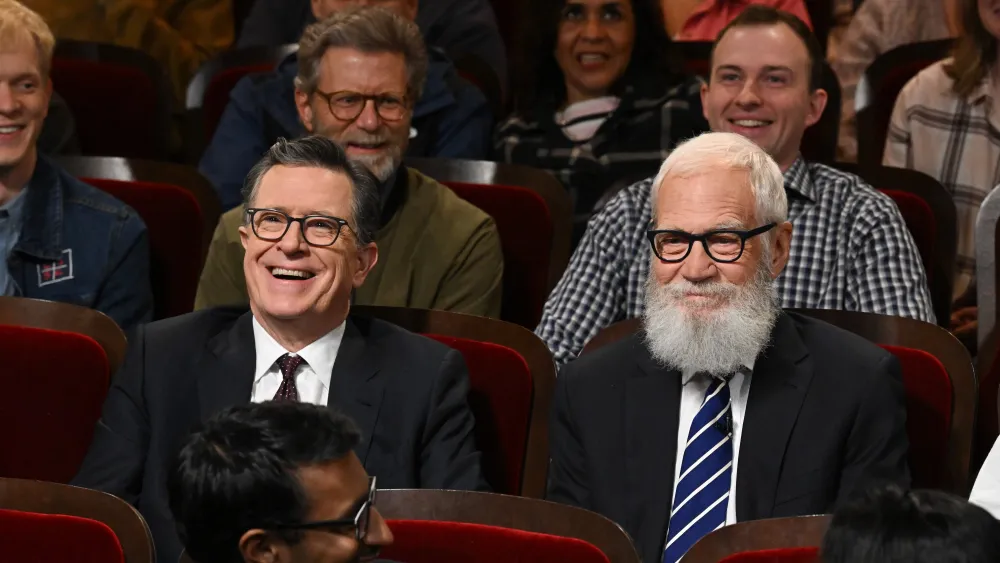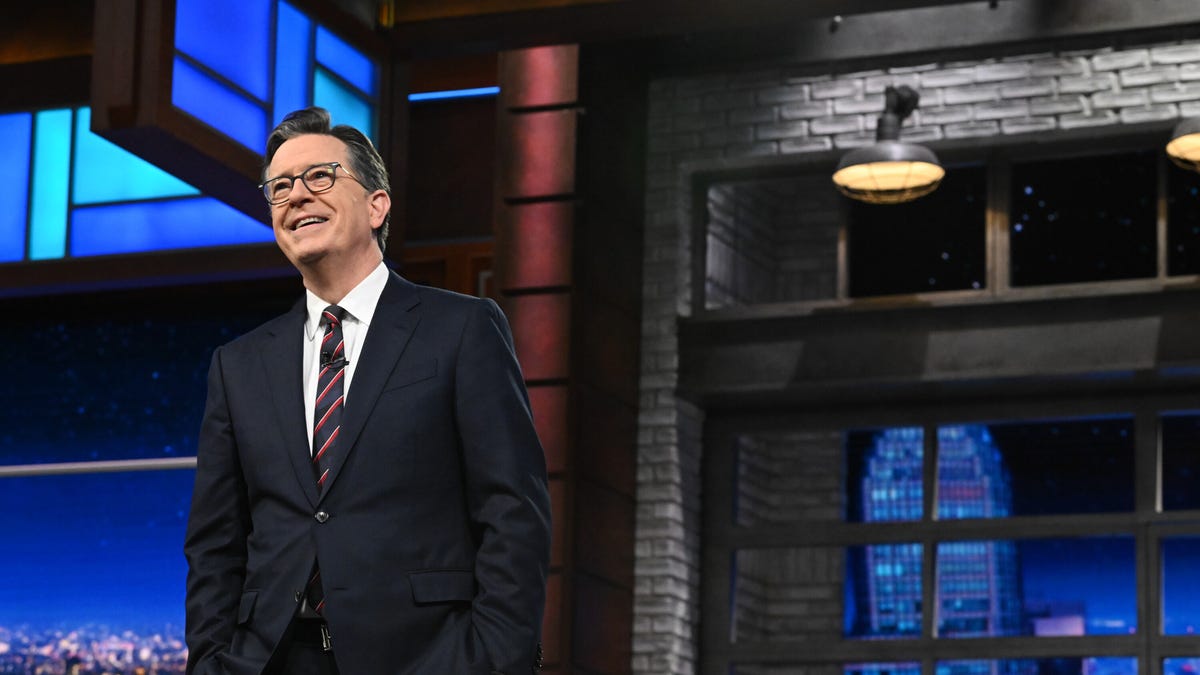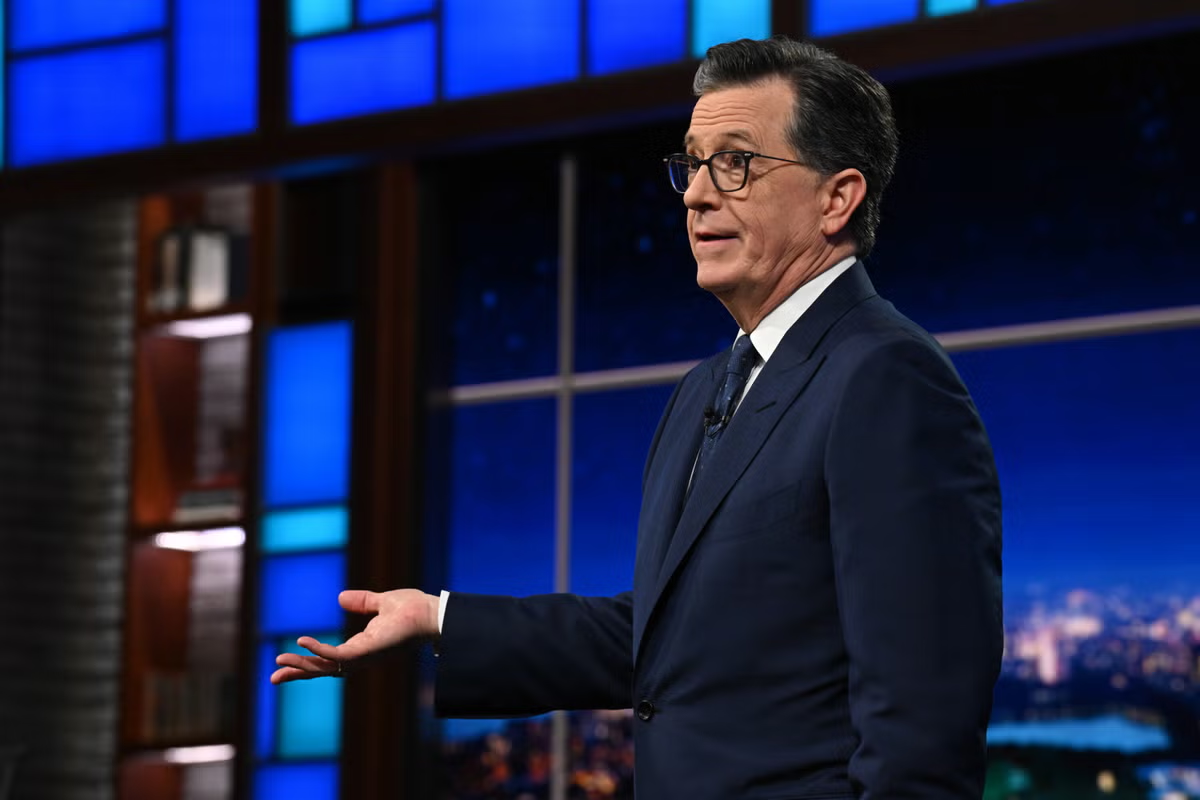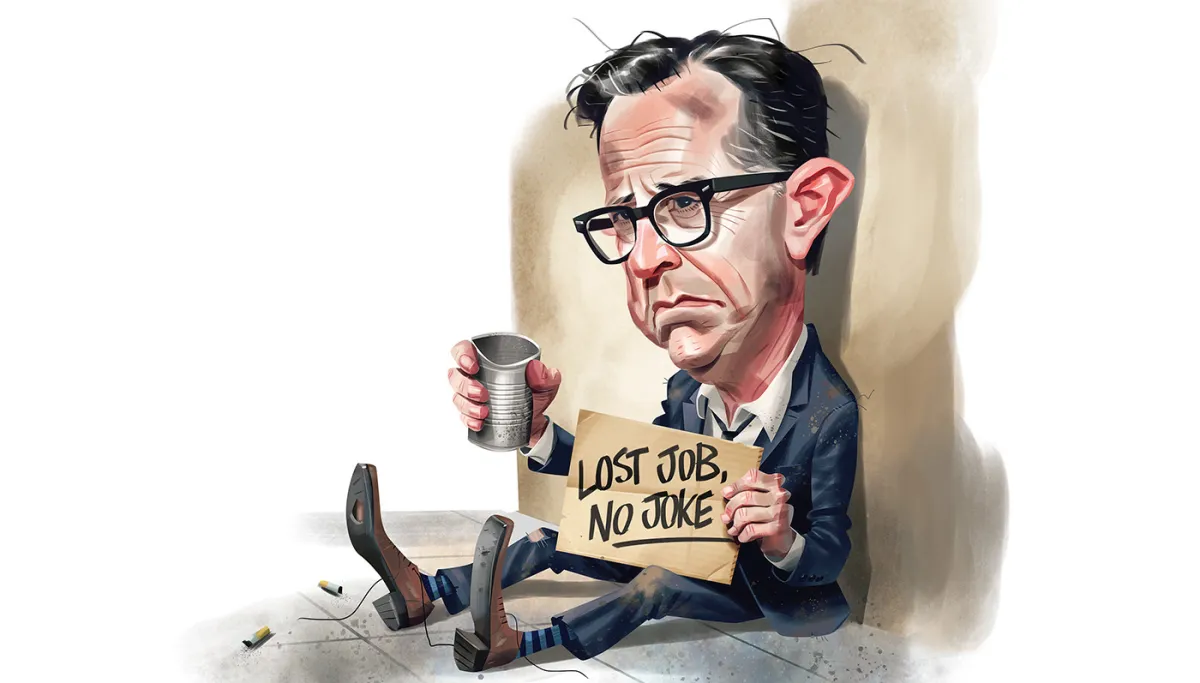
On May 21, Stephen Colbert will host his final episode of The Late Show on CBS, bringing down the curtain not only on his own 11-year run but on the entire Late Show franchise, a CBS institution since David Letterman launched it in 1993. The finale will feature an all-star parade: Jimmy Kimmel, Jimmy Fallon, Seth Meyers, John Oliver, Letterman himself, Tom Hanks, Julia Louis-Dreyfus, Pedro Pascal, and the Strokes. Kimmel, in a nod to their friendship, will air a rerun rather than compete. The send-off will be suitably grand.But here is the uncomfortable truth that no amount of celebrity cameos can paper over: The show ending is not quite the one many of us, those who were devoted fans of Colbert in his Comedy Central heyday, had hoped it would become. When Colbert took over from Letterman in 2015, I was genuinely excited. I had written in Public Discourse, in January 2015, about the genius of his nine-year Colbert Report, how it ranked among the most brilliant and daring achievements in the history of American television comedy. My expectations for what he might do with CBS’s larger platform were enormous. My disappointment over the decade that followed was commensurate. The Late Show is ending in circumstances that are murky, contested, and deeply revealing about where political comedy, and the broader landscape of American discourse, stands in the age of Trump.To understand the disappointment of the CBS show, you must first understand how extraordinary the Comedy Central show was. The Colbert Report, which ran from 2005 to 2014, was built on one of the most audacious conceits in television history: Colbert played a pompous, self-aggrandizing cable news pundit, transparently modeled on the Bill O’Reilly school of blowhard bravado, with such conviction and deadpan command that millions tuned in nightly to watch what amounted to a one-man theatrical performance. As I wrote a decade ago, it was like watching a Tony Award-winning actor reprise his role for a nine-year Broadway run. Except where theater actors are at least able to recite the same lines show after show, Colbert was working from a brand-new script every night. His appearances beyond the studio — testifying before Congress in character in 2010, roasting President George W. Bush at the 2006 White House Correspondents’ Association dinner — were acts of genuine artistic and civic courage. The Report was, at its best, not just funny. It was revelatory.
The Colbert Collapse: How television’s sharpest satirist lost his edge
Late-night television is currently in the ICU of the TV world, and it’s doubtful whether it’ll make it out alive.
2,214 words~10 min read