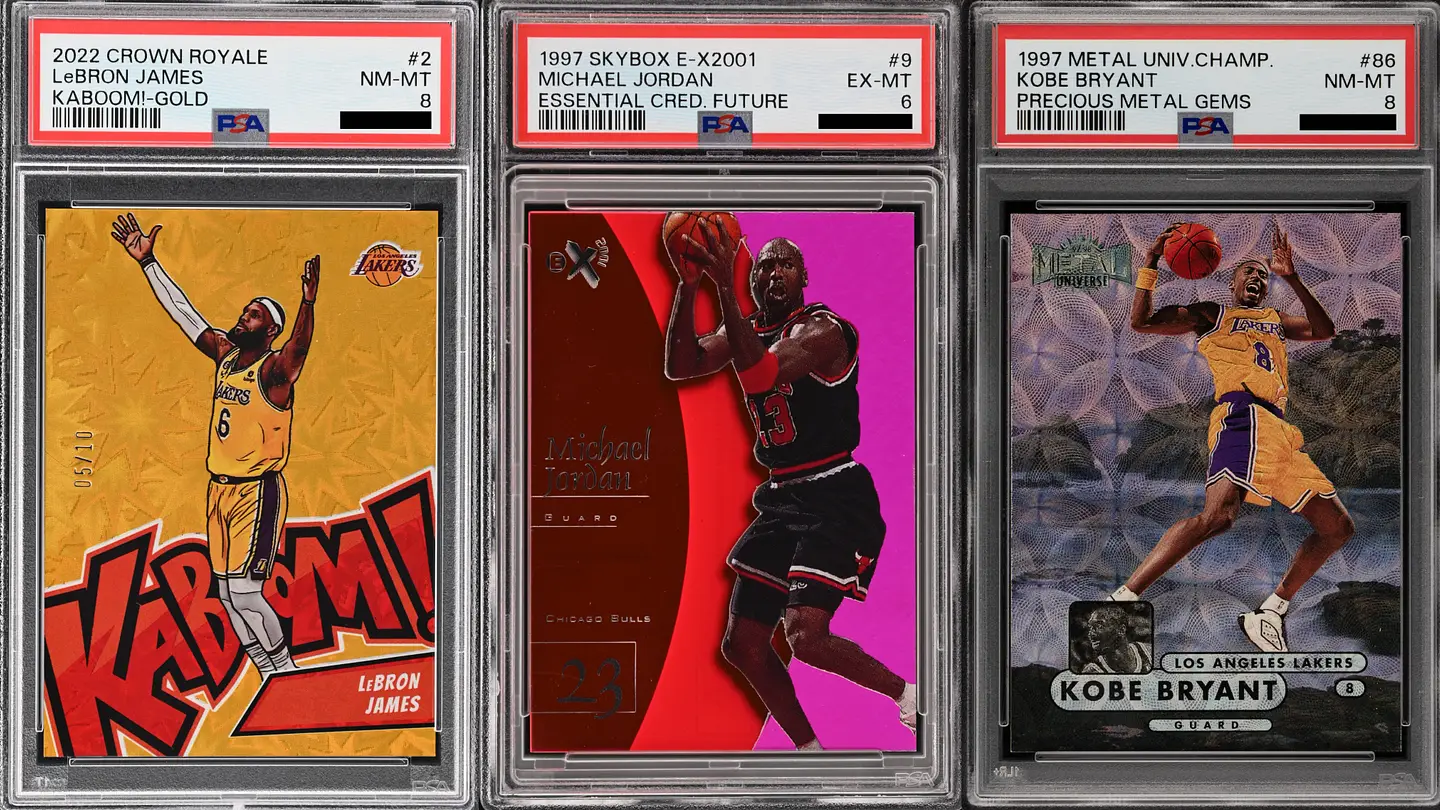
Zachary Capp is a self-described gambling addict. He’s been to rehab for his addiction twice in the last 11 years. The first time it was because the Las Vegas native couldn’t stay away from casinos, sports betting and daily fantasy sports websites.The second time occurred as a result of his compulsion for trading cards. To be more specific, his obsession with winning valuable cards through online “live breaking” platforms, primarily on Whatnot — one of the trading card industry’s largest online sales platforms. And when he landed a multi-million-dollar card most collectors could only dream of, it only made the problem worse.Breaks are a high risk, high reward form of collecting in which participants buy the rights to certain cards, usually by team or individual player and sometimes at random, within a certain number of unopened packs or boxes. It can give participants a better chance at getting a rare and valuable card, but it can also result in walking away with little to nothing if the packs involved don’t contain that player or team.“The thing driving me was never the cards,” wrote Capp, a 38-year-old filmmaker. “It was the hype. The games. The way each break was presented as something you could not afford to miss. The rush of the reveal. The particular agony of the near miss. … I was chasing a feeling I had first learned in casinos, now delivered directly to my phone, available at any hour of any day, packaged to look exactly like a normal thing that normal people did for fun.”Capp estimated losing “hundreds of thousands of dollars” on Whatnot’s platform when calculating how much he spent compared to the value of the cards he received in return.More than 60 Whatnot users have filed arbitration claims, according to attorney Paul Lesko, who is representing them, accusing the company of conducting an unlawful gambling scheme and violating the RICO Act by allowing sellers to hold randomized box breaks and randomized repack breaks on its platform. Within the filings, Whatnot users claim randomized box breaks violate California’s ban on illegal lotteries. (Whatnot was incorporated in Delaware, but its headquarters is in California.)Whatnot’s terms of service require users to resolve disputes through a private arbitration process rather than through the public court system.“Whatnot represents that it operates a ‘marketplace’ where live-shopping helps connect ‘buyers’ and ‘sellers.’ This is a false front,” the filings claim. “Functionally, Whatnot operates an unregulated online casino where it exploits its customer base by encouraging compulsive spending and in the process generates billions in revenue without providing the safeguards required of regulated gambling operations.”Capp is not part of the arbitration complaints, but the crux of the company’s response to the allegations infuriated him: “Gambling isn’t allowed on Whatnot, and we strictly enforce this policy.”“We absolutely reject the characterization in this complaint,” Whatnot’s statement said. “Card breaks are a long-standing format in collecting — at card shops, conventions, and in communities that have thrived for generations. And while sellers who ‘break’ only make up 4 percent of sellers on our platform, we’ve taken care to bring that experience online in a way that holds everyone accountable.”“Whatnot’s statement does not describe what I experienced,” Capp said. “The people filing those claims are not confused or misguided. … They are not alone.”Whatnot did not respond to a detailed request for comment on Capp’s claims.Capp said he doesn’t intend to single out Whatnot. Breakers on other sites, like Fanatics Live — which also does not describe itself as hosting gambling — have similar practices.“This is a systemic issue across the entire live-break industry,” Capp said. “They (Whatnot) are the biggest player, but the predatory practices and the lack of regulation are industry-wide.”Breaks have exploded in popularity among trading card enthusiasts over the last decade, powered by the growth of live selling. Whatnot says it accounts for 60 percent of a $22 billion live selling market, and that sports cards are its No. 1 category with more than 6.4 million cards purchased by its users in 2025.Capp said he hopes the negative impact online breaks had on his life can serve as a cautionary tale, even for those who land a multi-million dollar card while using Whatnot’s platform like he did.
The intersection of sports cards and gambling: How hitting a grail card led to rehab
Gambling addict Zachary Capp landed one of the best LeBron James cards out there in an online break — but it led him down a familiar path.
2,155 words~10 min read