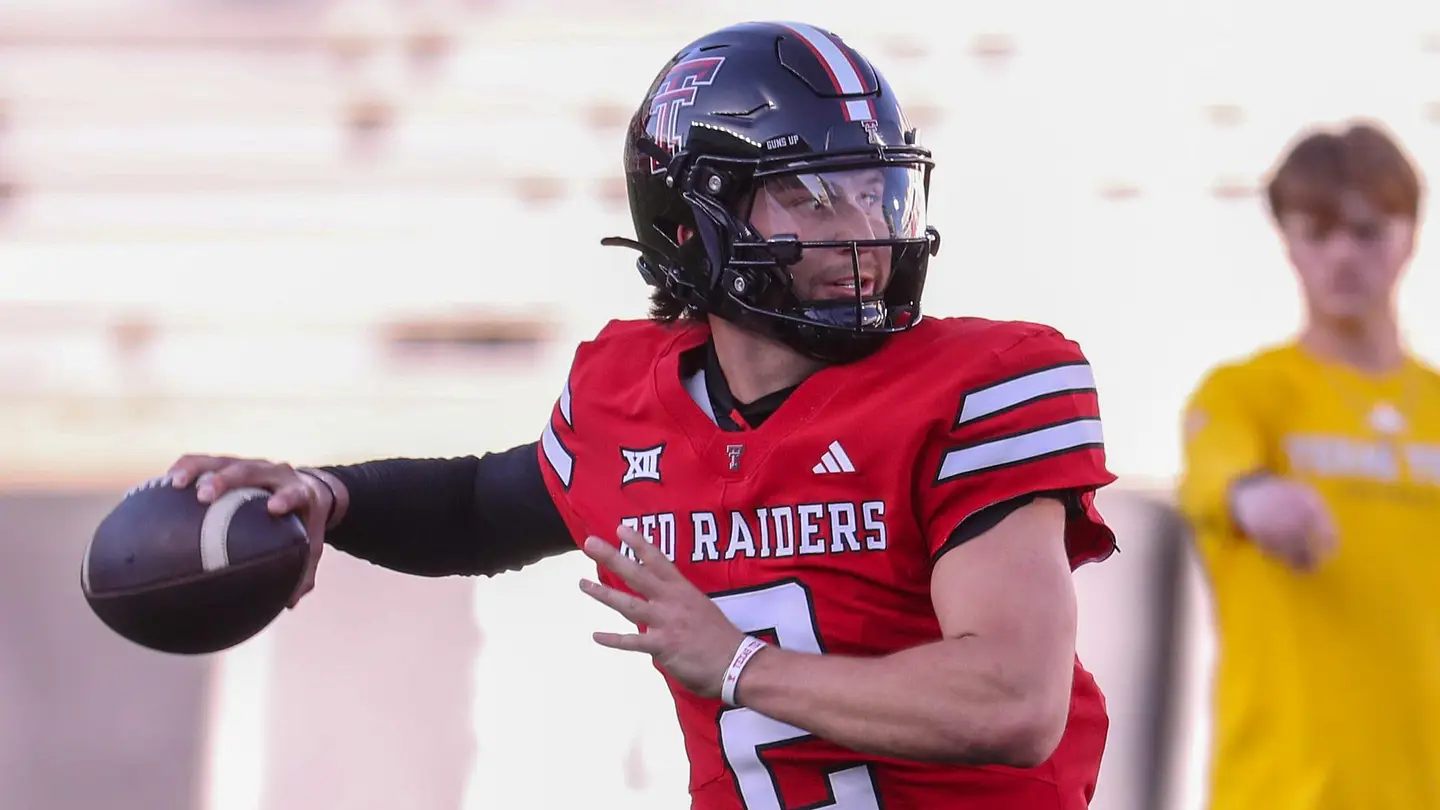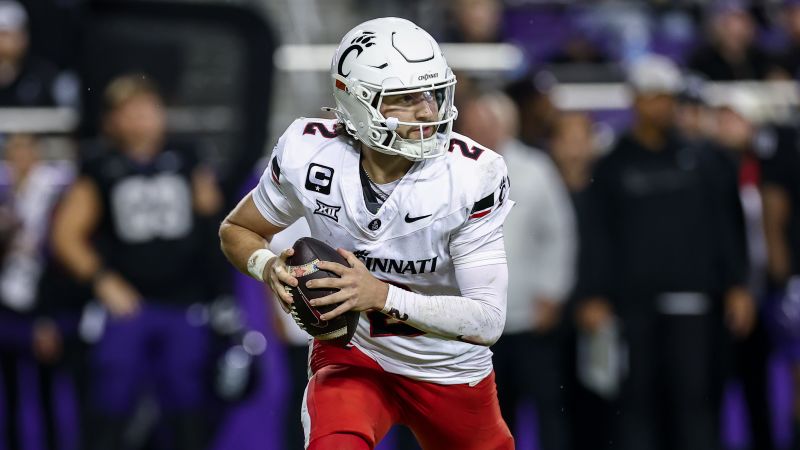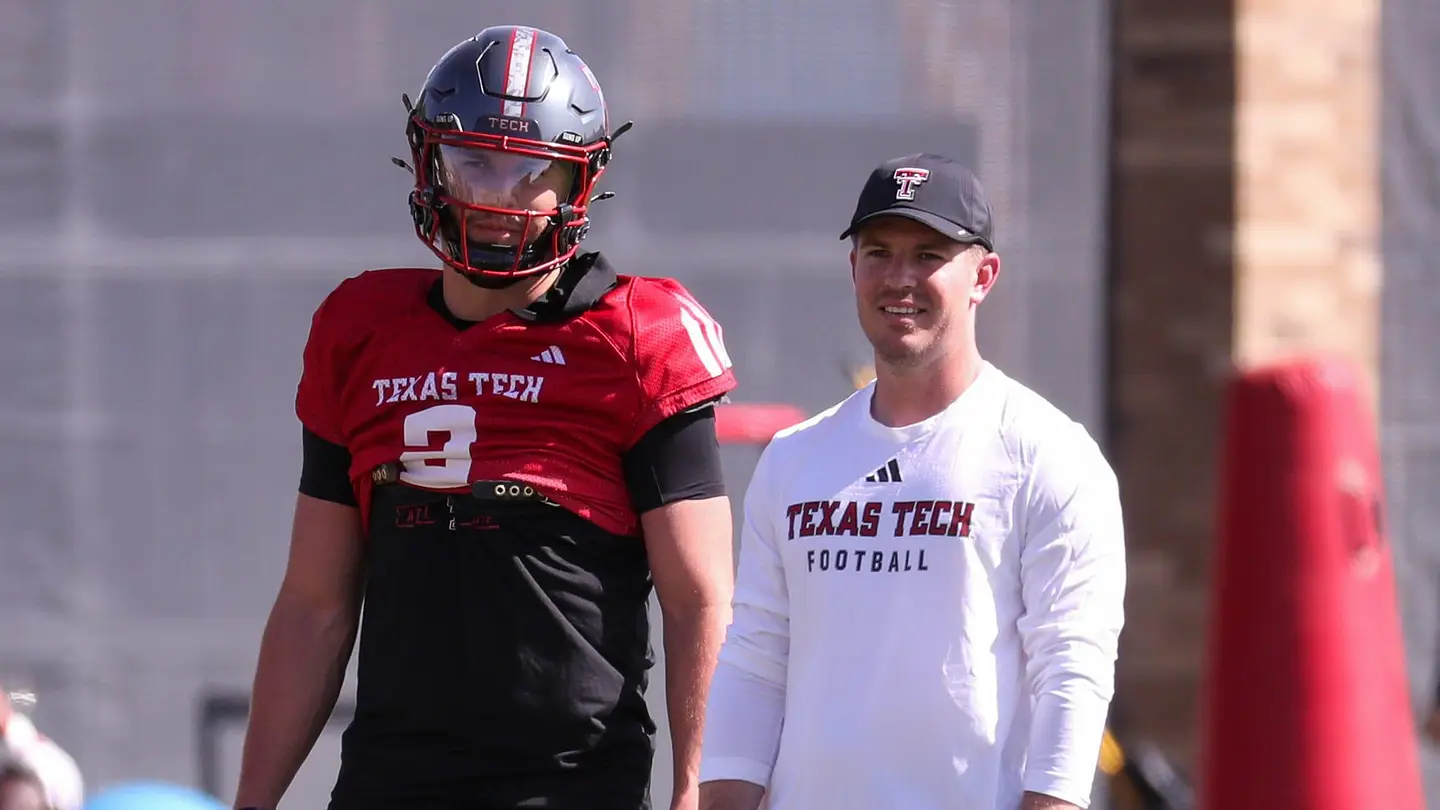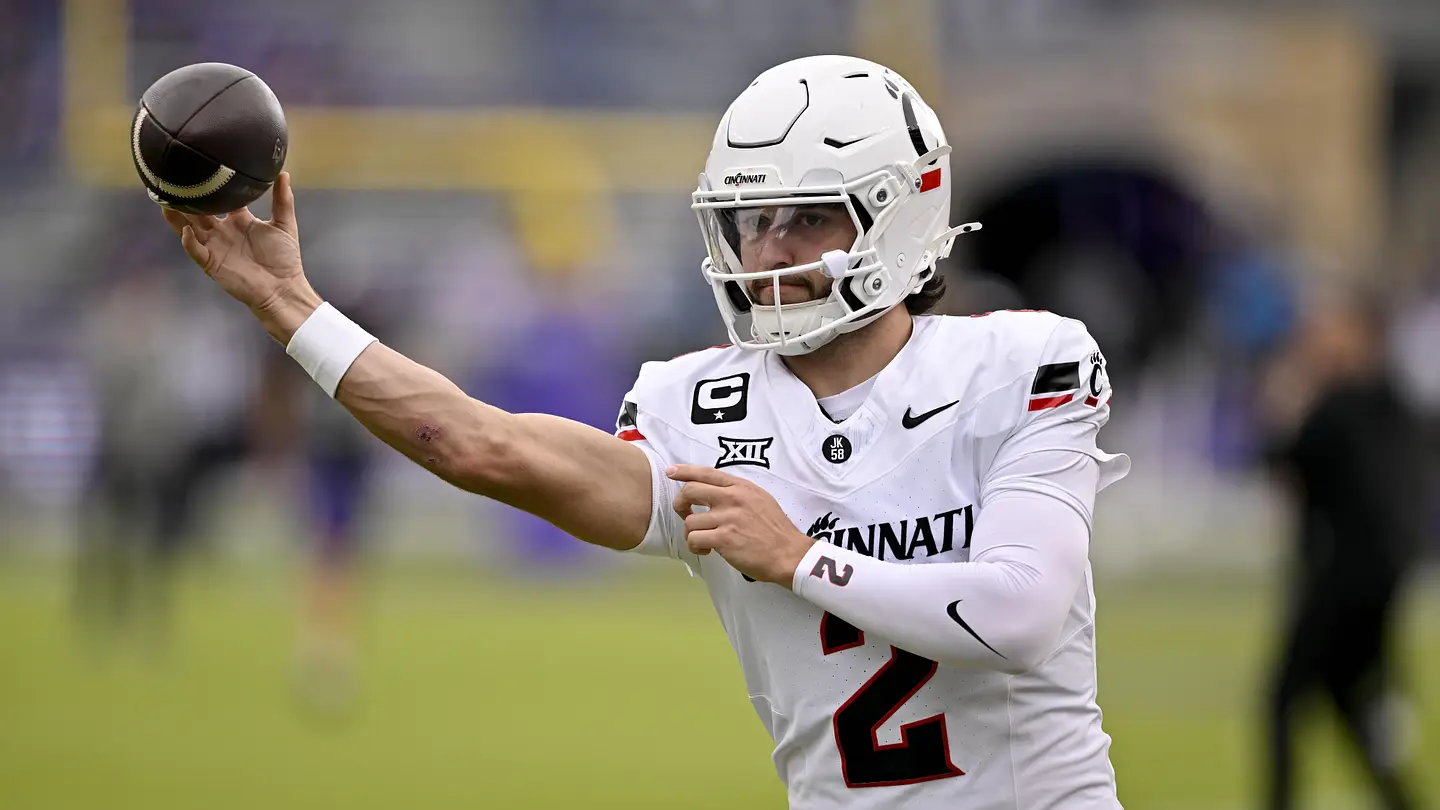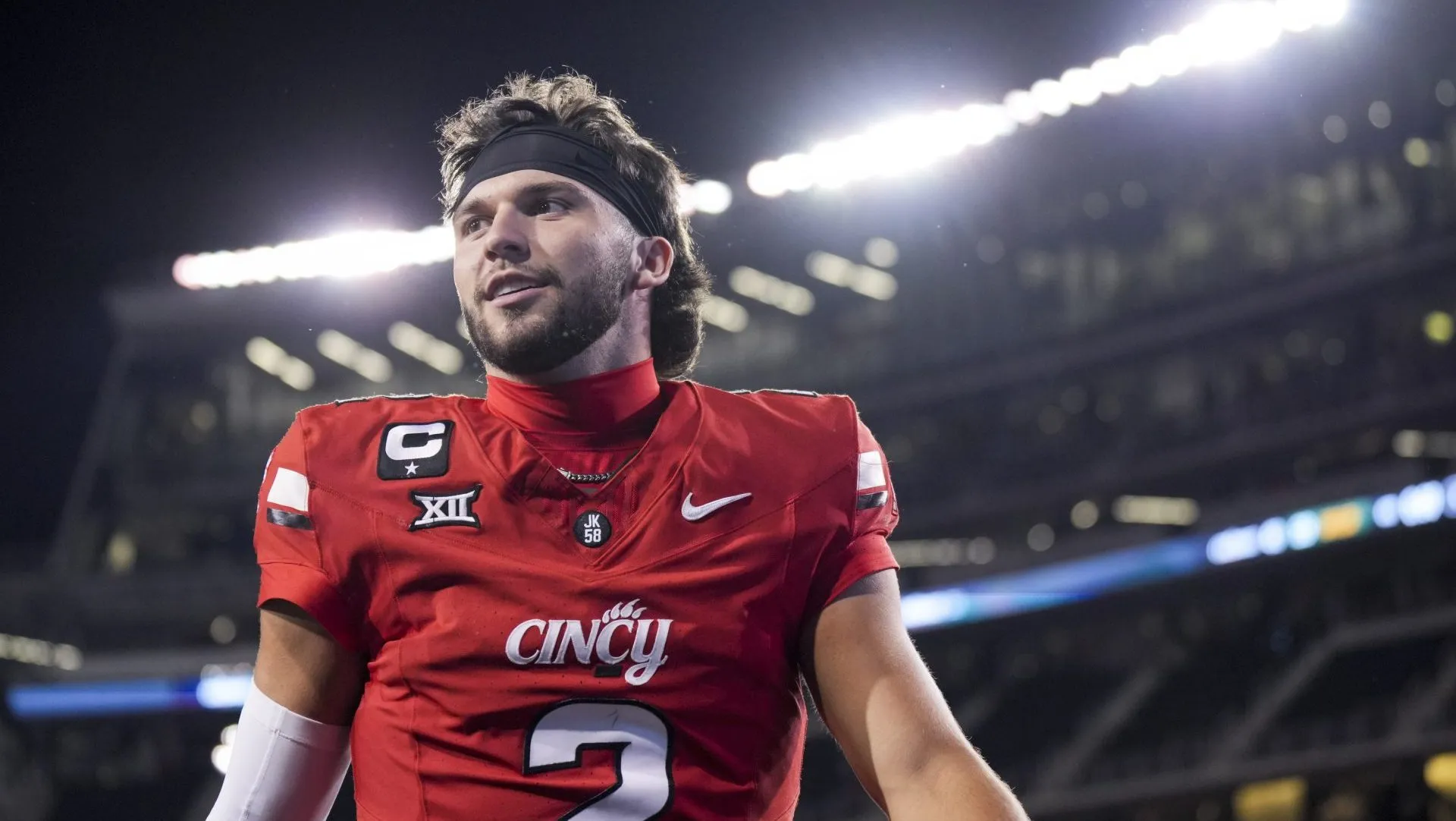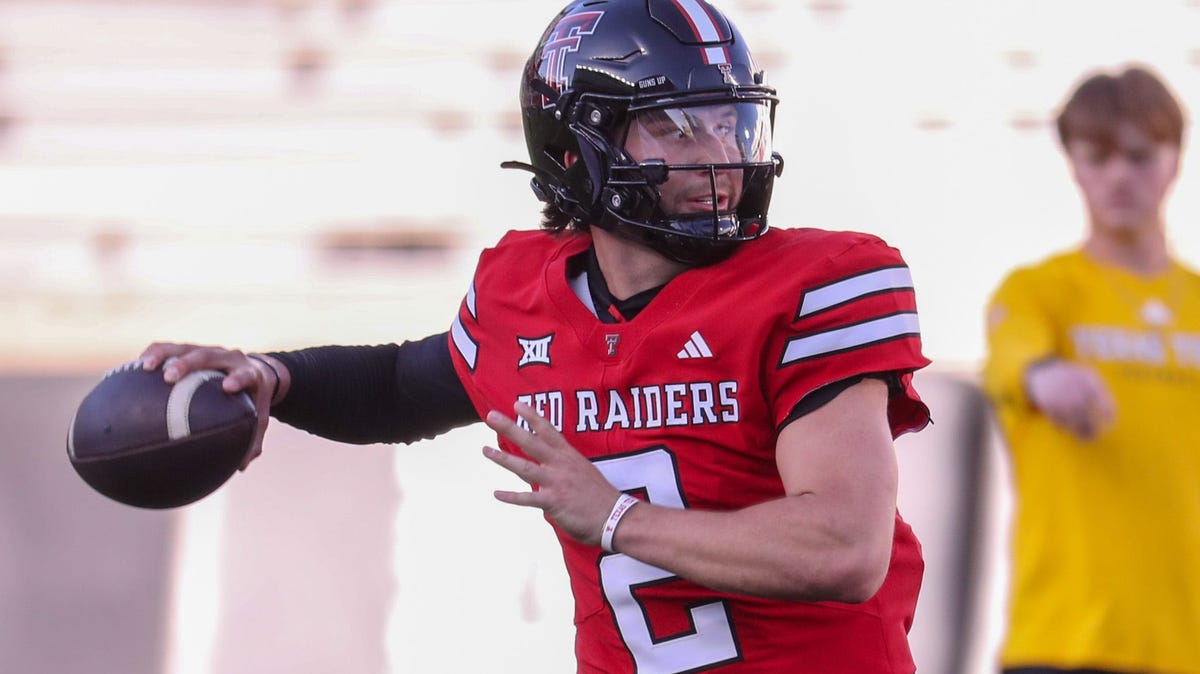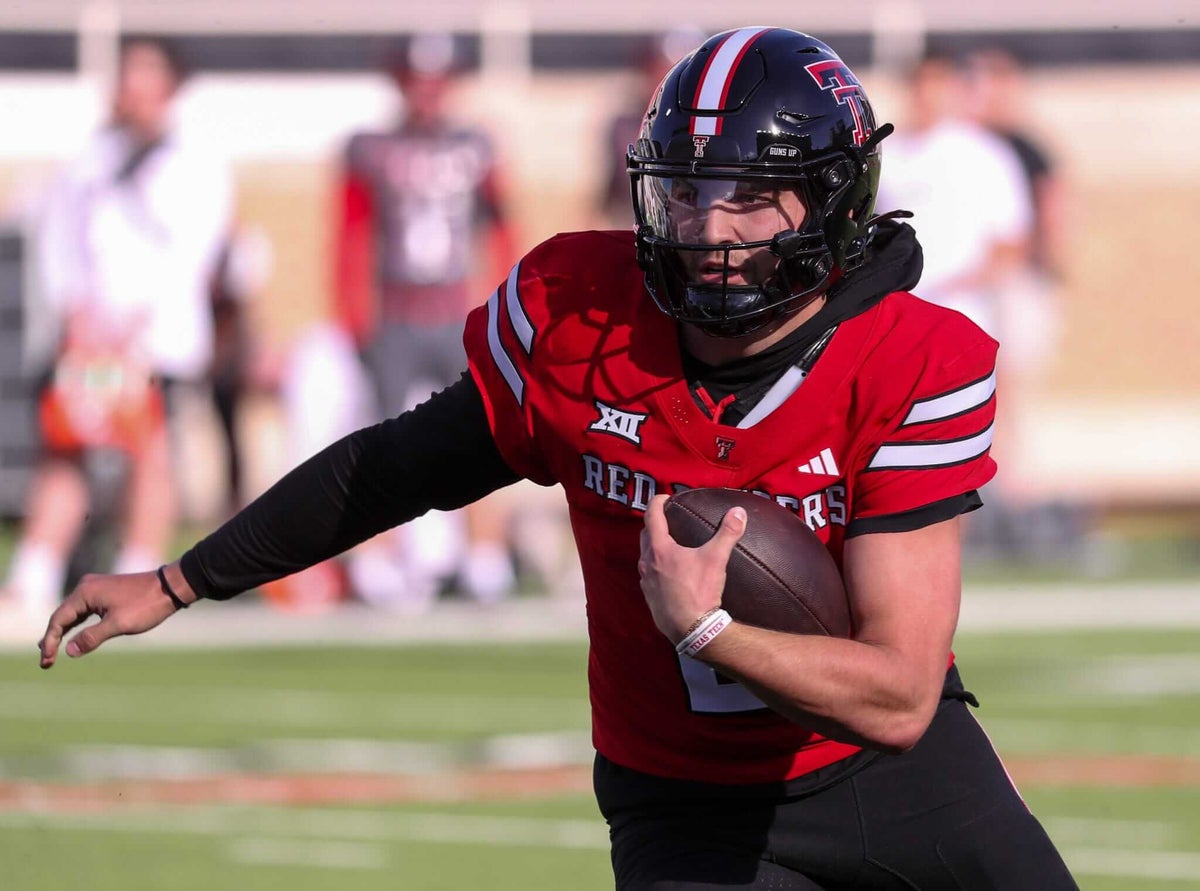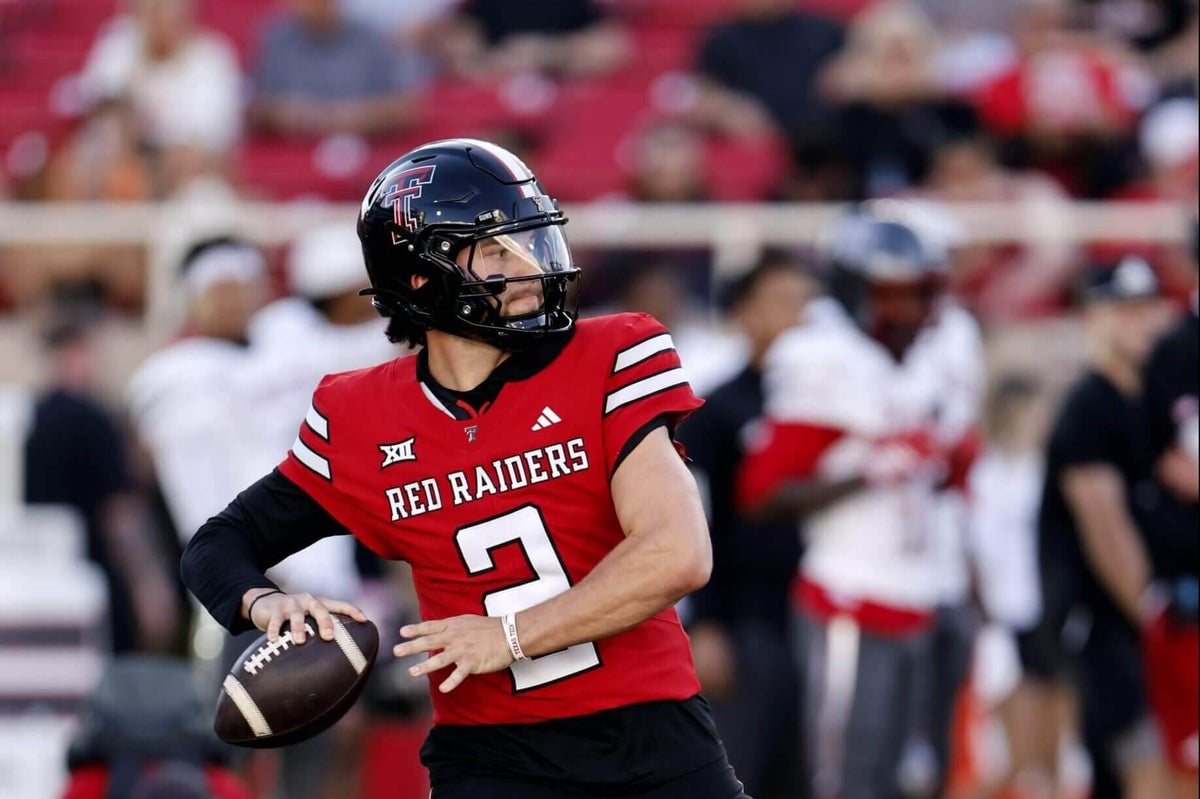
Texas Tech quarterback Brendan Sorsby began gambling in high school, when he and his friends would drive about 40 miles from his hometown in Denton, Texas, to a casino across the Oklahoma border where Sorsby could “legally gamble.” He also began experimenting with mobile sports betting apps while in high school.Sorsby’s gambling intensified when he got to college, resulting in “thousands” of bets placed on everything from a Turkish basketball league and Romanian soccer games to obscure doubles tennis matches, the Major League Baseball draft and the Nathan’s Famous Hot Dog Eating Contest. It would extend, he says, to betting on his own football team while he was a freshman at Indiana.Sorsby detailed his entry into gambling and other revelations in a lawsuit he filed against the NCAA in Texas state court Monday, the latest twist in the NCAA’s investigation into Sorsby’s gambling.In an affidavit attached to the lawsuit, Sorsby describes his gambling as a “compulsion” and says he “did not place bets for the purpose of making money.”The fifth-year senior quarterback is seeking an injunction that would grant him eligibility for the 2026 college football season. He filed suit in the district court of Lubbock County, where Texas Tech University is located.This saga went public last month when Sorsby and Texas Tech announced that the 23-year-old would take an “immediate indefinite leave of absence” from the Red Raiders football program to enter a residential treatment program for his gambling addiction. But Monday’s lawsuit filing — more than a thousand pages of documents, most of which were copies of the NCAA Division I manual — featured the most substantial details yet on the investigation and Sorsby’s efforts to play college football this fall.It also highlighted a critical disparity between Sorsby and the NCAA’s investigatory process that is at the center of the quarterback’s legal fight for eligibility.These are the most notable disclosures.Sorsby admits to gambling on Indiana footballThe most significant aspect of the NCAA’s investigation into Sorsby’s gambling has been reporting — by The Athletic and other outlets — that Sorsby wagered on Indiana football while he was a member of the Hoosiers in 2022. A college athlete gambling on their own team is the NCAA’s red line, a violation punishable by permanent ineligibility.Sorsby’s lawsuit confirmed what would seem to be damning allegations. In his affidavit, Sorsby explains that during the first eight games of the 2022 season, he was a true freshman with the Hoosiers and a member of the “scout team” — meaning he did not travel for away games and was behind multiple quarterbacks on the depth chart. The affidavit states that during that stretch, Sorsby “began placing small bets on the Indiana football team, typically in amounts between $5 and $50.”“All of these bets were in support of Indiana,” according to Sorsby’s affidavit. “I rationalized placing those bets as a way to feel more connected to the team, to root for my friends, and to feel like I had a real ‘stake’ in the games that I otherwise was not involved in.“Because the Indiana football team was not a very strong competitor in 2022 (going 4-8), I lost most of the bets I placed,” the affidavit continues.The lawsuit reiterates that Sorsby never bet on a game he played in or believed he had a reasonable chance of playing in, and that once he was named Indiana’s backup quarterback in October 2022, he has never bet on a game involving Indiana or Cincinnati football while he was a member of those programs.“In retrospect, by the end of my freshman year at Indiana, I was truly addicted to gambling,” Sorsby states.Other than the range of $5 to $50 described for bets on Indiana football, the lawsuit does not detail the dollar figures of Sorsby’s gambling or his specific methods for placing bets.But the suit also states that Sorsby bet on games involving Indiana and Cincinnati men’s basketball while he was a student at each school. According to the NCAA betting guidelines, an athlete wagering on other sports at their own school is punishable by up to a full season of lost eligibility. Sorsby entered 2026 with only one season of collegiate eligibility remaining.Lack of integrity concerns and an appeal for leniencyOne of the central arguments of Sorsby’s lawsuit against the NCAA is that there is no evidence he jeopardized the integrity of or manipulated any games he played in or gambled on — meaning no point-shaving or throwing of games.It’s at the crux of Sorsby’s appeal for leniency from the NCAA, and why the lawsuit argues that ruling the quarterback permanently ineligible or ineligible for the 2026 college football season is too harsh of a punishment.The lawsuit states that Sorsby offered to resolve the investigation by accepting a two-game suspension, completing his residential treatment program, continuing treatment while at Texas Tech, taking any gambling-education classes the NCAA determines necessary and using his platform to speak out against the dangers of sports gambling, particularly within college sports, in addition to other conditions the NCAA felt appropriate.The NCAA has declined to discuss a settlement with Sorsby, according to the lawsuit.“When it comes to betting on one’s own team, these rules must be enforced in every case for the simple reason that the integrity of the game is at risk,” the NCAA said Monday in a statement. “Every sports league has these protections in place, and the NCAA will continue to apply them equally because every student-athlete competing deserves to know they’re playing a fair game.”Discrepancy over investigation processOne of the main justifications for Sorsby’s lawsuit against the NCAA is what it describes as the NCAA “needlessly” stalling Sorsby’s reinstatement process and final ruling on his eligibility status for the 2026 season.According to the suit, the NCAA informed Texas Tech on April 14 that it was investigating Sorsby for potential gambling violations. On April 27 — the day Sorsby announced he was stepping away from Texas Tech football and the day news of the NCAA’s investigation broke — Texas Tech notified the NCAA that Sorsby acknowledged his gambling violations and requested to begin the reinstatement process, per the lawsuit.NCAA bylaws stipulate that in eligibility investigations, the athlete’s school must first determine whether an athlete is ineligible, which the lawsuit states that Texas Tech did “promptly.” The school can then apply for reinstatement via the NCAA’s Student-Athlete Reinstatement process.Sorsby’s lawsuit claims that the NCAA has delayed this reinstatement ruling by requesting personal financial and phone records dating to December 2023, as well as “initially” insisting on conducting a live interview with Sorsby, which has been complicated by Sorsby’s stay in a residential treatment facility.“The NCAA’s continued delay is taking a severe toll on my mental health during my treatment, at a time when I am already at my most vulnerable,” it states in Sorsby’s affidavit.The NCAA’s Monday statement, however, said it had not received a reinstatement request from Texas Tech regarding Sorsby. And in an email to one of Sorsby’s lawyers dated May 4 and included as an exhibit in the lawsuit, an NCAA enforcement official requested an interview with Sorsby after he left the treatment facility.“The enforcement staff understands Brendan will admit to gambling on sports, but the purpose of the interview is to determine the full scope of his sports betting activity during his time as a student-athlete, including any integrity concerns,” the email reads. “If Brendan would like to provide documents and interview earlier, and if the individuals responsible for his care concur, please identify possible dates. However, please note that interviewing during his residential treatment is not a condition of his responsibility to cooperate.”The lawsuit states that on May 13, Texas Tech proposed to provide a set of stipulated facts to the NCAA to move forward with the reinstatement process without interviewing Sorsby, but that the NCAA continued to seek additional information and would not process the reinstatement request without it.Also Monday, Texas Tech released its own statement: “After finalizing an agreed-upon stipulation of facts between Texas Tech University, the NCAA and Brendan Sorsby, the University has declared Sorsby ineligible for competition. Texas Tech intends to quickly initiate the reinstatement process. Texas Tech’s primary focus remains supporting Sorsby’s health and well-being.”Sorsby’s addiction diagnosisAn affidavit from a certified gambling counselor describes Sorsby’s gambling addiction as a clinically diagnosed disorder recognized by the Diagnostic and Statistical Manual of Mental Disorders.This diagnosis is another basis for Sorsby’s lawsuit, which classifies the NCAA’s position on gambling as “deeply hypocritical.”“Rather than support a student-athlete’s recovery from a gambling addiction,” the lawsuit states, “the NCAA has weaponized his condition to shore up a facade of competitive integrity, while simultaneously profiting from the very gambling ecosystem it polices.”The lawsuit notes that NCAA president Charlie Baker previously described the potential to monetize sports betting relationships as a “major opportunity” for the NCAA, and that the NCAA’s own studies have “revealed a disturbing frequency of sports wagering among student-athletes.”For its part, the NCAA has no commercial partnership with any betting companies, restricts advertising and sponsorships associated with betting during NCAA championships and offers various gambling education materials and opportunities to college athletes and member schools.“Through my treatment thus far, I have learned strategies to manage my Gambling Disorder, including how to occupy my time with other, less harmful activities and the importance of adhering to a careful daily routine,” Sorsby writes.Judge and other case detailsThe case has been assigned to Judge Phillip Hays, a Lubbock native and double graduate of Texas Tech University. He’s served as judge of the Texas 99th District Court since 2021.Sorsby requested an injunction hearing no later than June 15, with June 22 the stated deadline to enter the NFL’s supplemental draft, which Sorsby would likely pursue if he’s unable to play college football in 2026. Sorsby’s affidavit states that he expects to depart his residential treatment program at the end of this week.“And because the NCAA refuses to provide a timeline for its reinstatement decision, it has forced Mr. Sorsby into an impossible choice,” the lawsuit states. “(E)nter the NFL Supplemental Draft by its June 22, 2026 deadline and surrender his final college season, which the NCAA could restore at any time, or stay and gamble — this time with his professional future at stake — that the NCAA will reinstate him.”
Top takeaways from Brendan Sorsby’s lawsuit against NCAA: ‘Truly addicted to gambling’
Sorsby details how he started gambling, how it intensified and what he is learning while in treatment for gambling addiction.
1,710 words~8 min read