Andrew Bayliss Wonders Why the Chinese Leader Keeps Bringing Up the “Thucydides Trap”?
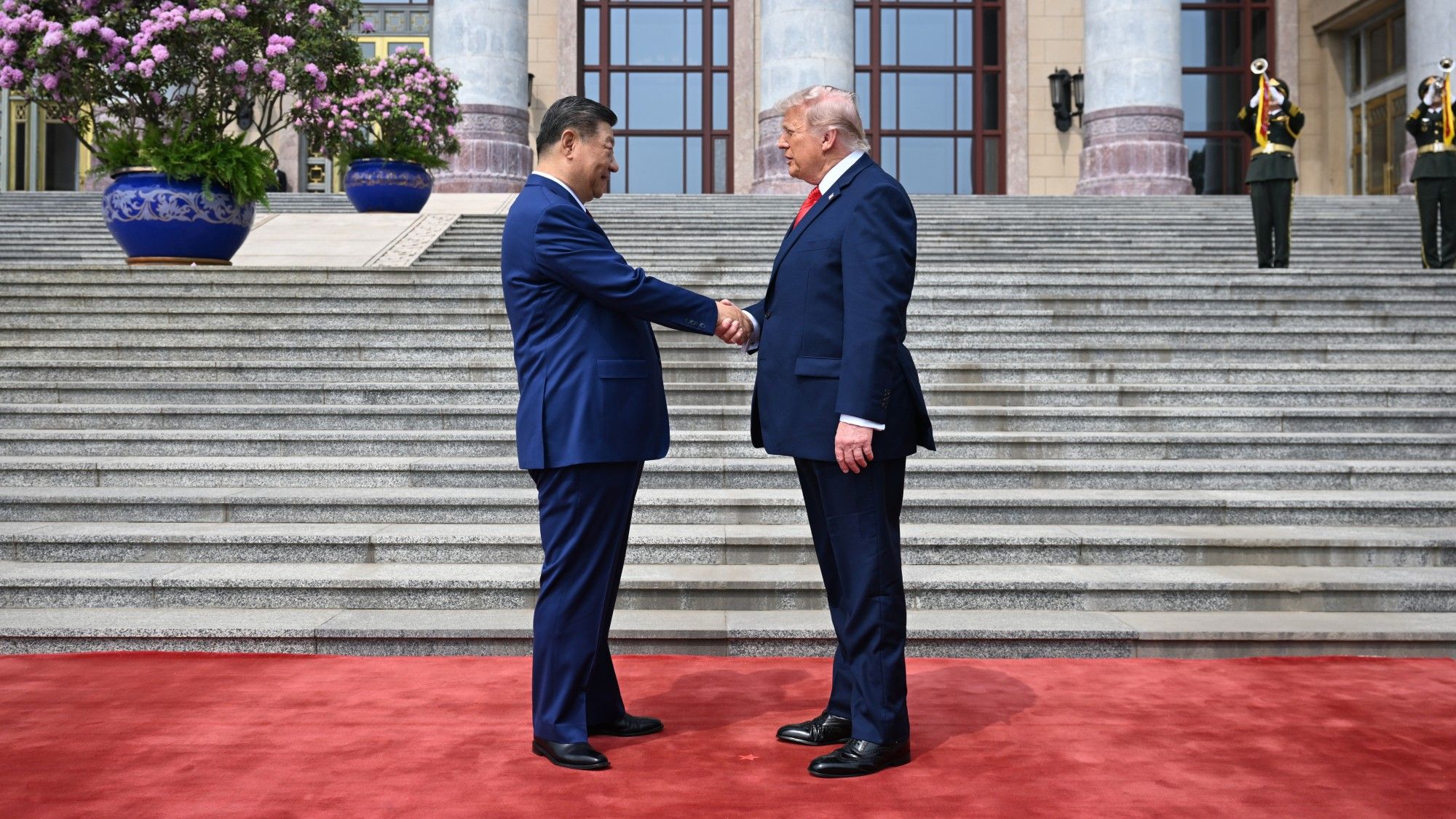
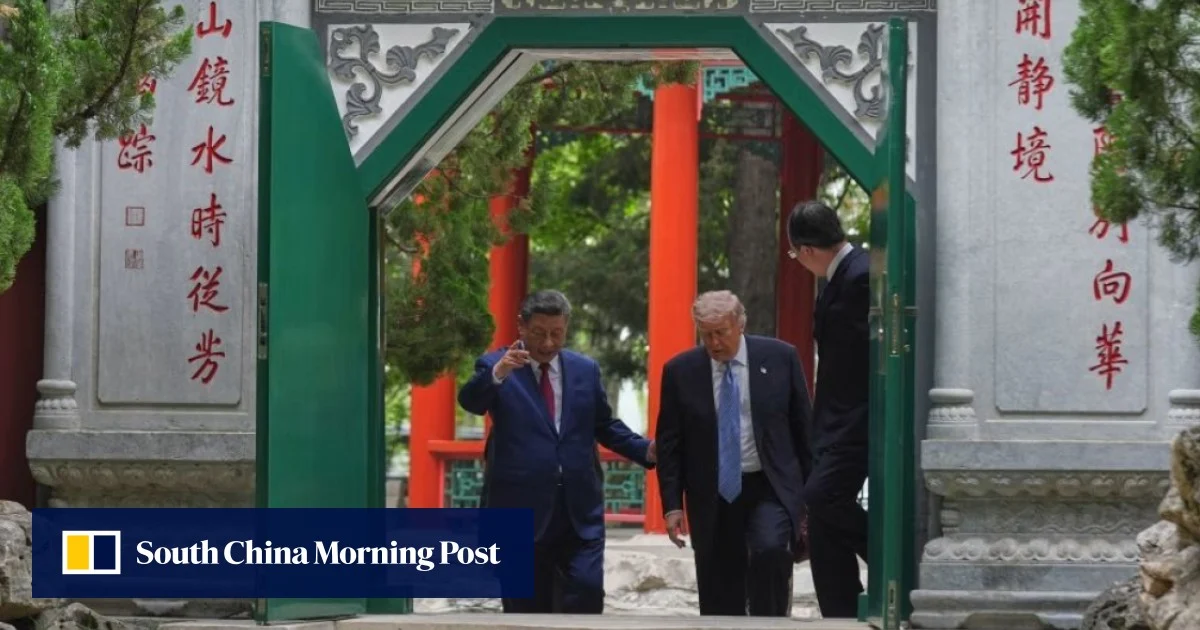
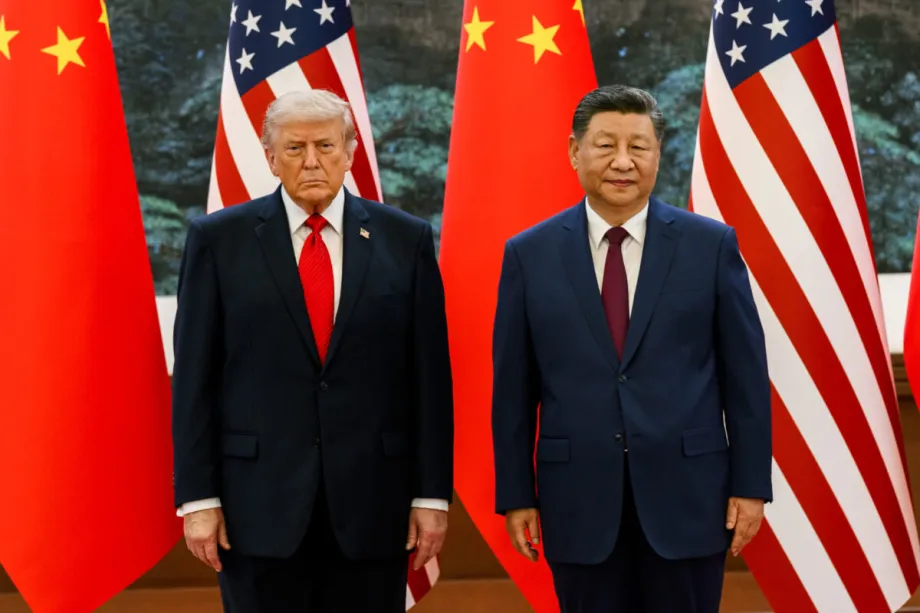
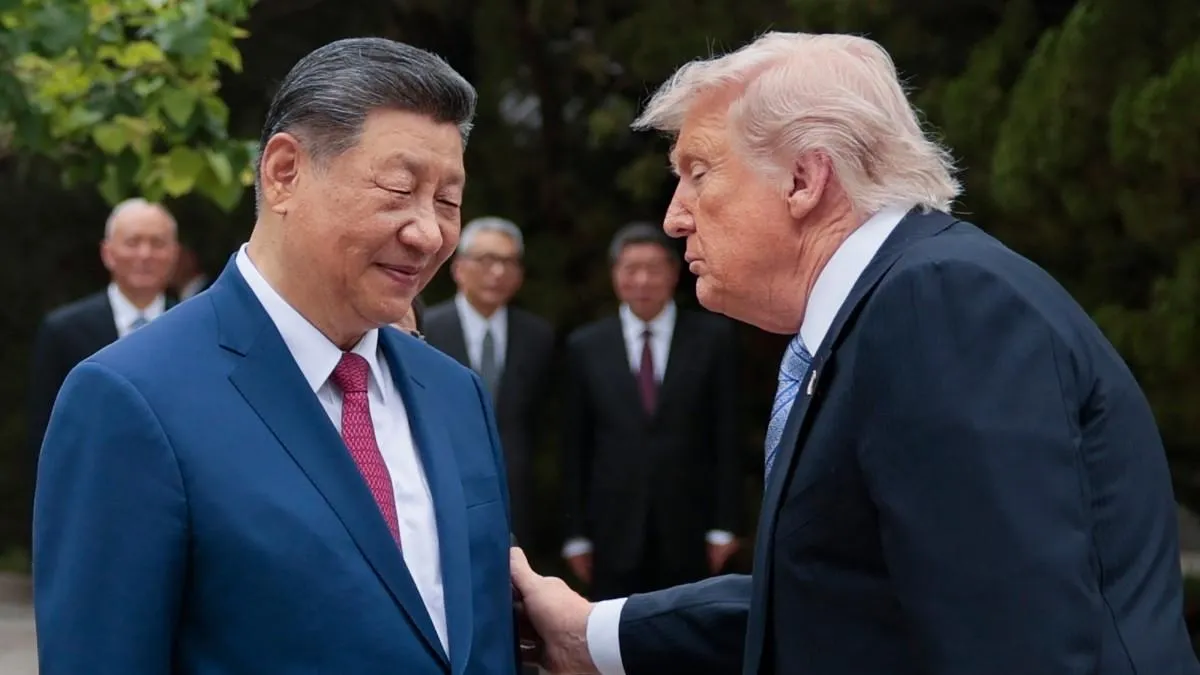
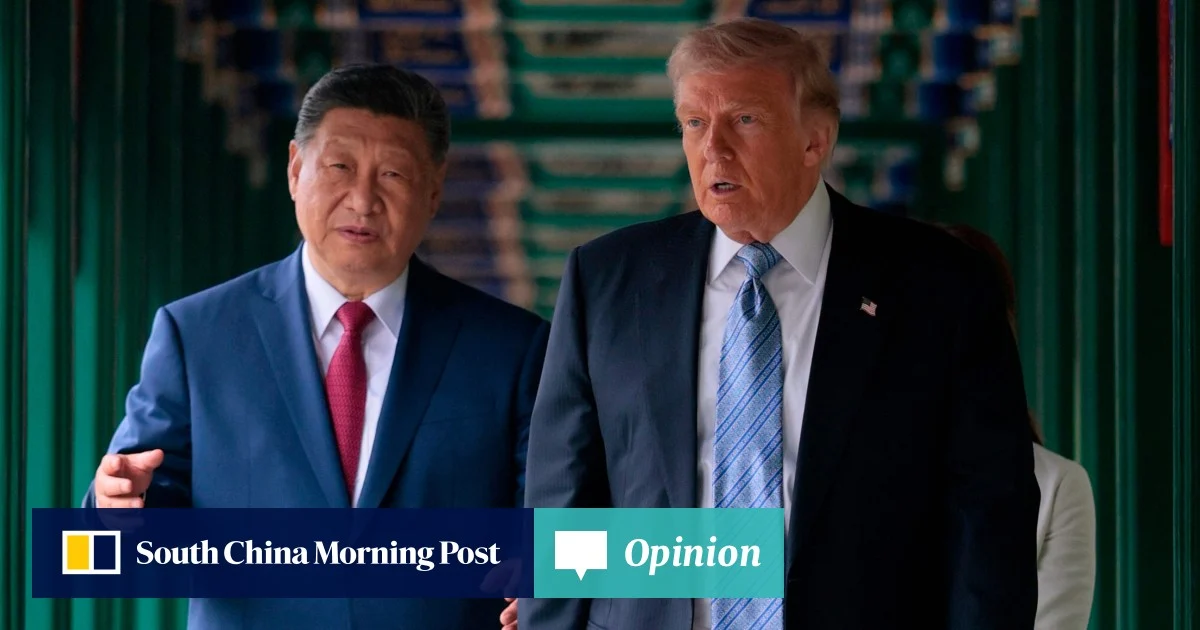
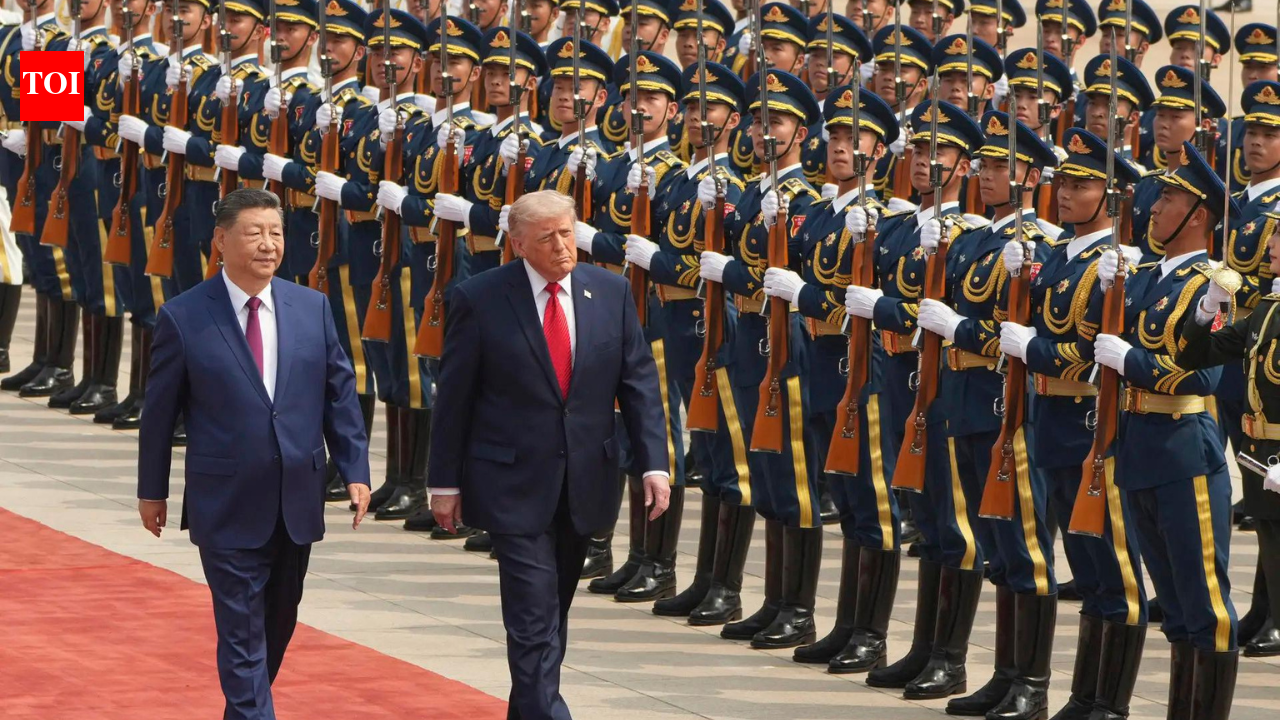
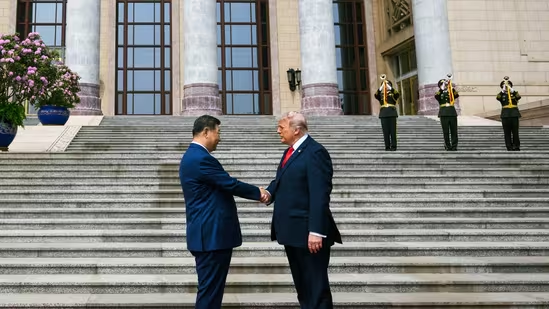
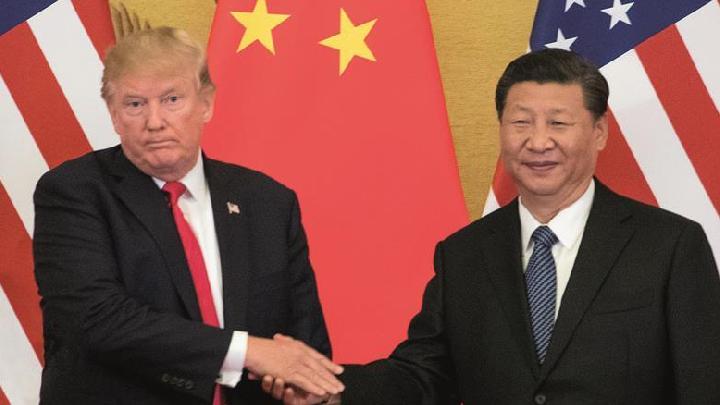
At his recent meeting with the US President Donald Trump, the Chinese leader Xi Jinping asked: “Can China and the United States transcend the so-called ‘Thucydides Trap’ and forge a new paradigm for major-power relations?”
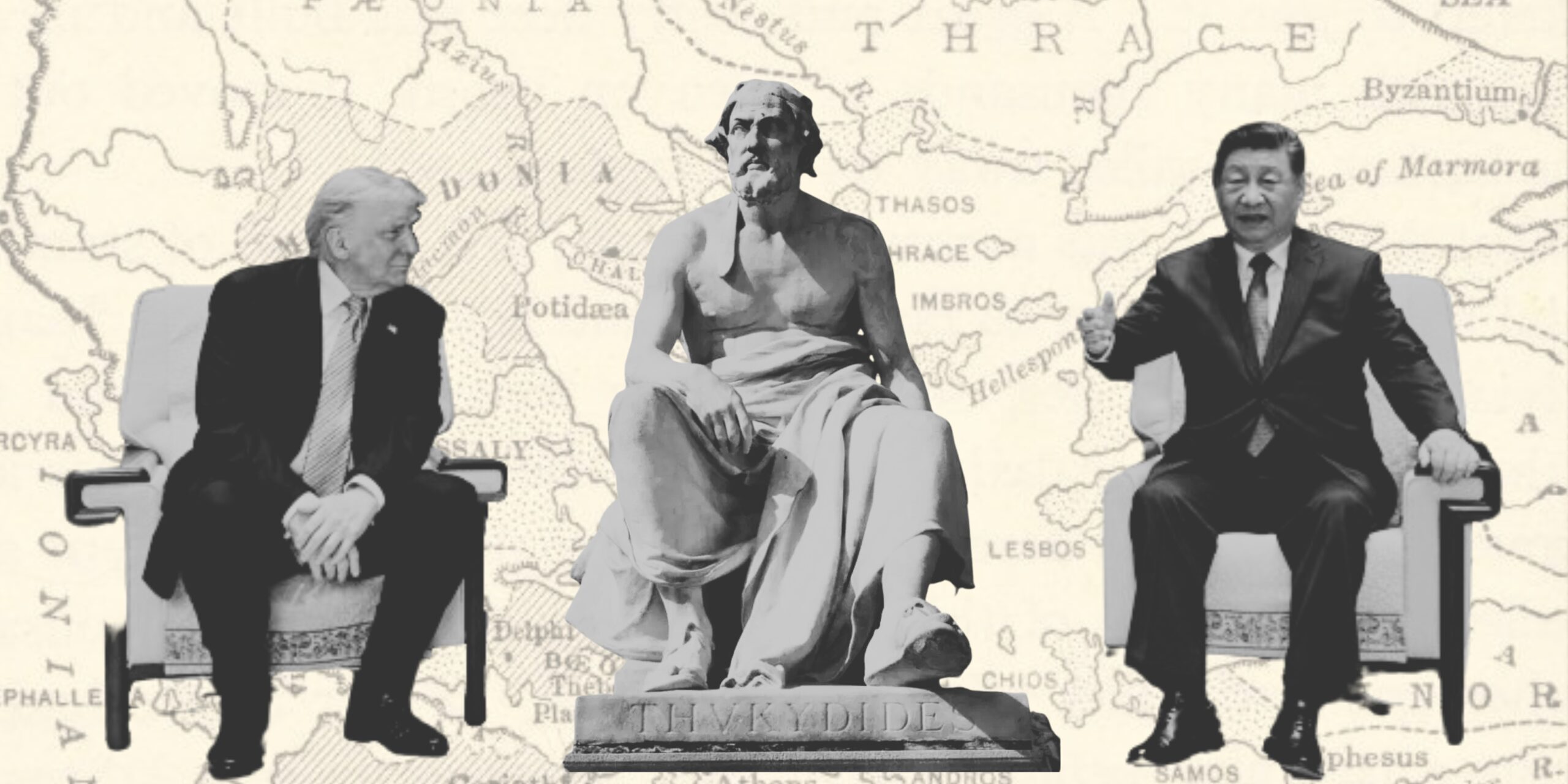
While it might come as a surprise for many to hear the Chinese President reference a Greek historian from 2,500 years ago, who wrote an account of the Peloponnesian War between Athens and Sparta in the fifth-century BCE, it is not the first time Xi Jinping has dragged Thucydides into modern politics. As early as 2013 he warned that “we need to work together to avoid the Thucydides trap,” and in 2024 he used the term again when he told then President Joe Biden that the Thucydides Trap was “not a historical inevitability.”
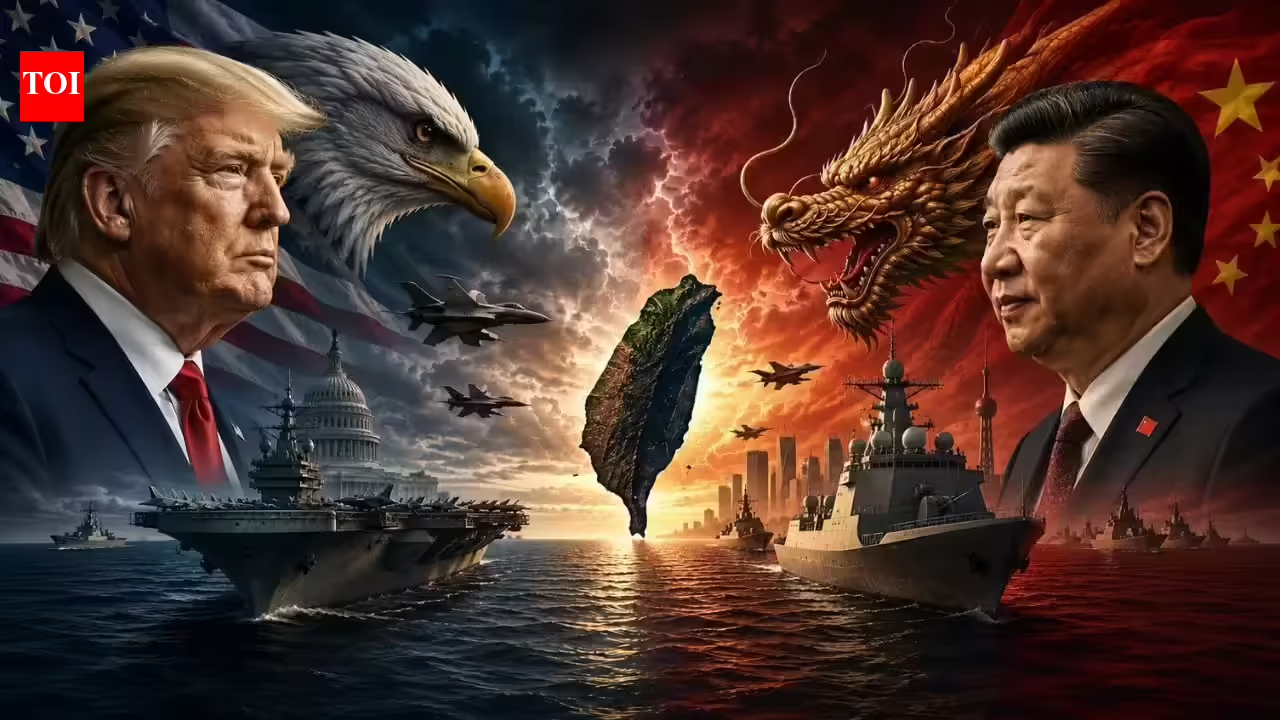
Why Thucydides? It all dates back to around 2011, when the US political scientist Graham T. Allison coined the term “Thucydides Trap” to suggest that historical precedents showed that war between the USA and China is inevitable. The theory is based on Thucydides’ claim that “the truest cause” of the three-decade long war between Athens and Sparta was Sparta’s fear of Athenian power. As Allison sees it, when a dominant power like ancient Sparta or the USA today fears an emerging power like Athens or China, war will inevitably result.