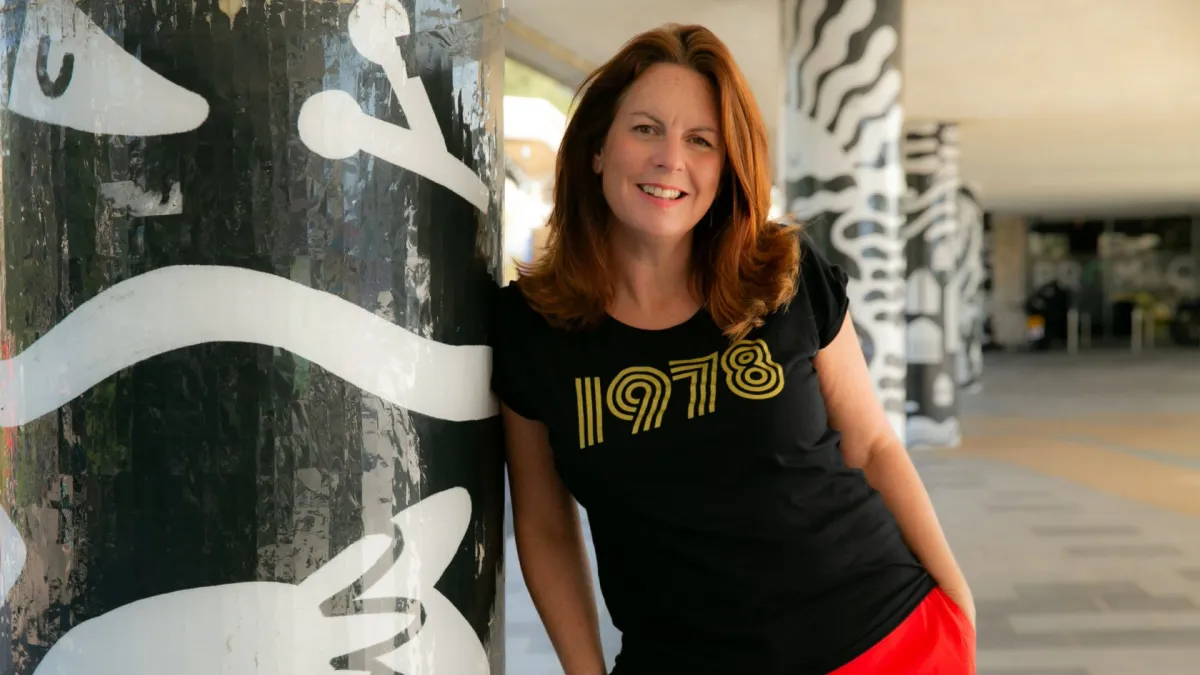
My sister, Abby Hewitson, 48, who goes by the name DJ Philly, has been working for herself for 26 years. In that time she has DJ’d for King Charles, Angelina Jolie and George Clooney, and for brands including Chanel, Gucci, Maserati and MTV. She has built a successful career, paid her taxes, navigated the pandemic, and kept her business going through every economic storm the past quarter-century has thrown at her. What she did not do, until last month, was start a pension.
“When you’re employed, there’s a whole infrastructure around you: a pension scheme, an HR department, a boss. When you’re self-employed, you wake up and you are on your own,” she says. “As well as the day job you are the social media manager, the accountant and your own business manager. There is very little bandwidth left to think: what else should I be doing?”
Abby is far from alone. There are currently around 4.4 million self-employed workers in the UK, making up roughly 13 per cent of the workforce, up from 3.3 million in 2001. New Government data published this week reveals that only 4 per cent of self-employed workers are actively saving into a pension, a figure that has shocked even those who study this issue closely. For context, 82 per cent of employees are enrolled in a workplace pension scheme. The gap between those two numbers represents one of the most significant, and most overlooked, financial crises in modern Britain.