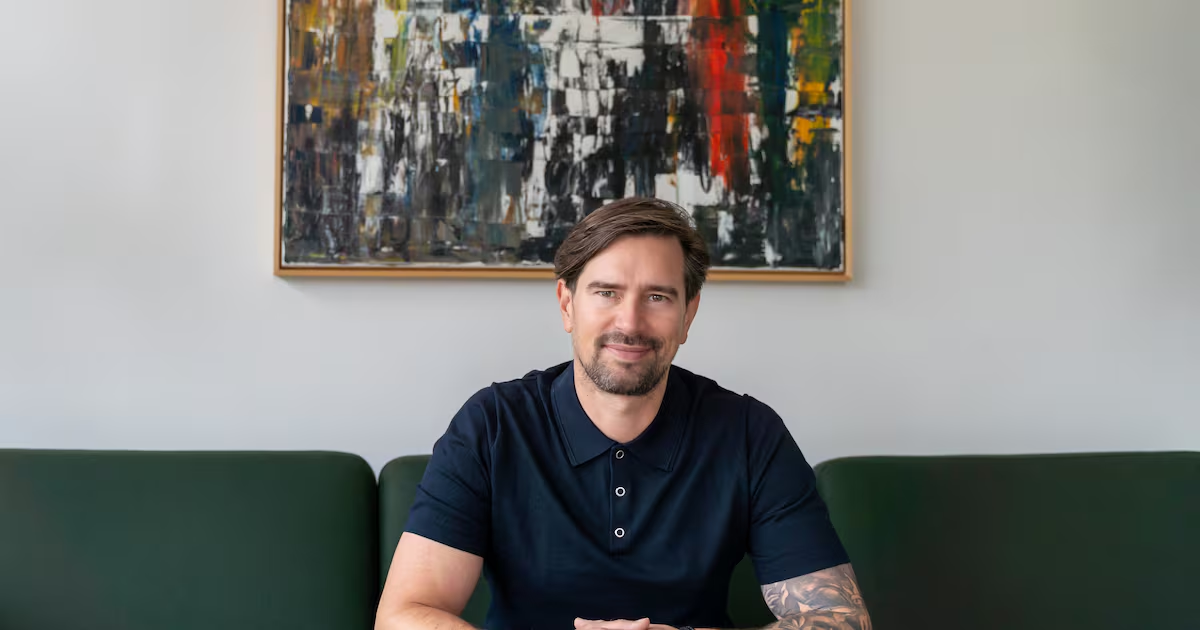
Working in the tech sector in Dublin, Sjoerd Bak earned plenty of money but still felt like he was always broke. You’re wondering where the tiny violin is, aren’t you?But before you go off in search of a sick bucket, you may be interested to hear how he turned things around. It might just upend how you think about your pension.After suffering a stroke at the age of 37, a year-long process of learning how to see and how to walk again prompted Bak to reassess his future.He ended up quitting his job and is now a qualified financial adviser, aiming to retire early as a millionaire.The pillar of his investment strategy is his pension and Bak argues this should be the case for everyone, because it’s where the biggest tax relief lies.“A large part of what I do is explaining to people that you don’t need to know about ETFs (Exchange Traded Funds) or stock investing or do anything like that because investing is for the long term,” he says. “So if it’s long-term anyway, then do it in your pension. Get tax relief on the way in, tax-free growth within the pension fund, and then get a tax-free lump sum when you do retire eventually. And those tax benefits cannot be out-invested anywhere else.”[ Have you checked where your pension is invested?Opens in new window ]In this week’s Better with Money podcast, Bak explains how selecting his own investments – rather than leaving his savings in a default pension programme – has helped fatten his pension pot.“We switched pension providers in 2022, and since then, my own pension fund has grown by 69%. In three and a half years.”He explains that many default funds are conservative, why younger savers might want to choose higher-risk options now for more long-term growth, and how you can often do this yourself in your pension portal without the need for a middle man.His takeaways? Track your money, log in and understand your pension’s equity mix, and learn to get your dopamine hit from investing your money, rather than spending it.You can listen to the episode on the player above or search for Better with Money wherever you get your podcasts.This episode is for information purposes only and doesn’t constitute financial advice.
‘My pension has grown by 69% in three and a half years’ – here’s how to maximise yours
Better with Money with Aideen Finnegan
379 words~2 min read