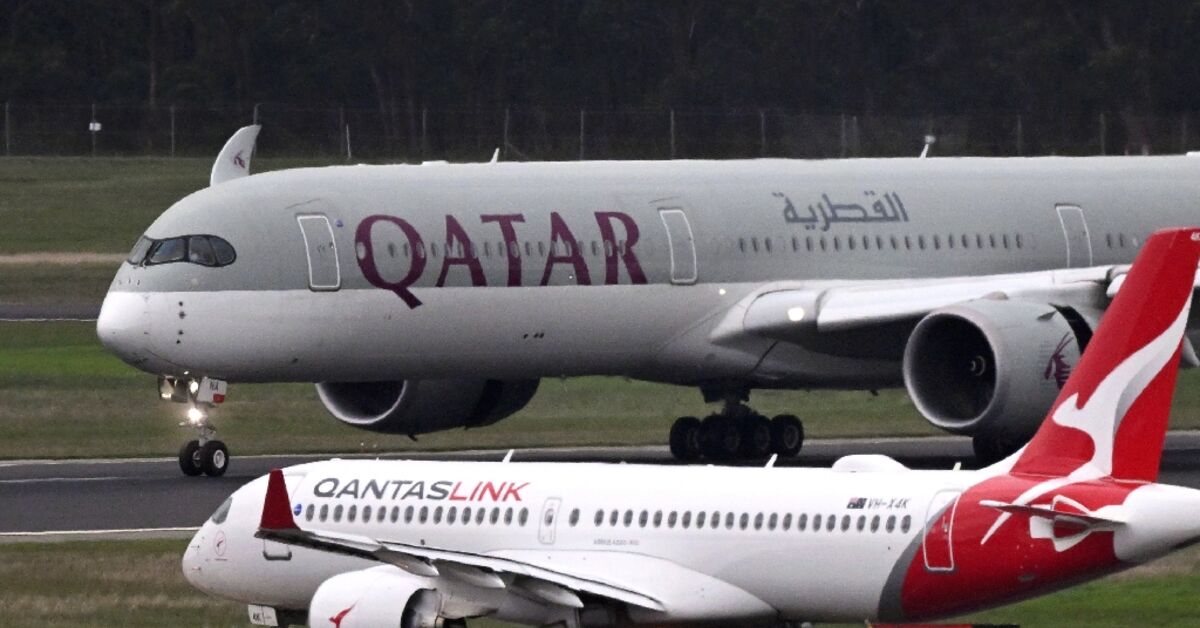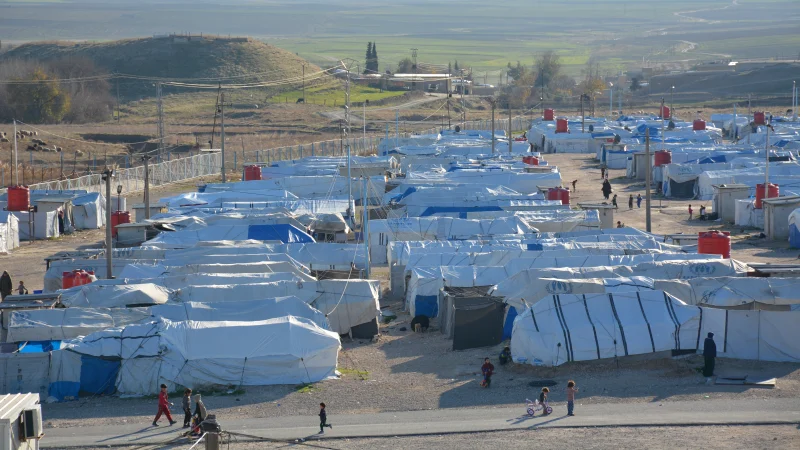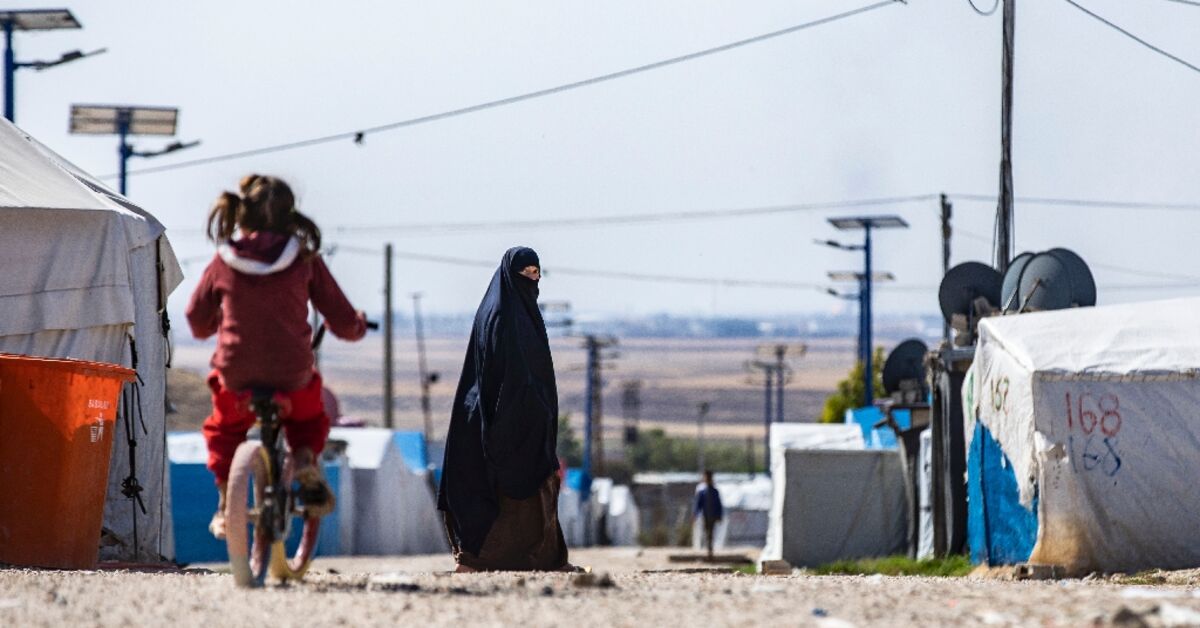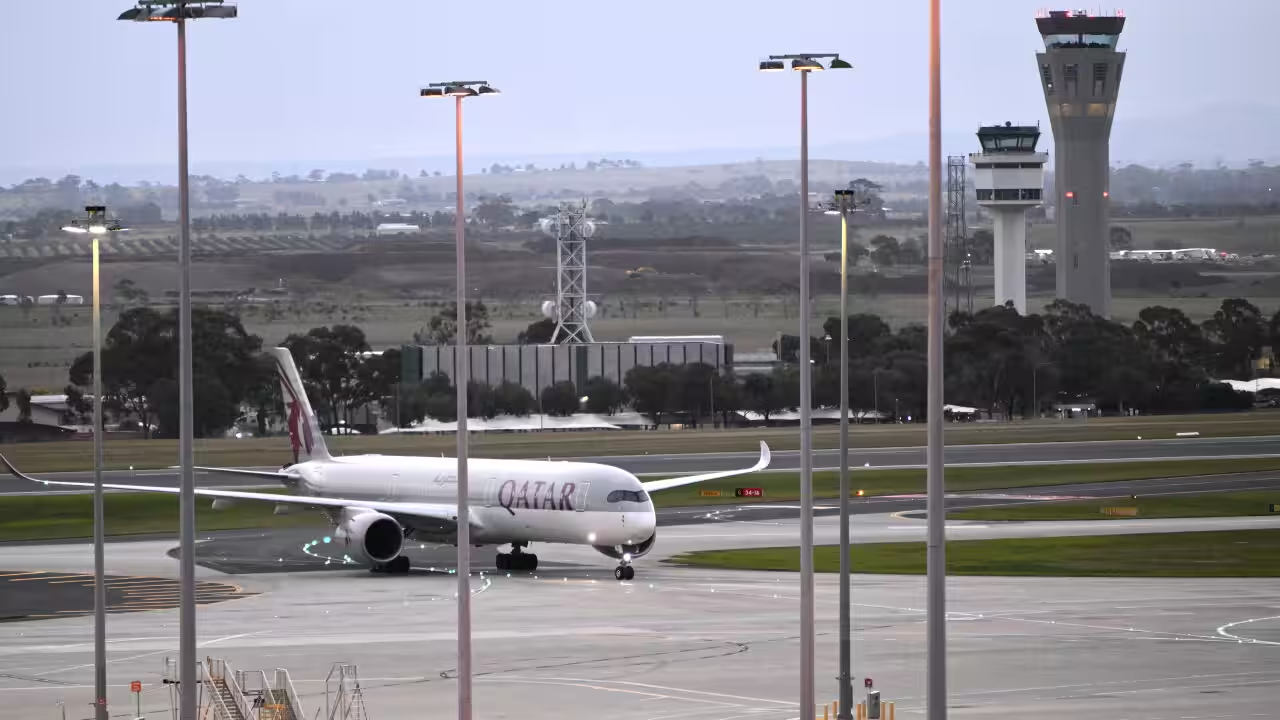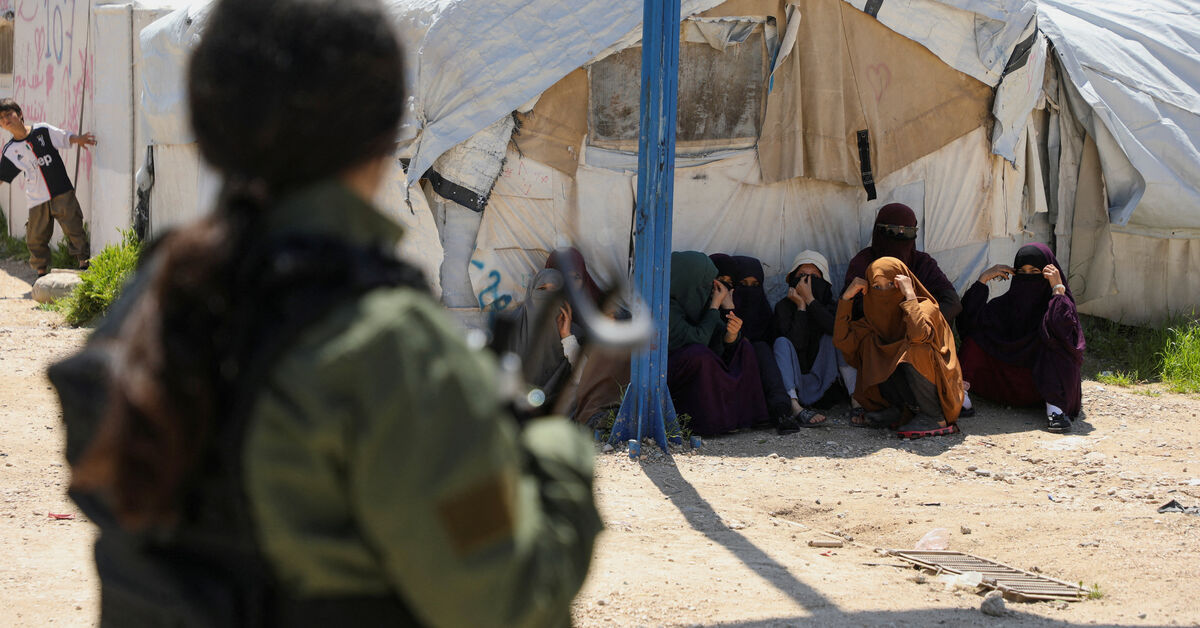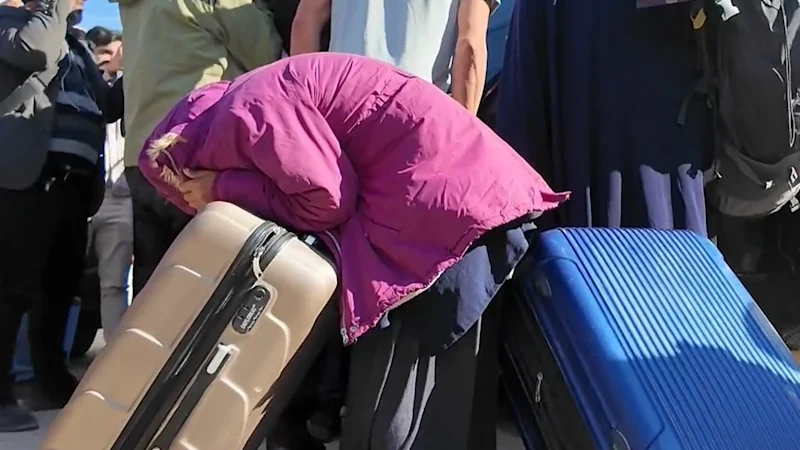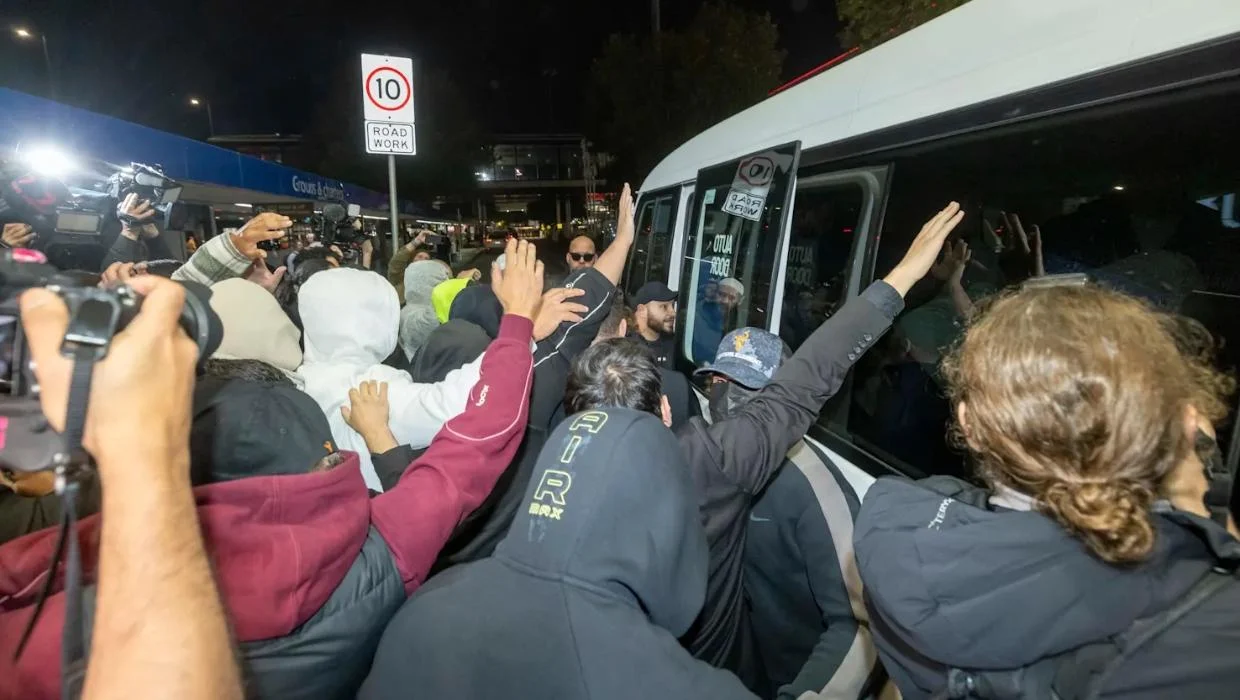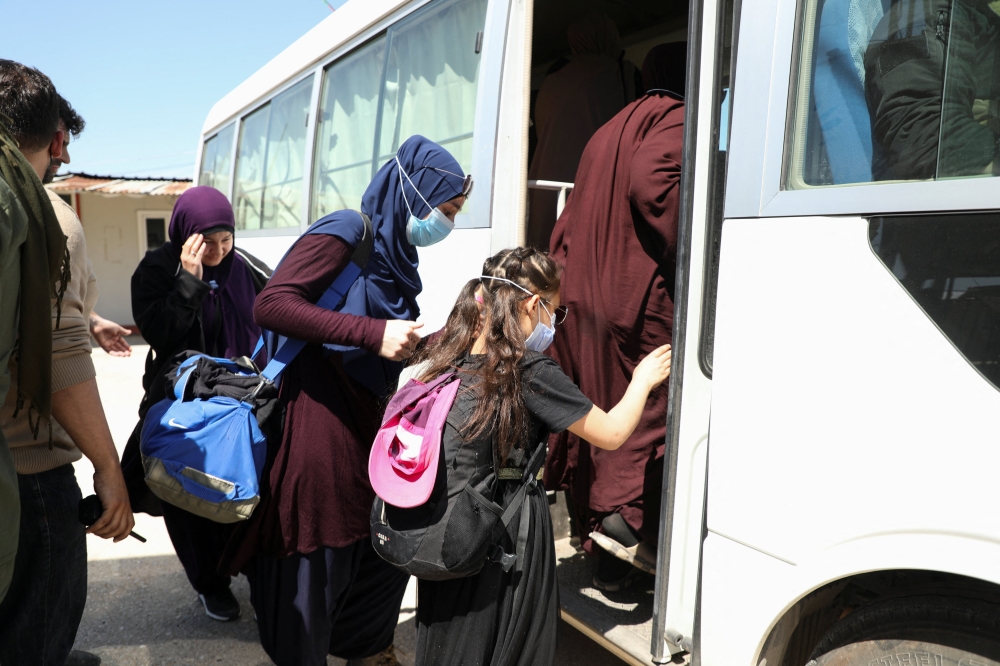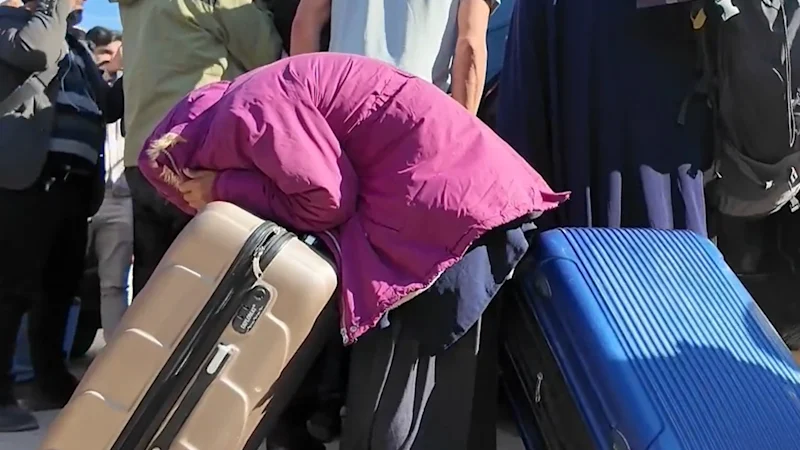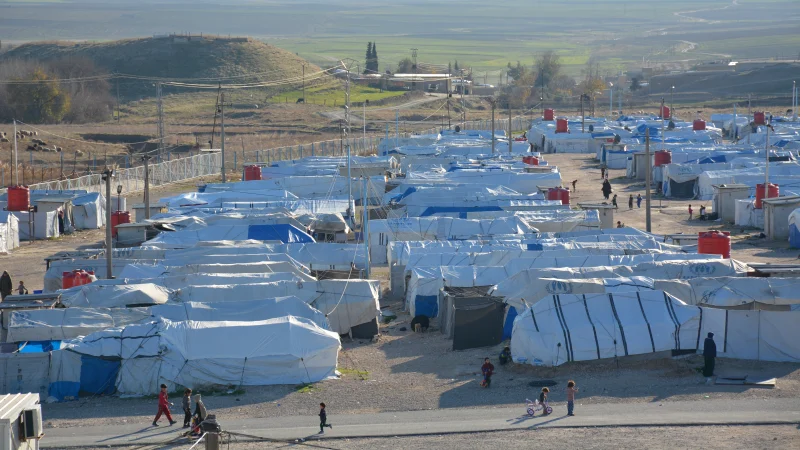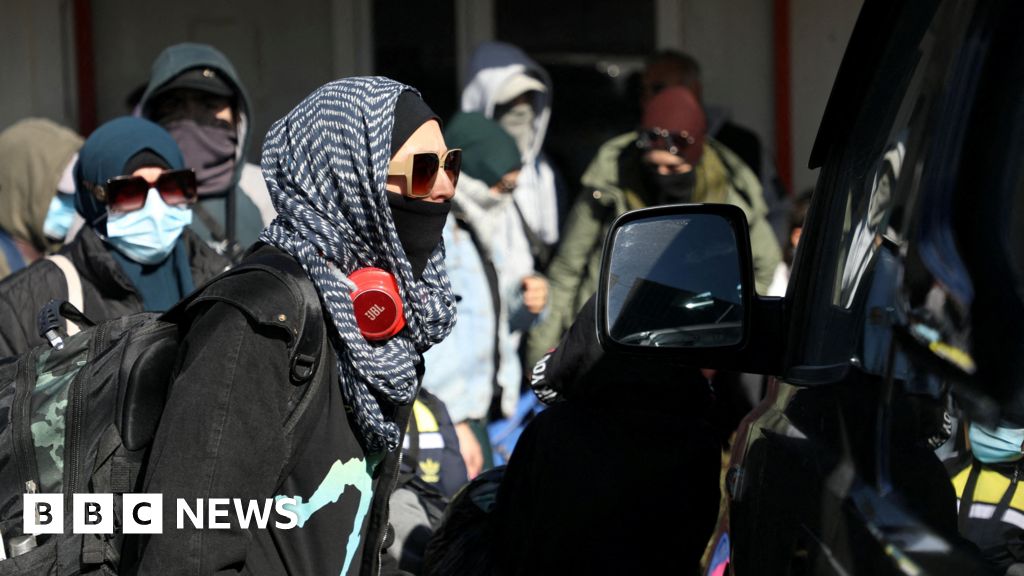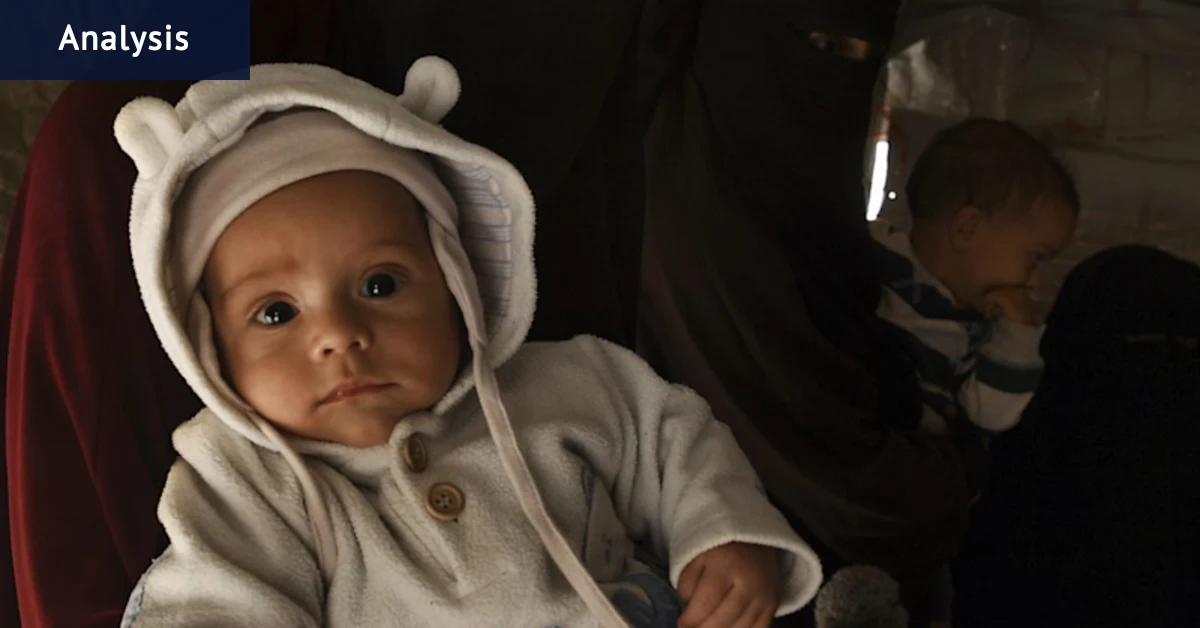
May 22, 2026 — 7:00pmWhen a group of women and children arrived in Australia from their Syrian detention camp in early May, they were the first Islamic State-linked cohort in the world to be brought back by their families over the objections of their government.Until then, confirms family advocate Jamal Rifi, Syrian authorities would only repatriate so-called IS brides to Western countries with official government approval. It was a position that for seven years had kept dozens of Australian women and children in squalid and dangerous conditions as successive governments refused to act.Kirsty Rosse-Emile, pictured with son Yahya in 2019, is expected to be resettled in Melbourne.Kate GeraghtyThe May transfer was successful, but the path to it was anything but smooth.Three months earlier, in February, Rifi and two supporters, armed with freshly printed Australian passports, had helped 34 Australian women and children depart the al-Roj camp – only for the Syrian government to turn them around 50 kilometres down the road and send them back.Syrian officials made it clear they would not allow the women and children to board a flight because the Australian government of Prime Minister Anthony Albanese would not accept them when they arrived.This was not precisely Albanese’s position, but he did make it clear that welcoming them home was the last thing he wanted to do. He had “nothing but contempt” for them, he repeatedly said.Fast forward three months, and the Syrian government’s position reversed. On May 7, grandmother Kawsar Abbas, her two daughters and a Sydney-based relative arrived back in Australia in the company of Abraham Abbas, Kawsar’s brother, and another relative, Ahmed Alameddine.As Albanese once again performed apoplexy in Canberra, the Syrians agreed to the families’ plan and allowed the women and children to leave with relatives. Family ties clearly smoothed the way.Now another move is on. Late on Thursday night, Australian time, the remaining women and children left al-Roj by road, arriving in Damascus hours later. Australian representatives – family advocates will not say who – have also travelled there, hoping to quickly return them home.Diplomatic, government and family supporters say families from other Western countries are now getting in touch with the Australian advocates to ask how to achieve this new kind of repatriation.So what changed between the February debacle and the May success?Rifi believes the obduracy of the Australian government meant the Syrians had no choice. Others believe that, behind the scenes, bigger moves were afoot.In November, Syria’s transitional president, Ahmed al-Sharaa, visited the United States and was feted in Washington. The chairman of the Senate Foreign Relations Committee Chairman, Jim Risch, has enthused that Syria was “becoming a US partner”.Even better, the former Muslim radical began a bromance with president Donald Trump, who gave him a bottle of his signature “Trump Victory” fragrance. A few days ago, Trump sent more scent and the former militia leader tweeted his thanks, saying, “Some meetings leave an impression; ours apparently left a fragrance.”Dr Dara Conduit, a senior lecturer in political science at the University of Melbourne, says Syria needs America to lift its crippling sanctions. America needs a credible government in the Middle East nation so Trump can reduce America’s security presence (and its costs).America is the key security guarantor in the Kurdish-run north-east of Syria, where the al-Roj detention camp is located. Syria wants to resume full control of that region, and, says Conduit, the “camps have been a thorn in the side of international powers for almost a decade”.The indefinite detention of women and children is not only against international law, she says, but threatens to rebirth Islamic State’s “intergenerational plan” to breed and recruit a new army. Unlocking hardened men from prisons – known as the “Breaking the Walls” campaign – helped found the emerging militant group in 2012.With this in mind, in September last year, US Admiral Brad Cooper called on Western countries to bring their citizens home and deal with them through their own justice systems. This, he insisted, would be “a decisive blow against ISIS’ ability to regenerate”.It’s clear that America wanted Australia to act on its stranded IS brides. A letter sent in February by a Department of State official, and quoted in this masthead, expressed disappointment at the Albanese government’s obduracy on the subject. The US wanted to “press countries to repatriate, especially in light of recent developments in the region”.That Albanese did not listen to the Americans, or accept responsibility for the welfare of Australian citizens, speaks to a feral political dynamic in this country. His attitude both reflects, and probably fosters, the hostility demonstrated in this masthead’s Resolve polling.Between the February debacle and the May 7 repatriation, however, something changed in Damascus. Australia currently has no diplomatic relationship with Syria – in typical fence-sitting style we neither extend nor withhold formal recognition. This masthead can confirm Penny Wong’s foreign affairs department has had no contact with Syrian authorities over the Australian women and children.So some advocates believe the United States pressured the Syrian government to relent, and to let the women and children leave with family members. From America’s point of view, if this sets a precedent for other Western countries to follow, that’s a good thing.Now the remaining five women and 14 children have arrived in Damascus. Rifi will not confirm details about who from Australia will meet them there, nor about his group’s advocacy more broadly. “We don’t know which door mercy came from,” he says, adding that, “we knocked on every door”.But he’s grateful to the Syrians. The Australian government had “put the lives of Australian kids in jeopardy,” he says, while the Syrians were “honourable people” who had been “truthful to their words”.“They assured us that, given time, they would do what we have asked them to do,” he says. “It’s exactly what you’re seeing happening now.”Those returning – 14 children, two Melbourne women and five Sydney women – know the Australian Federal Police are likely to be waiting, carrying warrants for their arrest.To end their long ordeal in al-Roj, that’s a risk they’re all prepared to face.Start the day with a summary of the day’s most important and interesting stories, analysis and insights. Sign up for our Morning Edition newsletter.From our partners
What in the world changed to allow the so-called IS brides home?
As Anthony Albanese once again performed apoplexy, Syria allowed the women and children to leave with relatives. Family ties clearly smoothed the way.
1,034 words~5 min read