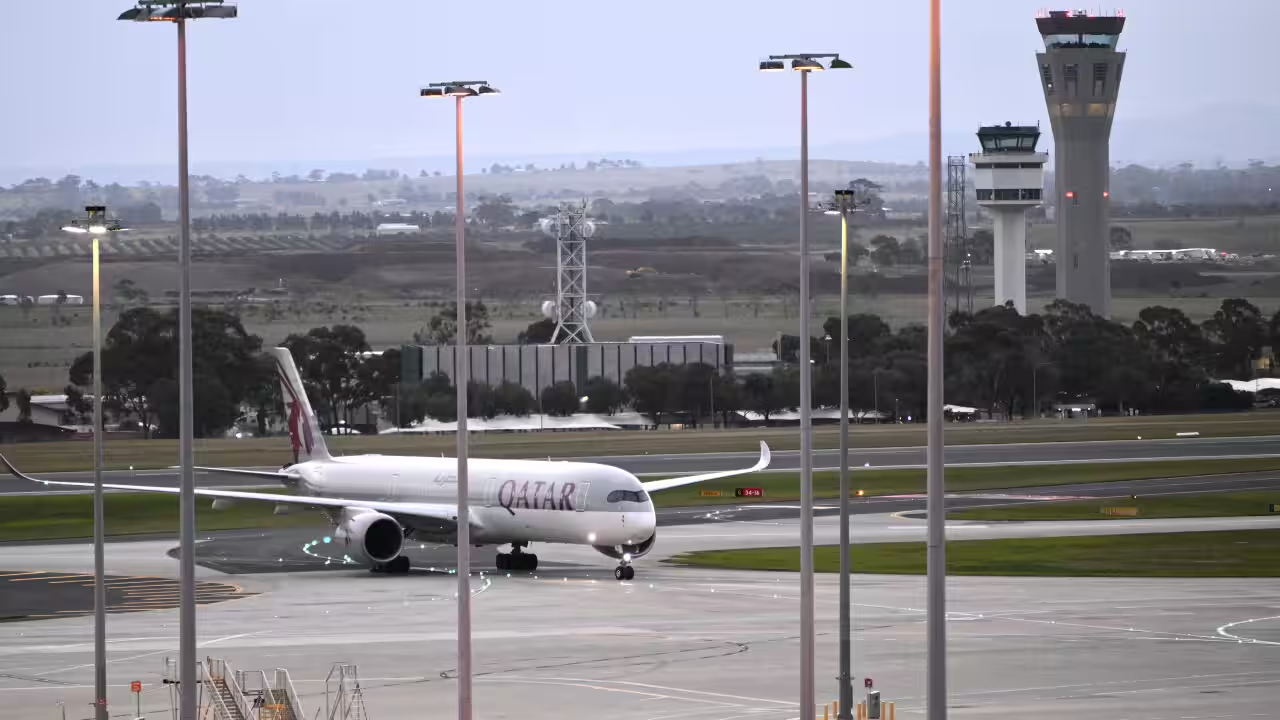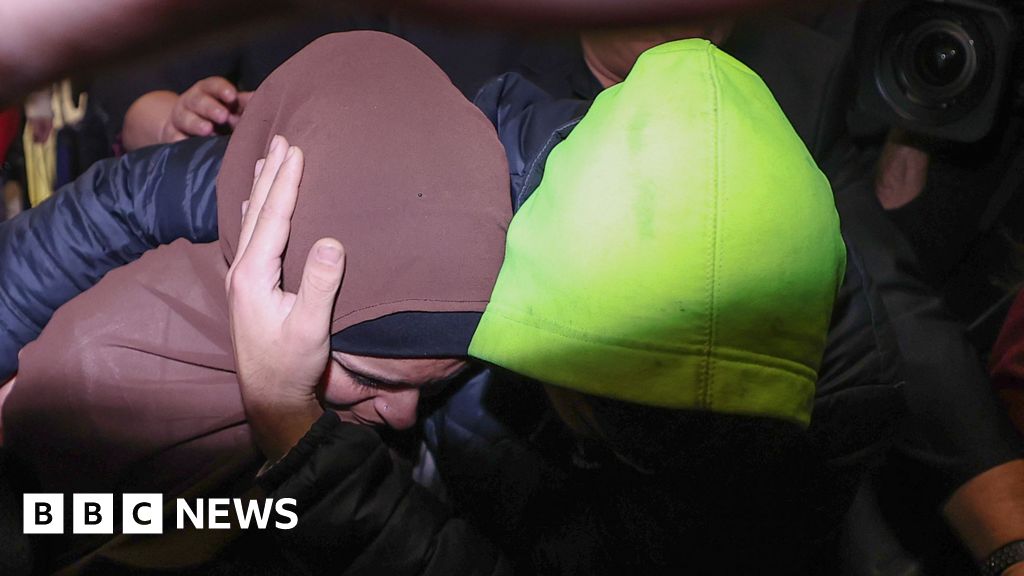
After years spent detained in Syria, the freedom of the Islamic State group-linked families who landed back in their homeland of Australia this week was dramatically short lived.
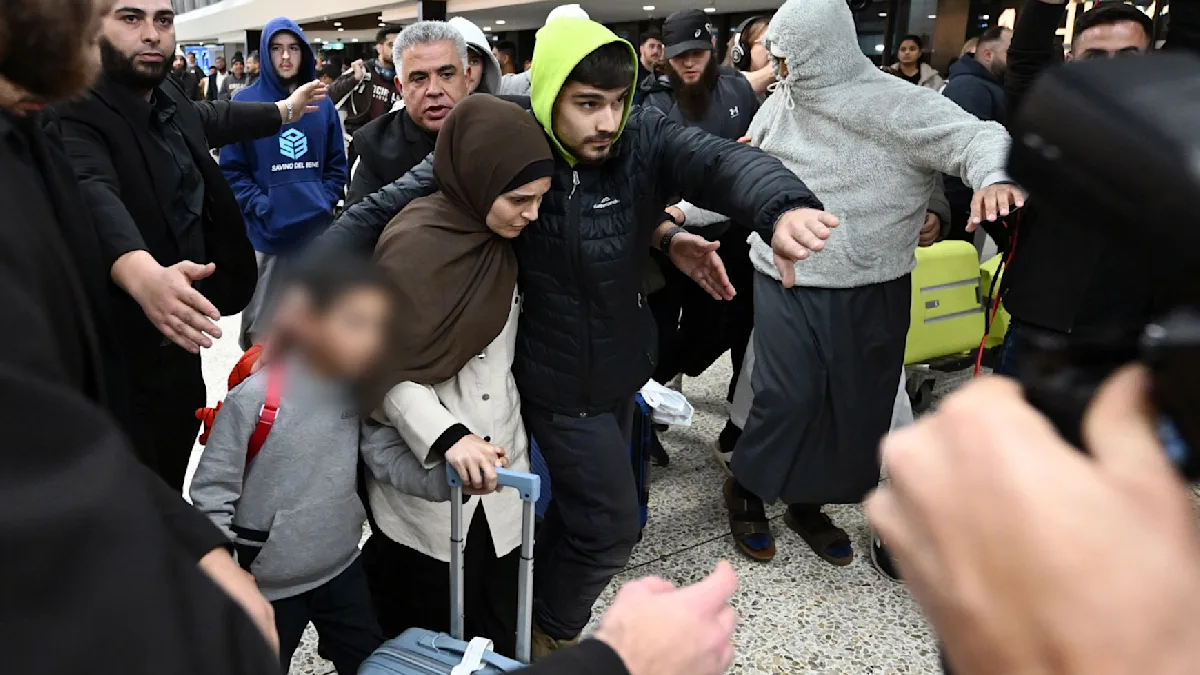
Three of the women were swiftly arrested. The fourth was left to confront a frenzied media scrum alone, small children in tow, with the knowledge she could be next.
Australia has been eyeing their potential return with trepidation for years.
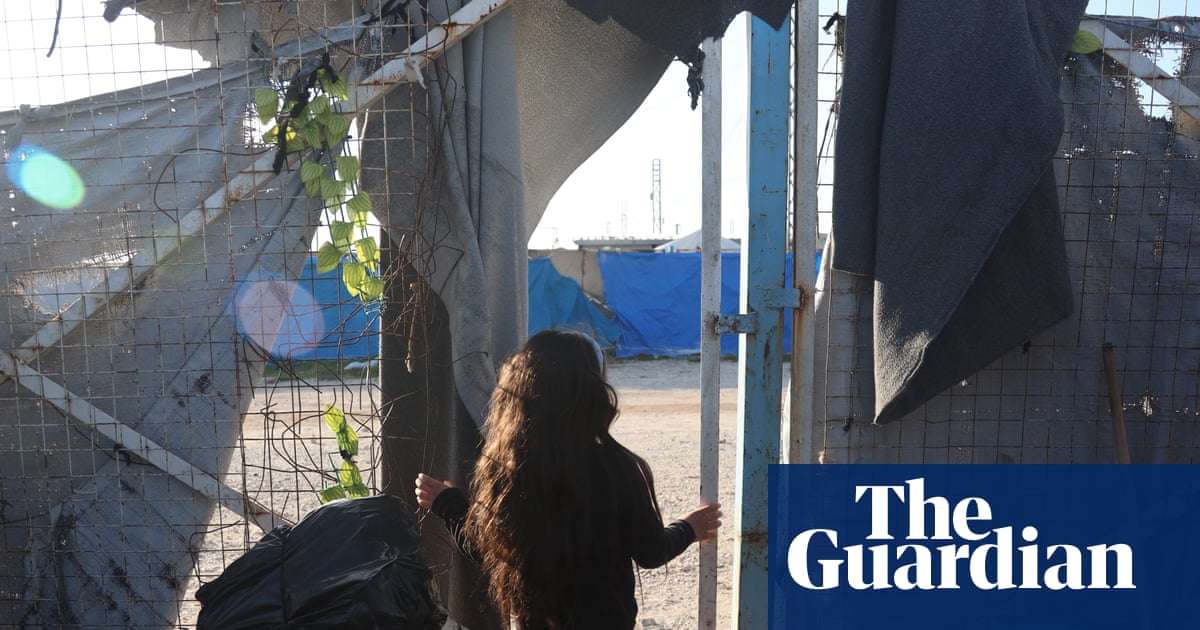
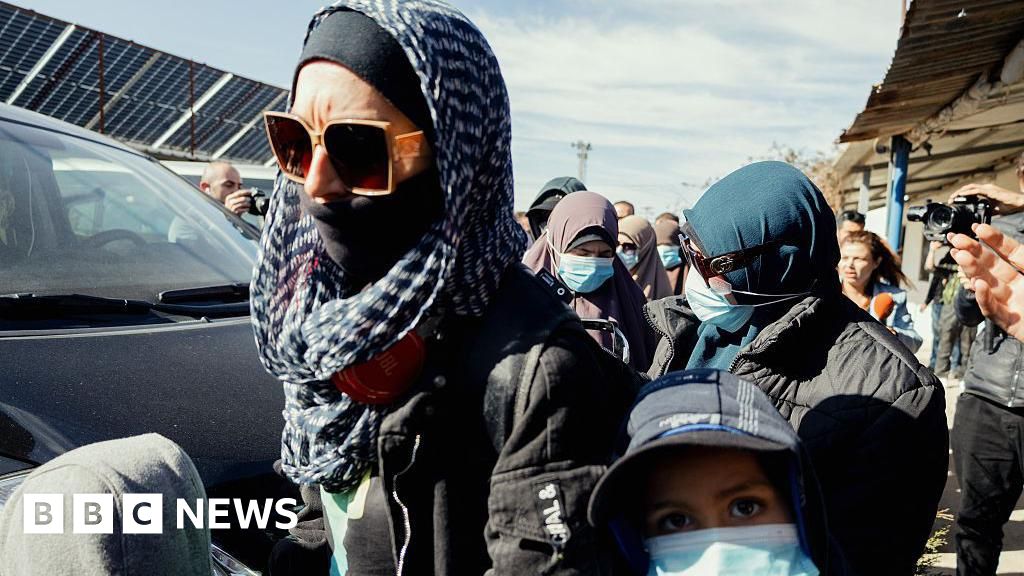
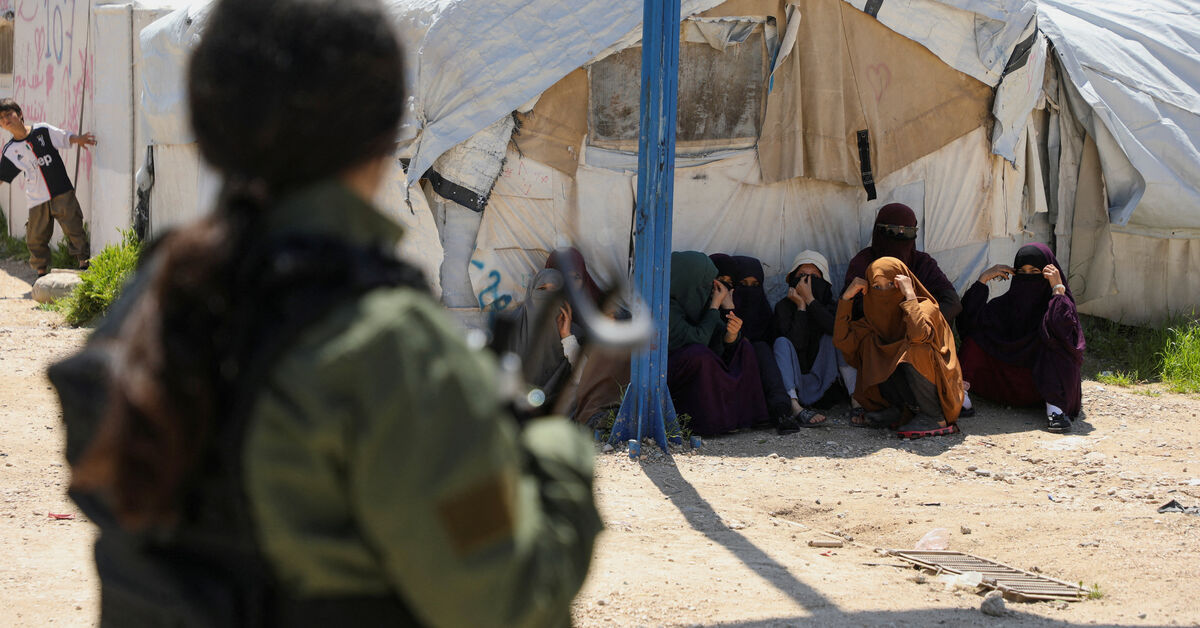
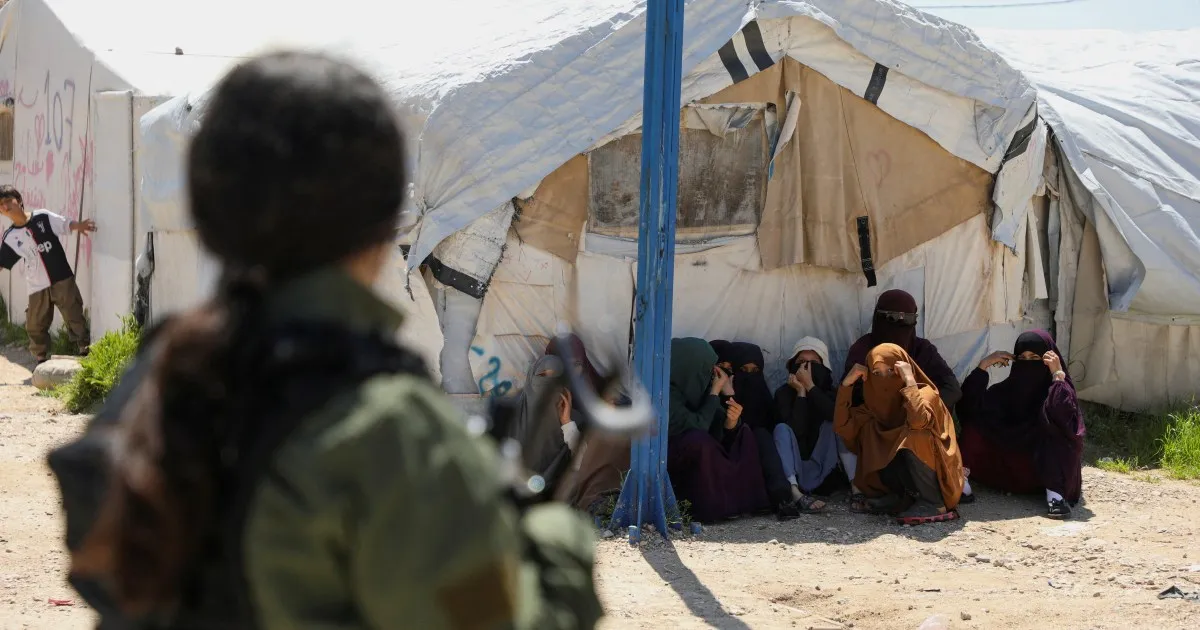
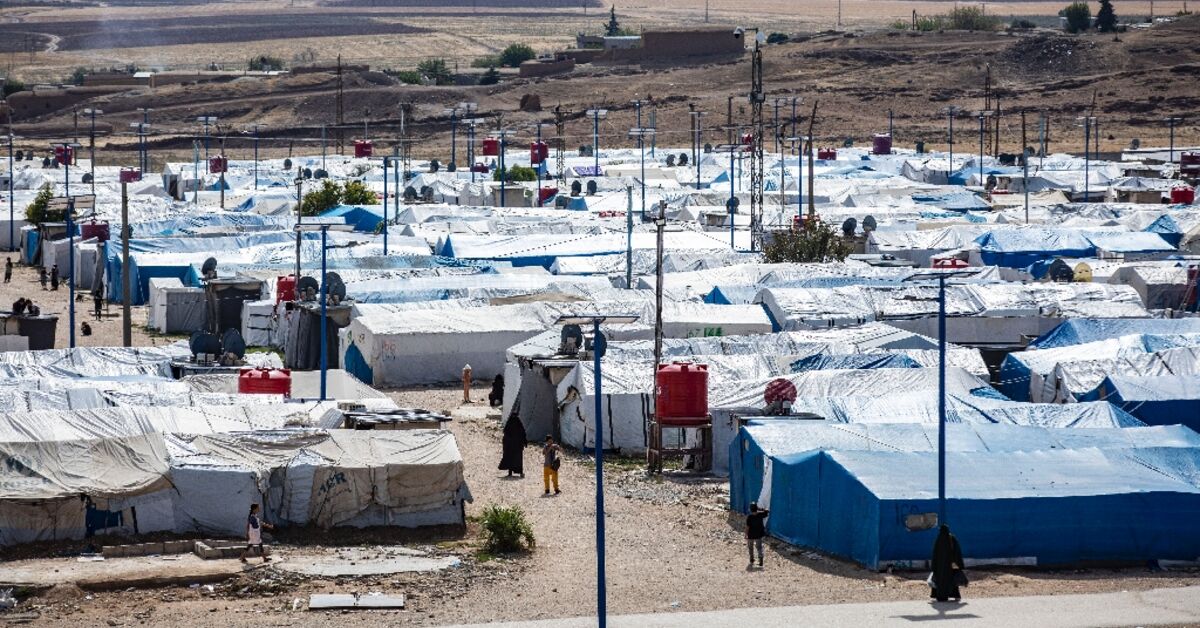
It has been resisting pressure to claim dozens of its citizens - families members of men who fought for the so-called Islamic State (IS). They have been languishing in highly-guarded camps since the group lost its territorial control in Syria after a years-long military campaign by the US-led coalition and local allies.
Australia is not alone in its reluctance to help these women and children: many others, including the UK, have also been wrestling with questions of security, rehabilitation and political responsibility.