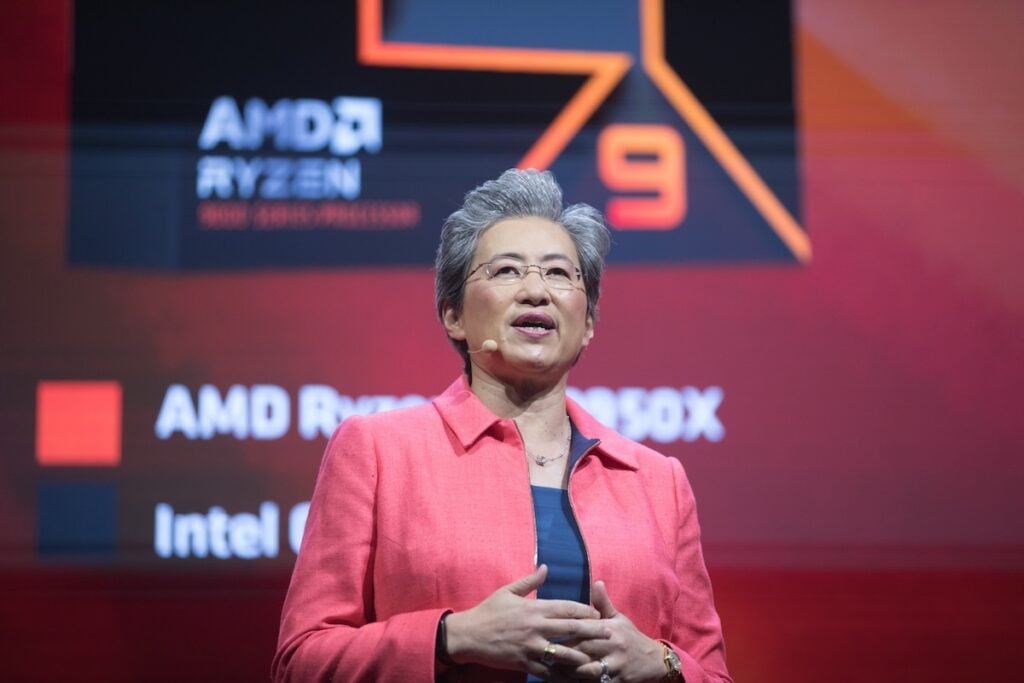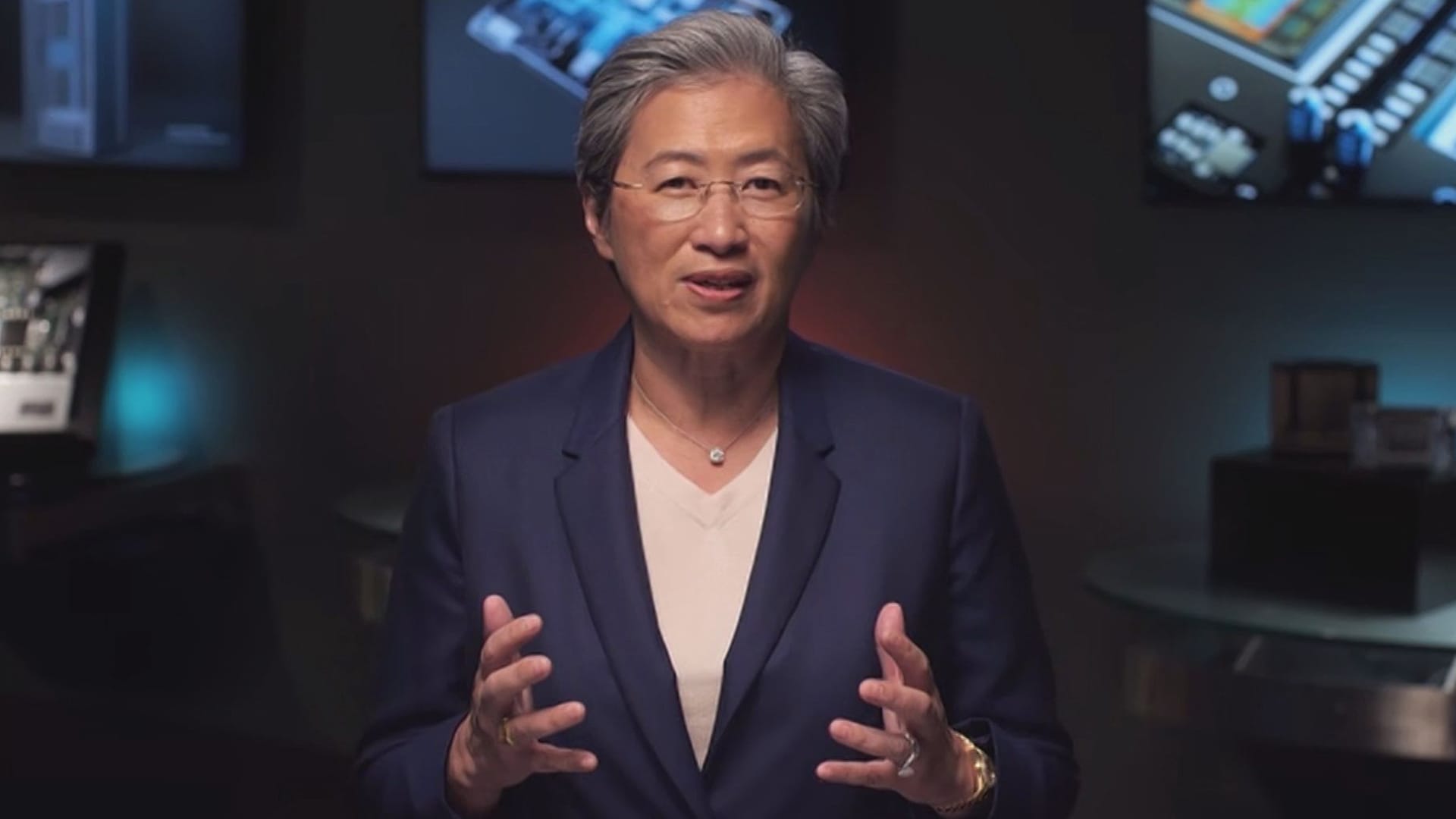
Lisa Su just told the world that CPUs are about to have a very good half-decade. The AMD chief executive projected that the server CPU market will grow at more than 35% annually over the next five years, a figure that would push the total addressable market past $120 billion by 2030.
Here’s the thing: this isn’t just optimism from a CEO talking her book. AMD’s previous estimate, shared at the company’s November 2025 analyst event, pegged annual growth at 18-20%. The new number nearly doubles that. Something meaningful shifted in AMD’s calculus, and it has everything to do with how AI workloads are evolving.
Agentic AI is rewriting the hardware playbook
For the past few years, the AI hardware conversation has been almost entirely about GPUs. Nvidia became the most valuable company on the planet largely because training massive language models requires absurd amounts of parallel processing power, which is what GPUs excel at.
But training a model and actually running it in production are two different animals. Inference, the process of deploying trained AI models to generate responses, doesn’t always need the same brute-force GPU clusters. And agentic AI, where autonomous software agents chain together multiple reasoning steps to complete complex tasks, is pushing demand toward more balanced computing architectures.