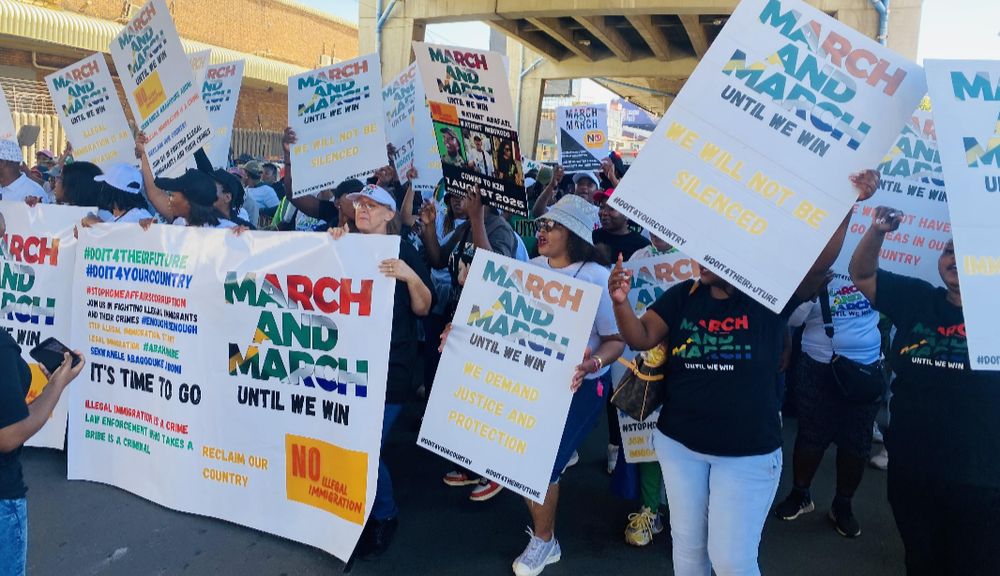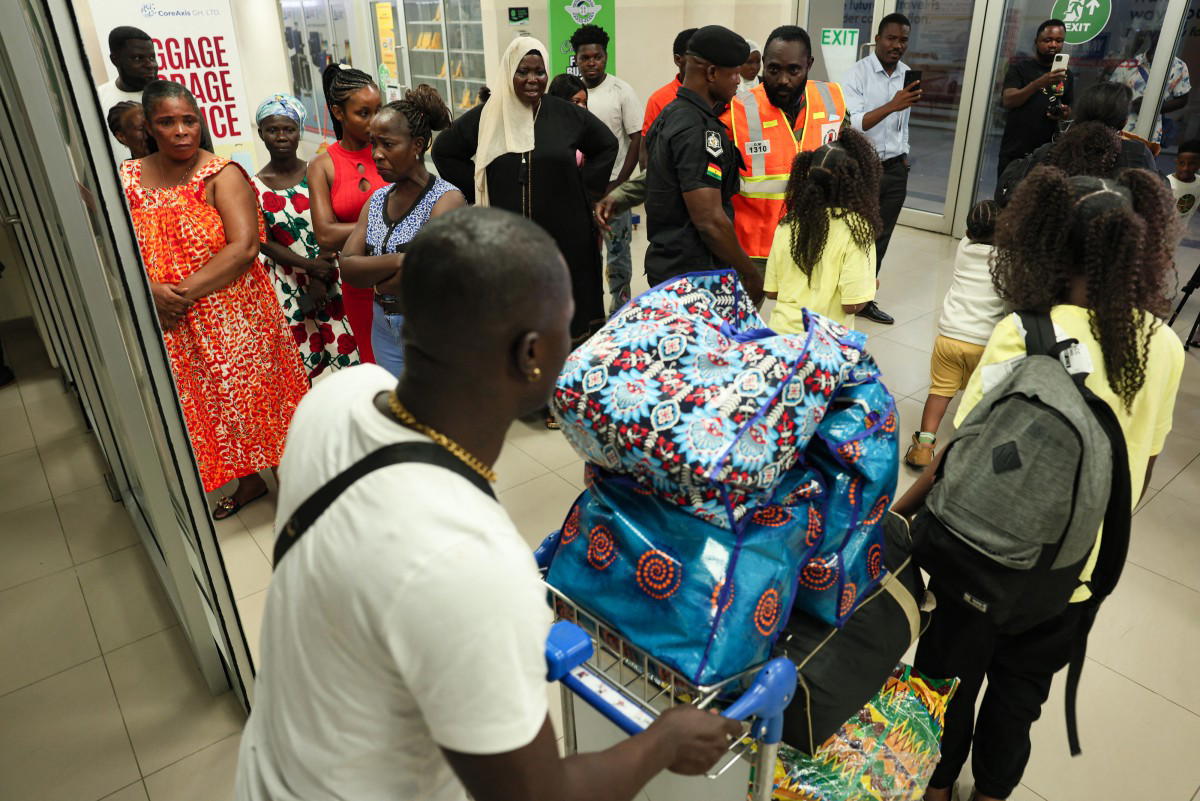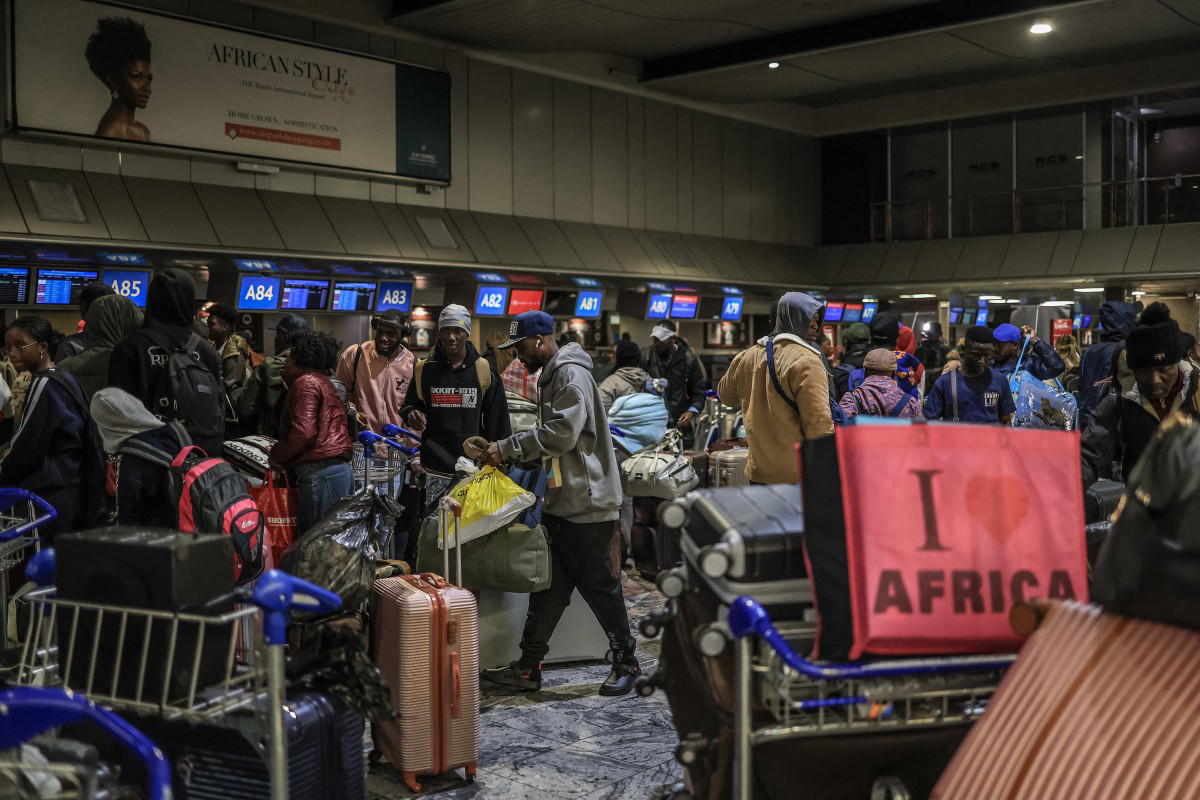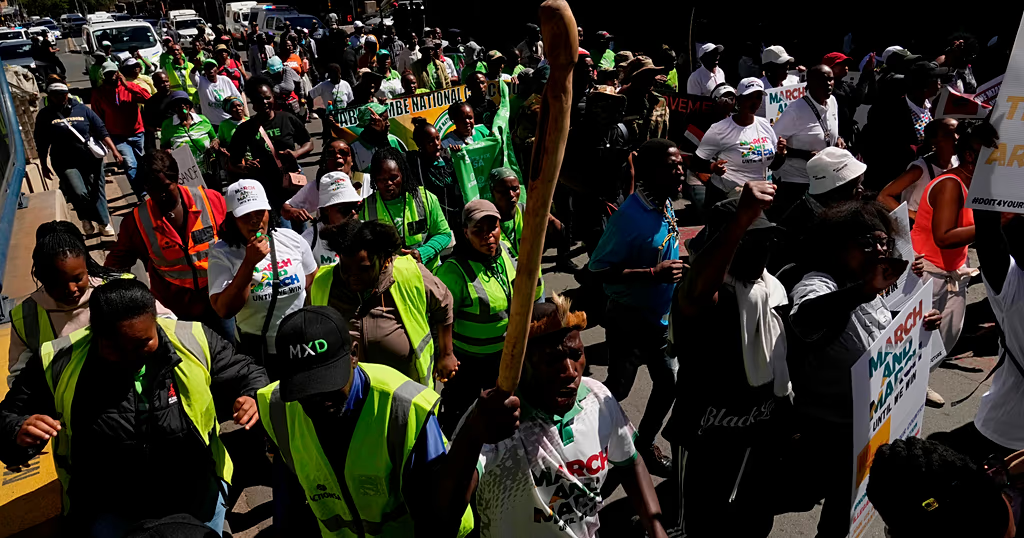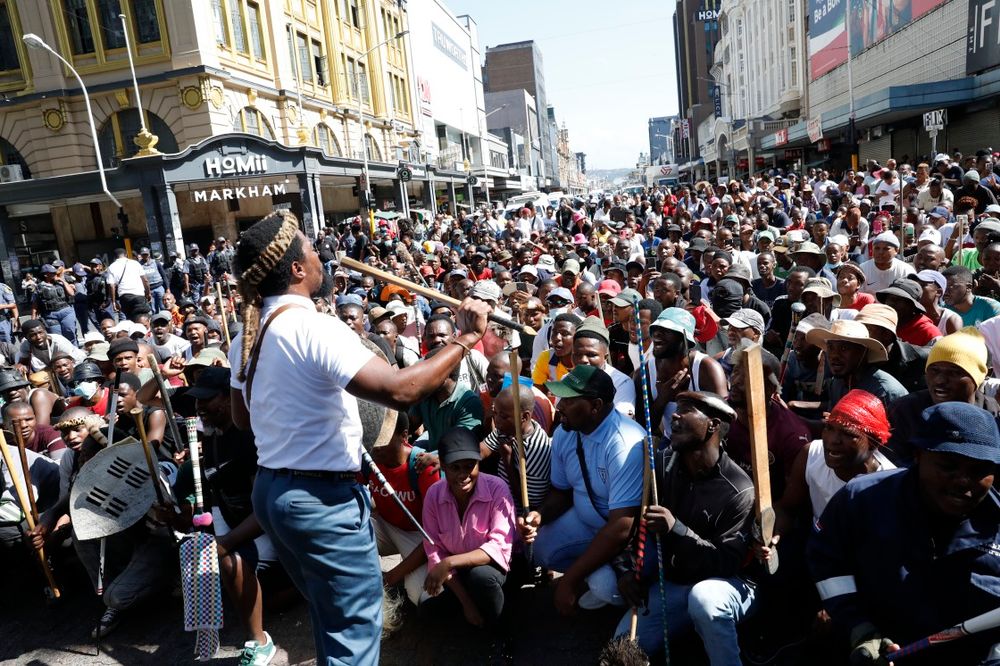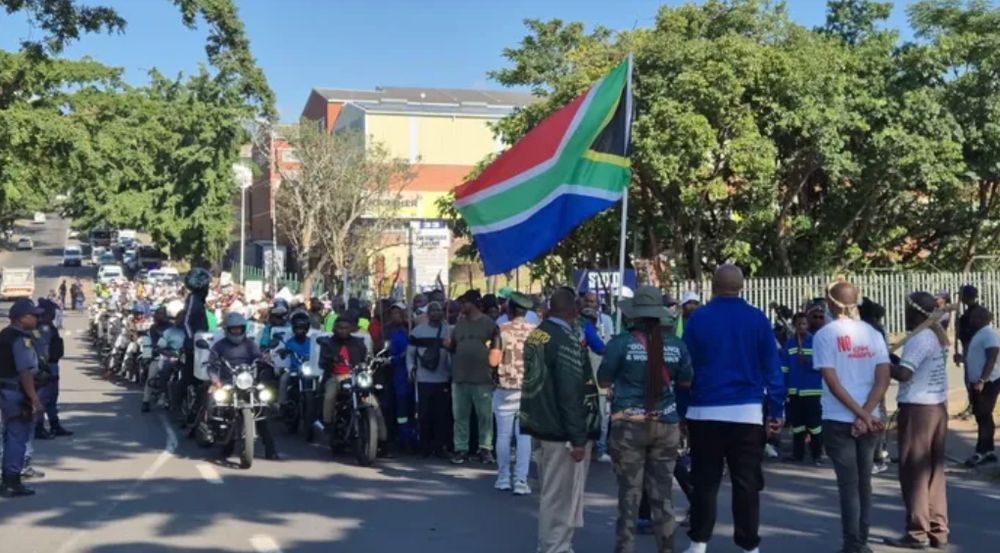
Tensions in eThekwini have escalated into a humanitarian and security concern after refugees, asylum seekers and migrants reportedly fled their communities amid growing threats, intimidation and violence.
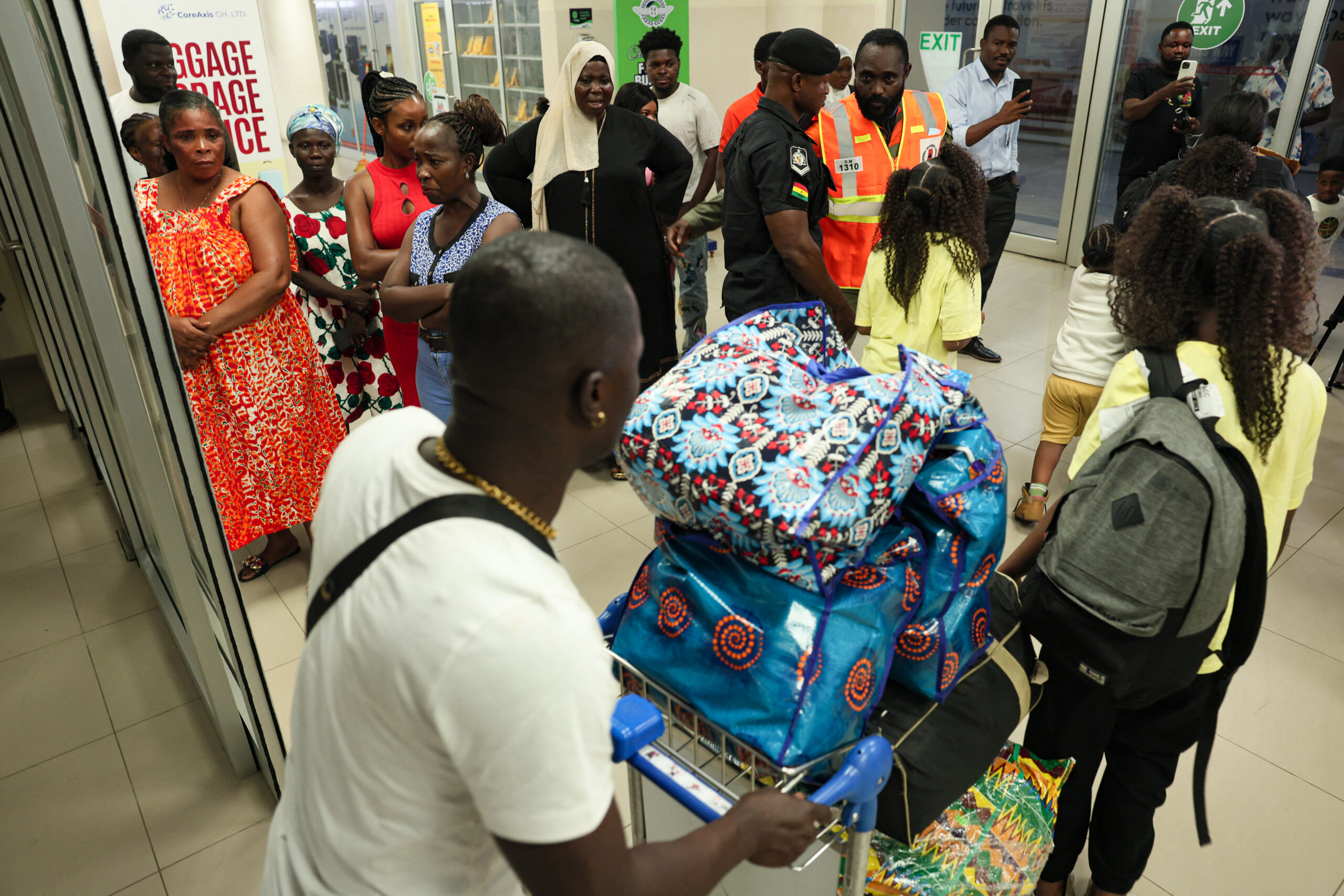
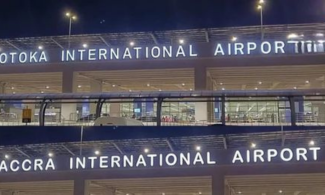
Ghana's Ministry of Foreign Affairs announced the postponement of a planned evacuation of over 800 Ghanaian nationals from South Africa, citing mandatory passenger screening, multi-institutional coordination, and flight permit requirements as the outstanding conditions blocking departure. The optics were striking. The politics, however, deserve far more scrutiny than they have received.
Ghana's evacuation was announced with considerable fanfare , Foreign Affairs Minister Samuel Okudzeto Ablakwa declared that the welfare and safety of all Ghanaians is a "non-negotiable priority," and Accra framed the entire exercise as a rescue operation from a country gripped by xenophobia. But before accepting that framing uncritically, one question deserves to be asked: is South Africa actually the aggressor here, or is it a sovereign state being caricatured for pursuing the most basic function of government, managing who lives and works within its borders?
South Africa is not a country in a comfortable position to absorb unregulated migration. Since 2024, the country's unemployment rate has exceeded 43 percent, a figure that represents not a statistic but a generation of South Africans locked out of economic participation. New research by the Human Sciences Research Council confirms that anti-immigrant sentiment has risen most sharply among poor and working-class South Africans, driven by the rising cost of living, stubbornly high unemployment, deindustrialisation, and concerns over crime.