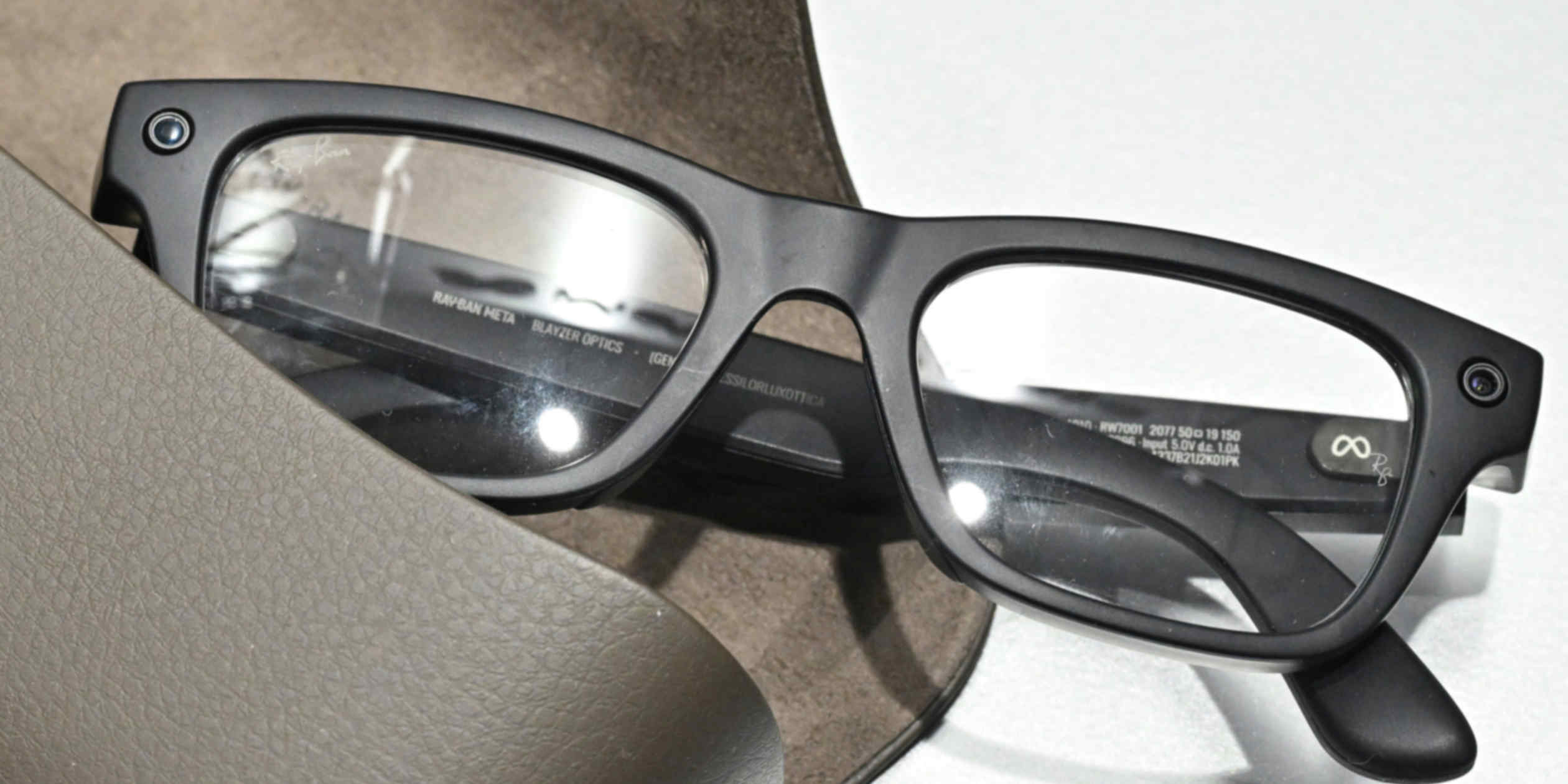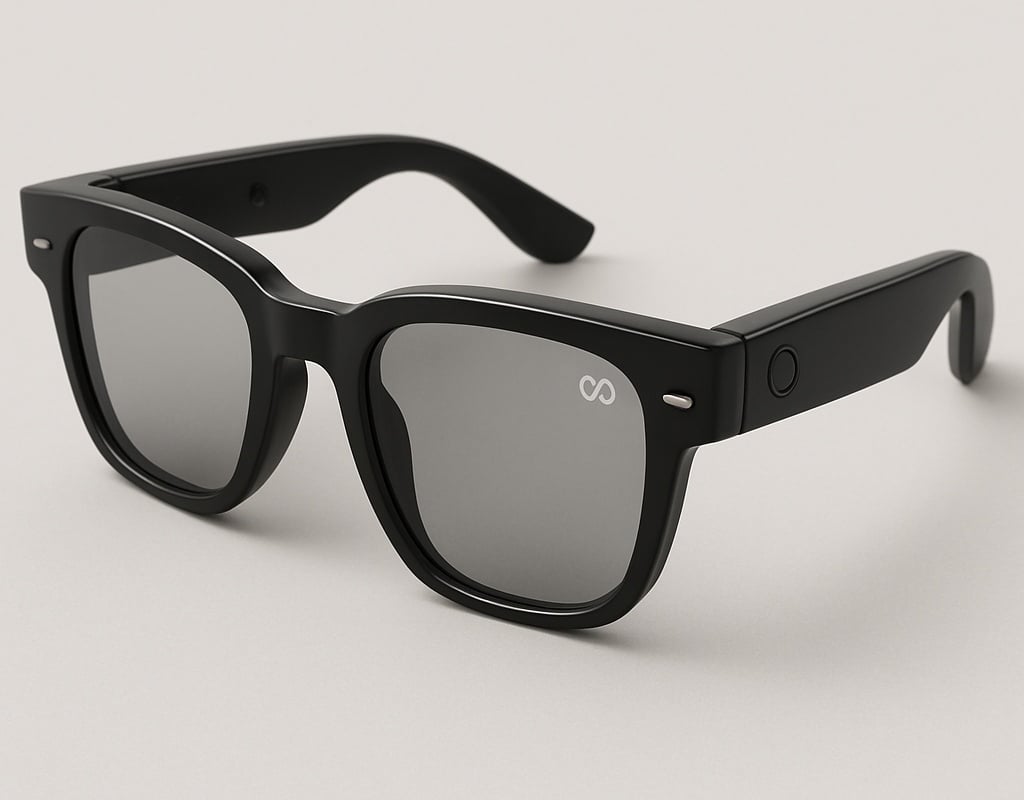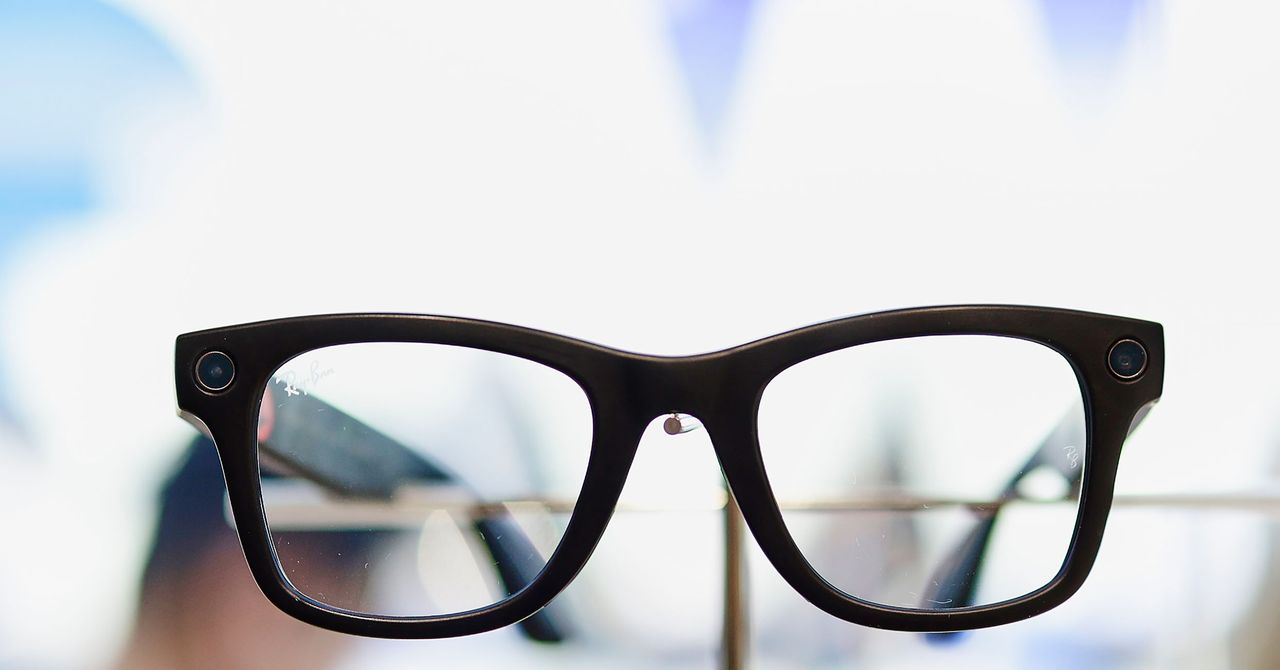
On May 20, 2026, Texas Attorney General Ken Paxton opened a formal investigation into Meta's AI Glasses — the Ray-Ban and Oakley camera-equipped eyewear — over how the device records, processes, and stores facial geometry and ambient video. Two days earlier, the ACLU and 75 civil-liberties organizations sent Meta an open letter warning that the company's reported plan to ship facial recognition on the same glasses would "create serious risks for abuse victims, immigrants, LGBTQ+ people, protesters, [and] workers." The Texas AG's office described the central concern as the device's documented "always enabled" mode, in which the glasses continuously process video for Meta's AI products — with a recording-indicator LED that is "easily hidden" and "not active during the always-enabled mode."
This isn't a niche policy story. It's the second time in less than two years Texas has taken Meta to court over the same underlying issue: capturing biometric data from people who never consented. The previous round ended in 2024 with a $1.4 billion settlement.
If you build, ship, or even use a camera-bearing piece of consumer technology, this is a moment to look at your own surface area and ask the question Paxton is asking Meta: where does the video go, who can see it, and did anyone agree to that?