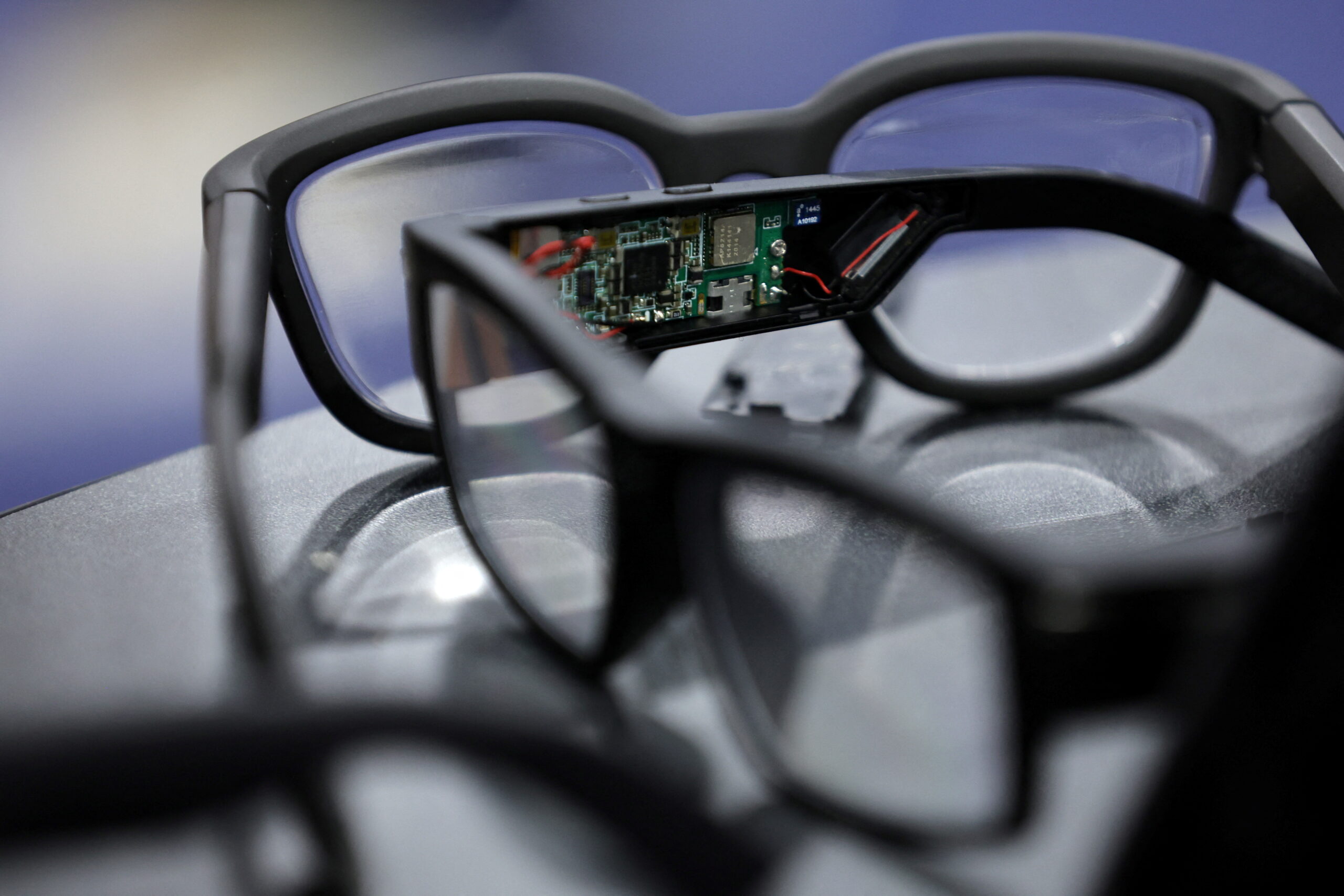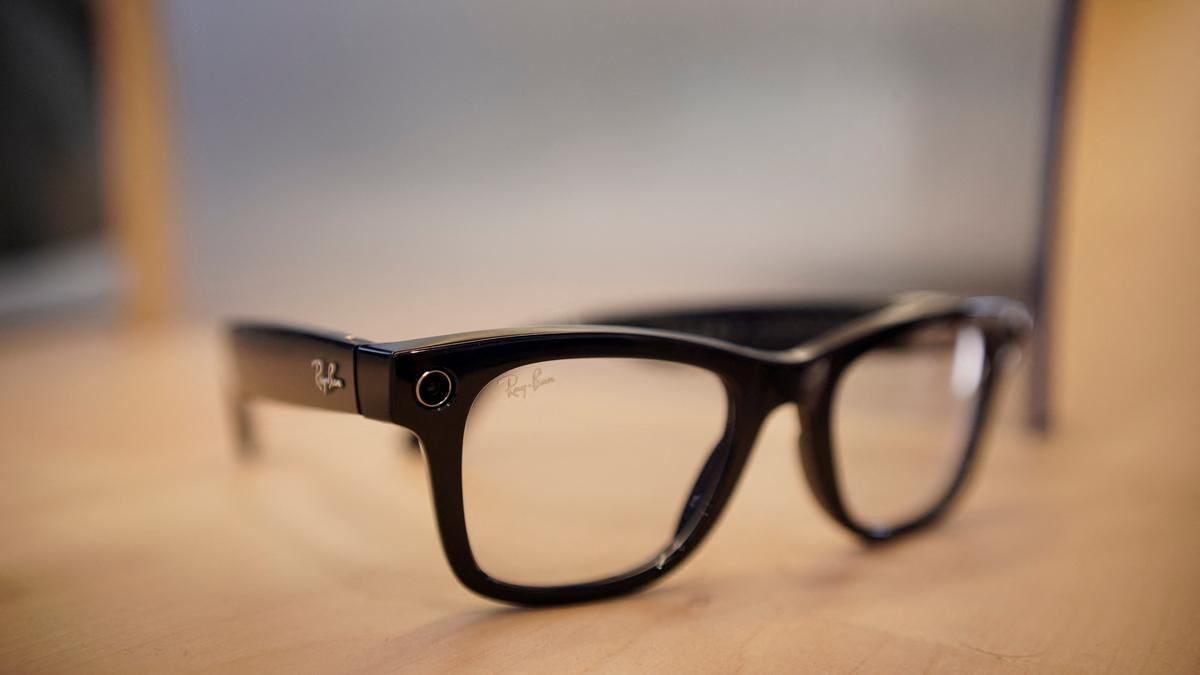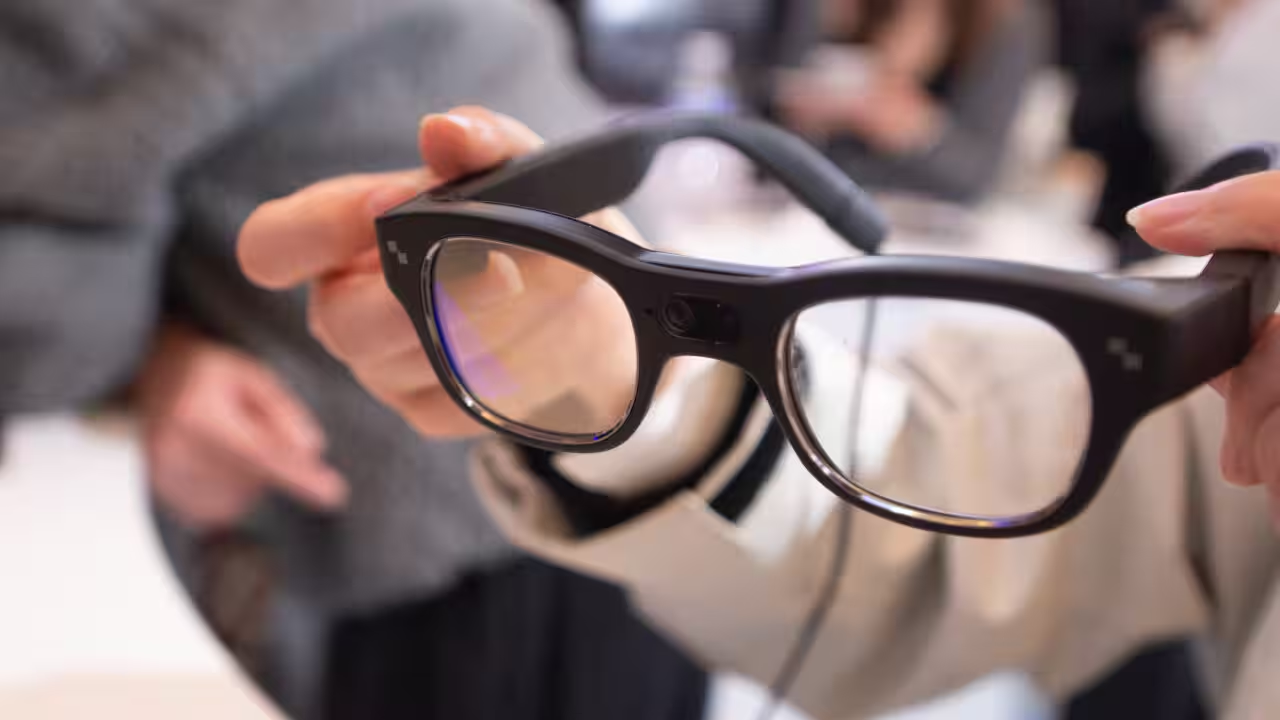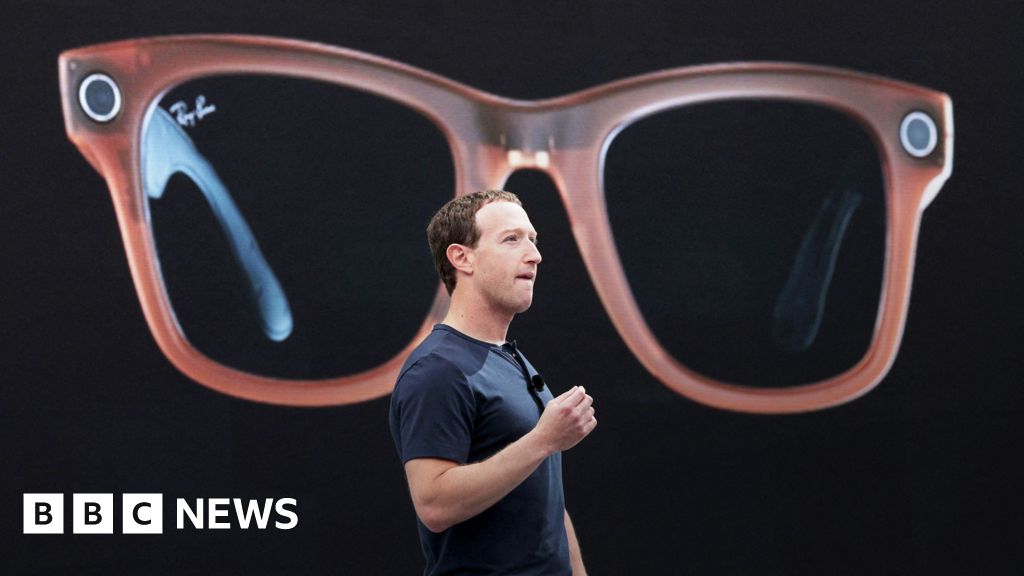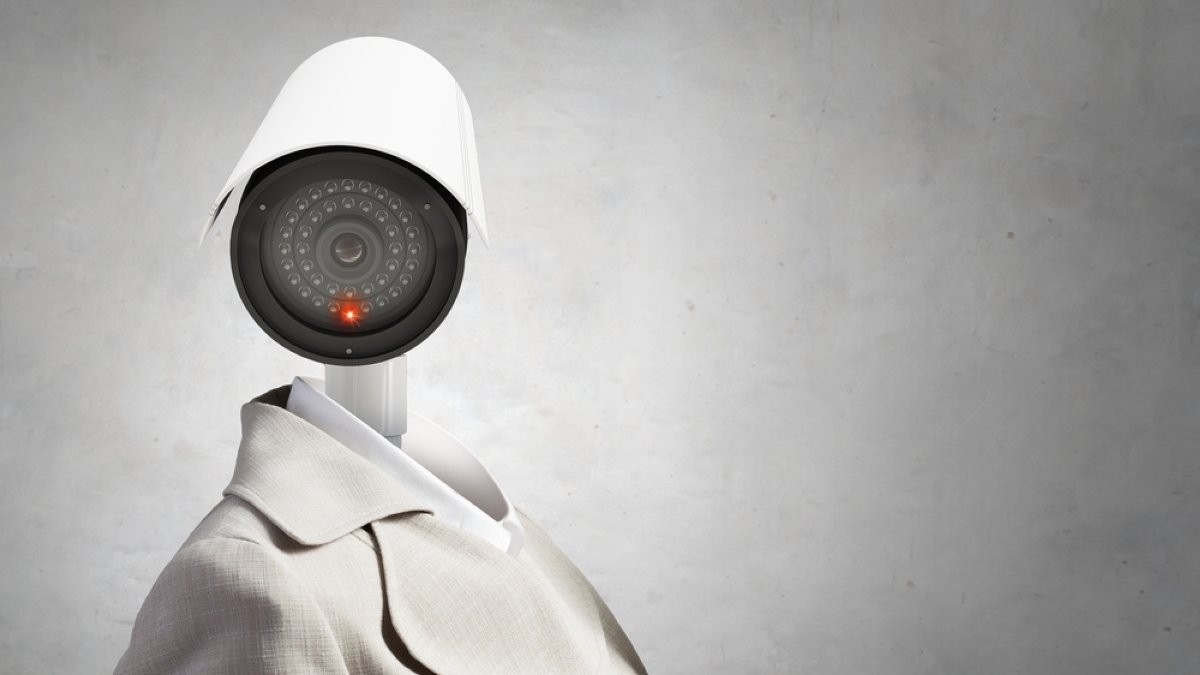
America is being watched. Not by a government decree, not by a hidden apparatus behind closed doors, but by millions of pairs of smart glasses already sold to ordinary consumers. Meta is rapidly expanding what these devices can do, including identifying strangers and pulling up information about them in real time. Some footage captured by these glasses has reportedly been routed to overseas workers for manual review, including sensitive, unintended recordings.
That is not the end of the story. Just weeks ago, the U.S. Department of Homeland Security budgeted $7.5 million to develop smart glasses capable of real-time biometric facial recognition for use by immigration enforcement agents. U.S. Immigration and Customs Enforcement (ICE) and Border Patrol officers now scan faces as they walk the streets.
That is where things stand now. You do not need to be recorded. You only need to know that you might be. That possibility alone is reshaping how people inhabit public space.
Panopticon went retail
When Americans think of surveillance, they reach for Orwell. The British author George Orwell imagined, in "1984," a world where Big Brother forced cameras into every room, every corridor. The gaze was imposed. The terror was explicit. But what Orwell could not have imagined was a world where the surveillance device would one day retail for $299 and people would line up to buy it.