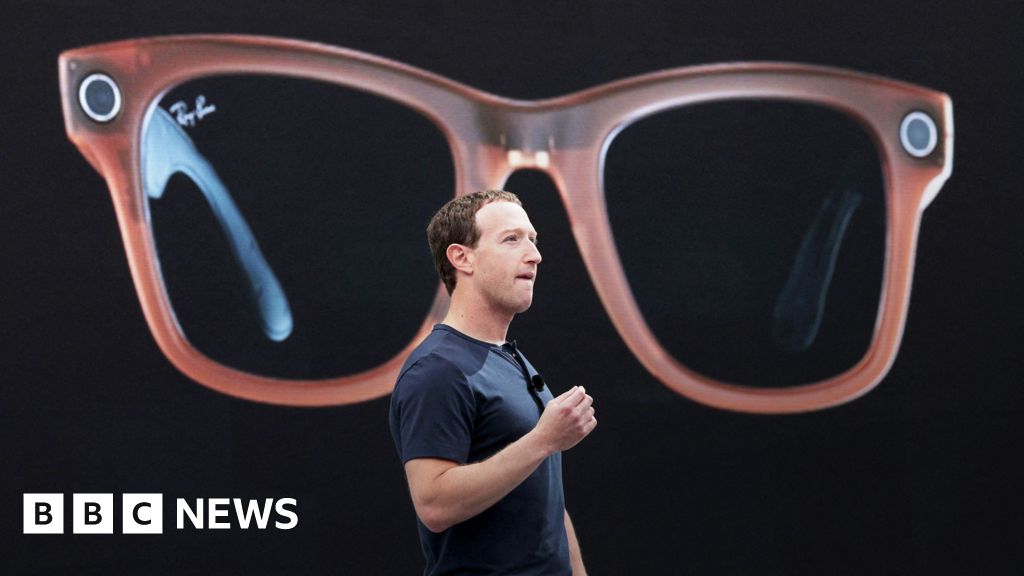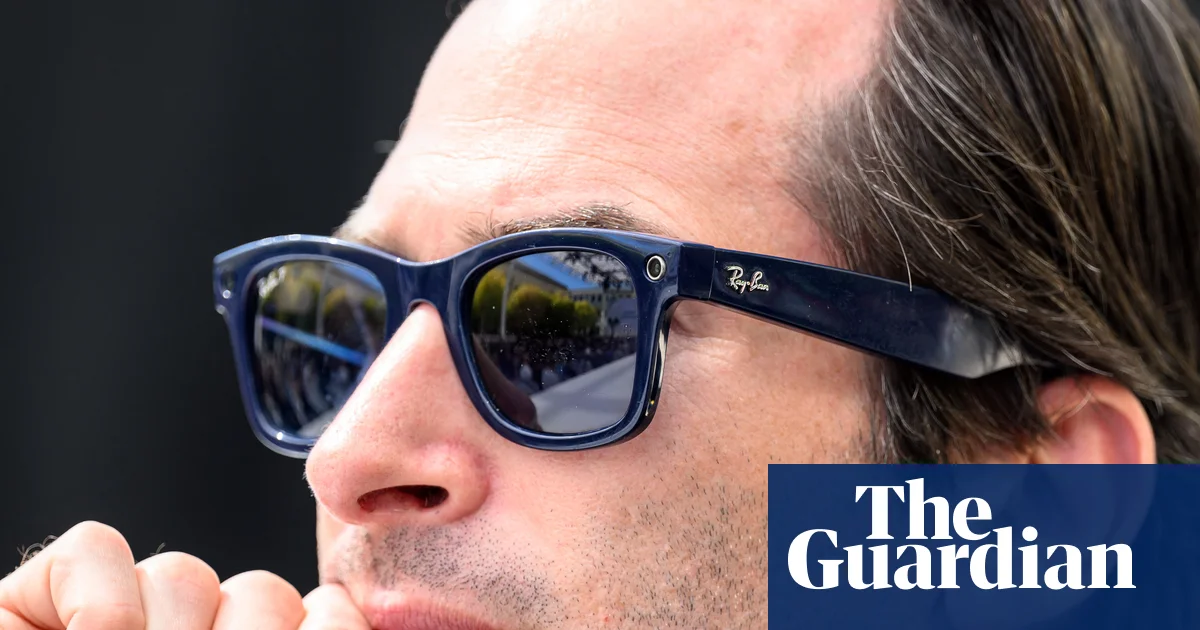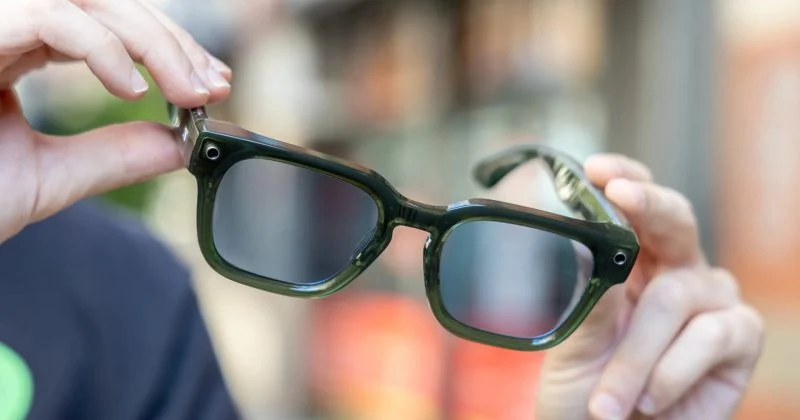
TL;DRMeta’s Ray-Ban smart glasses have sold seven million pairs and command 82% of the market, yet a mounting privacy crisis surrounds the product. Women are being secretly filmed in public with little legal recourse, Kenyan data workers reported reviewing graphic footage captured by the glasses, and two US lawsuits allege Meta misled consumers about privacy. Apple, Google, and Snap are all preparing rival smart glasses for launch, each with cameras, ensuring the tension between wearable AI utility and bystander privacy will only intensify.
The woman was shopping in London when she noticed something odd about the man approaching her. He wore sunglasses indoors, asked her name, told her she was gorgeous. What she did not notice was the almost invisible camera embedded in the frames of his Meta Ray-Ban smart glasses, quietly recording every second of the encounter. She only discovered the footage later, after it had been uploaded online and accumulated tens of thousands of views. When she asked him to take it down, he told her that removal was “a paid service.”
She is far from alone. Across social media platforms, a pattern has emerged that is at once predictable and deeply unsettling: men wearing Meta’s AI-enabled glasses approach women on beaches, in shops, and on public streets, filming their reactions to casual questions or pick-up lines without consent. The women only learn of the recordings after the clips have already gained traction, and frequently abuse, online. Photography in public remains broadly legal in most jurisdictions, leaving those filmed with vanishingly little recourse.