Ingress NGINX has been a key Kubernetes component for many organizations, helping them manage external traffic to services within their clusters. But in March 2026, Ingress NGINX reached end-of-life (EOL), and migrating away from it became an urgent security imperative. IngressNightmare, and more recently CVE-2026-24512 and CVE-2026-3288, show how ingress vulnerabilities can have cluster-wide impact. And now that the controller is EOL, future vulnerabilities will have no supported fixes.
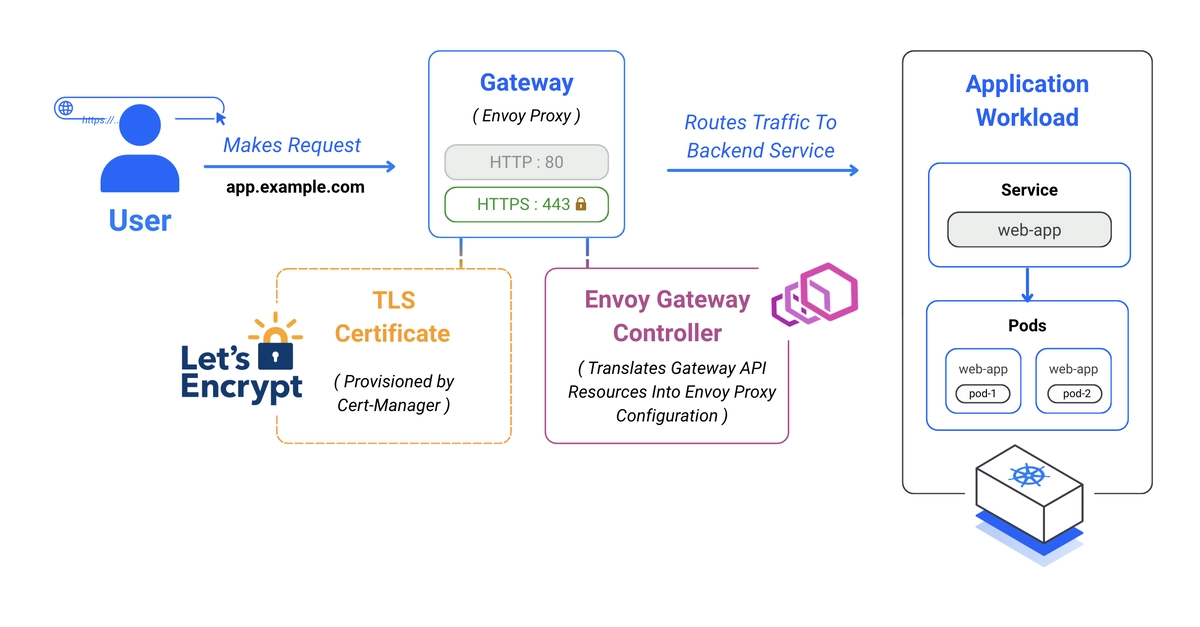
Ingress NGINX implements the Kubernetes Ingress API, which is still supported but feature-frozen. The Kubernetes project recommends migrating away from Ingress NGINX to its designated successor, Kubernetes Gateway API, which is supported by multiple controller implementations.
In this post, we’ll show you the steps you can follow to migrate to Gateway API. Then we’ll provide guidelines for monitoring your migration, and we’ll look at how resources and roles shape Gateway API’s routing behavior.
Migrate to Gateway API one step at a time
Migrating successfully from Ingress NGINX to Gateway API requires a structured, incremental approach. This section walks you through each of the following steps at a high level to help ensure that your migration is careful and complete: