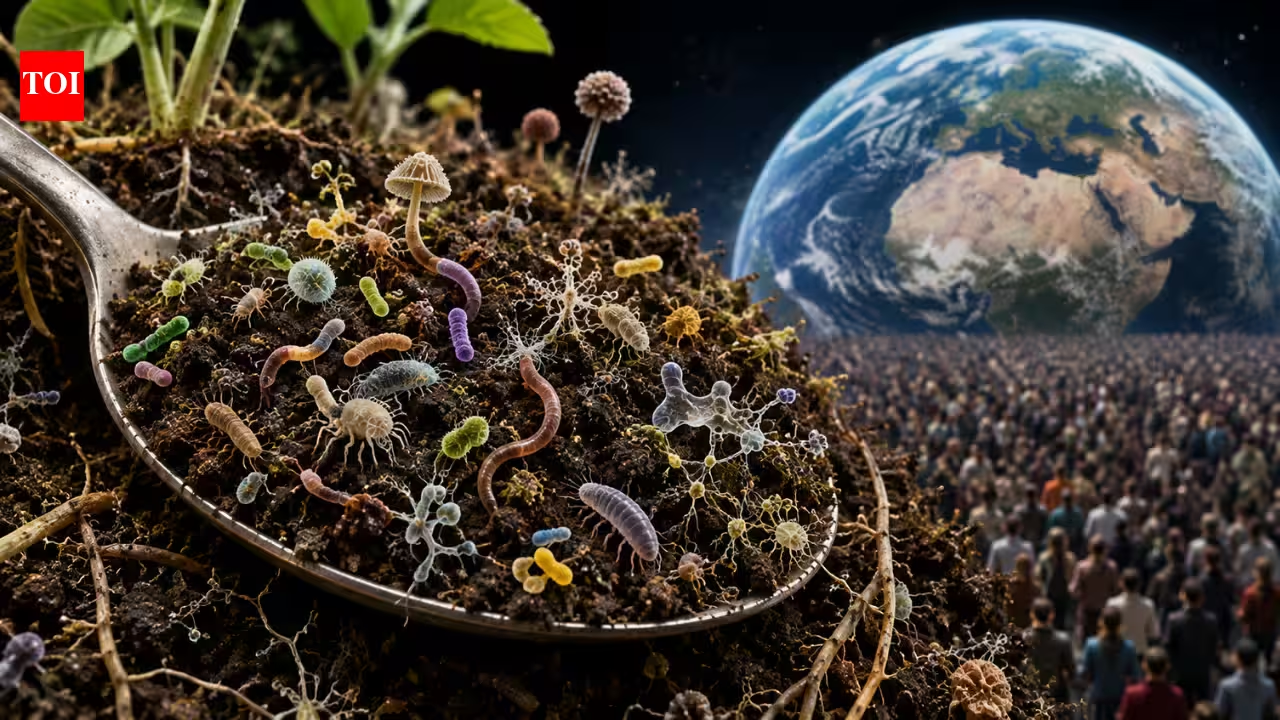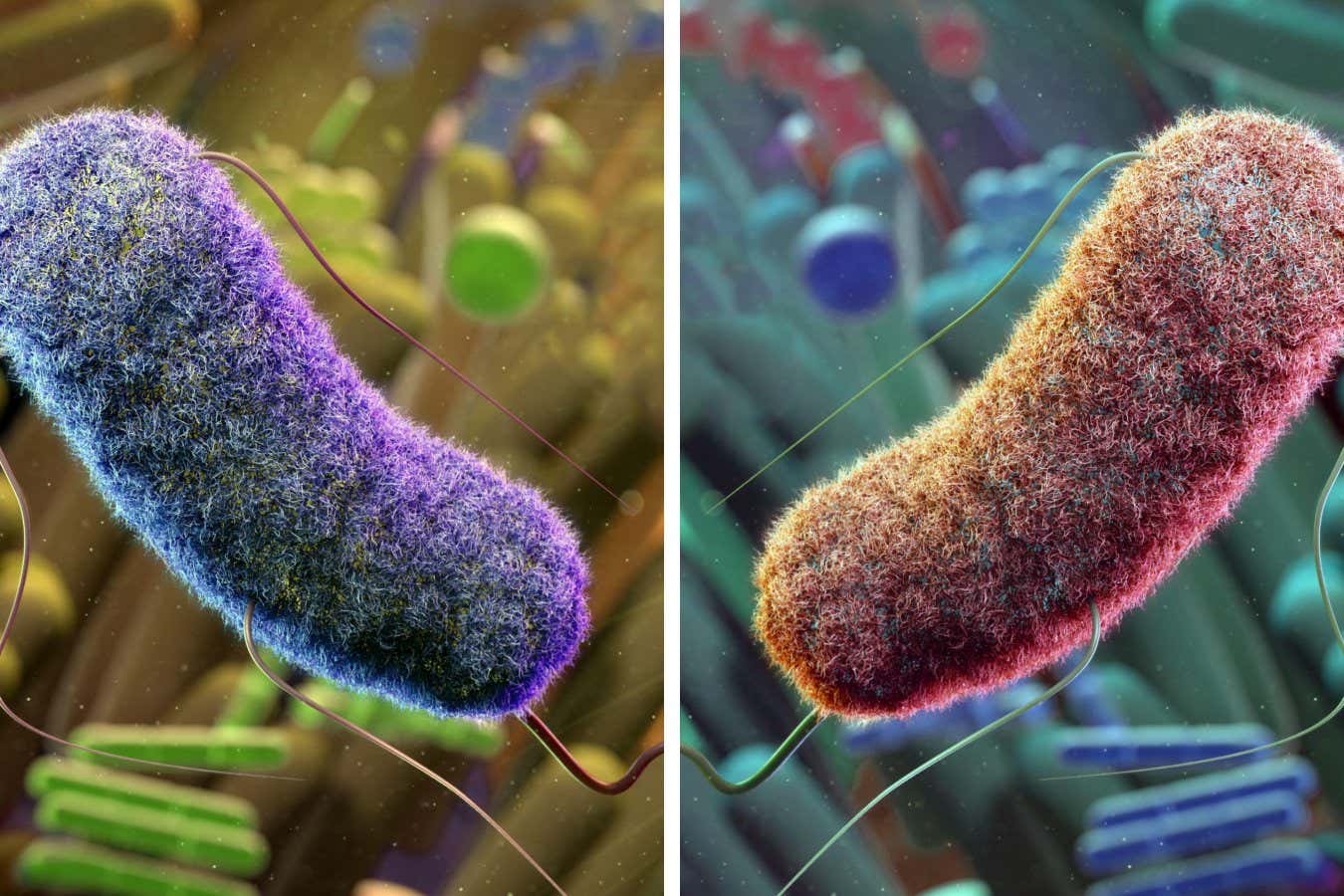
An estimated one trillion species of microorganisms reside on Earth, yet scientists have been able to study less than two percent of them. Because many microorganisms cannot be cultivated in laboratories, researchers at Carnegie Mellon University are creating technology to cultivate them in the field.
Better tools for culturing previously unknown microbial species may lead to novel antibiotics or other therapeutic products. Tagbo Niepa developed a microcapsule system to cultivate microorganisms in their natural environment, rather than in laboratory conditions, where they behave differently.
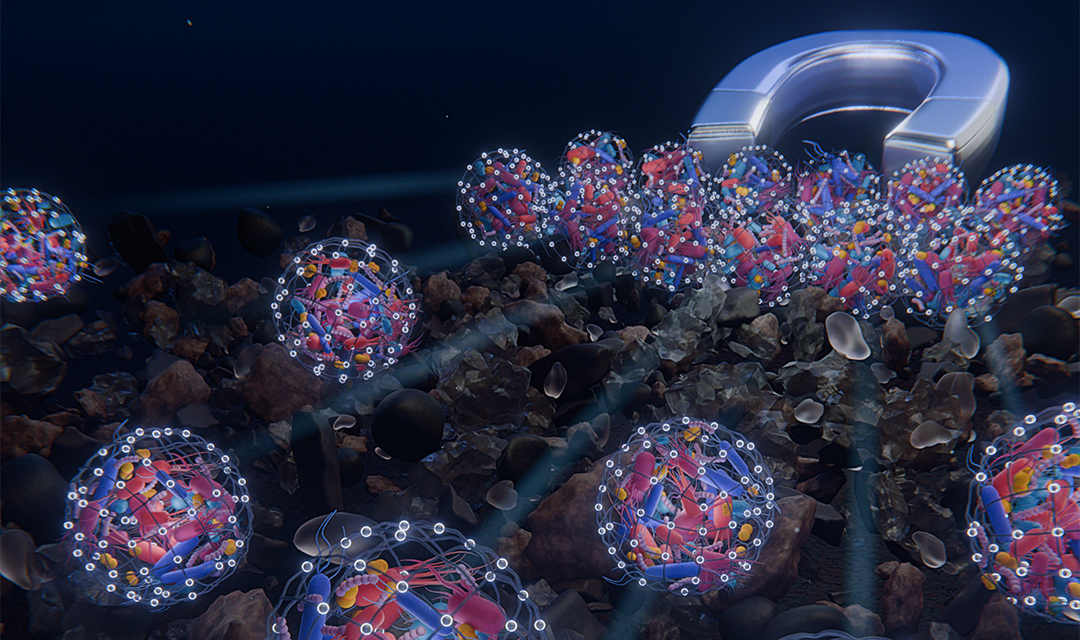
Because each microcapsule can hold a nanoliter volume of microbial culture, these tiny bioreactors are referred to as “nanocultures.” Microorganisms natively found in soil, for example, can be sequestered inside nanocultures, which can then be put back into the soil.
\
Once the nanocultures are placed in soil or another environment, researchers need an efficient and targeted way to retrieve them. Niepa, associate professor of chemical engineering and biomedical engineering, and collaborators designed nanocultures that can be moved with a magnet. In Science Advances, they show proof of concept for using magnetically-responsive nanocultures to cultivate microorganisms.