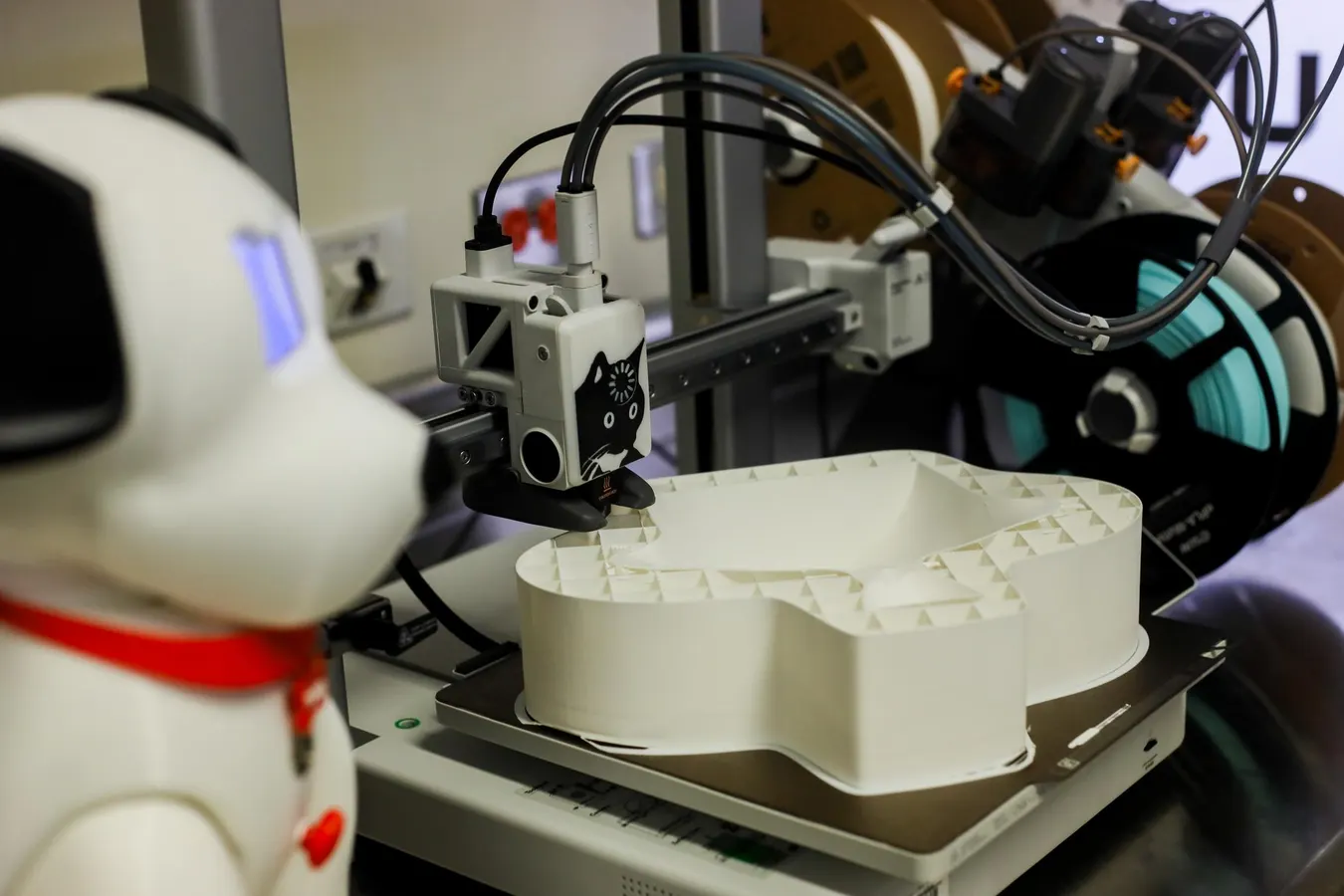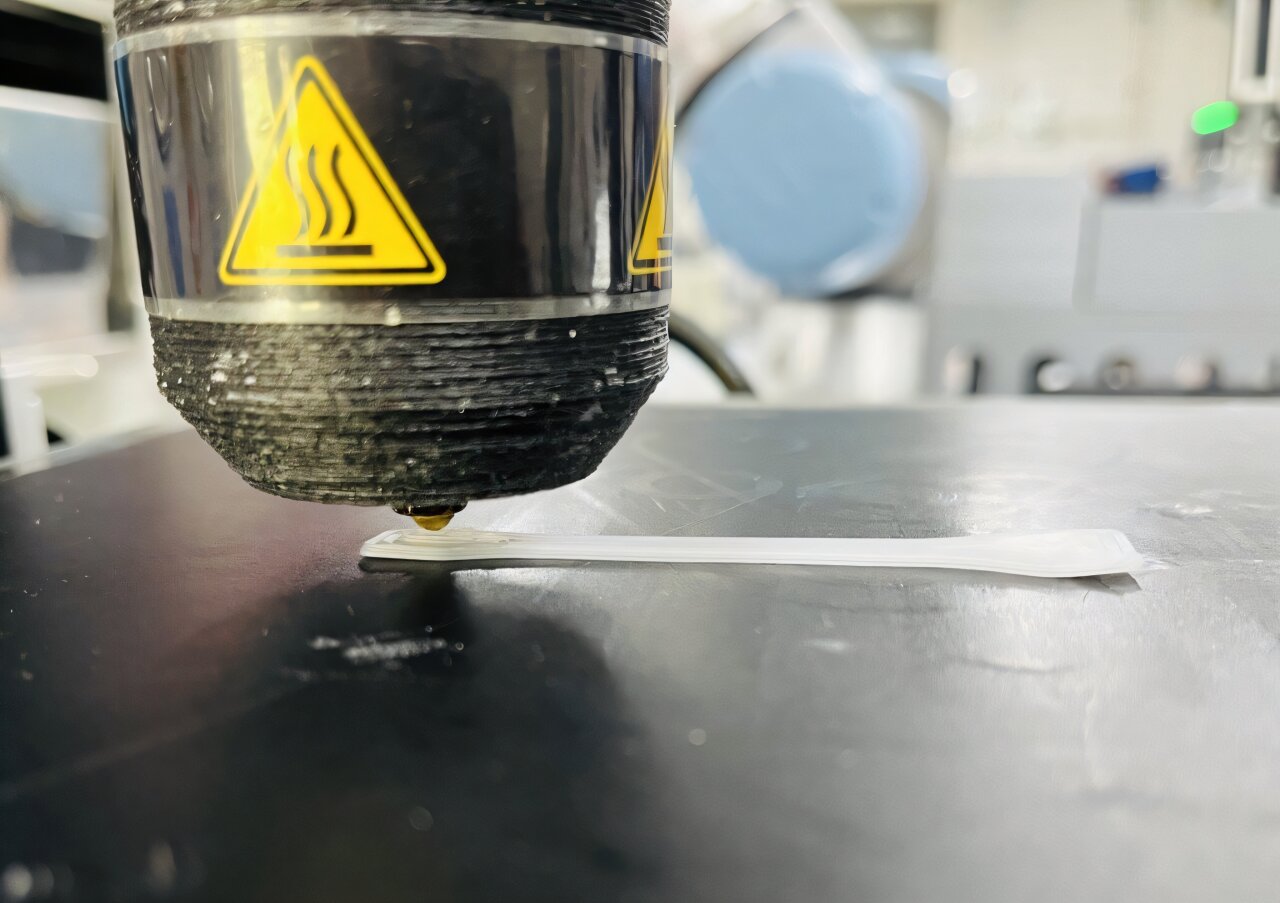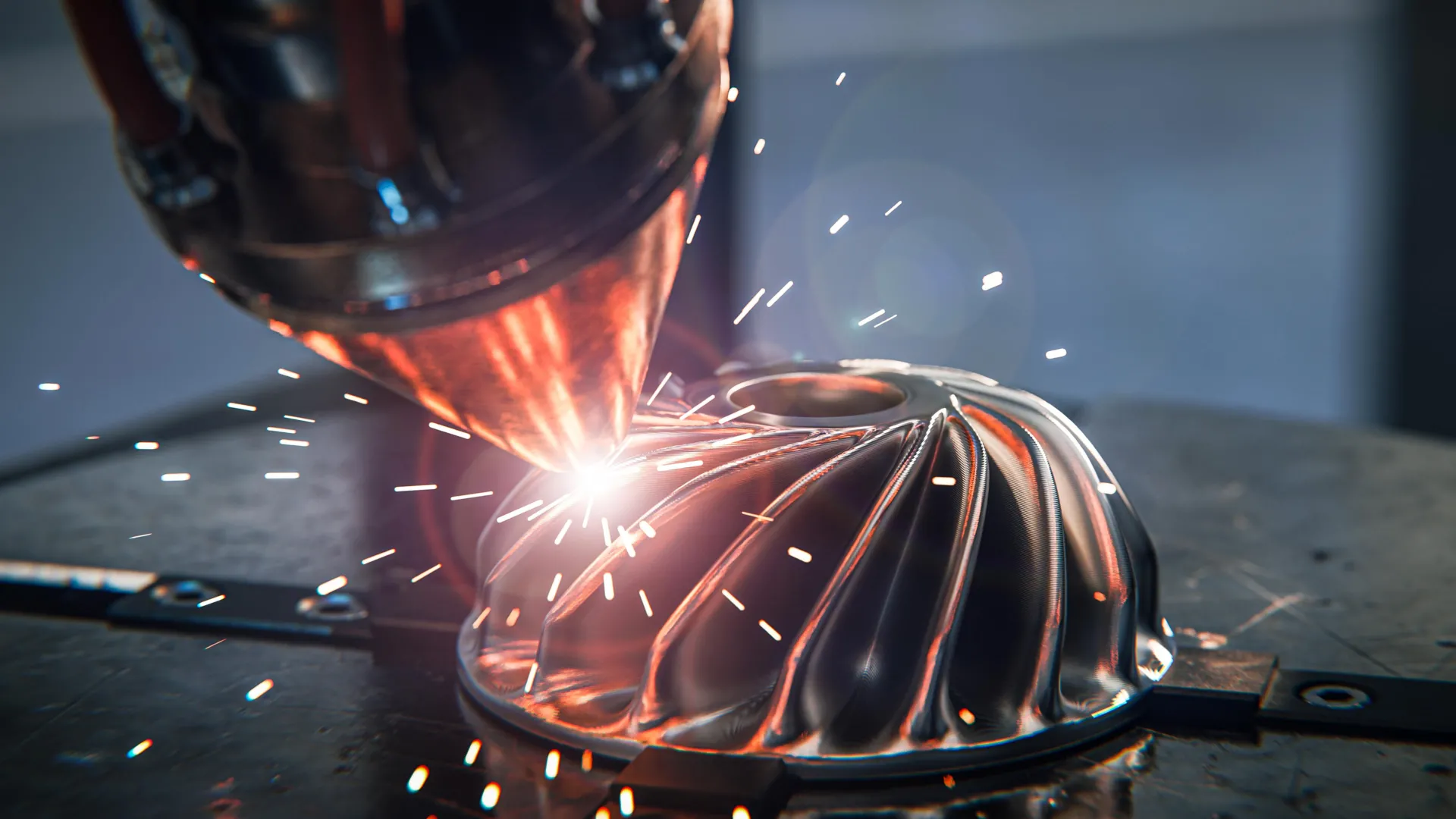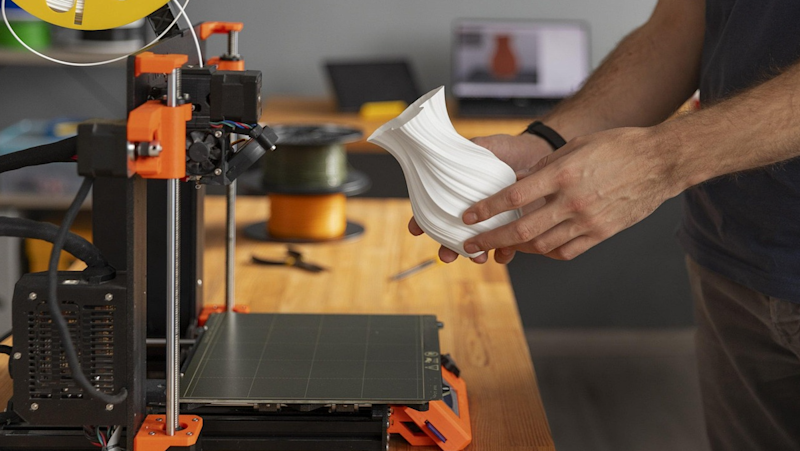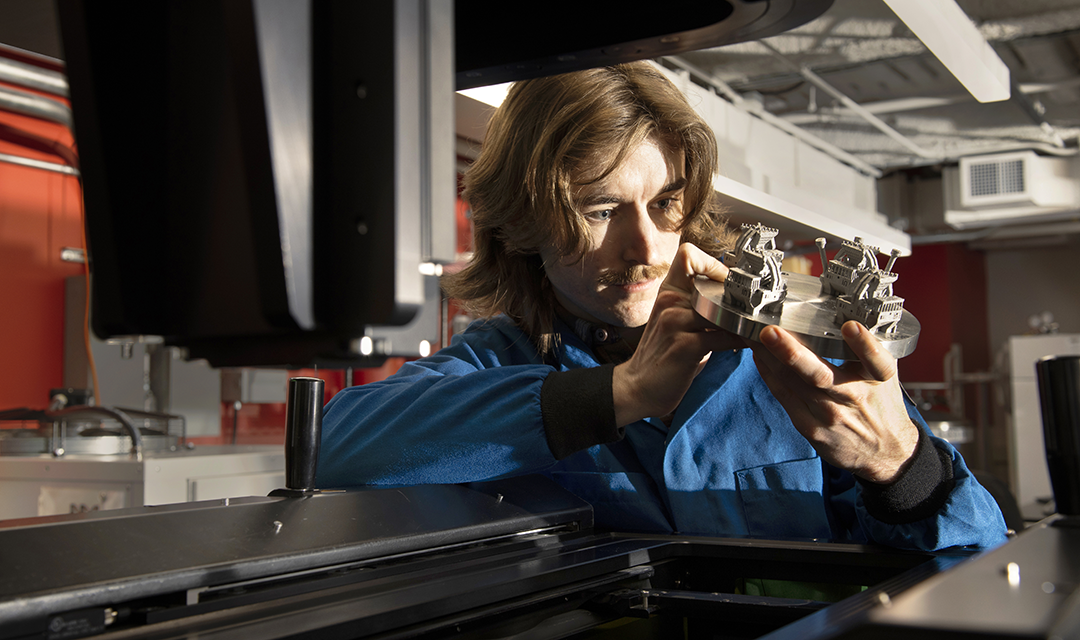
Additive manufacturing has revolutionized manufacturing by enabling customized, cost-effective products with minimal waste. However, with a majority of 3D printers operating on open-loop systems, they are notoriously prone to failure. Minor changes, like adjustments to nozzle size or print speed, can lead to print errors that mechanically weaken the part under production.
Traditionally, manufacturers fix these issues on a case-by-case basis, ultimately “babysitting” the printer to manually adjust parameters and test samples in an effort to figure out what went wrong.
Amir Barati Farimani, associate professor of mechanical engineering, is automating 3D printing with a new large language model that fixes printer errors in real time without the need for any pre-training. The model is printer-agnostic and can be used by a wide range of printers for varying materials.
\
“Just three years ago, this type of technology wouldn’t have been possible,” said Yayati Jadhav, Ph.D. candidate and the first author of this research published in Additive Manufacturing. “Today, LLMs have access to nearly the entire body of human knowledge, but the challenge was extracting only the most relevant pieces. We needed the model to identify 3D printing errors, explain them in plain language, and autonomously correct the problem in real time.”