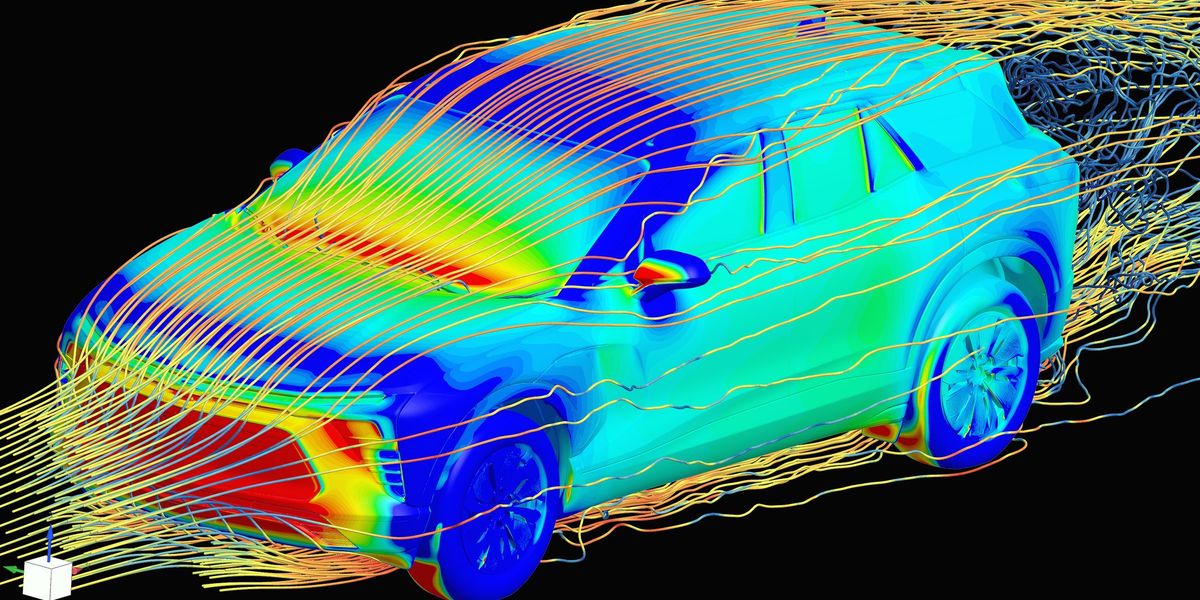
One of the primary challenges of the engineering design process is minimizing the time between iterations. Often, an engineer must perform a costly virtual analysis and evaluate the results before updating the design and repeating the process. Lengthy computing times are a bottleneck in the design pipeline, especially during the early stages, when high-fidelity simulations and analyses can waste valuable time and resources. To address this issue, data-driven machine learning surrogate models have emerged to reduce time between design iterations.
“Simulations inform how you can redesign the part or make adjustments so that you don't have to waste time or material building something that's going to just fail,” said Kevin Ferguson, Ph.D. student in mechanical engineering.
Source: College of Engineering
TAG U-NET predicts how parts will react to stress. Input CAD models are displayed on the left, with output predictions on the right.
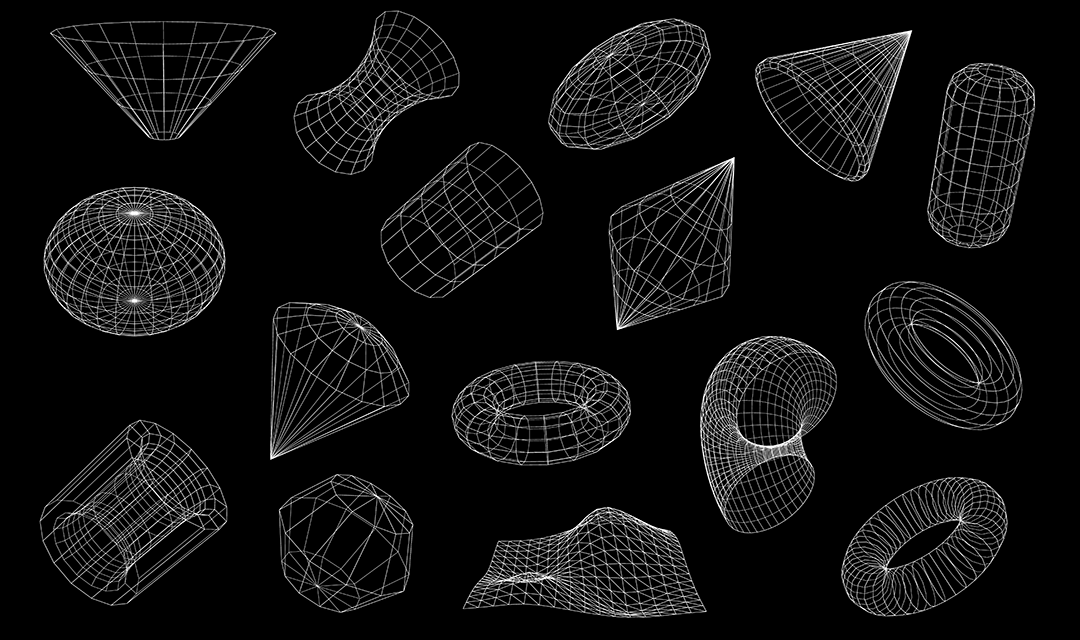
Ferguson and fellow researchers at Carnegie Mellon University have developed a topology-agnostic graph U-Net (TAG U-NET) graph convolutional network that can be trained to input any mesh or graph structure and output a prediction of how that design will react to different stressors, including if and how it will distort.