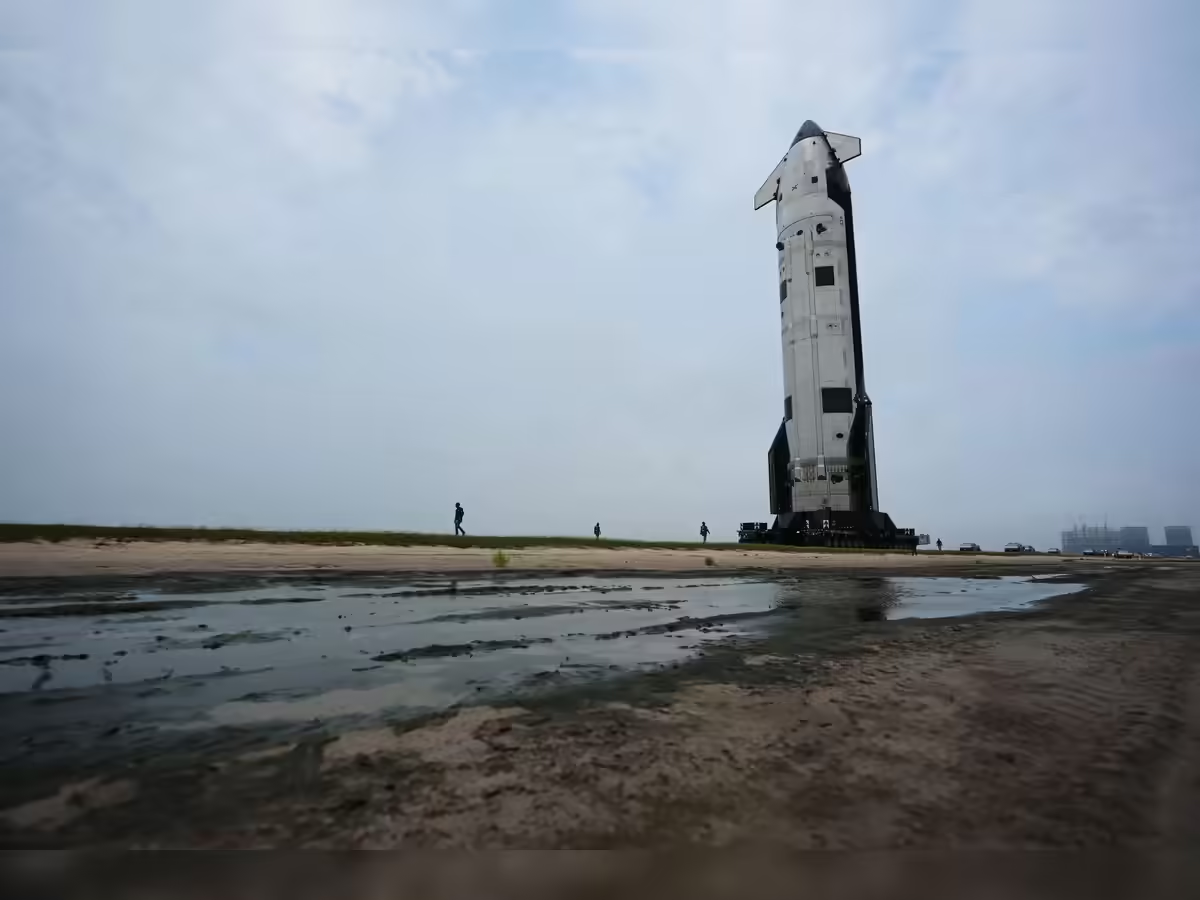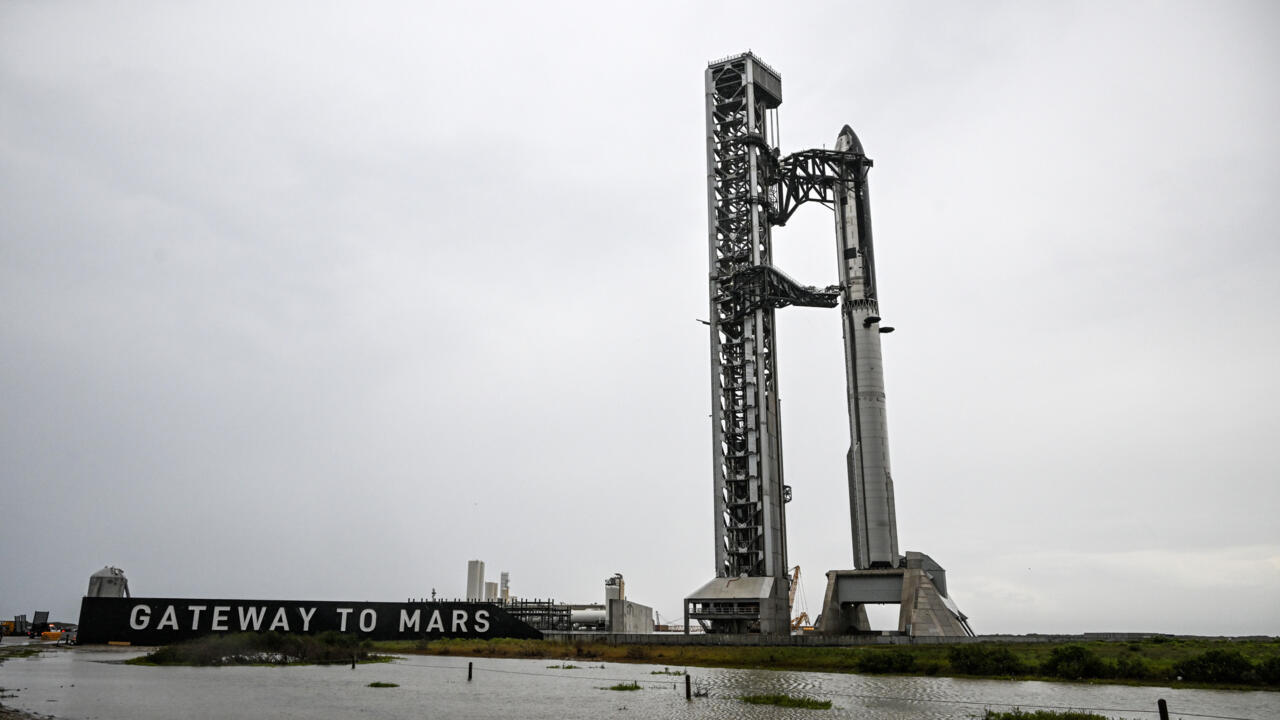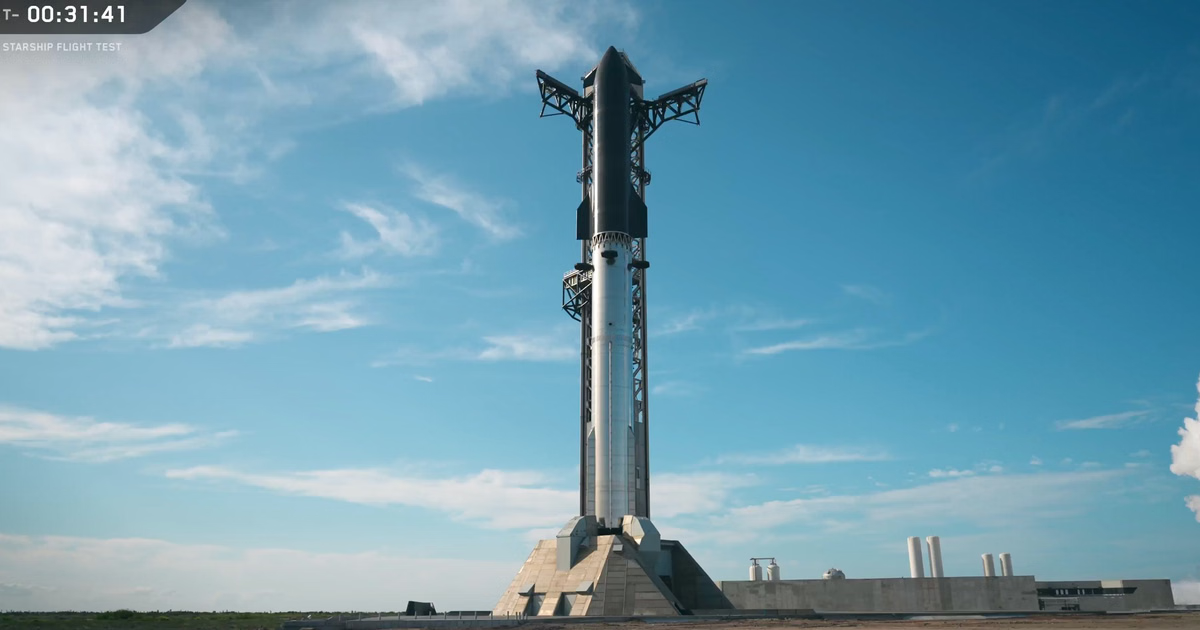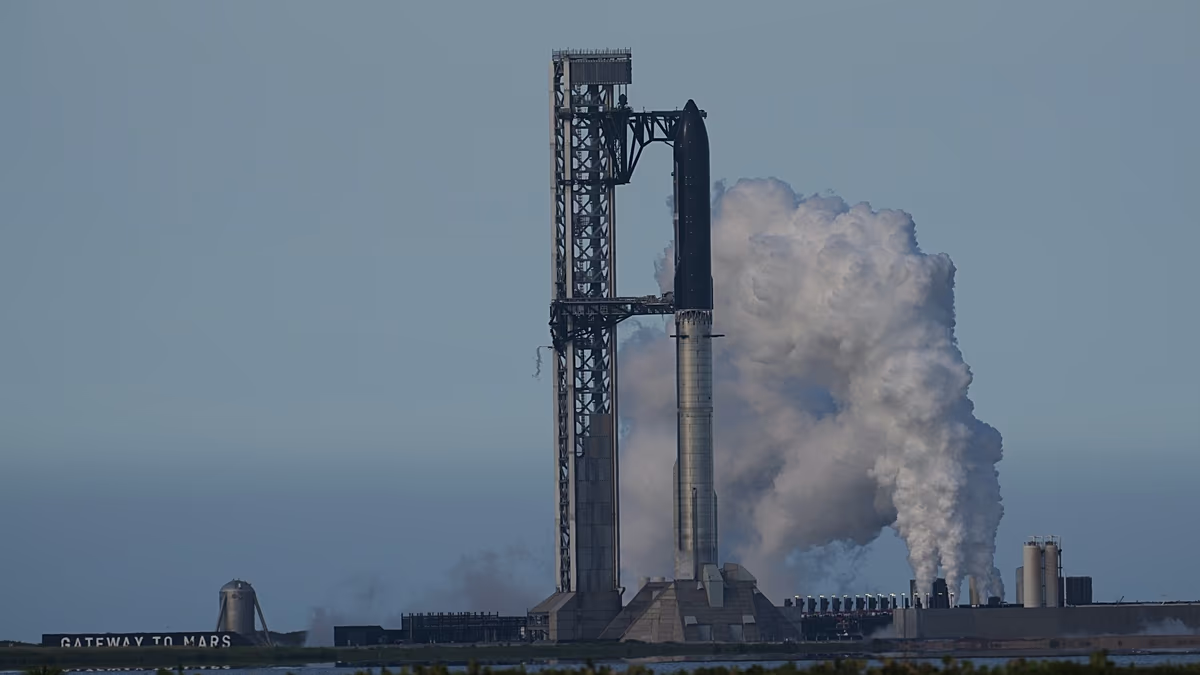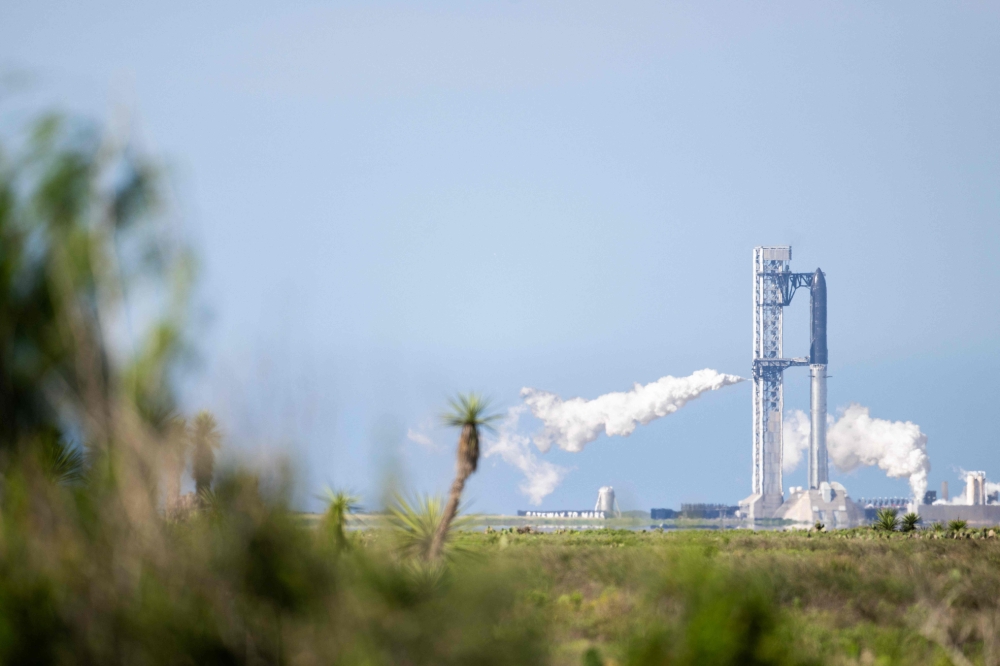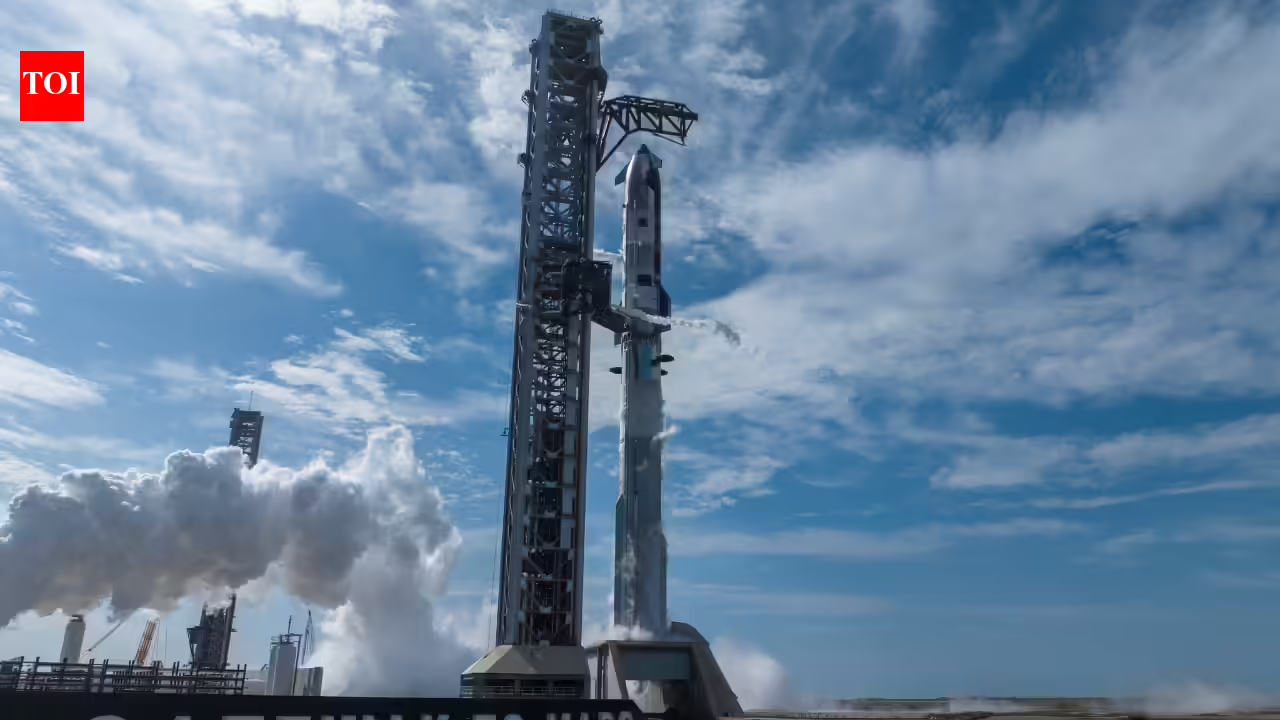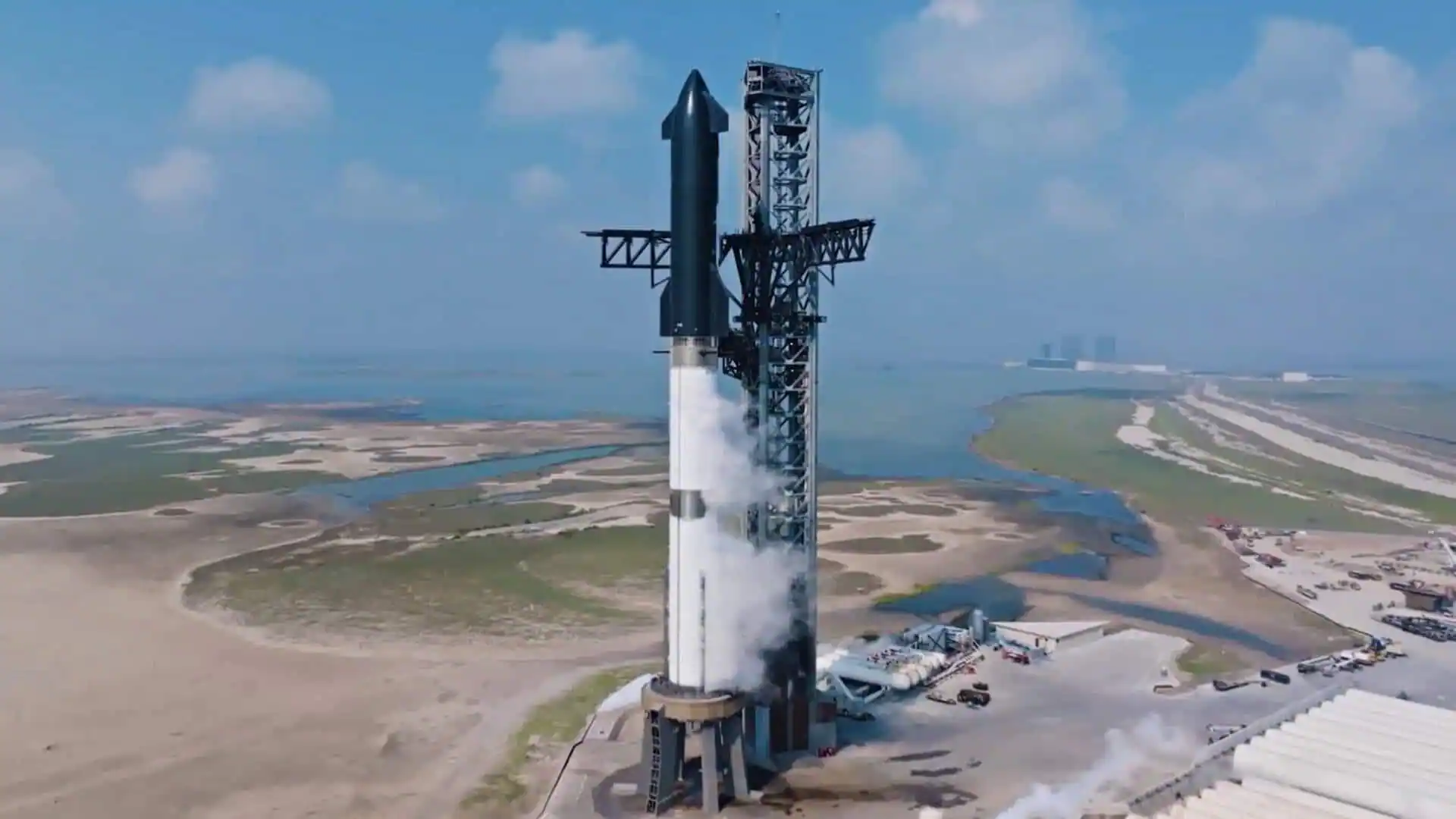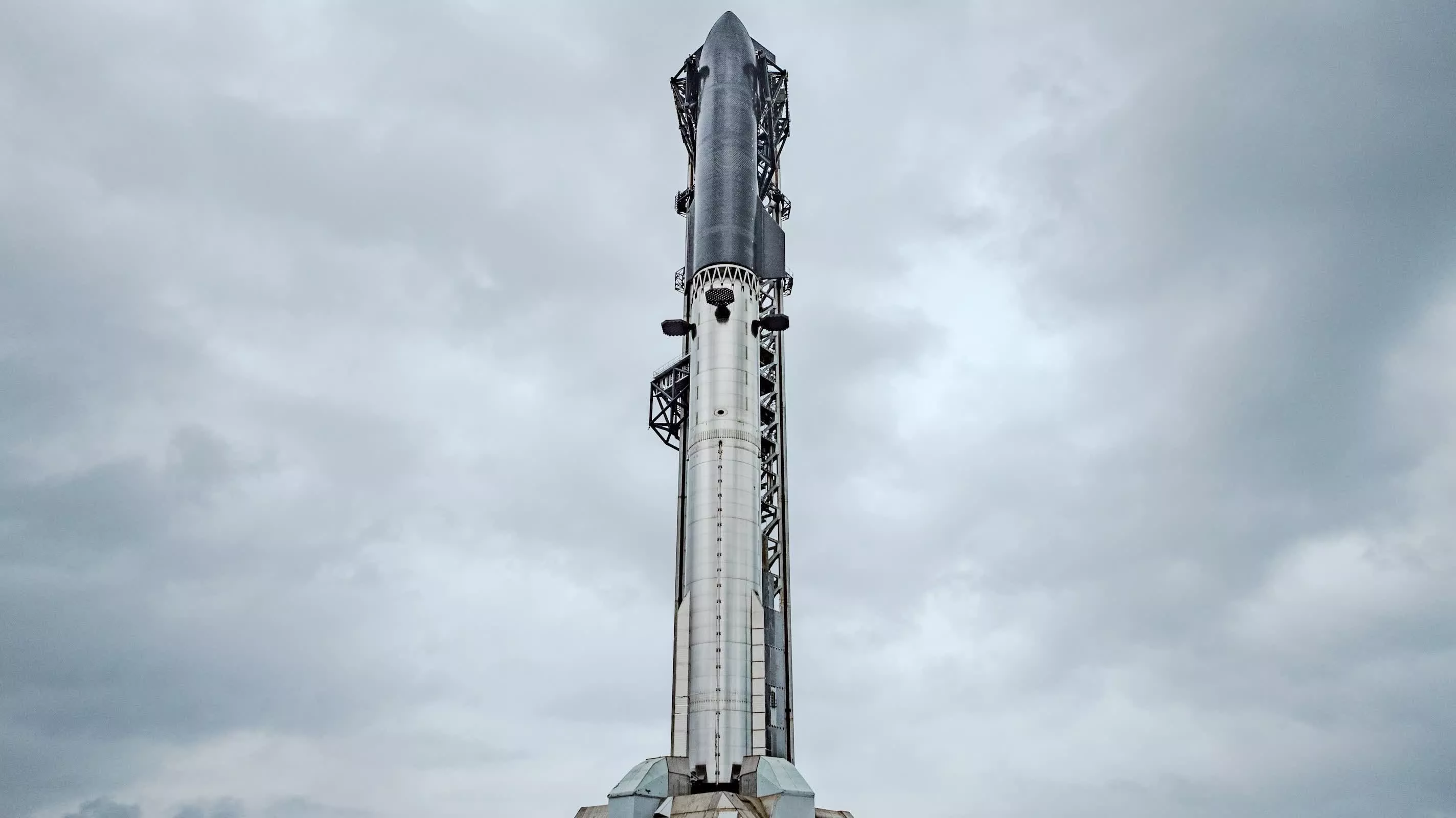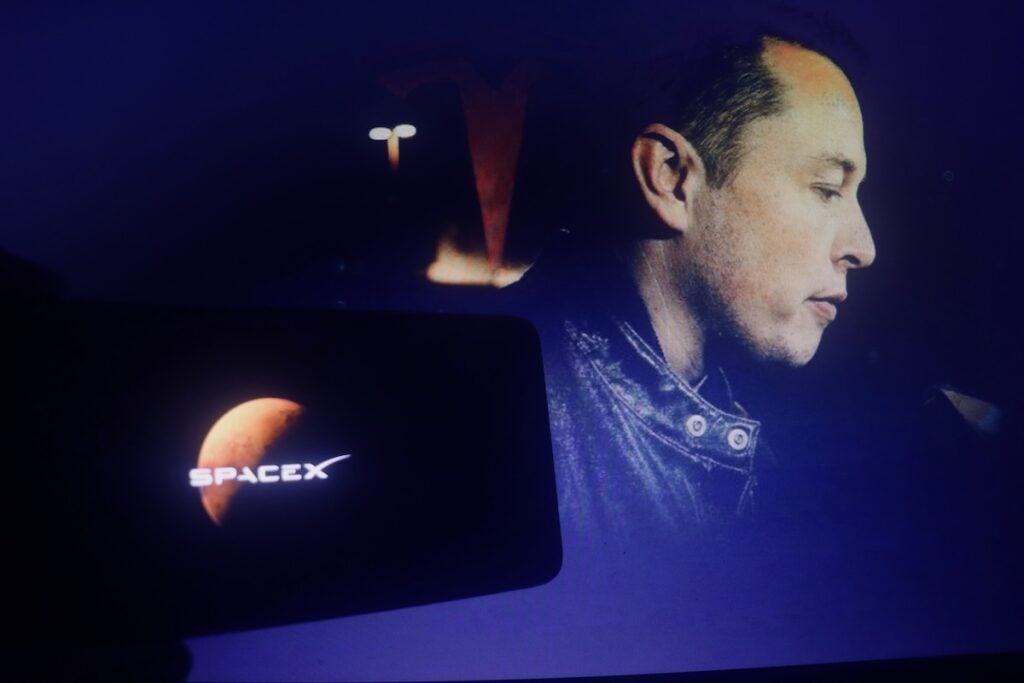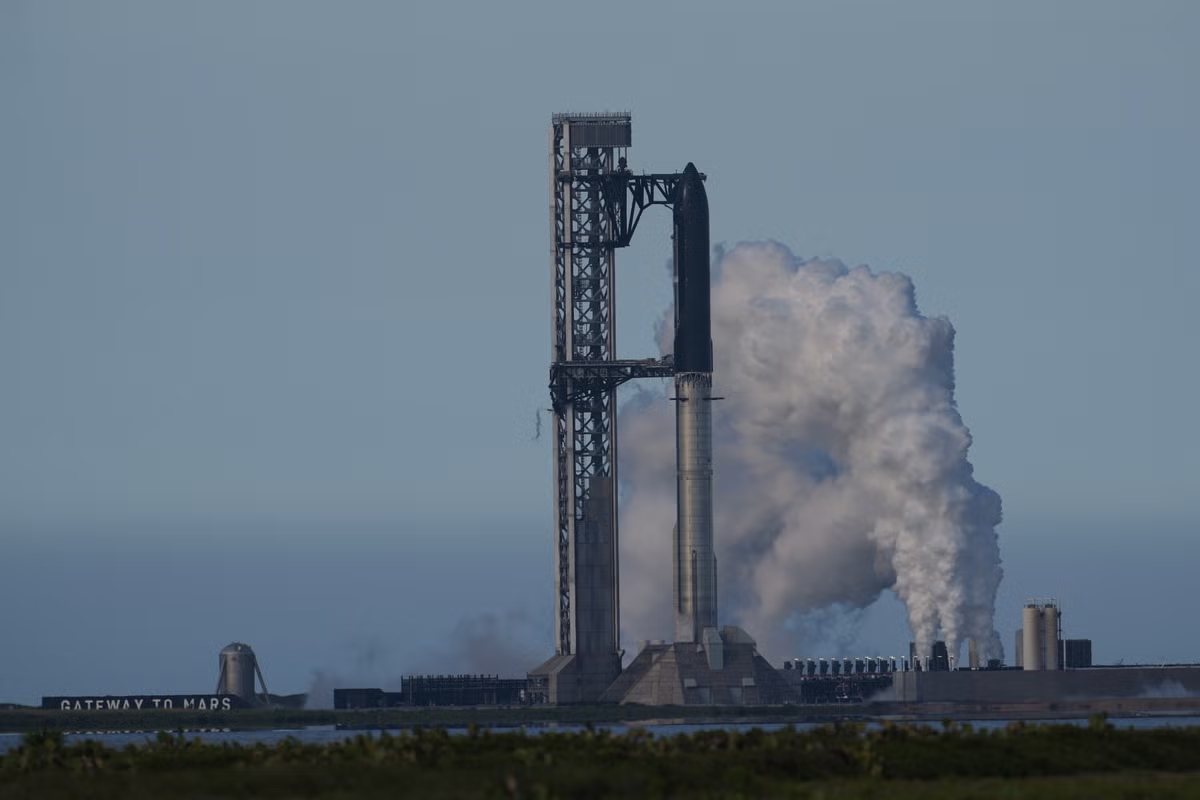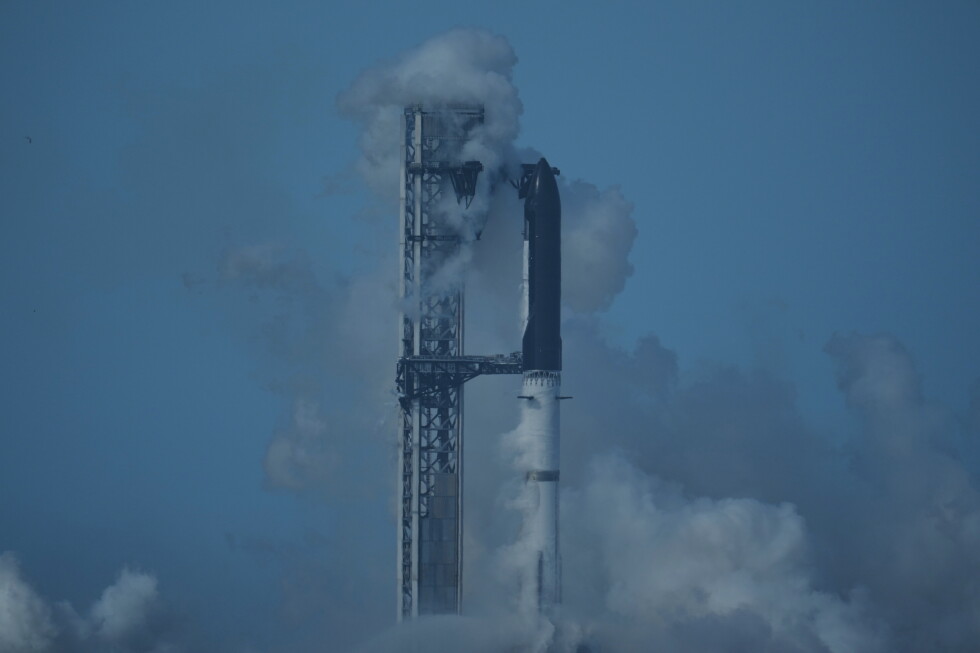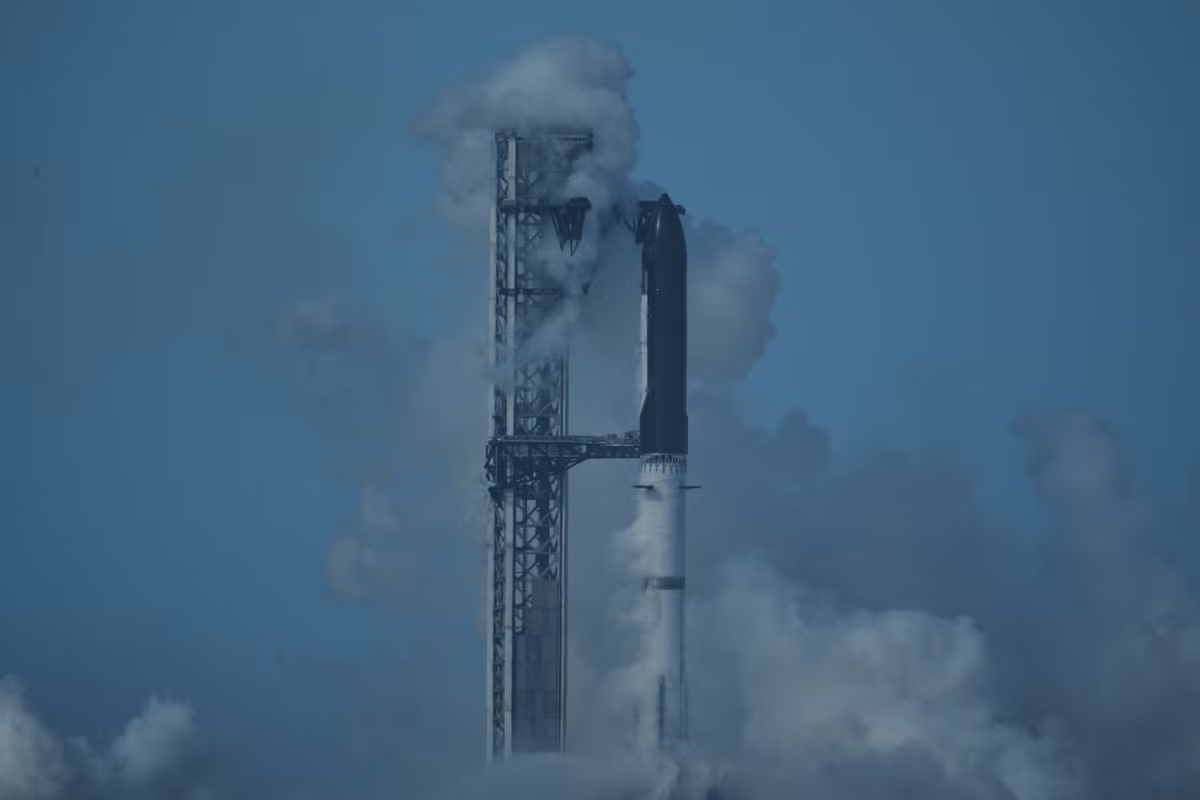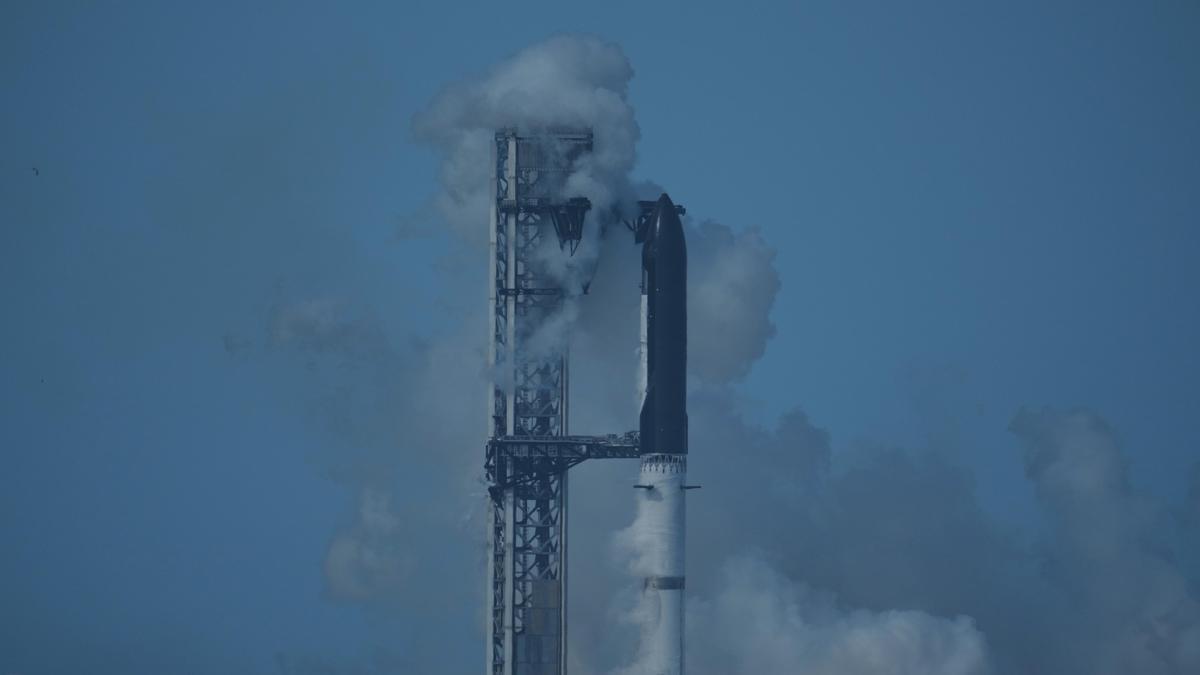
SpaceX’s ambitious Starship launch was dramatically aborted just 30 seconds before liftoff on Thursday evening, as a series of technical glitches plagued the countdown. The colossal 407-foot rocket, designed for a global space-skimming journey, remained grounded at its Starbase facility in Texas, near the Mexican border.CEO Elon Musk later confirmed that a hydraulic pin, crucial for securing the launch tower's arm, failed to retract. He indicated that a swift resolution could pave the way for another launch attempt as early as Friday. This aborted flight followed closely on the heels of Musk's announcement that his rocket company plans to go public.The 407-foot (124-meter) rocket was poised to begin a space-skimming journey from Texas, extending halfway around the world (Getty)The Starship was set to deploy 20 mock Starlink satellites before its planned controlled re-entry into the Indian Ocean after an hour-long flight. This marks the 12th test flight for the Starship program and the first since last autumn. Crucially, NASA is banking on this advanced Starship variant to transport astronauts to the moon within the next few years.On Wednesday, Musk announced plans for one of the biggest stock sales ever by taking a space company public that is currently losing billions of dollars a year.A filing shows that SpaceX lost $2.6 billion on operations last year, despite $18.7 billion in revenue, and the losses kept piling up at the start of this year, too.SpaceX CEO Elon Musk later said the hydraulic pin holding the launch tower's arm in place did not retract. If the problem can be fixed quickly, another launch attempt will be made Friday (Getty)The prospectus did not put a dollar figure on the amount Musk hopes to raise, but various reports have estimated it at about $75 billion. An offering of that size would easily surpass the current title holder, Saudi Aramco, the oil giant that went public seven years ago and raised $26 billion.SpaceX, formally known as Space Exploration Technologies Corp., has said the money will help finance projects to put people on the moon and Mars in its quest to make humans an intergalactic species as they face existential threats that could wipe out civilization.“We do not want humans to have the same fate as dinosaurs,” the filing states.The prospectus reads, in part, like a Hollywood fantasy version of the future, detailing, in one section, how part of Musk’s compensation will be granted only if he maintains “a permanent human colony on Mars with at least one million inhabitants.”
Elon Musk’s billion-dollar space gamble hits another turbulent delay
SpaceX's newest and biggest Starship will have to wait at least another day before launching on a test flight from Texas
413 words~2 min read