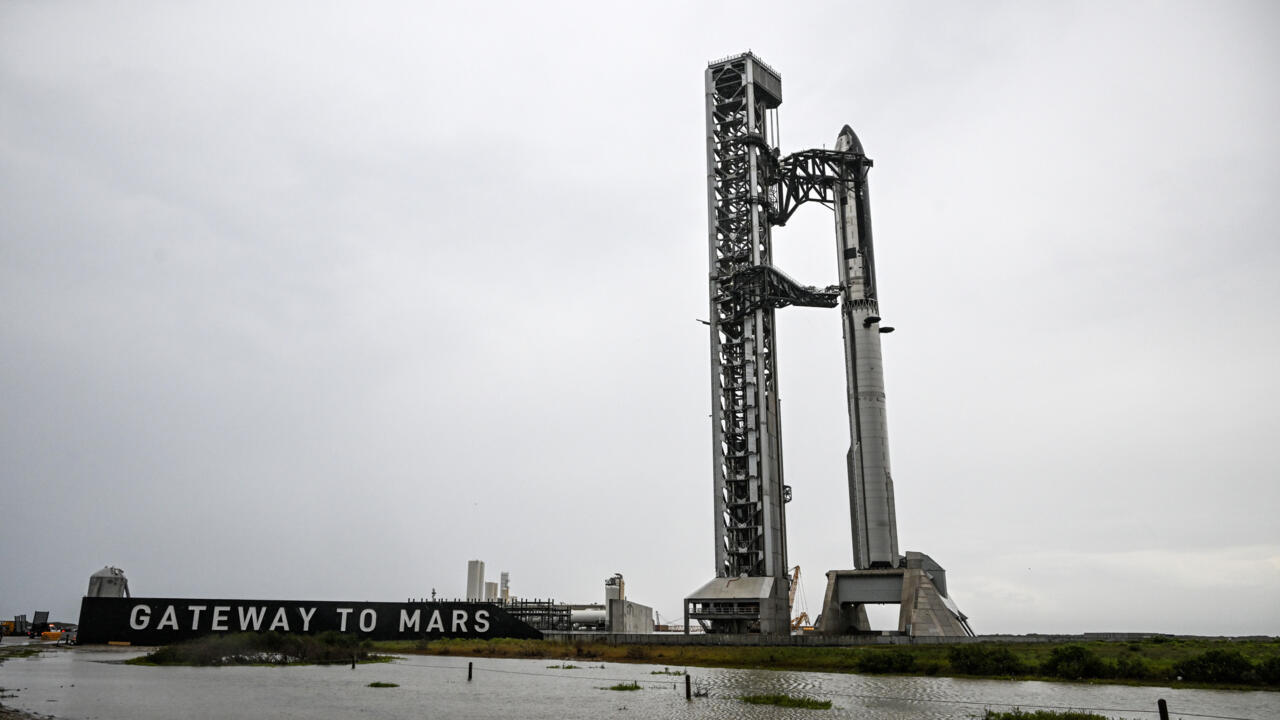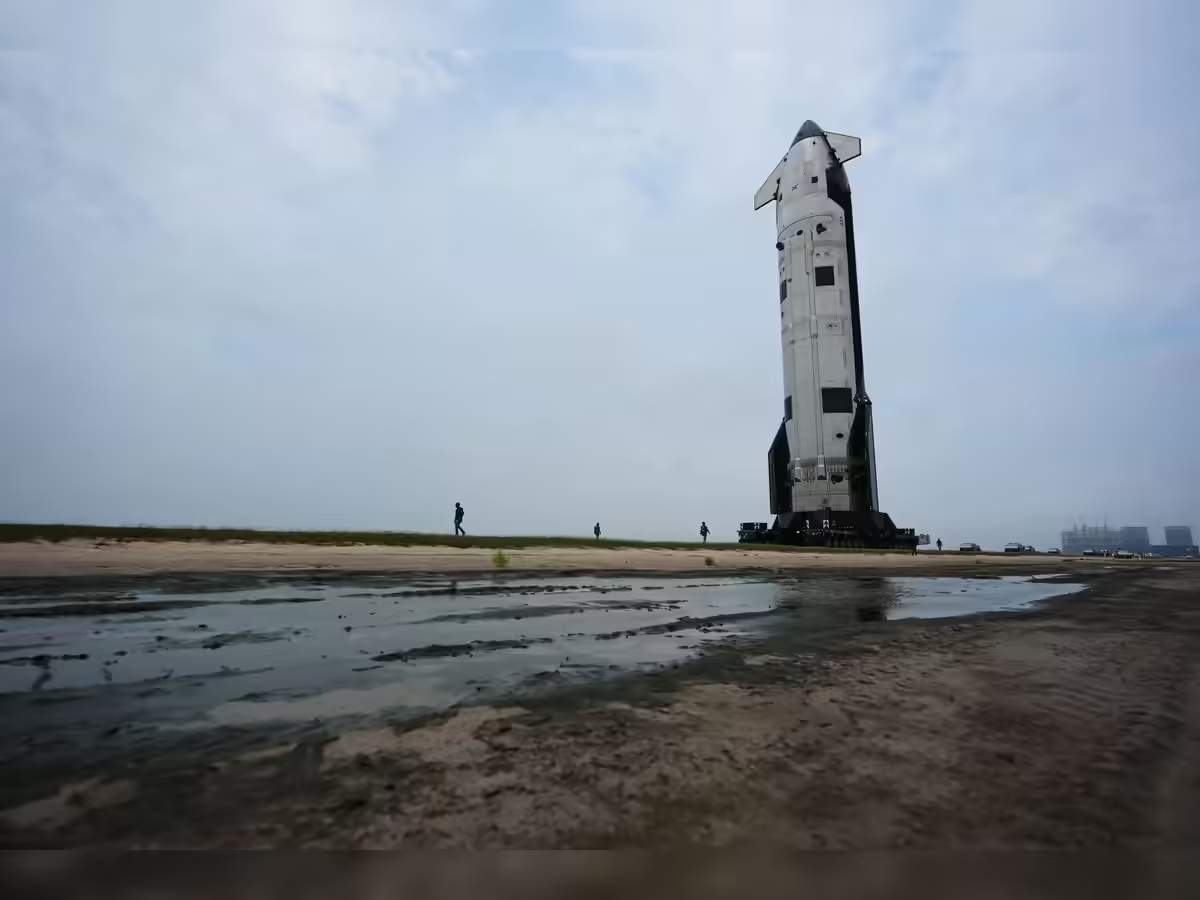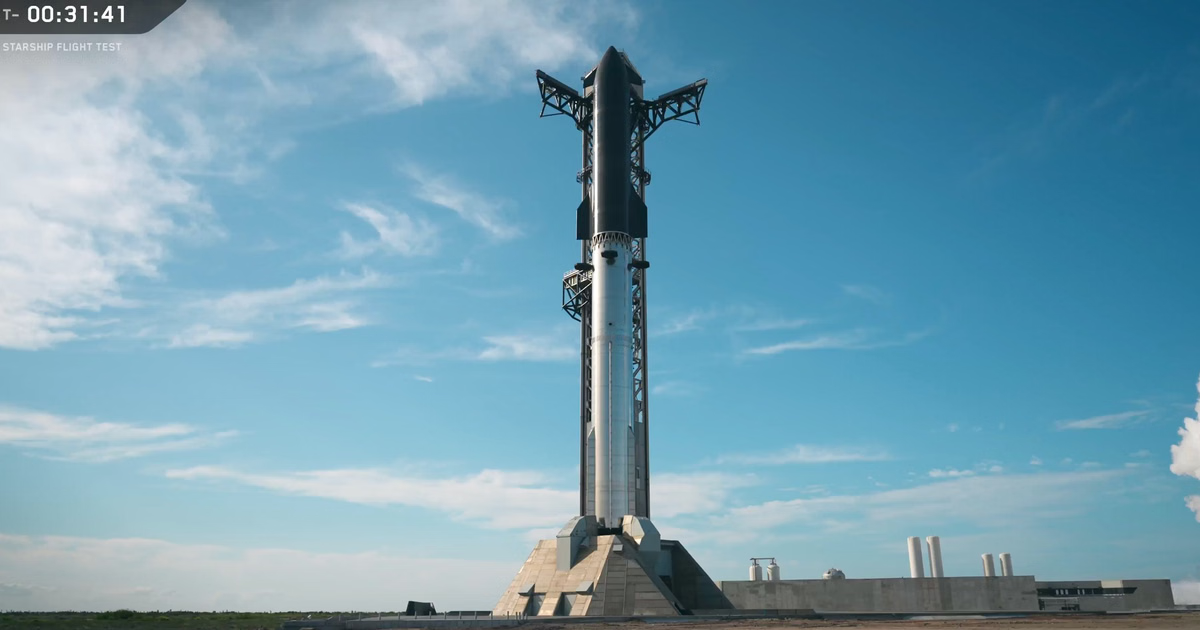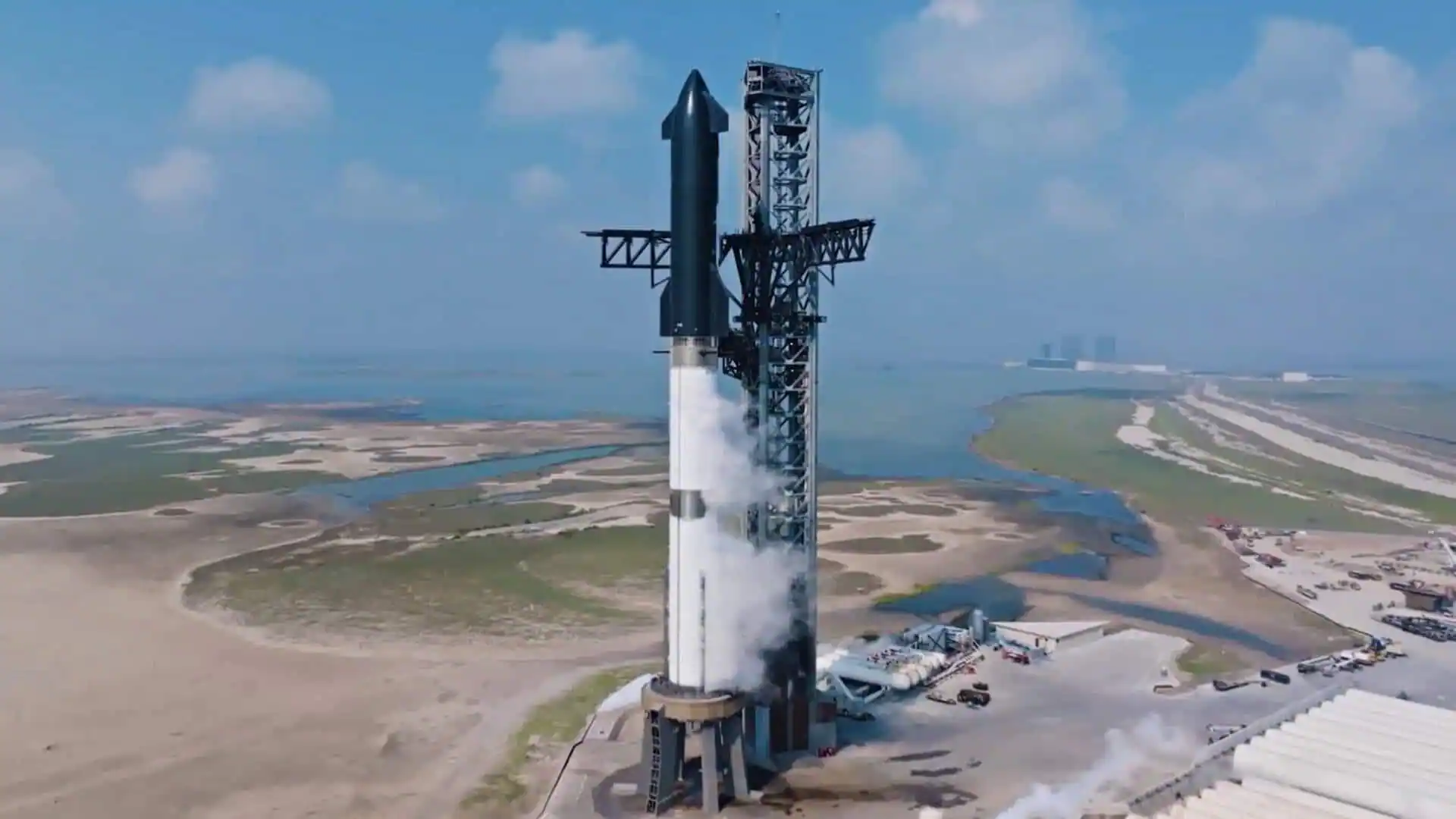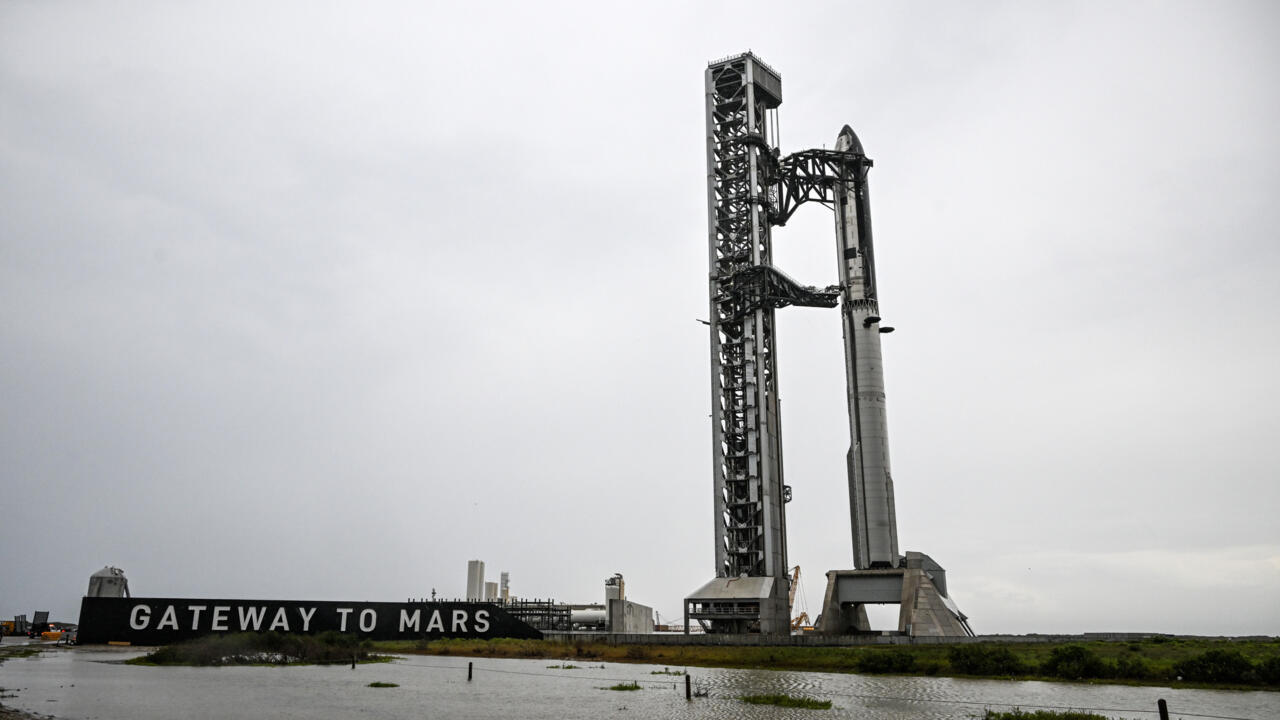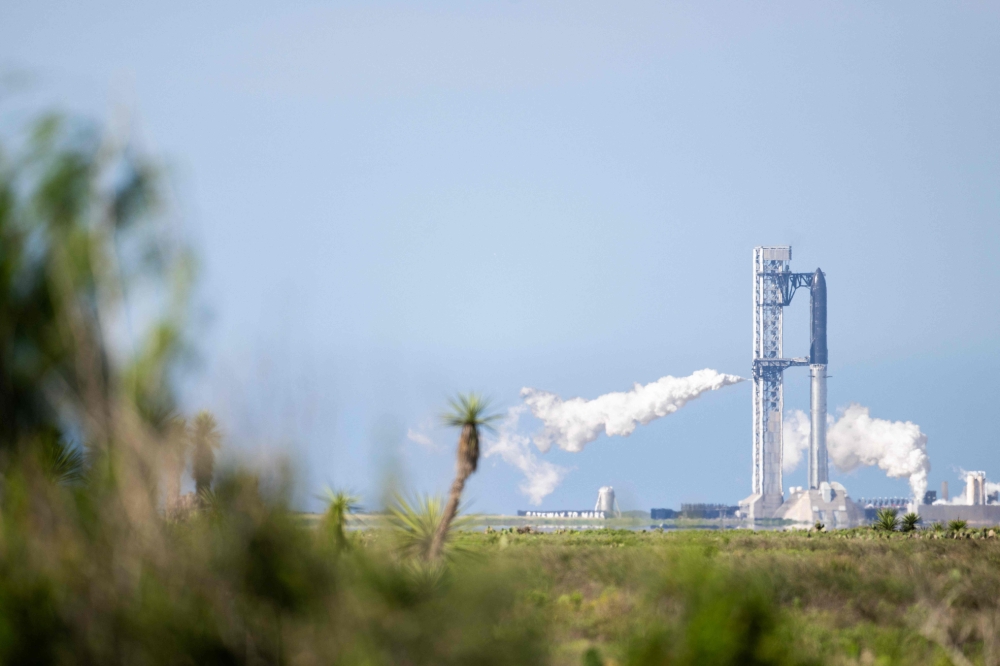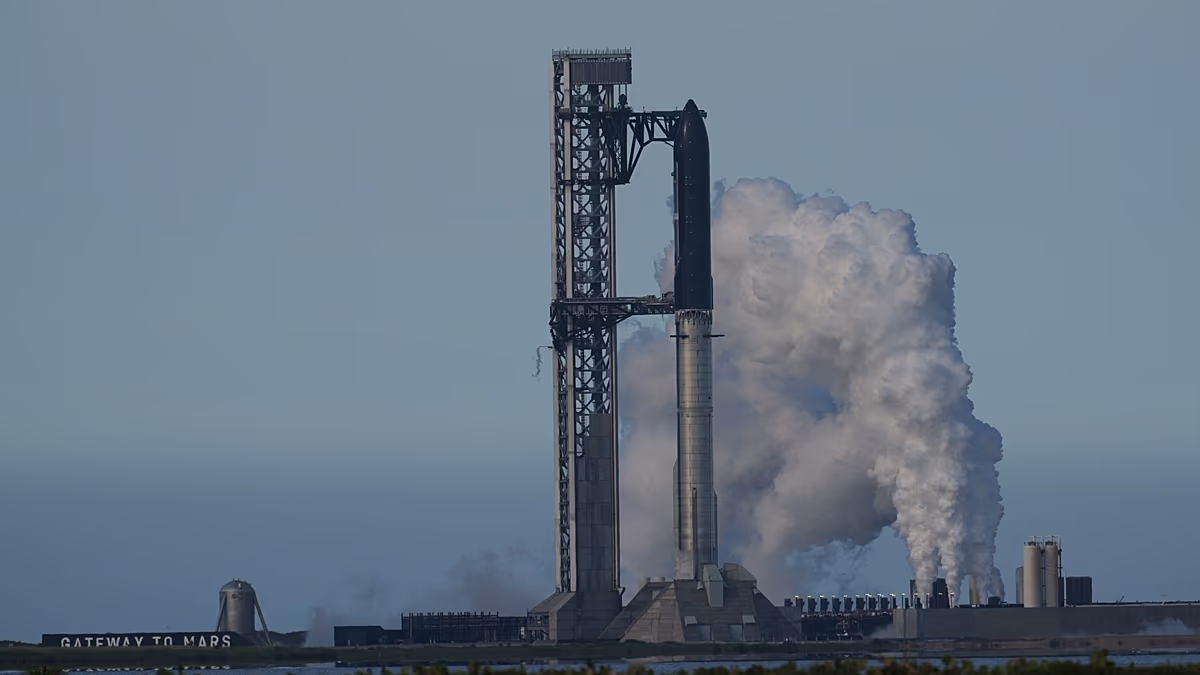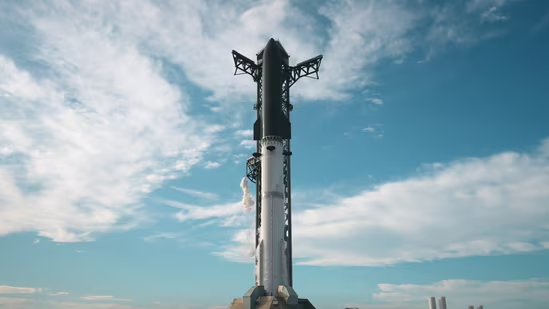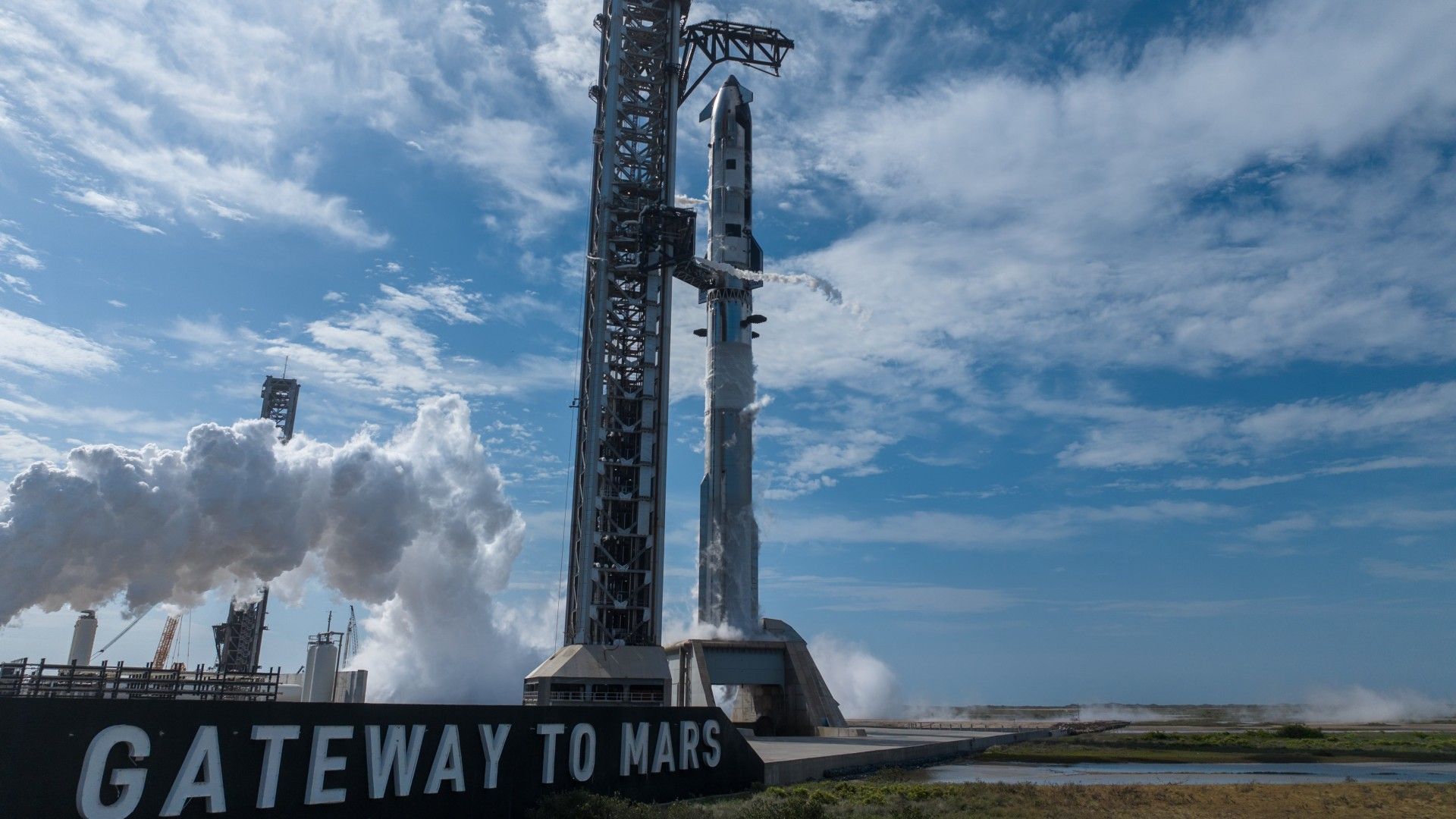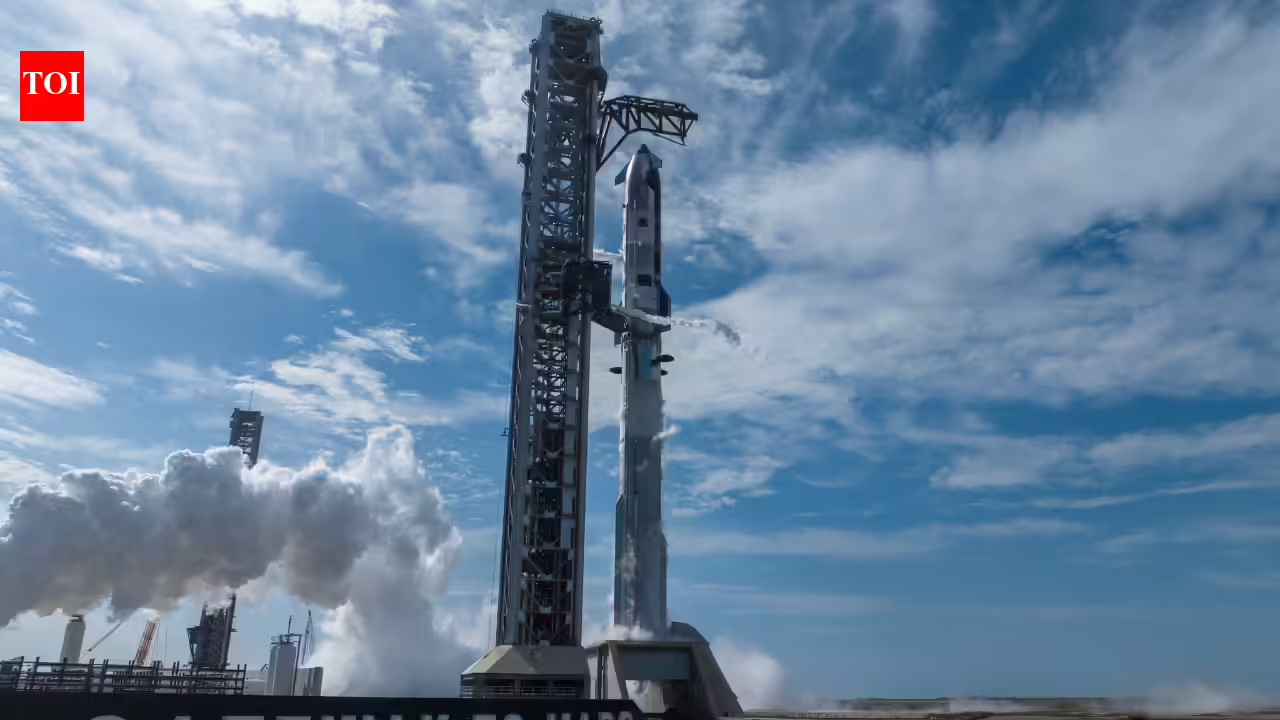
.Elon Musk’s SpaceX postponed the launch of its upgraded Starship megarocket on Thursday after multiple countdown stops-and-starts forced the company to call off the highly anticipated test flight.The company is now eyeing Friday for another take-off attempt of the third-generation Starship rocket, company spokesperson Dan Huot said during the launch livestream.After several rounds of stopping and restarting the countdown clock, Huot said engineers would not be able to work through last-minute glitches in time for Thursday’s launch.Musk later posted on X that “the hydraulic pin holding the tower arm in place did not retract.”“If that can be fixed tonight,” the company will make another attempt at 5:30 pm local time (2230 GMT) on Friday, the tech billionaire added.The launch delay comes at a crucial moment for SpaceX, which filed with US financial regulators a day earlier to go public in what is expected to become a record initial public offering. The filing provides potential investors with detailed financial information, risk factors and the company’s business strategy.The mission is also important for Nasa , which is relying on Starship development for its plans to return astronauts to the Moon. SpaceX is under contract with NASA to develop a modified version of Starship to serve as a lunar landing system.The test flight would mark the 12th Starship mission and the first in seven months. The latest version of the rocket is larger than its predecessor, standing more than 407 feet (124 metres) tall when fully stacked.SpaceX, which aims to make Starship a fully reusable system, said the mission’s primary goal is to demonstrate the rocket’s redesigns during flight.Under the mission plan, the “Super Heavy” booster is expected to splash down in waters off the coast, while the upper stage will deploy 20 mock satellites and two “specially modified Starlink satellites” equipped with cameras to study the spacecraft’s heat shield.The mission is expected to last around 65 minutes after liftoff, with the upper stage travelling on a suborbital trajectory before splashing down in the Indian Ocean, if all goes according to plan.While recent Starship missions have been considered successful, earlier tests ended in major explosions, including two over the Caribbean and another after reaching space. Last June, the upper stage exploded during a ground test.
Elon Musk's SpaceX postpones Starship V3 launch, plans fresh attempt on Friday
Elon Musk’s SpaceX postponed the launch of its upgraded Starship megarocket on Thursday after multiple countdown stops-and-starts forced the company to call off the highly anticipated test flight.
372 words~2 min read