The Death of the PHP Request Lifecycle
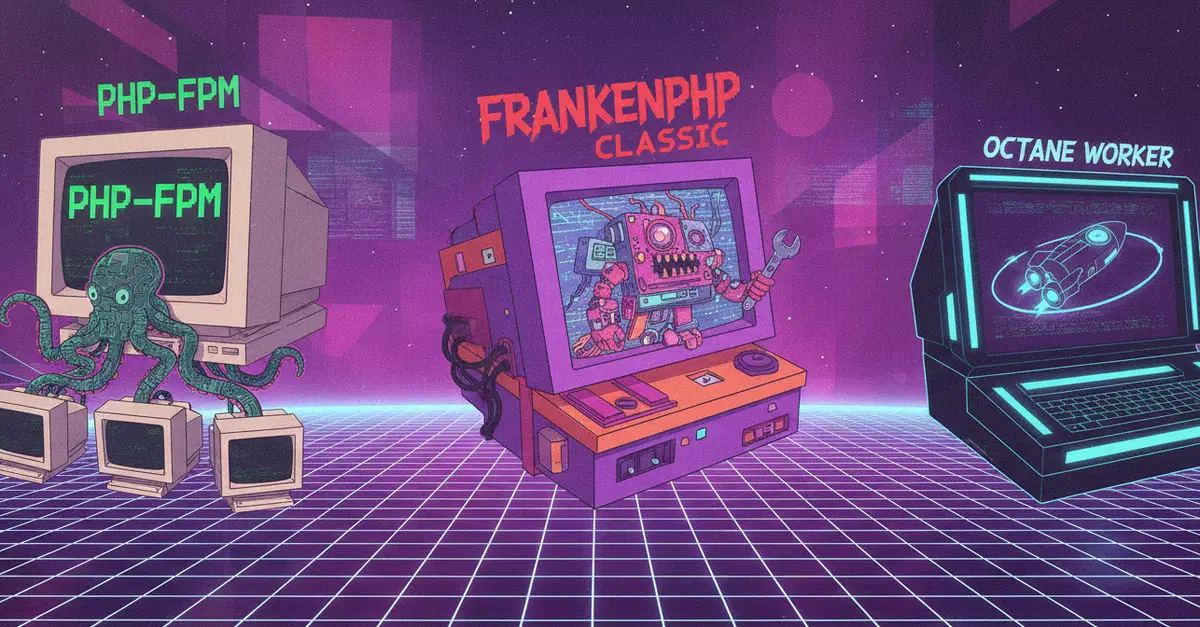
For decades, PHP's greatest architectural advantage was its "share-nothing" architecture. A request comes in, the framework boots up, the database is queried, the response is sent, and then the entire PHP process dies. Every single variable, singleton, and memory allocation is wiped clean. It is incredibly safe, but booting the framework from scratch on every request is inherently slow.
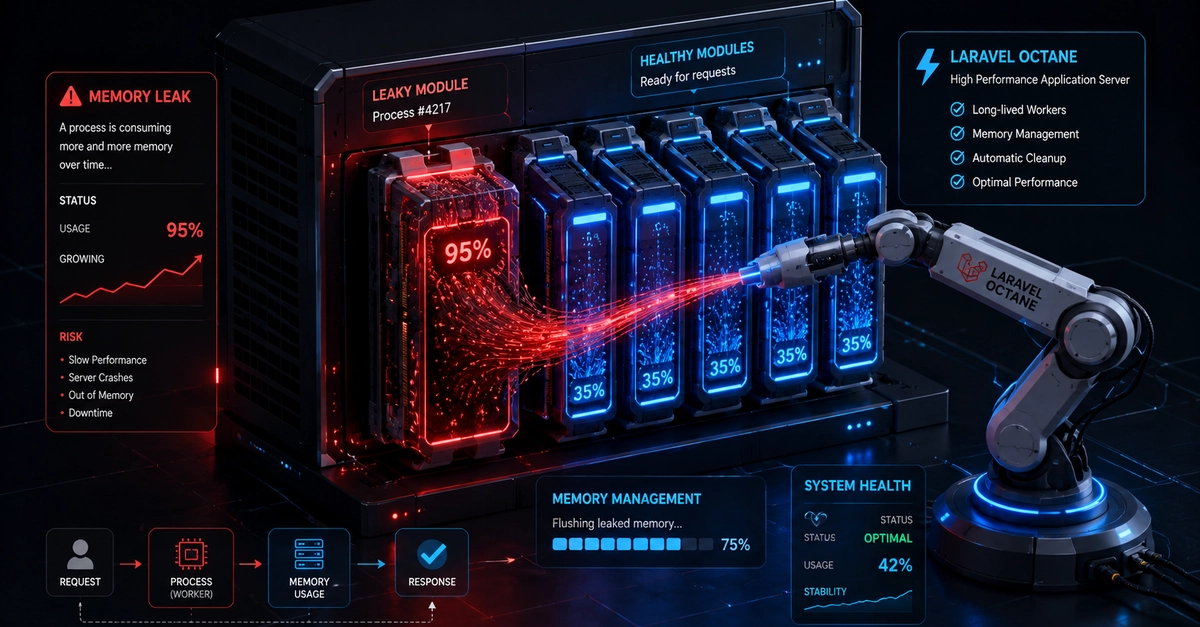
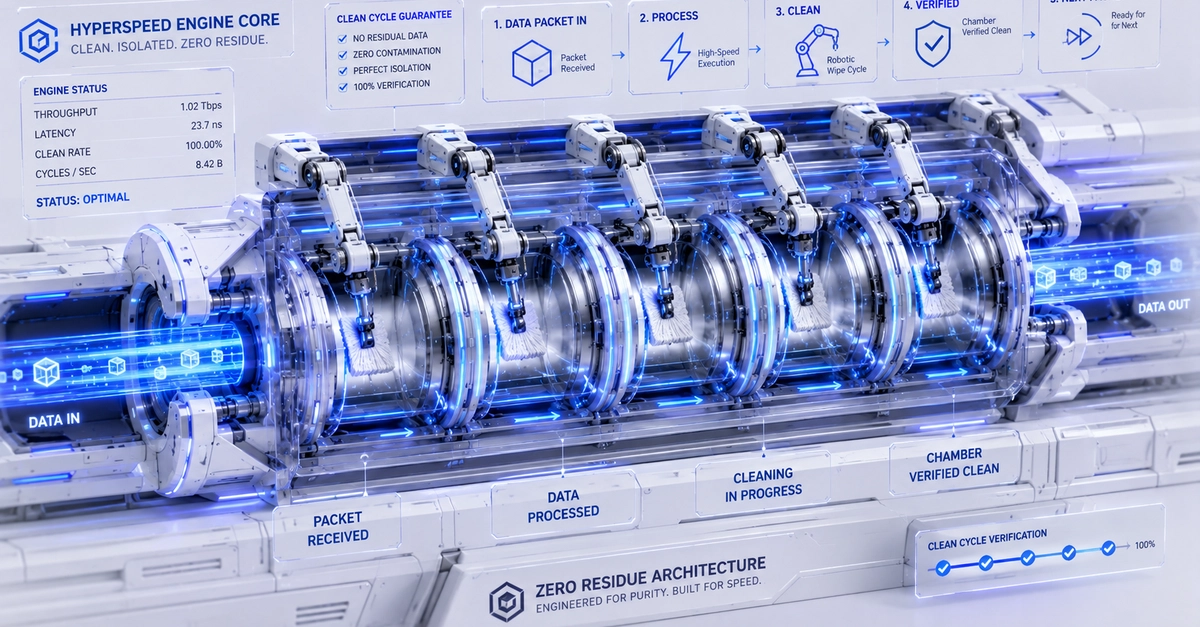
To scale B2B SaaS platforms to thousands of requests per second at Smart Tech Devs, we use Laravel Octane (powered by Swoole or FrankenPHP). Octane boots the Laravel framework exactly once and keeps it alive in RAM, serving incoming requests instantly. It makes Laravel blazingly fast—but it destroys the "share-nothing" safety net. This introduces a terrifying vulnerability: State Leakage.
The Multi-Tenant State Leakage Trap
If the PHP process never dies, memory persists across requests. If you aren't careful, data from User A's request will leak into User B's request.